
Intro
Buying gear for children can quickly become expensive, especially when needs change with growth, school requirements, sports seasons, sensory preferences, and safety recommendations. A thoughtful budget does not mean choosing the cheapest product every time. It means directing money toward items that affect safety, health, daily function, or durability while avoiding purchases that add clutter without solving a real problem.
Smart shopping is also a form of family health planning. The right backpack fit, protective equipment, clothing materials, and hygiene supplies can support comfort and participation. At the same time, product claims can be confusing, and used items are not automatically safe. A practical system helps caregivers compare total value, recognize when professional guidance is appropriate, and make purchasing decisions without guilt.
Highlights
Prioritize safety-critical and frequently used gear before convenience items or trendy accessories.
Compare total cost, including maintenance, replacement parts, storage, and how quickly a child may outgrow the product.
Rent, borrow, buy secondhand, or purchase during predictable sales when those options do not compromise safety.
Use a short needs list and a waiting period to reduce impulse purchases and avoid duplicate gear.
Start with needs, not product categories
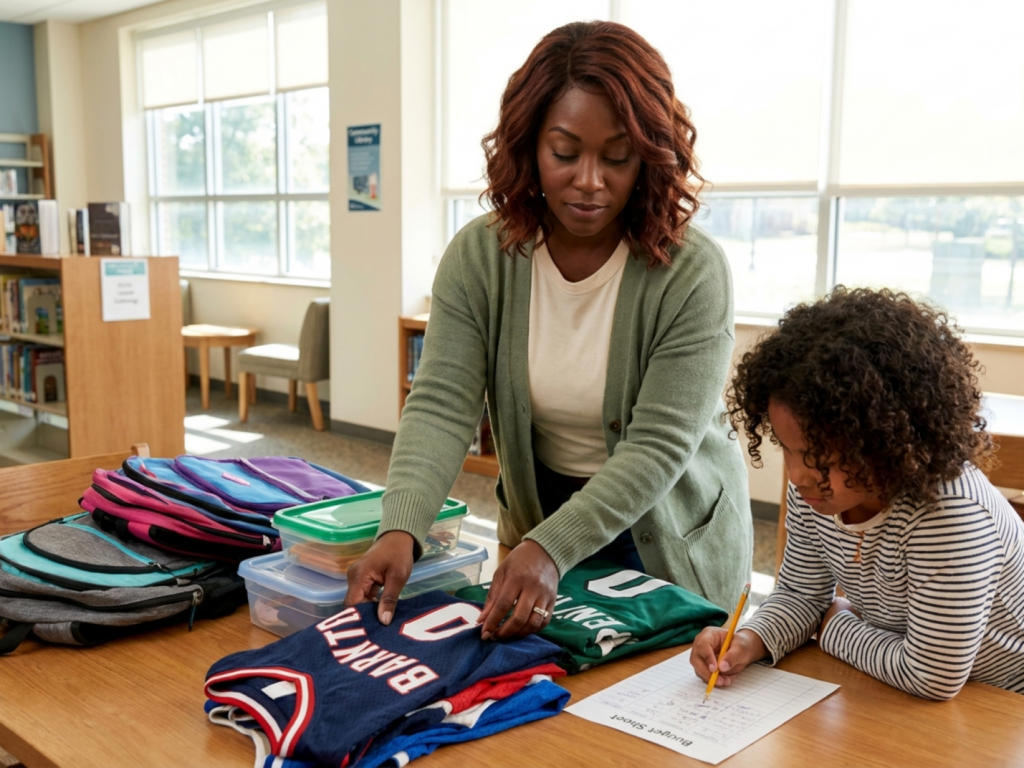
A common budgeting mistake is beginning with a shopping list organized by product type: backpack, lunch box, shoes, coat, sports equipment, and so on. A more useful starting point is the child’s actual routine. List the settings in which gear will be used, such as school, transportation, outdoor play, sleep, meals, sports, or medical care. Then identify what is required for participation and what merely looks convenient.
Divide each potential purchase into three groups. Essentials are items needed for safety, school attendance, weather protection, hygiene, or a clinician-recommended accommodation. Useful items reduce repeated daily effort but may have lower urgency. Optional items are attractive, entertaining, or aspirational but do not solve a current problem. This framework helps prevent a limited budget from being consumed by accessories before core needs are met.
Ask whether the item replaces something already owned, how often it will be used, and whether another family, school, library, recreation program, or community organization can provide it. A starter inventory can reveal duplicates, such as several water bottles or rarely used activity kits. Keep the list flexible: children’s needs can change after a growth spurt, a change in school policy, or a new activity.
For school purchases, a well-fitted backpack is generally more valuable than decorative features. Check the school’s required-supplies list before buying, and confirm whether classroom supplies are shared or individually assigned. A weekly backpack clean-out routine can also reduce lost items, food waste, and unnecessary replacement spending.
Build a realistic gear budget
A useful budget includes both one-time purchases and predictable recurring costs. One-time gear may include a helmet, car restraint, durable outerwear, or a specialized school device. Recurring costs include shoes, clothing, lunch supplies, consumables, replacement water bottles, sports fees, and seasonal items. Separating these categories makes it easier to see whether a low-priced item is truly affordable over time.
Begin with the money available for the month, season, or school year. Subtract essential household expenses and set aside a modest amount for unexpected replacement needs. Then rank gear by consequence and frequency of use. A product used every day may justify better construction if it is comfortable, repairable, and likely to last. An item used twice a year may be a good candidate for borrowing or renting.
Use a total-cost calculation rather than comparing sticker prices alone. Include shipping, batteries, cleaning products, protective cases, tailoring, replacement parts, and likely disposal or resale value. A slightly more expensive item may cost less if it lasts through multiple children or can be repaired. Conversely, a premium product is not automatically a better investment if a child will outgrow it quickly or refuses to use it because of texture, weight, or design.
Consider a short waiting period for nonessential purchases. Put the item on a list for 24 to 72 hours and revisit the decision after checking measurements, reviews from reliable sources, current household inventory, and the return policy. This pause is particularly useful during sales, when urgency can make a discount seem more valuable than it is.
Know when to buy new, used, rent, or borrow
Secondhand shopping can substantially reduce costs and environmental waste, but safety depends on the product category and its history. Clothing, books, basic storage containers, and many nonprotective toys are often reasonable candidates for resale or hand-me-down use when they are clean, intact, and appropriate for the child. Inspect seams, fasteners, cords, sharp edges, peeling surfaces, and signs of mold or water damage.
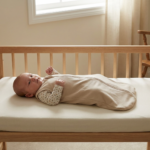
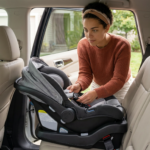
Safety-critical equipment deserves more caution. Helmets, car seats, protective pads, and certain sleep products may have hidden damage, missing parts, expired guidance, or an unknown history. A used item should not be selected merely because it is inexpensive. Check the manufacturer’s instructions, model information, recall notices, expiration guidance, and required components. If the history cannot be verified, replacing the item may be the safer financial decision.
Renting is often effective for seasonal or rapidly changing activities, including skis, musical instruments, and some sports equipment. It allows a child to try an activity before the family commits to storage and maintenance costs. Ask about sanitization, adjustment, damage policies, and whether staff will check fit. Borrowing from a trusted community group can work well for occasional use, provided the item is inspected each time.
When buying used clothing or fabric gear, wash it according to the care label and examine it for irritating residues or persistent odors. Children with eczema, contact dermatitis, allergies, or sensory sensitivities may tolerate certain fabrics or detergents better than others. Product selection should support comfort without assuming that a marketing label alone predicts skin tolerance.
Prioritize fit, function, and health-related needs
Fit is not a cosmetic detail. Ill-fitting shoes can contribute to discomfort and altered gait, while poorly adjusted protective equipment may not function as intended. Check measurements against the manufacturer’s guidance and reassess after growth spurts. Avoid buying several sizes ahead for products that must fit closely or provide protection. For children with mobility, orthopedic, feeding, hearing, vision, or other clinical needs, a healthcare professional or qualified therapist can help identify appropriate specifications.
For clothing, prioritize freedom of movement, weather protection, and the child’s tolerance of seams, tags, fasteners, and fabric texture. Adjustable waistbands, cuffs, and layering can extend usable life, but excessively loose clothing may create tripping or entanglement hazards. If a child has a diagnosed skin condition or recurrent irritation, discuss persistent symptoms with a clinician rather than relying only on product marketing or home experimentation.
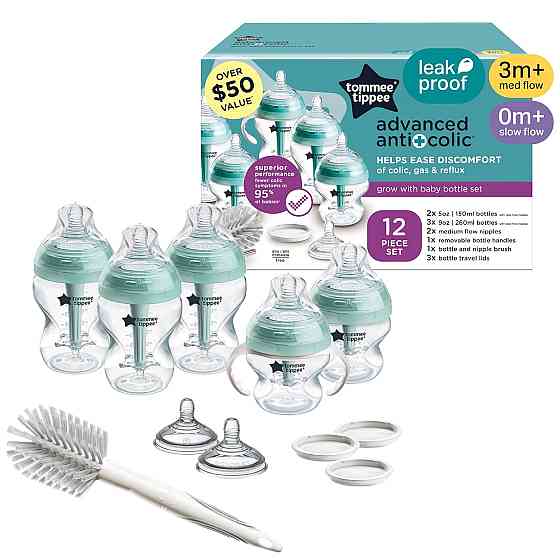
Food and drink gear should be easy to clean and suitable for the child’s developmental abilities. Check whether valves, straws, and seals can be fully disassembled and dried. For children with dysphagia, food allergies, or special feeding plans, follow the recommendations of the child’s medical and school teams. A product advertised as spill-proof or allergy-friendly does not replace an individualized safety plan.
For school and daily organization, practical details often matter more than aesthetics. A child may benefit from a spill-proof water bottle, clearly labeled containers, or assistive technology for school. Confirm school medication rules and any written allergy action plan before purchasing storage or delivery supplies. The goal is a system the child can use reliably, not a collection of technically impressive products that remain at home.
Shop strategically for school and activities
Timing can reduce costs, but buying early should not mean buying blindly. Compare prices across several retailers, review the return window, and check whether a sale price applies only to a limited color or size. For school supplies, wait for the finalized teacher or school list when possible. Families can often save by using supplies already at home, choosing refillable products, and coordinating bulk purchases with other caregivers.
Sports equipment requires additional planning because children may change interests or teams. Ask the coach or recreation program which items are mandatory, which are optional, and whether equipment can be shared. Some programs have loan closets, scholarship funds, or partnerships with resale stores. Buy only the specifications required for the activity; extra features may increase cost without improving performance or safety.
Plan for maintenance before committing to an activity. Include sharpening, laundering, replacement cleats, batteries, calibration, transportation, and storage. Teach children simple care routines, such as drying wet gear, placing small items in one designated pocket, and reporting damage promptly. Early repairs may prevent a more expensive replacement, although damaged protective equipment should be evaluated according to manufacturer guidance rather than patched automatically.
For families managing a child school health plan, coordinate gear purchases with the school nurse, teacher, and relevant clinician. This may prevent incompatible products or duplicate supplies. A simple inventory shared with authorized caregivers can also clarify where medications, emergency supplies, adaptive tools, or hygiene items are stored and when they need replacement.
Reduce waste while protecting safety
Durability and sustainability are most useful when they fit the family’s real circumstances. A washable lunch bag may reduce repeated purchases, but only if it dries fully and is easy to clean. Repairable clothing can extend a garment’s life, while adjustable features may allow use across a growth period. Choose materials and construction that match the child’s routine rather than paying more for a sustainability claim that does not improve function.
Keep a small rotation of frequently used items instead of accumulating a large supply. Label belongings, establish a home location for gear, and photograph model numbers or instruction labels for products with replacement parts. Before replacing an item, determine whether the problem is damage, poor fit, loss, or a mismatch with the child’s preferences. The solution may be a repair, a different storage location, or a more suitable design.
When passing gear to another family, disclose its age, use history, repairs, missing components, and any known recall. Clean items appropriately, but do not conceal damage with cosmetic fixes. For safety-critical products, provide the full manual and model information. Responsible sharing protects both the receiving child and the relationship between families.
Finally, include the child in age-appropriate decisions. Letting a child choose between two safe, budgeted options can improve cooperation and reduce abandoned purchases. Children may also identify practical barriers adults miss, such as a zipper they cannot operate or a backpack that feels uncomfortable. Smart shopping is not about achieving a perfect household; it is about making deliberate choices that support safety, participation, comfort, and financial resilience.
Safety checks before purchasing
- Do not use a car seat, helmet, or other protective product with an unknown history, visible damage, missing parts, or an unresolved recall.
- Avoid buying medication, allergy, feeding, or adaptive equipment without confirming the child’s individualized instructions with the appropriate healthcare or school professional.
- Check fit and adjustment at the time of use; buying a larger size for future growth can reduce protection or create hazards.
- Inspect secondhand items for mold, broken components, sharp edges, loose cords, peeling coatings, and cleaning limitations.
- Stop using a product if it causes pain, skin injury, breathing difficulty, or another concerning reaction, and seek professional advice when needed.
Tools & Assistance
- A needs-versus-wants worksheet with essential, useful, and optional columns
- A seasonal inventory of sizes, expiration dates, model numbers, and replacement needs
- Manufacturer instructions, recall databases, and official school or sports-program requirements
- Local libraries, recreation programs, equipment-lending closets, consignment shops, and community exchanges
- A healthcare professional, school nurse, occupational therapist, or physical therapist when specialized fit or function is involved
FAQ
Is the most expensive children’s gear usually the best choice?
Not necessarily. The best value depends on safety, fit, durability, repairability, frequency of use, and whether the child can use the item comfortably. A moderately priced product that meets the actual need may be a better choice than a premium product with unused features.
Which children’s items should generally be purchased new?
Products whose safety depends on structural integrity or an unknown history, such as car seats and some protective equipment, deserve particular caution. Follow current manufacturer guidance, check recalls, and avoid items whose age, damage history, or parts cannot be verified.
How can families budget for children who grow quickly?
Use adjustable garments when safe, buy fewer versatile pieces, maintain a resale or hand-me-down plan, and reserve money for predictable growth-related replacements. Do not size up excessively when a close fit is required for protection or function.
How can I avoid buying school supplies twice?
Review the final school list, inventory what is already available, label shared supplies, and ask the school which items must be individual. A weekly backpack clean-out routine can also reduce lost or forgotten gear.
Sources
- Ally — Baby Budgeting: When to Splurge or Save
- Moneyzine — How to Save Money on Sporting Equipment for Your Kids
- SpendWise Cents — Back-to-School on a Budget: Save on Supplies in 2026
Disclaimer
This article provides general informational guidance, not medical advice, diagnosis, or treatment. Consult a qualified healthcare professional or school health professional for individualized safety, feeding, skin, mobility, or adaptive-equipment guidance.












Please log in to leave a comment.