Nutrition During Pregnancy

Pregnancy can make food feel complicated. You may wonder what to eat, what to avoid, how much caffeine is safe, whether sushi or cheese is allowed, how to handle nausea, cravings, heartburn, constipation, weight gain, supplements, and whether your baby is getting enough nutrients.

This page covers pregnancy nutrition, balanced meals, calories, protein, vitamins, minerals, prenatal supplements, food safety, seafood, dairy, eggs, meat, fruits, vegetables, hydration, caffeine, cravings, nausea, digestion, special diets, and healthy meal planning. It is practical nutrition for real pregnancy life.

Eating for Two?

When supplements are necessary

When supplements are necessary

Why pregnancy sometimes changes the supplement equation For most adults, the preferred approach is simple: build nutrition around a varied diet and use supplements only when there is a clear reason. Pregnancy makes that principle more complicated because maternal stores, blood volume, tissue growth, and fetal development all increase demand for several nutrients. In that […]

Special diets and medical guidance

Special diets and medical guidance

What counts as a special diet in pregnancy A special diet is any eating pattern that substantially changes the usual balance, amount, timing, or type of foods for a specific reason. Some are chosen for personal, cultural, ethical, or religious reasons, such as vegetarian, vegan, halal, kosher, or fasting-based patterns. Others are therapeutic: gluten-free for […]

High-protein diets in pregnancy

High-protein diets in pregnancy

What counts as a high-protein diet in pregnancy? In everyday conversation, a “high-protein diet” can mean many things: adding extra servings of meat, using protein shakes, choosing specialty bars, or following a structured low-carbohydrate eating pattern that shifts calories toward protein. In pregnancy, those approaches are not equivalent. The key question is not whether protein […]

Keto and low-carb diets during pregnancy risks

Keto and low-carb diets during pregnancy risks

What keto and low-carb mean in pregnancy Keto is a very low-carbohydrate, high-fat eating pattern designed to push the body toward ketosis, a state in which the liver produces ketone bodies from fat. A low-carb diet is broader and may simply mean reducing refined starches and sugars without necessarily reaching sustained ketosis. That distinction matters […]

Cravings during pregnancy explained

Cravings during pregnancy explained

Why cravings happen Research suggests that pregnancy cravings are multifactorial, meaning they arise from several overlapping influences rather than one simple cause. Hormonal changes can alter olfaction and gustation, so foods may smell stronger, taste different, or seem newly appealing. Many pregnant people also notice heightened smell sensitivity, which can make previously neutral foods suddenly […]

Tracking food intake during pregnancy

Tracking food intake during pregnancy

Why tracking matters more than a single recall Pregnancy nutrition is dynamic. In research using repeated food records, daily intake varied markedly within the same pregnant participant and also between participants, which means a single day or a casual memory can miss important nutrient gaps or overestimate how well someone is eating. That matters because […]

Nutrient density vs calories

Nutrient density vs calories

What nutrient density actually means Nutrient density is usually defined as the amount of useful nutrients a food delivers relative to its calorie content. A nutrient-dense food provides a lot of nutrition for comparatively few calories. By contrast, an energy-dense food provides many calories in a small volume, often without a matching amount of vitamins, […]

Managing excessive weight gain

Managing excessive weight gain

Why weight gain can become excessive Pregnancy naturally changes body composition: blood volume expands, the uterus and breasts enlarge, the placenta develops, and the fetus grows. Because of that physiology, some increase on the scale is expected and healthy. Excessive gain means the pattern is rising above what is usually expected for the individual pregnancy, […]

Underweight and overweight pregnancy nutrition

Underweight and overweight pregnancy nutrition

Why weight status changes nutrition planning Prepregnancy weight status is commonly interpreted through body mass index, or BMI, which relates weight to height. BMI is imperfect because it does not directly measure body composition, metabolic health, muscle mass, edema, or social determinants of nutrition. Still, it remains useful at the population and clinical screening level […]

Weight gain diet planning

Weight gain diet planning

Start with individualized pregnancy weight-gain targets Weight gain diet planning in pregnancy begins with context. A person who enters pregnancy with a lower body mass index, a twin pregnancy, persistent nausea, gastrointestinal disease, food insecurity, or a high activity level may need a different strategy from someone with average pre-pregnancy weight and uncomplicated appetite. Your […]

Popular Service

What Your Body Needs

High-protein diets in pregnancy

High-protein diets in pregnancy

What counts as a high-protein diet in pregnancy? In everyday conversation, a “high-protein diet” can mean many things: adding extra servings of meat, using protein shakes, choosing specialty bars, or following a structured low-carbohydrate eating pattern that shifts calories toward protein. In pregnancy, those approaches are not equivalent. The key question is not whether protein […]

Keto and low-carb diets during pregnancy risks

Keto and low-carb diets during pregnancy risks

What keto and low-carb mean in pregnancy Keto is a very low-carbohydrate, high-fat eating pattern designed to push the body toward ketosis, a state in which the liver produces ketone bodies from fat. A low-carb diet is broader and may simply mean reducing refined starches and sugars without necessarily reaching sustained ketosis. That distinction matters […]

Tracking food intake during pregnancy

Tracking food intake during pregnancy

Why tracking matters more than a single recall Pregnancy nutrition is dynamic. In research using repeated food records, daily intake varied markedly within the same pregnant participant and also between participants, which means a single day or a casual memory can miss important nutrient gaps or overestimate how well someone is eating. That matters because […]

Nutrient density vs calories

Nutrient density vs calories

What nutrient density actually means Nutrient density is usually defined as the amount of useful nutrients a food delivers relative to its calorie content. A nutrient-dense food provides a lot of nutrition for comparatively few calories. By contrast, an energy-dense food provides many calories in a small volume, often without a matching amount of vitamins, […]

Managing excessive weight gain

Managing excessive weight gain

Why weight gain can become excessive Pregnancy naturally changes body composition: blood volume expands, the uterus and breasts enlarge, the placenta develops, and the fetus grows. Because of that physiology, some increase on the scale is expected and healthy. Excessive gain means the pattern is rising above what is usually expected for the individual pregnancy, […]

Underweight and overweight pregnancy nutrition

Underweight and overweight pregnancy nutrition

Why weight status changes nutrition planning Prepregnancy weight status is commonly interpreted through body mass index, or BMI, which relates weight to height. BMI is imperfect because it does not directly measure body composition, metabolic health, muscle mass, edema, or social determinants of nutrition. Still, it remains useful at the population and clinical screening level […]

Weight gain diet planning

Weight gain diet planning

Start with individualized pregnancy weight-gain targets Weight gain diet planning in pregnancy begins with context. A person who enters pregnancy with a lower body mass index, a twin pregnancy, persistent nausea, gastrointestinal disease, food insecurity, or a high activity level may need a different strategy from someone with average pre-pregnancy weight and uncomplicated appetite. Your […]

Night eating and food aversions during pregnancy

Night eating and food aversions during pregnancy

What night eating means in a pregnancy context If you notice that most of your intake is clustered after dinner, or you routinely wake to eat, it is reasonable to mention that pattern at a prenatal visit. The goal is not to label yourself, but to understand what is driving it and whether nutrition, sleep, […]

Eating with low appetite and small frequent meals strategy

Eating with low appetite and small frequent meals strategy

Why appetite can fall during pregnancy Low appetite in pregnancy is common enough to be familiar, but it still deserves attention. Nausea and vomiting in pregnancy can make meals feel risky, while reflux, constipation, abdominal bloating, smell sensitivity, and fatigue can all reduce the desire to eat. Emotional stress may also play a role, and […]

Energy drinks and chocolate caffeine intake during pregnancy

Energy drinks and chocolate caffeine intake during pregnancy

Why caffeine from energy drinks and chocolate matters When people think about caffeine in pregnancy, coffee is usually the first concern. In reality, caffeine also comes from chocolate and from energy drinks, so the relevant question is not just what you drink, but the full pattern of caffeine sources beyond coffee. That matters because exposure […]

Safe or Not Safe?

When supplements are necessary

When supplements are necessary

Why pregnancy sometimes changes the supplement equation For most adults, the preferred approach is simple: build nutrition around a varied diet and use supplements only when there is a clear reason. Pregnancy makes that principle more complicated because maternal stores, blood volume, tissue growth, and fetal development all increase demand for several nutrients. In that […]

Special diets and medical guidance

Special diets and medical guidance

What counts as a special diet in pregnancy A special diet is any eating pattern that substantially changes the usual balance, amount, timing, or type of foods for a specific reason. Some are chosen for personal, cultural, ethical, or religious reasons, such as vegetarian, vegan, halal, kosher, or fasting-based patterns. Others are therapeutic: gluten-free for […]

High-protein diets in pregnancy

High-protein diets in pregnancy

What counts as a high-protein diet in pregnancy? In everyday conversation, a “high-protein diet” can mean many things: adding extra servings of meat, using protein shakes, choosing specialty bars, or following a structured low-carbohydrate eating pattern that shifts calories toward protein. In pregnancy, those approaches are not equivalent. The key question is not whether protein […]

Keto and low-carb diets during pregnancy risks

Keto and low-carb diets during pregnancy risks

What keto and low-carb mean in pregnancy Keto is a very low-carbohydrate, high-fat eating pattern designed to push the body toward ketosis, a state in which the liver produces ketone bodies from fat. A low-carb diet is broader and may simply mean reducing refined starches and sugars without necessarily reaching sustained ketosis. That distinction matters […]

Cravings during pregnancy explained

Cravings during pregnancy explained

Why cravings happen Research suggests that pregnancy cravings are multifactorial, meaning they arise from several overlapping influences rather than one simple cause. Hormonal changes can alter olfaction and gustation, so foods may smell stronger, taste different, or seem newly appealing. Many pregnant people also notice heightened smell sensitivity, which can make previously neutral foods suddenly […]

Tracking food intake during pregnancy

Tracking food intake during pregnancy

Why tracking matters more than a single recall Pregnancy nutrition is dynamic. In research using repeated food records, daily intake varied markedly within the same pregnant participant and also between participants, which means a single day or a casual memory can miss important nutrient gaps or overestimate how well someone is eating. That matters because […]

Managing excessive weight gain

Managing excessive weight gain

Why weight gain can become excessive Pregnancy naturally changes body composition: blood volume expands, the uterus and breasts enlarge, the placenta develops, and the fetus grows. Because of that physiology, some increase on the scale is expected and healthy. Excessive gain means the pattern is rising above what is usually expected for the individual pregnancy, […]

Underweight and overweight pregnancy nutrition

Underweight and overweight pregnancy nutrition

Why weight status changes nutrition planning Prepregnancy weight status is commonly interpreted through body mass index, or BMI, which relates weight to height. BMI is imperfect because it does not directly measure body composition, metabolic health, muscle mass, edema, or social determinants of nutrition. Still, it remains useful at the population and clinical screening level […]

Weight gain diet planning

Weight gain diet planning

Start with individualized pregnancy weight-gain targets Weight gain diet planning in pregnancy begins with context. A person who enters pregnancy with a lower body mass index, a twin pregnancy, persistent nausea, gastrointestinal disease, food insecurity, or a high activity level may need a different strategy from someone with average pre-pregnancy weight and uncomplicated appetite. Your […]

Heartburn-friendly foods and foods to avoid with acid reflux

Heartburn-friendly foods and foods to avoid with acid reflux

Why reflux can intensify during pregnancy Pregnancy changes digestion in several ways, and reflux is one of the most common consequences. Progesterone can relax smooth muscle, including the lower esophageal sphincter, which normally helps keep stomach contents where they belong. As pregnancy progresses, the enlarging uterus also increases intra-abdominal pressure, making upward movement of gastric […]

Everyday Pregnancy Foods

High-protein diets in pregnancy

High-protein diets in pregnancy

What counts as a high-protein diet in pregnancy? In everyday conversation, a “high-protein diet” can mean many things: adding extra servings of meat, using protein shakes, choosing specialty bars, or following a structured low-carbohydrate eating pattern that shifts calories toward protein. In pregnancy, those approaches are not equivalent. The key question is not whether protein […]

Keto and low-carb diets during pregnancy risks

Keto and low-carb diets during pregnancy risks

What keto and low-carb mean in pregnancy Keto is a very low-carbohydrate, high-fat eating pattern designed to push the body toward ketosis, a state in which the liver produces ketone bodies from fat. A low-carb diet is broader and may simply mean reducing refined starches and sugars without necessarily reaching sustained ketosis. That distinction matters […]

Fruit washing and safety rules

Fruit washing and safety rules

Why fruit washing matters during pregnancy Fruit is a healthy choice in pregnancy because it contributes fluid, fiber, vitamin C, potassium, and other micronutrients. At the same time, fruit is often eaten raw, which means there is no cooking step to reduce microbes. Washing is therefore a basic risk-reduction measure, especially for fruit that will […]

Safe cooking temperatures and iron-rich meat sources

Safe cooking temperatures and iron-rich meat sources

Why safe cooking matters so much in pregnancy Pregnancy does not automatically mean every meat dish is unsafe, but it does raise the stakes for foodborne illness. The immune and gastrointestinal changes of pregnancy can make some infections more consequential, and undercooked meat is one of the classic places where avoidable risk can remain. A […]

Dairy alternatives in pregnancy

Dairy alternatives in pregnancy

Why dairy gets so much attention in pregnancy Dairy tends to be highlighted in pregnancy because it is a concentrated, familiar source of calcium, protein, and, in many products, vitamin D. Calcium matters for maternal bone health and fetal skeletal mineralization, while protein supports tissue growth and the expanding maternal physiology of pregnancy. That is […]

Common nutrition mistakes during pregnancy

Common nutrition mistakes during pregnancy

Why common nutrition mistakes happen Many people make pregnancy nutrition mistakes because they are trying to be careful, not careless. Advice from family, social media, labels, and older habits can conflict, and nausea or food aversions can push anyone toward the easiest available option. In that setting, it is understandable to focus on calories first […]

Water intake and dehydration risks in pregnancy

Water intake and dehydration risks in pregnancy

Why water matters more in pregnancy Water is central to maternal and fetal physiology. During pregnancy, plasma volume expands substantially, helping maintain uteroplacental blood flow and supporting the increased cardiac output needed to deliver oxygen and nutrients. The kidneys also increase glomerular filtration, which changes urine production and electrolyte handling. These adaptations make adequate fluid […]

Deli meats and processed meat risks during pregnancy

Deli meats and processed meat risks during pregnancy

Why deli meats are treated differently in pregnancy Deli meats are often ready-to-eat foods. That convenience is part of the problem: they may be eaten without a final cooking step that would kill bacteria. Listeria monocytogenes can contaminate foods during processing, slicing, packaging, or handling, and it has a notable ability to survive and grow […]

Can you eat eggs during pregnancy

Can you eat eggs during pregnancy

Are eggs safe to eat in pregnancy? For most pregnant people, eggs can be part of a healthy diet. They provide complete protein, meaning they contain all essential amino acids, and they are relatively easy to prepare even when appetite is variable. Eggs also contain choline, a nutrient involved in fetal brain and neural development; […]

Can you eat tuna and safe fish intake during pregnancy

Can you eat tuna and safe fish intake during pregnancy

Why fish is recommended in pregnancy Fish is one of the few foods that can deliver lean protein, long-chain omega-3 fatty acids, iodine, vitamin D, vitamin B12, and trace minerals in a compact form. During pregnancy, these nutrients contribute to maternal tissue expansion, placental function, fetal growth, and neurodevelopment. DHA, in particular, is a major […]

Foods to Be Careful With

When supplements are necessary

When supplements are necessary

Why pregnancy sometimes changes the supplement equation For most adults, the preferred approach is simple: build nutrition around a varied diet and use supplements only when there is a clear reason. Pregnancy makes that principle more complicated because maternal stores, blood volume, tissue growth, and fetal development all increase demand for several nutrients. In that […]

Special diets and medical guidance

Special diets and medical guidance

What counts as a special diet in pregnancy A special diet is any eating pattern that substantially changes the usual balance, amount, timing, or type of foods for a specific reason. Some are chosen for personal, cultural, ethical, or religious reasons, such as vegetarian, vegan, halal, kosher, or fasting-based patterns. Others are therapeutic: gluten-free for […]

High-protein diets in pregnancy

High-protein diets in pregnancy

What counts as a high-protein diet in pregnancy? In everyday conversation, a “high-protein diet” can mean many things: adding extra servings of meat, using protein shakes, choosing specialty bars, or following a structured low-carbohydrate eating pattern that shifts calories toward protein. In pregnancy, those approaches are not equivalent. The key question is not whether protein […]

Keto and low-carb diets during pregnancy risks

Keto and low-carb diets during pregnancy risks

What keto and low-carb mean in pregnancy Keto is a very low-carbohydrate, high-fat eating pattern designed to push the body toward ketosis, a state in which the liver produces ketone bodies from fat. A low-carb diet is broader and may simply mean reducing refined starches and sugars without necessarily reaching sustained ketosis. That distinction matters […]

Cravings during pregnancy explained

Cravings during pregnancy explained

Why cravings happen Research suggests that pregnancy cravings are multifactorial, meaning they arise from several overlapping influences rather than one simple cause. Hormonal changes can alter olfaction and gustation, so foods may smell stronger, taste different, or seem newly appealing. Many pregnant people also notice heightened smell sensitivity, which can make previously neutral foods suddenly […]

Tracking food intake during pregnancy

Tracking food intake during pregnancy

Why tracking matters more than a single recall Pregnancy nutrition is dynamic. In research using repeated food records, daily intake varied markedly within the same pregnant participant and also between participants, which means a single day or a casual memory can miss important nutrient gaps or overestimate how well someone is eating. That matters because […]

Nutrient density vs calories

Nutrient density vs calories

What nutrient density actually means Nutrient density is usually defined as the amount of useful nutrients a food delivers relative to its calorie content. A nutrient-dense food provides a lot of nutrition for comparatively few calories. By contrast, an energy-dense food provides many calories in a small volume, often without a matching amount of vitamins, […]

Managing excessive weight gain

Managing excessive weight gain

Why weight gain can become excessive Pregnancy naturally changes body composition: blood volume expands, the uterus and breasts enlarge, the placenta develops, and the fetus grows. Because of that physiology, some increase on the scale is expected and healthy. Excessive gain means the pattern is rising above what is usually expected for the individual pregnancy, […]

Underweight and overweight pregnancy nutrition

Underweight and overweight pregnancy nutrition

Why weight status changes nutrition planning Prepregnancy weight status is commonly interpreted through body mass index, or BMI, which relates weight to height. BMI is imperfect because it does not directly measure body composition, metabolic health, muscle mass, edema, or social determinants of nutrition. Still, it remains useful at the population and clinical screening level […]

Weight gain diet planning

Weight gain diet planning

Start with individualized pregnancy weight-gain targets Weight gain diet planning in pregnancy begins with context. A person who enters pregnancy with a lower body mass index, a twin pregnancy, persistent nausea, gastrointestinal disease, food insecurity, or a high activity level may need a different strategy from someone with average pre-pregnancy weight and uncomplicated appetite. Your […]

Drinks and Hydration

High-protein diets in pregnancy

High-protein diets in pregnancy

What counts as a high-protein diet in pregnancy? In everyday conversation, a “high-protein diet” can mean many things: adding extra servings of meat, using protein shakes, choosing specialty bars, or following a structured low-carbohydrate eating pattern that shifts calories toward protein. In pregnancy, those approaches are not equivalent. The key question is not whether protein […]

Tracking food intake during pregnancy

Tracking food intake during pregnancy

Why tracking matters more than a single recall Pregnancy nutrition is dynamic. In research using repeated food records, daily intake varied markedly within the same pregnant participant and also between participants, which means a single day or a casual memory can miss important nutrient gaps or overestimate how well someone is eating. That matters because […]

Underweight and overweight pregnancy nutrition

Underweight and overweight pregnancy nutrition

Why weight status changes nutrition planning Prepregnancy weight status is commonly interpreted through body mass index, or BMI, which relates weight to height. BMI is imperfect because it does not directly measure body composition, metabolic health, muscle mass, edema, or social determinants of nutrition. Still, it remains useful at the population and clinical screening level […]

Weight gain diet planning

Weight gain diet planning

Start with individualized pregnancy weight-gain targets Weight gain diet planning in pregnancy begins with context. A person who enters pregnancy with a lower body mass index, a twin pregnancy, persistent nausea, gastrointestinal disease, food insecurity, or a high activity level may need a different strategy from someone with average pre-pregnancy weight and uncomplicated appetite. Your […]

Heartburn-friendly foods and foods to avoid with acid reflux

Heartburn-friendly foods and foods to avoid with acid reflux

Why reflux can intensify during pregnancy Pregnancy changes digestion in several ways, and reflux is one of the most common consequences. Progesterone can relax smooth muscle, including the lower esophageal sphincter, which normally helps keep stomach contents where they belong. As pregnancy progresses, the enlarging uterus also increases intra-abdominal pressure, making upward movement of gastric […]

Energy drinks and chocolate caffeine intake during pregnancy

Energy drinks and chocolate caffeine intake during pregnancy

Why caffeine from energy drinks and chocolate matters When people think about caffeine in pregnancy, coffee is usually the first concern. In reality, caffeine also comes from chocolate and from energy drinks, so the relevant question is not just what you drink, but the full pattern of caffeine sources beyond coffee. That matters because exposure […]

Tea safety during pregnancy

Tea safety during pregnancy

How tea fits into pregnancy caffeine guidance The most important safety issue for ordinary tea is caffeine. The NHS advises keeping total caffeine intake below 200 mg per day in pregnancy, and that total should include every source, not only tea. MotherToBaby also notes that caffeine crosses the placenta and that the developing fetus metabolizes […]

Dairy alternatives in pregnancy

Dairy alternatives in pregnancy

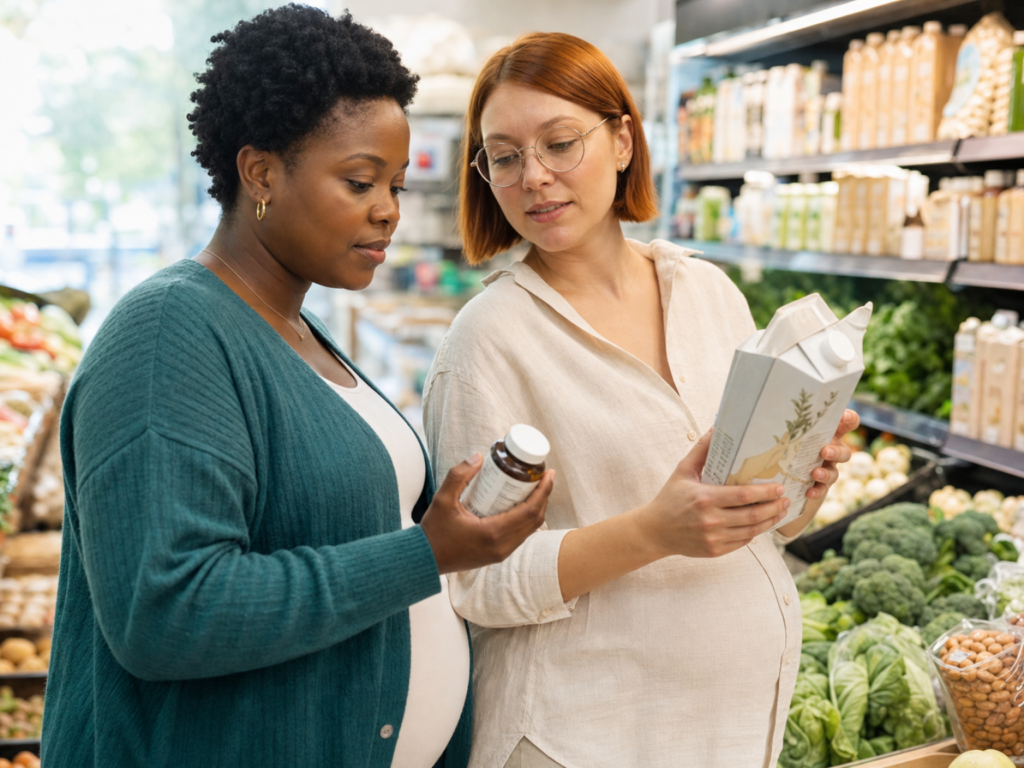
Why dairy gets so much attention in pregnancy Dairy tends to be highlighted in pregnancy because it is a concentrated, familiar source of calcium, protein, and, in many products, vitamin D. Calcium matters for maternal bone health and fetal skeletal mineralization, while protein supports tissue growth and the expanding maternal physiology of pregnancy. That is […]

Can you drink milk and yogurt safety during pregnancy

Can you drink milk and yogurt safety during pregnancy

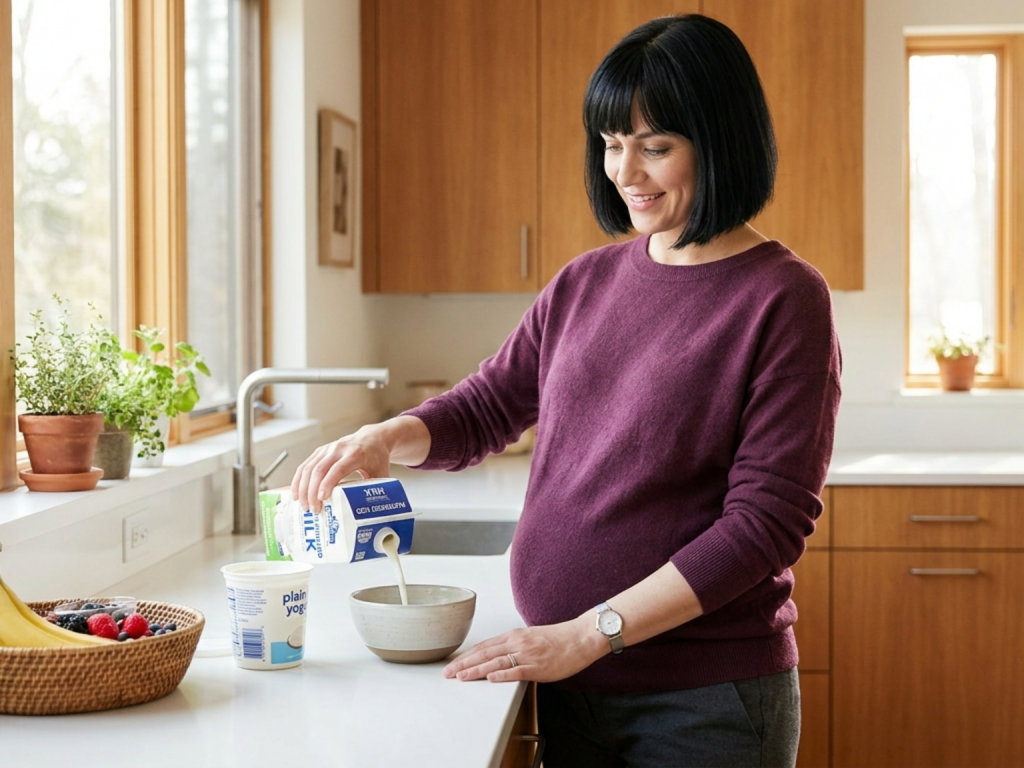
The short answer: yes, usually, if the dairy is pasteurized In most pregnancies, drinking milk and eating yogurt are both considered reasonable parts of a balanced diet. There is no special rule that says the two cannot be consumed together. If they are made from pasteurized milk, kept cold, and tolerated by your digestive system, […]

Healthy eating patterns during pregnancy

Healthy eating patterns during pregnancy

Why the overall eating pattern matters more than perfection Pregnancy increases nutritional demands, but the goal is not a rigid or overly complicated plan. Evidence-based guidance emphasizes a dietary pattern centered on vegetables, fruits, whole grains, protein-rich foods, and unsaturated fats. This approach helps supply energy and micronutrients while also avoiding the nutrient displacement that […]

When Food Feels Hard

When supplements are necessary

When supplements are necessary

Why pregnancy sometimes changes the supplement equation For most adults, the preferred approach is simple: build nutrition around a varied diet and use supplements only when there is a clear reason. Pregnancy makes that principle more complicated because maternal stores, blood volume, tissue growth, and fetal development all increase demand for several nutrients. In that […]

Special diets and medical guidance

Special diets and medical guidance

What counts as a special diet in pregnancy A special diet is any eating pattern that substantially changes the usual balance, amount, timing, or type of foods for a specific reason. Some are chosen for personal, cultural, ethical, or religious reasons, such as vegetarian, vegan, halal, kosher, or fasting-based patterns. Others are therapeutic: gluten-free for […]

High-protein diets in pregnancy

High-protein diets in pregnancy

What counts as a high-protein diet in pregnancy? In everyday conversation, a “high-protein diet” can mean many things: adding extra servings of meat, using protein shakes, choosing specialty bars, or following a structured low-carbohydrate eating pattern that shifts calories toward protein. In pregnancy, those approaches are not equivalent. The key question is not whether protein […]

Keto and low-carb diets during pregnancy risks

Keto and low-carb diets during pregnancy risks

What keto and low-carb mean in pregnancy Keto is a very low-carbohydrate, high-fat eating pattern designed to push the body toward ketosis, a state in which the liver produces ketone bodies from fat. A low-carb diet is broader and may simply mean reducing refined starches and sugars without necessarily reaching sustained ketosis. That distinction matters […]

Cravings during pregnancy explained

Cravings during pregnancy explained

Why cravings happen Research suggests that pregnancy cravings are multifactorial, meaning they arise from several overlapping influences rather than one simple cause. Hormonal changes can alter olfaction and gustation, so foods may smell stronger, taste different, or seem newly appealing. Many pregnant people also notice heightened smell sensitivity, which can make previously neutral foods suddenly […]

Tracking food intake during pregnancy

Tracking food intake during pregnancy

Why tracking matters more than a single recall Pregnancy nutrition is dynamic. In research using repeated food records, daily intake varied markedly within the same pregnant participant and also between participants, which means a single day or a casual memory can miss important nutrient gaps or overestimate how well someone is eating. That matters because […]

Nutrient density vs calories

Nutrient density vs calories

What nutrient density actually means Nutrient density is usually defined as the amount of useful nutrients a food delivers relative to its calorie content. A nutrient-dense food provides a lot of nutrition for comparatively few calories. By contrast, an energy-dense food provides many calories in a small volume, often without a matching amount of vitamins, […]

Managing excessive weight gain

Managing excessive weight gain

Why weight gain can become excessive Pregnancy naturally changes body composition: blood volume expands, the uterus and breasts enlarge, the placenta develops, and the fetus grows. Because of that physiology, some increase on the scale is expected and healthy. Excessive gain means the pattern is rising above what is usually expected for the individual pregnancy, […]

Underweight and overweight pregnancy nutrition

Underweight and overweight pregnancy nutrition

Why weight status changes nutrition planning Prepregnancy weight status is commonly interpreted through body mass index, or BMI, which relates weight to height. BMI is imperfect because it does not directly measure body composition, metabolic health, muscle mass, edema, or social determinants of nutrition. Still, it remains useful at the population and clinical screening level […]

Weight gain diet planning

Weight gain diet planning

Start with individualized pregnancy weight-gain targets Weight gain diet planning in pregnancy begins with context. A person who enters pregnancy with a lower body mass index, a twin pregnancy, persistent nausea, gastrointestinal disease, food insecurity, or a high activity level may need a different strategy from someone with average pre-pregnancy weight and uncomplicated appetite. Your […]

Weight, Cravings & Portions

Special diets and medical guidance

Special diets and medical guidance

What counts as a special diet in pregnancy A special diet is any eating pattern that substantially changes the usual balance, amount, timing, or type of foods for a specific reason. Some are chosen for personal, cultural, ethical, or religious reasons, such as vegetarian, vegan, halal, kosher, or fasting-based patterns. Others are therapeutic: gluten-free for […]

High-protein diets in pregnancy

High-protein diets in pregnancy

What counts as a high-protein diet in pregnancy? In everyday conversation, a “high-protein diet” can mean many things: adding extra servings of meat, using protein shakes, choosing specialty bars, or following a structured low-carbohydrate eating pattern that shifts calories toward protein. In pregnancy, those approaches are not equivalent. The key question is not whether protein […]

Keto and low-carb diets during pregnancy risks

Keto and low-carb diets during pregnancy risks

What keto and low-carb mean in pregnancy Keto is a very low-carbohydrate, high-fat eating pattern designed to push the body toward ketosis, a state in which the liver produces ketone bodies from fat. A low-carb diet is broader and may simply mean reducing refined starches and sugars without necessarily reaching sustained ketosis. That distinction matters […]

Cravings during pregnancy explained

Cravings during pregnancy explained

Why cravings happen Research suggests that pregnancy cravings are multifactorial, meaning they arise from several overlapping influences rather than one simple cause. Hormonal changes can alter olfaction and gustation, so foods may smell stronger, taste different, or seem newly appealing. Many pregnant people also notice heightened smell sensitivity, which can make previously neutral foods suddenly […]

Tracking food intake during pregnancy

Tracking food intake during pregnancy

Why tracking matters more than a single recall Pregnancy nutrition is dynamic. In research using repeated food records, daily intake varied markedly within the same pregnant participant and also between participants, which means a single day or a casual memory can miss important nutrient gaps or overestimate how well someone is eating. That matters because […]

Nutrient density vs calories

Nutrient density vs calories

What nutrient density actually means Nutrient density is usually defined as the amount of useful nutrients a food delivers relative to its calorie content. A nutrient-dense food provides a lot of nutrition for comparatively few calories. By contrast, an energy-dense food provides many calories in a small volume, often without a matching amount of vitamins, […]

Managing excessive weight gain

Managing excessive weight gain

Why weight gain can become excessive Pregnancy naturally changes body composition: blood volume expands, the uterus and breasts enlarge, the placenta develops, and the fetus grows. Because of that physiology, some increase on the scale is expected and healthy. Excessive gain means the pattern is rising above what is usually expected for the individual pregnancy, […]

Underweight and overweight pregnancy nutrition

Underweight and overweight pregnancy nutrition

Why weight status changes nutrition planning Prepregnancy weight status is commonly interpreted through body mass index, or BMI, which relates weight to height. BMI is imperfect because it does not directly measure body composition, metabolic health, muscle mass, edema, or social determinants of nutrition. Still, it remains useful at the population and clinical screening level […]

Weight gain diet planning

Weight gain diet planning

Start with individualized pregnancy weight-gain targets Weight gain diet planning in pregnancy begins with context. A person who enters pregnancy with a lower body mass index, a twin pregnancy, persistent nausea, gastrointestinal disease, food insecurity, or a high activity level may need a different strategy from someone with average pre-pregnancy weight and uncomplicated appetite. Your […]

Heartburn-friendly foods and foods to avoid with acid reflux

Heartburn-friendly foods and foods to avoid with acid reflux

Why reflux can intensify during pregnancy Pregnancy changes digestion in several ways, and reflux is one of the most common consequences. Progesterone can relax smooth muscle, including the lower esophageal sphincter, which normally helps keep stomach contents where they belong. As pregnancy progresses, the enlarging uterus also increases intra-abdominal pressure, making upward movement of gastric […]

Special Diets & Supplements

When supplements are necessary

When supplements are necessary

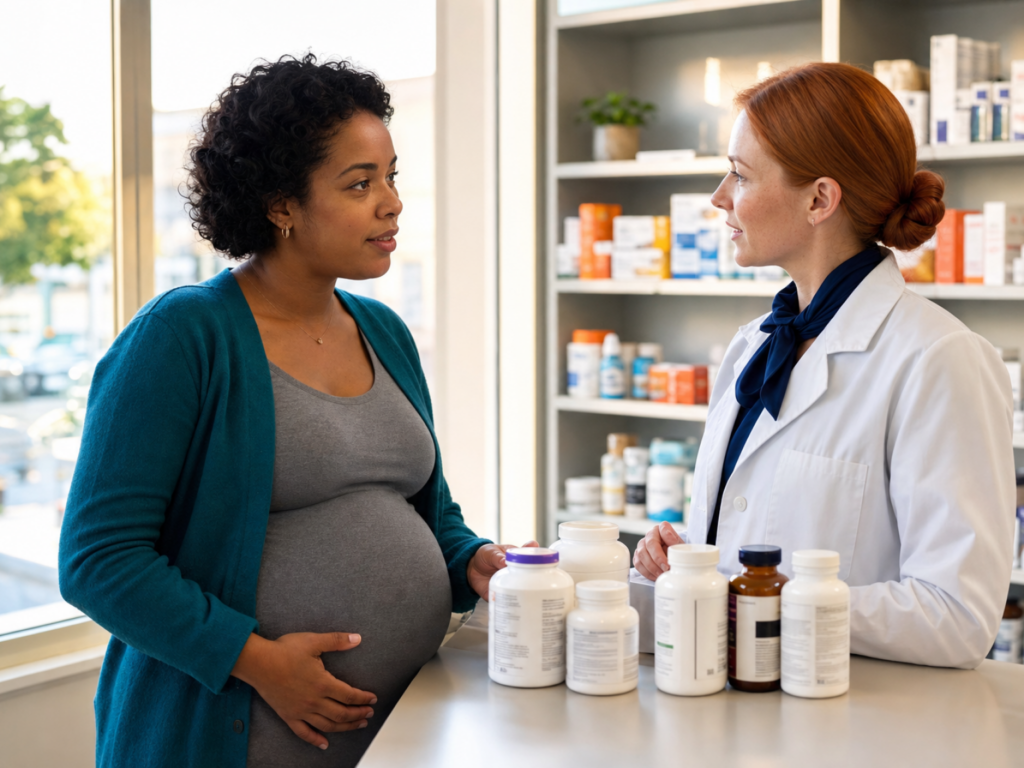
Why pregnancy sometimes changes the supplement equation For most adults, the preferred approach is simple: build nutrition around a varied diet and use supplements only when there is a clear reason. Pregnancy makes that principle more complicated because maternal stores, blood volume, tissue growth, and fetal development all increase demand for several nutrients. In that […]

Special diets and medical guidance

Special diets and medical guidance

What counts as a special diet in pregnancy A special diet is any eating pattern that substantially changes the usual balance, amount, timing, or type of foods for a specific reason. Some are chosen for personal, cultural, ethical, or religious reasons, such as vegetarian, vegan, halal, kosher, or fasting-based patterns. Others are therapeutic: gluten-free for […]

High-protein diets in pregnancy

High-protein diets in pregnancy

What counts as a high-protein diet in pregnancy? In everyday conversation, a “high-protein diet” can mean many things: adding extra servings of meat, using protein shakes, choosing specialty bars, or following a structured low-carbohydrate eating pattern that shifts calories toward protein. In pregnancy, those approaches are not equivalent. The key question is not whether protein […]

Keto and low-carb diets during pregnancy risks

Keto and low-carb diets during pregnancy risks

What keto and low-carb mean in pregnancy Keto is a very low-carbohydrate, high-fat eating pattern designed to push the body toward ketosis, a state in which the liver produces ketone bodies from fat. A low-carb diet is broader and may simply mean reducing refined starches and sugars without necessarily reaching sustained ketosis. That distinction matters […]

Supplements during pregnancy overview

Supplements during pregnancy overview

Why supplements are used in pregnancy Pregnancy is a physiologic state of increased nutritional demand. The need for some nutrients rises because of expanded maternal tissues, increased red blood cell mass, placental function, fetal growth, and preparation for lactation. Even nutritionally adequate diets may not reliably provide optimal amounts of certain micronutrients every day. Prenatal […]

Vegetarian and vegan pregnancy diet safety

Vegetarian and vegan pregnancy diet safety

Can a vegetarian or vegan diet be safe in pregnancy? Yes, a vegetarian or vegan diet can be compatible with a healthy pregnancy when it is well planned. Reviews of the evidence and national nutrition guidance consistently emphasize that plant-based pregnancies require attention to adequacy rather than being unsafe by default. The practical concern is […]

FAQ — Pregnancy

When should I start preparing for pregnancy?

Many people begin preparing several months before trying to conceive. This time can be used to improve everyday habits, focus on balanced nutrition, get enough sleep, and discuss future plans with a partner.

How do I know when I am most likely to get pregnant?

The days leading up to ovulation and the day of ovulation are generally the most fertile part of the cycle. A cycle calendar, ovulation tests, body changes, or a tracking app may help identify these days.

What changes are common during pregnancy?

Pregnancy can bring changes in energy, appetite, sleep, mood, body shape, and everyday comfort. Every pregnancy is different, and experiences may change from one stage to another.

How can I prepare for the baby during pregnancy?

Preparation can include organizing essential supplies, planning the baby’s sleeping space, discussing family responsibilities, and learning about newborn care. Completing tasks gradually can help reduce pressure.

How can I improve my chances of getting pregnant?

Learning about the menstrual cycle and fertile window can help with timing. Regular intercourse, a balanced lifestyle, sufficient rest, and managing stress may also support the process.

How can we make trying to conceive less stressful?

Try to maintain normal routines, communicate openly with your partner, and make time for activities unrelated to pregnancy. Tracking can be useful, but it should not make the process feel overwhelming.

How can I stay comfortable during pregnancy?

Supportive clothing, regular rest, gentle movement, comfortable sleeping positions, and adjusting daily activities may help. Small practical changes can make everyday life more manageable as the body changes.

How can I enjoy pregnancy without trying to do everything perfectly?

Focus on the choices and preparations that matter most to you and your family. Pregnancy does not need to look perfect, and it is normal to experience joyful, difficult, and uncertain days.