Early Pregnancy (0–6 Weeks)

The first weeks of pregnancy can feel strange because so much is happening inside the body before anything is visible. You may be waiting for test results, watching every symptom, worrying about cramps or spotting, and wondering when pregnancy can finally be confirmed.

This page explains early pregnancy from conception to week 6, including fertilization, implantation, embryo development, hCG levels, hormone changes, early symptoms, bleeding, cramping, discharge, ultrasound timing, and what to do after a positive test. It helps make the uncertain first weeks easier to understand.

Early Pregnancy Basics

Early pregnancy lifestyle basics

Early pregnancy lifestyle basics

Start with the goal: stability, not strictness In the first trimester, many people feel torn between wanting to do everything perfectly and feeling too tired, nauseated, or overwhelmed to do much at all. A more helpful framing is to aim for stability: regular meals, adequate fluids, a safe activity level, and avoidance of known harms. […]

How to support your body in early pregnancy

How to support your body in early pregnancy

1. Understand the physiology before trying to "fix" the symptoms Body changes in early pregnancy are often the first clue that your physiology is shifting. After implantation, rising hCG and progesterone help sustain the pregnancy, but they also influence the brain, gut, blood vessels, and smooth muscle. That is why some people notice breast tenderness, […]

Early pregnancy checklist after conception

Early pregnancy checklist after conception

The first 24 to 72 hours: confirm the pregnancy and book care If conception is suspected or a home test is positive, the first practical step is to arrange early prenatal care. NHS guidance recommends booking with a midwife or GP, while ACOG advises establishing prenatal care as soon as possible. Early booking allows the […]

Early pregnancy safety basics

Early pregnancy safety basics

Start with early prenatal contact If you have a positive pregnancy test, arranging prenatal care is one of the most useful safety steps you can take. Early contact with an obstetrician, midwife, family physician, or other pregnancy clinician helps confirm timing, review health history, and identify factors that may need closer follow-up. This is especially […]

What to avoid in early pregnancy

What to avoid in early pregnancy

Foodborne infections and high-risk foods Early pregnancy changes immune function in ways that can make some infections more serious for the pregnant person and the developing fetus. This is why foods to avoid in pregnancy are often emphasized early, even before a visible bump appears. The main concerns are organisms such as Listeria monocytogenes, Salmonella, […]

Early pregnancy care basics

Early pregnancy care basics

Why early prenatal care matters As soon as pregnancy is suspected or confirmed, it is wise to arrange prenatal care. The first visit is not only about hearing a heartbeat or ordering tests; it is a chance to establish dates, review your medical history, and identify factors that may change pregnancy management, such as hypertension, […]

Early pregnancy confirmation methods

Early pregnancy confirmation methods

What early confirmation is actually trying to prove Early pregnancy confirmation is less about finding a single magical sign and more about building evidence. In most clinical settings, the goal is to show that hCG is present, that it is changing in a pattern compatible with pregnancy, and that the pregnancy is located where it […]

Early nausea and when it begins

Early nausea and when it begins

When early nausea usually begins In clinical practice, morning sickness most often begins in the first trimester, commonly between 4 and 7 weeks of gestation when pregnancy is dated from the last menstrual period. A major review found that symptoms typically start in that window and resolve by about 16 weeks in roughly 90% of […]

Changes in appetite and food aversions in early pregnancy

Changes in appetite and food aversions in early pregnancy

Why appetite can change so early Appetite changes can begin before a pregnancy is outwardly visible. Early pregnancy endocrine adaptation affects the central nervous system, gastrointestinal tract, and sensory processing. Human chorionic gonadotropin rises rapidly in the first trimester and is often discussed alongside nausea and vomiting of pregnancy. Progesterone contributes to progesterone-related smooth muscle […]

Mood changes and hormonal mood swings explained

Mood changes and hormonal mood swings explained

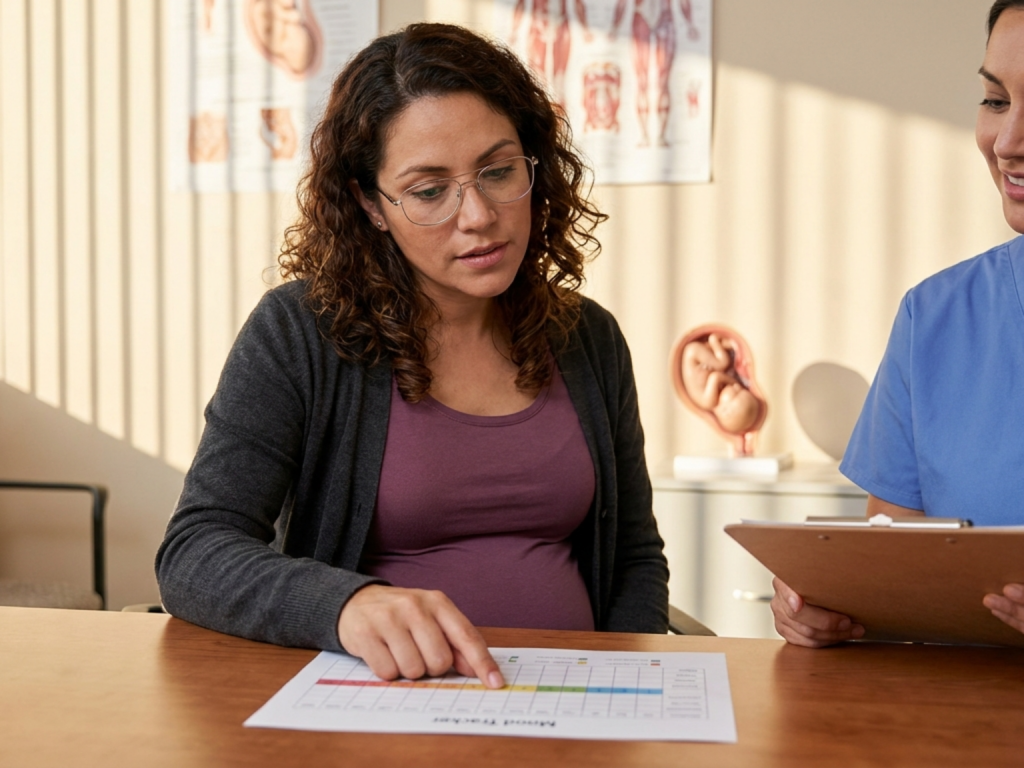
What pregnancy mood changes can feel like Pregnancy mood swings may feel like rapid shifts in emotional intensity: irritability followed by guilt, sudden crying, heightened sensitivity, brief euphoria, anxiety about the baby, or frustration with ordinary demands. For some, the first trimester is the most volatile because nausea, fatigue, breast tenderness, and uncertainty coincide with […]

Popular Service

From Fertilization to Implantation

Cell division after fertilization explained

Cell division after fertilization explained

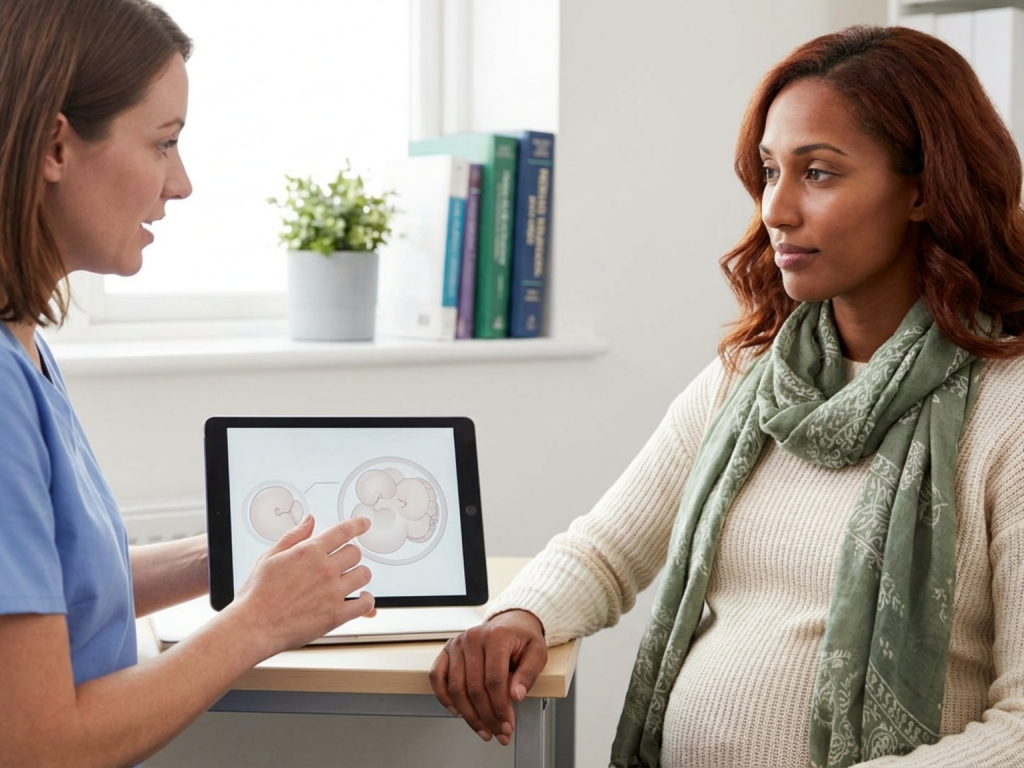
What changes right after fertilization Fertilization creates a zygote, but that is not the end of the story; it is the beginning of a major cellular transition. In the oocyte, the chromosomal program is built for meiosis, the special division that produces a mature egg. After sperm entry, the egg completes meiosis and then reorganizes […]

First biological changes after conception

First biological changes after conception

Fertilization: the first new cell Conception begins when a sperm penetrates the oocyte and the two sets of genetic material combine to form a zygote. This single cell contains a complete genome and marks the start of a new developmental program. In practical terms, this is the first biologic change after conception: a fertilized cell […]

Early pregnancy timeline summary

Early pregnancy timeline summary

How pregnancy is dated In obstetrics, pregnancy is usually counted from the first day of the last menstrual period, not from the day of conception. That means gestational age is typically about two weeks ahead of fertilization age in a person with a 28-day cycle. This approach gives clinicians a standardized starting point, even though […]

Complete guide to early pregnancy from conception to week 6

Complete guide to early pregnancy from conception to week 6

How pregnancy is dated from conception to week 6 In everyday language, conception and pregnancy are often treated as the same moment, but medically they are not. Fertilization usually occurs near ovulation, and pregnancy dating typically begins on the first day of the last menstrual period. That means a person who is “6 weeks pregnant” […]

Early miscarriage causes and risks

Early miscarriage causes and risks

What is early miscarriage? Early miscarriage generally refers to pregnancy loss before 13 weeks of gestation. ACOG uses the term early pregnancy loss for a nonviable intrauterine pregnancy in the first trimester. The NHS defines miscarriage more broadly as the loss of a pregnancy during the first 23 weeks, with many losses occurring early. Early […]
Chemical pregnancy explained

Chemical pregnancy explained

What is a chemical pregnancy? A chemical pregnancy is a pregnancy that implants and begins producing hCG but stops developing very early, usually before the fifth week of pregnancy. Because it happens so early, an ultrasound typically cannot yet identify a gestational sac, yolk sac, embryo, or heartbeat. The pregnancy is therefore recognized chemically, through […]

Two-week wait explained and what happens during this period

Two-week wait explained and what happens during this period

What is the two-week wait? The two-week wait is the period after ovulation when conception may have occurred but pregnancy cannot yet be confirmed reliably. In a typical menstrual cycle, ovulation occurs roughly 12–16 days before the next period. The time after ovulation is called the luteal phase. It is supported by the corpus luteum, […]

No symptoms in early pregnancy and whether it is normal

No symptoms in early pregnancy and whether it is normal

Can you be pregnant with no symptoms? Yes. A person can be pregnant and have no obvious symptoms, particularly very early on. The NHS notes that pregnancy symptoms vary from person to person and that some people may not notice any symptoms at the beginning. Cleveland Clinic similarly emphasizes that everyone experiences pregnancy differently: some […]

Implantation bleeding explained

Implantation bleeding explained

What is implantation bleeding? Implantation bleeding is a small amount of spotting that can occur when an early embryo implants into the uterine lining. After ovulation, fertilization may occur in the fallopian tube. Over the next several days, the fertilized egg divides and becomes a blastocyst. Implantation happens when this blastocyst attaches to the endometrium […]

Body changes in early pregnancy

Body changes in early pregnancy

The biology behind early body changes Early pregnancy begins before many people have any visible sign of it. After fertilization and implantation, the developing pregnancy produces human chorionic gonadotropin, or hCG, which helps maintain ovarian progesterone production. Progesterone supports the endometrium and relaxes smooth muscle, while estrogen contributes to breast, uterine, and vascular adaptation. Together, […]

Hormones & Early Body Changes

Uterine and cervix changes after conception

Uterine and cervix changes after conception

The uterus begins to remodel almost immediately Once implantation occurs, the uterus shifts from a cyclic reproductive organ to a pregnancy-supporting organ. The endometrium transforms into decidua, a specialized lining that nourishes early placental development and helps anchor the conceptus. This process is closely linked with implantation and hCG production, which stabilize the corpus luteum […]

Progesterone and estrogen roles after conception

Progesterone and estrogen roles after conception

Why conception changes the hormonal balance In a non-pregnant cycle, the corpus luteum forms after ovulation and then regresses if implantation does not occur. After conception, the developing trophoblast begins producing human chorionic gonadotropin (hCG), which rescues the corpus luteum and keeps it functioning. That early rescue is the bridge between ovulation and a sustained […]


Body changes in early pregnancy

Body changes in early pregnancy

The biology behind early body changes Early pregnancy begins before many people have any visible sign of it. After fertilization and implantation, the developing pregnancy produces human chorionic gonadotropin, or hCG, which helps maintain ovarian progesterone production. Progesterone supports the endometrium and relaxes smooth muscle, while estrogen contributes to breast, uterine, and vascular adaptation. Together, […]

Hormonal changes in early pregnancy

Hormonal changes in early pregnancy

The endocrine reset after implantation Early pregnancy begins with a major communication shift between the developing embryo, the ovary, the uterus, and later the placenta. After ovulation, the corpus luteum in the ovary produces progesterone and some estrogen. In a non-pregnant cycle, corpus luteum function declines if no embryonic signal arrives. With implantation, trophoblast cells […]

hCG levels and how they rise in early pregnancy

hCG levels and how they rise in early pregnancy

What hCG is Human chorionic gonadotropin is a glycoprotein hormone produced by trophoblastic cells, which later contribute to the placenta. After implantation, hCG enters the maternal bloodstream and can then be filtered into urine. This is why both blood and urine pregnancy tests rely on hCG detection. Biologically, hCG plays a key role in rescuing […]

hCG hormone explained

hCG hormone explained

What is hCG? Human chorionic gonadotropin is a glycoprotein hormone produced predominantly by cells that form the placenta. More specifically, early placental trophoblast tissue begins producing hCG after implantation, when the embryo attaches to the uterine lining and begins establishing a maternal-fetal interface. hCG is structurally related to other pituitary glycoprotein hormones, including luteinizing hormone, […]

Early Pregnancy Symptoms

Early nausea and when it begins

Early nausea and when it begins

When early nausea usually begins In clinical practice, morning sickness most often begins in the first trimester, commonly between 4 and 7 weeks of gestation when pregnancy is dated from the last menstrual period. A major review found that symptoms typically start in that window and resolve by about 16 weeks in roughly 90% of […]

Changes in appetite and food aversions in early pregnancy

Changes in appetite and food aversions in early pregnancy

Why appetite can change so early Appetite changes can begin before a pregnancy is outwardly visible. Early pregnancy endocrine adaptation affects the central nervous system, gastrointestinal tract, and sensory processing. Human chorionic gonadotropin rises rapidly in the first trimester and is often discussed alongside nausea and vomiting of pregnancy. Progesterone contributes to progesterone-related smooth muscle […]

Mood changes and hormonal mood swings explained

Mood changes and hormonal mood swings explained

What pregnancy mood changes can feel like Pregnancy mood swings may feel like rapid shifts in emotional intensity: irritability followed by guilt, sudden crying, heightened sensitivity, brief euphoria, anxiety about the baby, or frustration with ordinary demands. For some, the first trimester is the most volatile because nausea, fatigue, breast tenderness, and uncertainty coincide with […]

Breast changes and nipple sensitivity after conception

Breast changes and nipple sensitivity after conception

Why breasts may change soon after conception After conception, the endocrine environment changes quickly. Human chorionic gonadotropin supports the corpus luteum, which continues producing progesterone in early pregnancy. Estrogen and progesterone rise, prolactin signaling becomes increasingly relevant, and local growth factors help breast tissue remodel. This hormonal pattern prepares the mammary glands for later milk […]

Bloating gas and digestion changes in early pregnancy

Bloating gas and digestion changes in early pregnancy

Why digestion can feel different so early Early pregnancy is not just a gynecologic event; it is a whole-body endocrine and metabolic transition. Hormonal changes in early pregnancy begin soon after conception and implantation, and the gastrointestinal tract is highly responsive to these signals. Progesterone, produced first by the corpus luteum and later increasingly supported […]

Early pregnancy fatigue and energy level changes

Early pregnancy fatigue and energy level changes

What early pregnancy fatigue feels like Many people describe first-trimester fatigue as more than feeling sleepy. It may feel like reduced stamina, slower thinking, a lower tolerance for daily tasks, or an almost irresistible need to nap. Some notice that they can sleep well overnight and still wake up exhausted. Others feel their energy crash […]

Early pregnancy vs PMS symptoms and how to tell the difference

Early pregnancy vs PMS symptoms and how to tell the difference

Why PMS and early pregnancy can feel alike After ovulation, the body enters the luteal phase. Progesterone rises, the endometrium becomes more receptive, and many people notice physical or emotional symptoms. If pregnancy does not occur, progesterone and estrogen eventually fall, triggering menstruation. If pregnancy does occur, hormonal signaling changes direction: the developing pregnancy produces […]

No symptoms in early pregnancy and whether it is normal

No symptoms in early pregnancy and whether it is normal

Can you be pregnant with no symptoms? Yes. A person can be pregnant and have no obvious symptoms, particularly very early on. The NHS notes that pregnancy symptoms vary from person to person and that some people may not notice any symptoms at the beginning. Cleveland Clinic similarly emphasizes that everyone experiences pregnancy differently: some […]

Early pregnancy symptoms before missed period

Early pregnancy symptoms before missed period

Why symptoms can appear before a missed period Pregnancy begins biologically before most people can detect it. After ovulation, an egg may be fertilized in the fallopian tube and then travel toward the uterus. If implantation occurs, cells that will become the placenta begin producing human chorionic gonadotropin, or hCG. This hormone supports the corpus […]

Spotting, Cramping & Discharge

Early pregnancy safety basics

Early pregnancy safety basics

Start with early prenatal contact If you have a positive pregnancy test, arranging prenatal care is one of the most useful safety steps you can take. Early contact with an obstetrician, midwife, family physician, or other pregnancy clinician helps confirm timing, review health history, and identify factors that may need closer follow-up. This is especially […]

What to avoid in early pregnancy

What to avoid in early pregnancy

Foodborne infections and high-risk foods Early pregnancy changes immune function in ways that can make some infections more serious for the pregnant person and the developing fetus. This is why foods to avoid in pregnancy are often emphasized early, even before a visible bump appears. The main concerns are organisms such as Listeria monocytogenes, Salmonella, […]

Progesterone and estrogen roles after conception

Progesterone and estrogen roles after conception

Why conception changes the hormonal balance In a non-pregnant cycle, the corpus luteum forms after ovulation and then regresses if implantation does not occur. After conception, the developing trophoblast begins producing human chorionic gonadotropin (hCG), which rescues the corpus luteum and keeps it functioning. That early rescue is the bridge between ovulation and a sustained […]

First biological changes after conception

First biological changes after conception

Fertilization: the first new cell Conception begins when a sperm penetrates the oocyte and the two sets of genetic material combine to form a zygote. This single cell contains a complete genome and marks the start of a new developmental program. In practical terms, this is the first biologic change after conception: a fertilized cell […]

Full early pregnancy overview for beginners

Full early pregnancy overview for beginners

What early pregnancy means In everyday language, people often think of early pregnancy as the time right after a positive test or the first missed period. Clinically, it usually refers to the first trimester, or weeks 1 through 12 of gestational age. That date is counted from the last menstrual period, even though ovulation and […]

Complete guide to early pregnancy from conception to week 6

Complete guide to early pregnancy from conception to week 6

How pregnancy is dated from conception to week 6 In everyday language, conception and pregnancy are often treated as the same moment, but medically they are not. Fertilization usually occurs near ovulation, and pregnancy dating typically begins on the first day of the last menstrual period. That means a person who is “6 weeks pregnant” […]

What to do after a positive pregnancy test

What to do after a positive pregnancy test

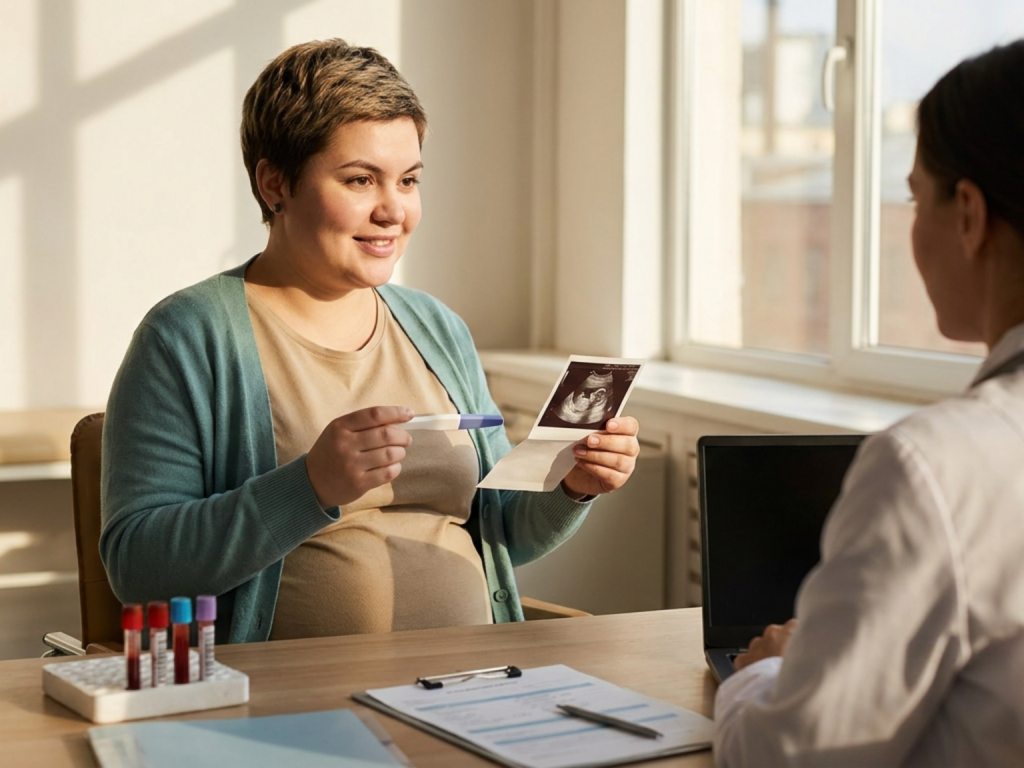
Take a breath, then confirm the basics First, pause. A positive pregnancy test can feel like a turning point, especially if the result was unexpected. You do not need to solve every medical, financial, or family question immediately. Start with the fundamentals: when your last menstrual period began, when you took the test, whether you […]

Early ultrasound expectations

Early ultrasound expectations

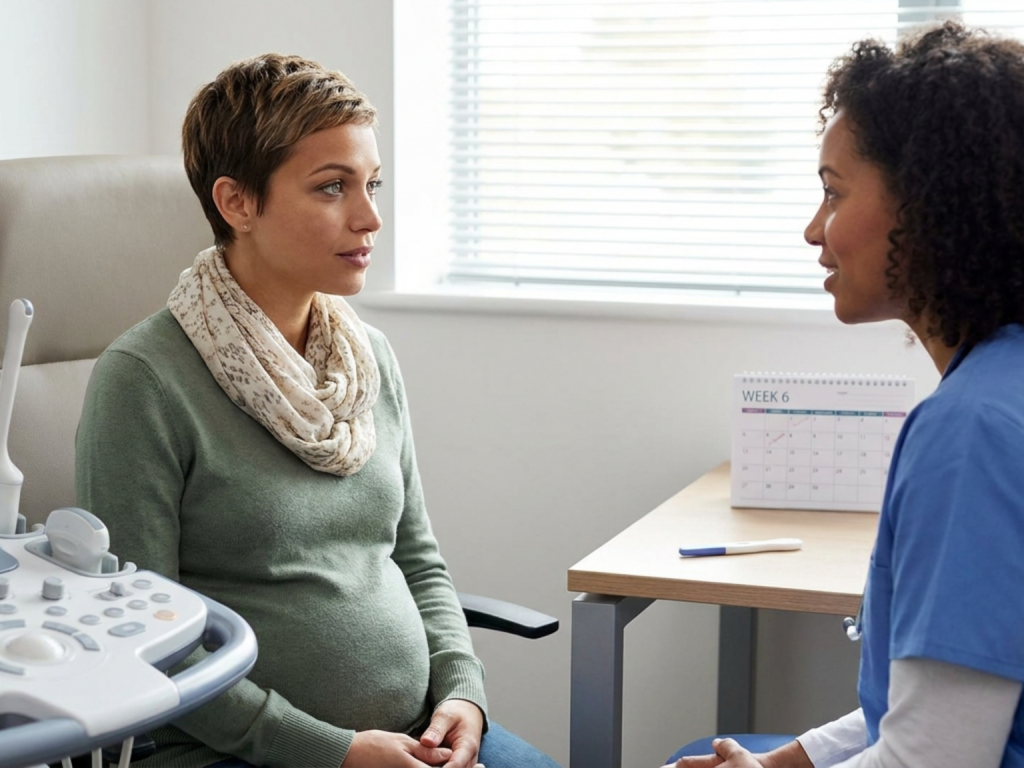
Why an early ultrasound may be performed Many pregnancies do not require an ultrasound immediately after a positive test. In routine care, a dating scan is often performed later in the first trimester, depending on the healthcare system and individual circumstances. However, an earlier ultrasound may be recommended when there is vaginal bleeding, pelvic pain, […]

Low hCG levels and slow rising hCG explained

Low hCG levels and slow rising hCG explained

What hCG is and why it matters in early pregnancy Human chorionic gonadotropin, usually called hCG, is a hormone produced after implantation by trophoblastic tissue, which later contributes to the placenta. It helps support the corpus luteum, allowing progesterone production to continue in the early weeks of pregnancy. Progesterone helps maintain the uterine lining while […]

Ectopic pregnancy early signs and when to suspect it

Ectopic pregnancy early signs and when to suspect it

What an ectopic pregnancy is In a typical intrauterine pregnancy, the fertilized egg travels through the fallopian tube and implants in the lining of the uterus. In an ectopic pregnancy, implantation occurs outside the uterine cavity. The fallopian tube is the most common location, but ectopic pregnancies can also occur in the ovary, cervix, cesarean-scar […]

Tests, hCG & Ultrasound

Early pregnancy checklist after conception

Early pregnancy checklist after conception

The first 24 to 72 hours: confirm the pregnancy and book care If conception is suspected or a home test is positive, the first practical step is to arrange early prenatal care. NHS guidance recommends booking with a midwife or GP, while ACOG advises establishing prenatal care as soon as possible. Early booking allows the […]

Early pregnancy care basics

Early pregnancy care basics

Why early prenatal care matters As soon as pregnancy is suspected or confirmed, it is wise to arrange prenatal care. The first visit is not only about hearing a heartbeat or ordering tests; it is a chance to establish dates, review your medical history, and identify factors that may change pregnancy management, such as hypertension, […]

Early pregnancy confirmation methods

Early pregnancy confirmation methods

What early confirmation is actually trying to prove Early pregnancy confirmation is less about finding a single magical sign and more about building evidence. In most clinical settings, the goal is to show that hCG is present, that it is changing in a pattern compatible with pregnancy, and that the pregnancy is located where it […]

Changes in appetite and food aversions in early pregnancy

Changes in appetite and food aversions in early pregnancy

Why appetite can change so early Appetite changes can begin before a pregnancy is outwardly visible. Early pregnancy endocrine adaptation affects the central nervous system, gastrointestinal tract, and sensory processing. Human chorionic gonadotropin rises rapidly in the first trimester and is often discussed alongside nausea and vomiting of pregnancy. Progesterone contributes to progesterone-related smooth muscle […]

Early pregnancy fatigue and energy level changes

Early pregnancy fatigue and energy level changes

What early pregnancy fatigue feels like Many people describe first-trimester fatigue as more than feeling sleepy. It may feel like reduced stamina, slower thinking, a lower tolerance for daily tasks, or an almost irresistible need to nap. Some notice that they can sleep well overnight and still wake up exhausted. Others feel their energy crash […]

First biological changes after conception

First biological changes after conception

Fertilization: the first new cell Conception begins when a sperm penetrates the oocyte and the two sets of genetic material combine to form a zygote. This single cell contains a complete genome and marks the start of a new developmental program. In practical terms, this is the first biologic change after conception: a fertilized cell […]

Full early pregnancy overview for beginners

Full early pregnancy overview for beginners

What early pregnancy means In everyday language, people often think of early pregnancy as the time right after a positive test or the first missed period. Clinically, it usually refers to the first trimester, or weeks 1 through 12 of gestational age. That date is counted from the last menstrual period, even though ovulation and […]

Early pregnancy timeline summary

Early pregnancy timeline summary

How pregnancy is dated In obstetrics, pregnancy is usually counted from the first day of the last menstrual period, not from the day of conception. That means gestational age is typically about two weeks ahead of fertilization age in a person with a 28-day cycle. This approach gives clinicians a standardized starting point, even though […]

Complete guide to early pregnancy from conception to week 6

Complete guide to early pregnancy from conception to week 6

How pregnancy is dated from conception to week 6 In everyday language, conception and pregnancy are often treated as the same moment, but medically they are not. Fertilization usually occurs near ovulation, and pregnancy dating typically begins on the first day of the last menstrual period. That means a person who is “6 weeks pregnant” […]

What to do after a positive pregnancy test

What to do after a positive pregnancy test

Take a breath, then confirm the basics First, pause. A positive pregnancy test can feel like a turning point, especially if the result was unexpected. You do not need to solve every medical, financial, or family question immediately. Start with the fundamentals: when your last menstrual period began, when you took the test, whether you […]

When to Call the Doctor

Early pregnancy lifestyle basics

Early pregnancy lifestyle basics

Start with the goal: stability, not strictness In the first trimester, many people feel torn between wanting to do everything perfectly and feeling too tired, nauseated, or overwhelmed to do much at all. A more helpful framing is to aim for stability: regular meals, adequate fluids, a safe activity level, and avoidance of known harms. […]

How to support your body in early pregnancy

How to support your body in early pregnancy

1. Understand the physiology before trying to "fix" the symptoms Body changes in early pregnancy are often the first clue that your physiology is shifting. After implantation, rising hCG and progesterone help sustain the pregnancy, but they also influence the brain, gut, blood vessels, and smooth muscle. That is why some people notice breast tenderness, […]

Early pregnancy checklist after conception

Early pregnancy checklist after conception

The first 24 to 72 hours: confirm the pregnancy and book care If conception is suspected or a home test is positive, the first practical step is to arrange early prenatal care. NHS guidance recommends booking with a midwife or GP, while ACOG advises establishing prenatal care as soon as possible. Early booking allows the […]

Early pregnancy safety basics

Early pregnancy safety basics

Start with early prenatal contact If you have a positive pregnancy test, arranging prenatal care is one of the most useful safety steps you can take. Early contact with an obstetrician, midwife, family physician, or other pregnancy clinician helps confirm timing, review health history, and identify factors that may need closer follow-up. This is especially […]

What to avoid in early pregnancy

What to avoid in early pregnancy

Foodborne infections and high-risk foods Early pregnancy changes immune function in ways that can make some infections more serious for the pregnant person and the developing fetus. This is why foods to avoid in pregnancy are often emphasized early, even before a visible bump appears. The main concerns are organisms such as Listeria monocytogenes, Salmonella, […]

Early pregnancy care basics

Early pregnancy care basics

Why early prenatal care matters As soon as pregnancy is suspected or confirmed, it is wise to arrange prenatal care. The first visit is not only about hearing a heartbeat or ordering tests; it is a chance to establish dates, review your medical history, and identify factors that may change pregnancy management, such as hypertension, […]

Early pregnancy confirmation methods

Early pregnancy confirmation methods

What early confirmation is actually trying to prove Early pregnancy confirmation is less about finding a single magical sign and more about building evidence. In most clinical settings, the goal is to show that hCG is present, that it is changing in a pattern compatible with pregnancy, and that the pregnancy is located where it […]

Early nausea and when it begins

Early nausea and when it begins

When early nausea usually begins In clinical practice, morning sickness most often begins in the first trimester, commonly between 4 and 7 weeks of gestation when pregnancy is dated from the last menstrual period. A major review found that symptoms typically start in that window and resolve by about 16 weeks in roughly 90% of […]

Changes in appetite and food aversions in early pregnancy

Changes in appetite and food aversions in early pregnancy

Why appetite can change so early Appetite changes can begin before a pregnancy is outwardly visible. Early pregnancy endocrine adaptation affects the central nervous system, gastrointestinal tract, and sensory processing. Human chorionic gonadotropin rises rapidly in the first trimester and is often discussed alongside nausea and vomiting of pregnancy. Progesterone contributes to progesterone-related smooth muscle […]

Mood changes and hormonal mood swings explained

Mood changes and hormonal mood swings explained

What pregnancy mood changes can feel like Pregnancy mood swings may feel like rapid shifts in emotional intensity: irritability followed by guilt, sudden crying, heightened sensitivity, brief euphoria, anxiety about the baby, or frustration with ordinary demands. For some, the first trimester is the most volatile because nausea, fatigue, breast tenderness, and uncertainty coincide with […]

Care in the First Weeks

Early pregnancy lifestyle basics

Early pregnancy lifestyle basics

Start with the goal: stability, not strictness In the first trimester, many people feel torn between wanting to do everything perfectly and feeling too tired, nauseated, or overwhelmed to do much at all. A more helpful framing is to aim for stability: regular meals, adequate fluids, a safe activity level, and avoidance of known harms. […]

How to support your body in early pregnancy

How to support your body in early pregnancy

1. Understand the physiology before trying to "fix" the symptoms Body changes in early pregnancy are often the first clue that your physiology is shifting. After implantation, rising hCG and progesterone help sustain the pregnancy, but they also influence the brain, gut, blood vessels, and smooth muscle. That is why some people notice breast tenderness, […]

Early pregnancy checklist after conception

Early pregnancy checklist after conception

The first 24 to 72 hours: confirm the pregnancy and book care If conception is suspected or a home test is positive, the first practical step is to arrange early prenatal care. NHS guidance recommends booking with a midwife or GP, while ACOG advises establishing prenatal care as soon as possible. Early booking allows the […]

Early pregnancy safety basics

Early pregnancy safety basics

Start with early prenatal contact If you have a positive pregnancy test, arranging prenatal care is one of the most useful safety steps you can take. Early contact with an obstetrician, midwife, family physician, or other pregnancy clinician helps confirm timing, review health history, and identify factors that may need closer follow-up. This is especially […]

What to avoid in early pregnancy

What to avoid in early pregnancy

Foodborne infections and high-risk foods Early pregnancy changes immune function in ways that can make some infections more serious for the pregnant person and the developing fetus. This is why foods to avoid in pregnancy are often emphasized early, even before a visible bump appears. The main concerns are organisms such as Listeria monocytogenes, Salmonella, […]

Early pregnancy care basics

Early pregnancy care basics

Why early prenatal care matters As soon as pregnancy is suspected or confirmed, it is wise to arrange prenatal care. The first visit is not only about hearing a heartbeat or ordering tests; it is a chance to establish dates, review your medical history, and identify factors that may change pregnancy management, such as hypertension, […]

Early pregnancy confirmation methods

Early pregnancy confirmation methods

What early confirmation is actually trying to prove Early pregnancy confirmation is less about finding a single magical sign and more about building evidence. In most clinical settings, the goal is to show that hCG is present, that it is changing in a pattern compatible with pregnancy, and that the pregnancy is located where it […]

Early nausea and when it begins

Early nausea and when it begins

When early nausea usually begins In clinical practice, morning sickness most often begins in the first trimester, commonly between 4 and 7 weeks of gestation when pregnancy is dated from the last menstrual period. A major review found that symptoms typically start in that window and resolve by about 16 weeks in roughly 90% of […]

Changes in appetite and food aversions in early pregnancy

Changes in appetite and food aversions in early pregnancy

Why appetite can change so early Appetite changes can begin before a pregnancy is outwardly visible. Early pregnancy endocrine adaptation affects the central nervous system, gastrointestinal tract, and sensory processing. Human chorionic gonadotropin rises rapidly in the first trimester and is often discussed alongside nausea and vomiting of pregnancy. Progesterone contributes to progesterone-related smooth muscle […]

Mood changes and hormonal mood swings explained

Mood changes and hormonal mood swings explained

What pregnancy mood changes can feel like Pregnancy mood swings may feel like rapid shifts in emotional intensity: irritability followed by guilt, sudden crying, heightened sensitivity, brief euphoria, anxiety about the baby, or frustration with ordinary demands. For some, the first trimester is the most volatile because nausea, fatigue, breast tenderness, and uncertainty coincide with […]

Feelings, Fears & Expectations

Mood changes and hormonal mood swings explained

Mood changes and hormonal mood swings explained

What pregnancy mood changes can feel like Pregnancy mood swings may feel like rapid shifts in emotional intensity: irritability followed by guilt, sudden crying, heightened sensitivity, brief euphoria, anxiety about the baby, or frustration with ordinary demands. For some, the first trimester is the most volatile because nausea, fatigue, breast tenderness, and uncertainty coincide with […]

Breast changes and nipple sensitivity after conception

Breast changes and nipple sensitivity after conception

Why breasts may change soon after conception After conception, the endocrine environment changes quickly. Human chorionic gonadotropin supports the corpus luteum, which continues producing progesterone in early pregnancy. Estrogen and progesterone rise, prolactin signaling becomes increasingly relevant, and local growth factors help breast tissue remodel. This hormonal pattern prepares the mammary glands for later milk […]

Uterine and cervix changes after conception

Uterine and cervix changes after conception

The uterus begins to remodel almost immediately Once implantation occurs, the uterus shifts from a cyclic reproductive organ to a pregnancy-supporting organ. The endometrium transforms into decidua, a specialized lining that nourishes early placental development and helps anchor the conceptus. This process is closely linked with implantation and hCG production, which stabilize the corpus luteum […]

How to support your body in early pregnancy

How to support your body in early pregnancy

1. Understand the physiology before trying to "fix" the symptoms Body changes in early pregnancy are often the first clue that your physiology is shifting. After implantation, rising hCG and progesterone help sustain the pregnancy, but they also influence the brain, gut, blood vessels, and smooth muscle. That is why some people notice breast tenderness, […]

Early pregnancy confirmation methods

Early pregnancy confirmation methods

What early confirmation is actually trying to prove Early pregnancy confirmation is less about finding a single magical sign and more about building evidence. In most clinical settings, the goal is to show that hCG is present, that it is changing in a pattern compatible with pregnancy, and that the pregnancy is located where it […]

Full early pregnancy overview for beginners

Full early pregnancy overview for beginners

What early pregnancy means In everyday language, people often think of early pregnancy as the time right after a positive test or the first missed period. Clinically, it usually refers to the first trimester, or weeks 1 through 12 of gestational age. That date is counted from the last menstrual period, even though ovulation and […]

Early ultrasound expectations

Early ultrasound expectations

Why an early ultrasound may be performed Many pregnancies do not require an ultrasound immediately after a positive test. In routine care, a dating scan is often performed later in the first trimester, depending on the healthcare system and individual circumstances. However, an earlier ultrasound may be recommended when there is vaginal bleeding, pelvic pain, […]

hCG hormone explained

hCG hormone explained

What is hCG? Human chorionic gonadotropin is a glycoprotein hormone produced predominantly by cells that form the placenta. More specifically, early placental trophoblast tissue begins producing hCG after implantation, when the embryo attaches to the uterine lining and begins establishing a maternal-fetal interface. hCG is structurally related to other pituitary glycoprotein hormones, including luteinizing hormone, […]

FAQ — Pregnancy

When should I start preparing for pregnancy?

Many people begin preparing several months before trying to conceive. This time can be used to improve everyday habits, focus on balanced nutrition, get enough sleep, and discuss future plans with a partner.

How do I know when I am most likely to get pregnant?

The days leading up to ovulation and the day of ovulation are generally the most fertile part of the cycle. A cycle calendar, ovulation tests, body changes, or a tracking app may help identify these days.

What changes are common during pregnancy?

Pregnancy can bring changes in energy, appetite, sleep, mood, body shape, and everyday comfort. Every pregnancy is different, and experiences may change from one stage to another.

How can I prepare for the baby during pregnancy?

Preparation can include organizing essential supplies, planning the baby’s sleeping space, discussing family responsibilities, and learning about newborn care. Completing tasks gradually can help reduce pressure.

How can I improve my chances of getting pregnant?

Learning about the menstrual cycle and fertile window can help with timing. Regular intercourse, a balanced lifestyle, sufficient rest, and managing stress may also support the process.

How can we make trying to conceive less stressful?

Try to maintain normal routines, communicate openly with your partner, and make time for activities unrelated to pregnancy. Tracking can be useful, but it should not make the process feel overwhelming.

How can I stay comfortable during pregnancy?

Supportive clothing, regular rest, gentle movement, comfortable sleeping positions, and adjusting daily activities may help. Small practical changes can make everyday life more manageable as the body changes.

How can I enjoy pregnancy without trying to do everything perfectly?

Focus on the choices and preparations that matter most to you and your family. Pregnancy does not need to look perfect, and it is normal to experience joyful, difficult, and uncertain days.