
Intro
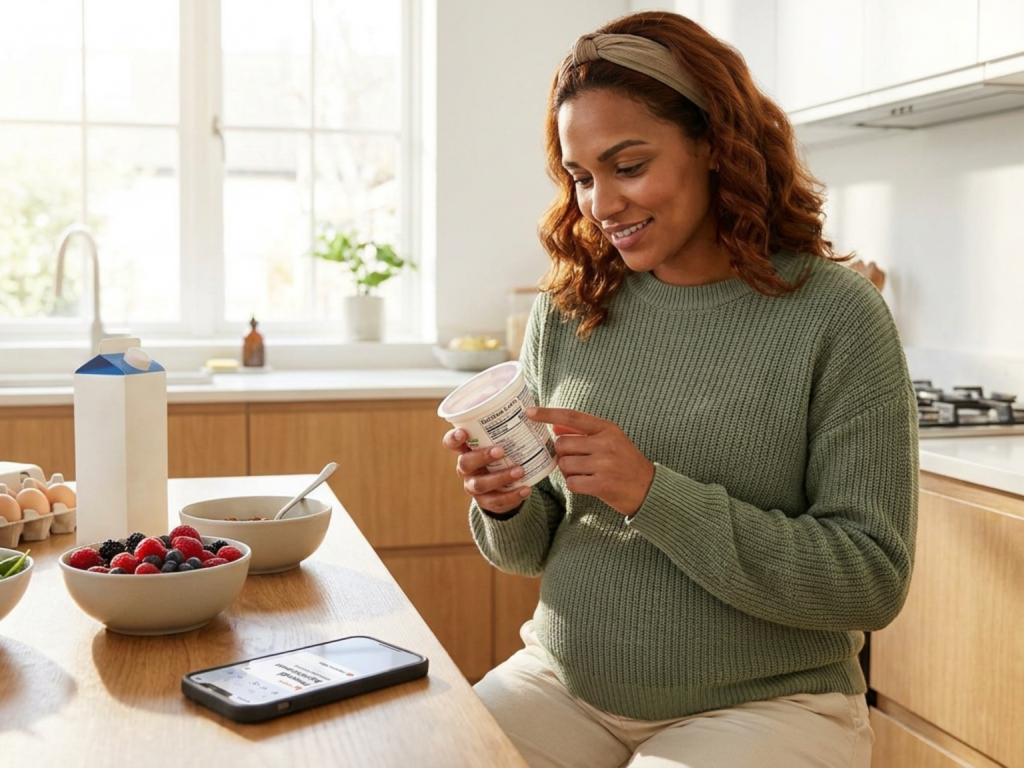
Early pregnancy can feel both joyful and unsettling. In the first trimester, the embryo is developing major organ systems, and many people become newly aware of everyday exposures: food choices, medicines, alcohol, caffeine, infections, heat, and workplace chemicals. The goal is not to create fear or perfectionism, but to reduce avoidable risks while keeping life realistic.
Highlights
Avoid alcohol in early pregnancy because no safe amount has been established, and fetal development is especially active in the first trimester.
Food safety matters: unpasteurized dairy, raw or undercooked animal products, and certain ready-to-eat foods can carry pathogens such as Listeria, Salmonella, and Toxoplasma.
Do not stop or start prescription, over-the-counter, or herbal products without professional guidance; a pregnancy medication safety review is often the safest approach.
Avoid high-mercury fish and limit caffeine according to your clinician’s advice, while still maintaining a nourishing, balanced diet.
Foodborne infections and high-risk foods
Early pregnancy changes immune function in ways that can make some infections more serious for the pregnant person and the developing fetus. This is why foods to avoid in pregnancy are often emphasized early, even before a visible bump appears. The main concerns are organisms such as Listeria monocytogenes, Salmonella, Campylobacter, and Toxoplasma gondii. These pathogens can cause maternal gastrointestinal illness, fever, dehydration, or systemic infection, and some can cross the placenta or contribute to miscarriage, preterm birth, or neonatal infection.
Avoid raw or undercooked meat, poultry, seafood, and eggs unless the product has been processed to a recognized safety standard. Meat should be cooked thoroughly, with no pink center where appropriate, and juices should run clear. Raw shellfish is particularly risky because it can carry bacteria, viruses, or toxins. Sushi made with raw fish is often discouraged unless local guidance confirms it has been frozen and prepared safely; even then, many people choose cooked seafood options for simplicity.
Unpasteurized dairy products should be avoided, including unpasteurized milk, soft cheeses made from unpasteurized milk, and foods prepared with them. Some soft or mold-ripened cheeses may carry Listeria risk unless cooked until steaming hot. Refrigerated pâté, meat spreads, and some ready-to-eat chilled foods can also pose a Listeria risk. Deli meats and Listeria risk are often discussed together because Listeria can grow at refrigerator temperatures; if deli meat is eaten, public-health advice commonly recommends heating it until steaming hot first.
Safe food handling in pregnancy is just as important as the avoid list. Wash hands before cooking, separate raw meat from ready-to-eat foods, rinse produce well, keep refrigerators cold, observe use-by dates, and reheat leftovers until steaming hot. If you develop fever, persistent vomiting, diarrhea, dehydration, or flu-like symptoms after a high-risk food exposure, contact a healthcare professional promptly.
Alcohol, smoking, recreational drugs, and caffeine
Alcohol is best avoided once pregnancy is known or suspected. No level of alcohol has been proven safe in pregnancy, and early embryonic development includes formation of the brain, heart, and other major structures. Alcohol exposure can contribute to fetal alcohol spectrum disorders, growth restriction, miscarriage, and neurodevelopmental problems. If you drank before realizing you were pregnant, try not to panic; many people do. Stop drinking now and discuss the timing and amount with your clinician, who can give individualized guidance without judgment.
Smoking and nicotine exposure are also important to avoid. Cigarettes, vaping products containing nicotine, and secondhand smoke are associated with placental complications, fetal growth restriction, preterm birth, and other adverse outcomes. Nicotine replacement or cessation medications should not be started or stopped casually; ask a midwife, obstetric clinician, or primary care professional about safer cessation support. The same principle applies to cannabis, cocaine, opioids not prescribed for you, and other recreational substances: early, confidential medical support is safer than abrupt, unsupported changes, especially if dependence is possible.
Caffeine does not need to be eliminated for everyone, but excessive intake should be avoided. Many guidelines advise limiting caffeine during pregnancy because high intake has been associated with miscarriage or low birth weight in some studies. Caffeine is found not only in coffee and tea, but also in cola, energy drinks, chocolate, and some medications. Energy drinks are usually a poor choice because they may contain high caffeine levels plus additional stimulants or herbal ingredients. If nausea makes hydration difficult, ask for practical alternatives rather than relying on caffeinated drinks.
Mercury, liver products, and nutrient excess
Fish can be an excellent source of protein, iodine, vitamin D, and omega-3 fatty acids, so the aim is not to avoid all seafood. The key is high-mercury fish avoidance. Mercury, particularly methylmercury, can affect the developing nervous system. Avoid fish known to be high in mercury, such as shark, swordfish, marlin, and similar large predatory species according to local guidance. Choose lower-mercury options and follow recommended portion limits for oily fish or tuna, which can vary by country.
Liver and liver products should generally be avoided in pregnancy because they can contain high levels of preformed vitamin A, also called retinol. Excess retinol exposure in early pregnancy may be teratogenic, meaning it can interfere with embryonic development. This caution also applies to supplements containing retinol or high-dose vitamin A unless specifically prescribed. Beta-carotene, the plant form of vitamin A found in vegetables such as carrots and sweet potatoes, is handled differently by the body and is not the same concern in usual food amounts.
More is not always better with supplements. A prenatal vitamin before pregnancy or in early pregnancy often includes folic acid, iodine, vitamin D, iron, or other nutrients depending on region and individual needs. However, combining multiple multivitamins, beauty supplements, cod liver oil, or high-dose single nutrients can unintentionally exceed safe thresholds. If you have a vegan diet, malabsorption condition, bariatric surgery history, anemia, thyroid disease, or epilepsy medication use, ask for individualized nutrition counseling rather than self-escalating doses.
Medicines, supplements, and herbal products
The first trimester is a sensitive period for medication decisions, but the safest action is not always to stop everything. Untreated asthma, epilepsy, hypertension, diabetes, depression, infection, or autoimmune disease can also pose risks. A pregnancy medication safety review should weigh the known benefits of treatment, potential fetal risks, dosage, timing, safer alternatives, and the risk of relapse if therapy is stopped. This review is particularly important for antiseizure medicines, isotretinoin, retinoids, some anticoagulants, ACE inhibitors, angiotensin receptor blockers, certain migraine medicines, and some psychiatric medications.
Avoid starting over-the-counter medicines without checking whether they are appropriate in pregnancy. This includes pain relievers, cold and flu products, antihistamines, antacids, laxatives, acne treatments, and topical products that may contain retinoids or salicylates. Some medicines are considered compatible with pregnancy in specific circumstances, but safety depends on dose, gestational age, medical history, and other medications.
Herbal supplements in pregnancy deserve the same caution as conventional drugs. Natural products can have pharmacologic effects, contamination risks, variable dosing, and interactions with medicines. Avoid weight-loss supplements, detox teas, high-dose botanicals, hormone-modulating products, and unverified fertility or miscarriage-prevention remedies. If severe nausea, insomnia, anxiety, constipation, or pain is driving you toward supplements, tell your clinician; there may be evidence-based options and non-drug measures that are safer.
Heat, infections, and environmental exposures
Overheating precautions for pregnant people are most relevant in early pregnancy because sustained elevation of core body temperature has been associated with neural tube and other developmental risks in some data. Avoid hot tubs, saunas, steam rooms, and very hot baths that make you feel overheated, dizzy, or flushed. Exercise is often beneficial in uncomplicated pregnancy, but avoid exercising to exhaustion, becoming dehydrated, or training in extreme heat. If you have bleeding, pain, dizziness, heart disease, significant anemia, or a high-risk pregnancy, ask for individualized exercise advice.
Infection prevention is another practical area. Avoid changing cat litter if possible because cat feces can transmit toxoplasmosis; if unavoidable, use gloves, wash hands, and clean the litter box daily because the parasite needs time to become infectious. Wear gloves for gardening or handling soil, wash produce thoroughly, and avoid contact with livestock birthing fluids, which may carry organisms harmful in pregnancy. Keep vaccinations and infection history discussions current with your clinician, especially if you may have been exposed to rubella, varicella, influenza, COVID-19, or parvovirus B19.
Environmental exposures do not require living in a bubble, but some warrant caution. Avoid lead exposure from old paint dust, unsafe water sources, certain imported cosmetics or ceramics, and some shooting-range or renovation activities. Limit solvent and pesticide exposure, use ventilation, and wear appropriate protective equipment when avoidance is not possible. If your job involves anesthetic gases, chemotherapy agents, radiation, laboratory pathogens, heavy metals, or industrial chemicals, request an occupational health assessment rather than guessing about risk.
Activities, procedures, and when to ask for help
In early pregnancy, avoid activities with a high risk of abdominal trauma, falls, or decompression stress. This includes contact sports, high-impact collision activities, scuba diving, and unsafe high-altitude exposure without medical advice. Routine movement, walking, swimming, and many forms of strength training may be appropriate for many pregnancies, but sudden maximal exertion or activities far beyond your usual conditioning are not ideal. Listen to symptoms such as chest pain, faintness, vaginal bleeding, fluid leakage, severe pelvic pain, or shortness of breath before exertion; these should prompt medical advice.
Do not undergo non-urgent procedures, imaging, or cosmetic treatments without telling the provider you are pregnant or may be pregnant. Many dental treatments are safe and should not be delayed when needed, but elective whitening, some aesthetic injectables, tanning beds, and unnecessary radiation exposure are commonly deferred. If imaging is medically necessary, clinicians can choose techniques and shielding strategies appropriate to the situation; avoiding needed diagnosis can sometimes be more harmful than the test itself.
Finally, avoid self-blame and isolation. Early pregnancy often comes with nausea, fatigue, anxiety, spotting, and uncertainty. If you accidentally ate a high-risk food, took a medicine before knowing you were pregnant, or had alcohol exposure, the next step is information, not shame. Contact your maternity care team, pharmacist, teratology information service if available, or primary care clinician. Urgent warning signs in pregnancy include heavy bleeding, severe one-sided pelvic pain, shoulder-tip pain, fainting, fever, severe dehydration, or persistent vomiting that prevents fluid intake.
Seek medical advice urgently if
- You have heavy vaginal bleeding, severe abdominal or one-sided pelvic pain, fainting, or shoulder-tip pain.
- You develop fever, flu-like symptoms, or severe gastrointestinal illness after a high-risk food exposure.
- Vomiting prevents you from keeping fluids down or you have signs of dehydration.
- You used alcohol, drugs, high-risk medication, or a potentially toxic exposure and need individualized risk assessment.
- You are considering stopping a prescribed medicine because of pregnancy concerns.
Tools & Assistance
- Book an early prenatal appointment or call your maternity care provider.
- Ask a pharmacist or clinician to review all prescriptions, over-the-counter medicines, and supplements.
- Use a refrigerator thermometer and a food thermometer for safer home food handling.
- Contact occupational health if your work involves chemicals, radiation, infection risks, or heavy metals.
- Keep a brief exposure log with dates, amounts, and product names before calling for advice.
FAQ
I drank alcohol before I knew I was pregnant. What should I do?
Stop alcohol now and discuss the timing and amount with your clinician. Many people have early unintentional exposure; individualized advice is more useful than panic.
Do I need to avoid all cheese in early pregnancy?
No. The concern is mainly unpasteurized dairy and some soft or mold-ripened cheeses unless cooked until steaming hot. Pasteurized hard cheeses are generally considered lower risk.
Can I keep taking my regular medication?
Do not stop or continue solely on guesswork. Contact your prescriber promptly for a pregnancy medication safety review, especially for chronic conditions.
Is seafood safe in the first trimester?
Many cooked, lower-mercury seafood options can be part of a healthy pregnancy diet. Avoid raw shellfish and high-mercury fish, and follow local portion guidance.
Are herbal teas and supplements safer than medicines?
Not necessarily. Herbal products can have active drug-like effects, contamination risks, and interactions, so check with a healthcare professional before using them.
Sources
- NHS — Foods to avoid in pregnancy
- Mayo Clinic — Foods to avoid in pregnancy
- Centers for Disease Control and Prevention — Safer Food Choices for Pregnant Women | Food Safety
Disclaimer
This article is for general educational purposes and is not a diagnosis or treatment plan. Always consult a qualified healthcare professional about pregnancy symptoms, medications, exposures, and personal medical risks.













Please log in to leave a comment.