
Intro
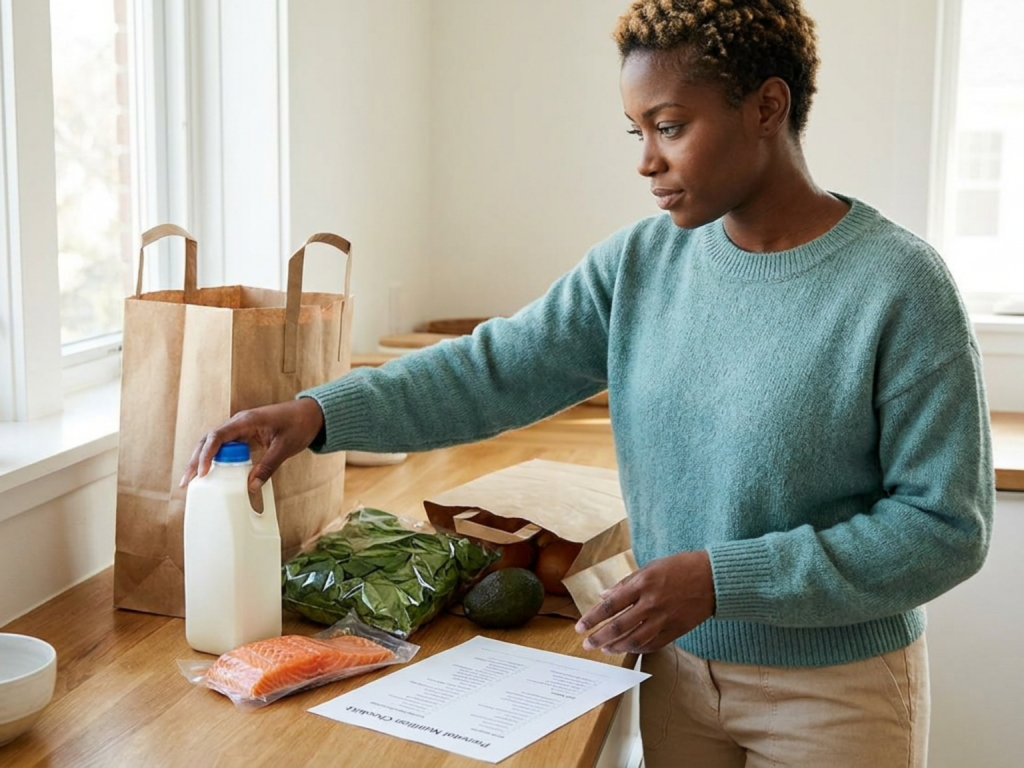
Preparing for pregnancy often brings a lot of attention to what to add: folic acid, balanced meals, movement, sleep, and preconception appointments. It is just as reasonable to ask what to avoid, especially because very early pregnancy may begin before a positive test. Food safety choices made while trying to conceive can reduce exposure to organisms and contaminants that matter most in the first weeks of development.
This guidance is not about creating fear around food. It is about using practical, evidence-informed precautions while keeping your diet nourishing, realistic, and culturally appropriate. If you have medical conditions, a history of infertility, food restrictions, disordered eating, or complex medication needs, individualized advice from an obstetrician, midwife, family physician, or registered dietitian is especially important.
Highlights
Before pregnancy, it is sensible to follow many pregnancy food-safety rules because conception and early embryonic development can occur before pregnancy is recognized.
The main concerns are foodborne infections such as listeriosis, salmonellosis, toxoplasmosis, and harmful exposures such as mercury or excessive preformed vitamin A.
Avoiding certain high-risk foods does not mean eating a narrow diet; safer substitutions can preserve protein, calcium, iodine, omega-3 fats, and other preconception nutrients.
People with chronic illness, immunosuppression, previous pregnancy complications, or significant dietary restrictions should seek personalized preconception nutrition planning.
Why preconception food safety matters
The preconception period is not separate from pregnancy biology. Ovulation, fertilization, implantation, and the first steps of organ development may happen before a missed period or positive test. For that reason, many clinicians advise people who are actively trying to conceive to use the same core precautions used in early pregnancy. This does not mean every exposure will cause harm; most accidental exposures do not. It means reducing avoidable risk during a window when timing can be uncertain.
The foods discussed here fall into two broad categories. The first is food that may carry pathogens, including Listeria monocytogenes, Salmonella, Toxoplasma gondii, Campylobacter, and certain strains of Escherichia coli. These organisms can cause gastroenteritis in anyone, but some are particularly concerning around pregnancy because of miscarriage risk, fetal infection, or severe maternal illness. Listeria is notable because it can grow at refrigerator temperatures and may contaminate ready-to-eat chilled foods.
The second category is food that may contain substances with dose-related risk, such as methylmercury in certain large predatory fish or high levels of preformed vitamin A in liver. Avoiding these foods before pregnancy is a precaution, not a diagnosis or a prediction of outcome. If you have already eaten one of these foods, contact a healthcare professional if you develop fever, persistent vomiting, diarrhea, abdominal pain, flu-like symptoms, or if you are worried about a specific exposure.
High-mercury fish and raw seafood
Seafood can be a valuable part of nutrition before trying to conceive because it may provide protein, iodine, vitamin D, and omega-3 fatty acids. The goal is not to avoid all fish; it is to avoid fish more likely to contain high levels of mercury and to choose lower-mercury seafood choices. Mercury, particularly methylmercury, can affect the developing nervous system. Large predatory fish accumulate more mercury because they live longer and eat other fish.
Commonly cited high-mercury fish to avoid around pregnancy include shark, swordfish, king mackerel, and marlin. Local advisories may also matter for fish caught from rivers, lakes, or coastal waters. If you regularly eat self-caught fish, check public health guidance in your area, since mercury and other contaminants vary by location.
Raw seafood also deserves caution. Sushi made with raw fish, raw oysters, raw clams, ceviche, and undercooked shellfish can expose you to bacteria, viruses, or parasites. Freezing may reduce some parasites but does not reliably eliminate all infectious risks, and it does not make contaminated shellfish safe. Safer options include cooked fish, thoroughly cooked shellfish, and sushi made with fully cooked seafood or vegetables from a reputable source.
- Avoid shark, swordfish, king mackerel, marlin, and other fish flagged by local advisories.
- Avoid raw oysters, raw clams, ceviche, and raw fish preparations while actively trying to conceive.
- Choose cooked, lower-mercury seafood to preserve nutrition without taking unnecessary risk.
Unpasteurized dairy, juices, and chilled ready-to-eat foods
Unpasteurized dairy products are a major category of foods to avoid before pregnancy. This includes raw milk and cheeses or dairy products made from raw milk unless they have been cooked until steaming hot. Pasteurization reduces the risk of pathogens such as Listeria, Salmonella, and E. coli. Soft cheeses may be safe when made with pasteurized milk, but labels and local food-safety standards matter, so it is worth checking carefully.
Unpasteurized juices and ciders can also carry pathogens. Fresh juice from a reliable source may look wholesome, but if it has not been pasteurized or otherwise treated to control bacteria, it can pose avoidable risk. This is especially relevant for farmers markets, juice bars, and seasonal ciders where labeling may be less obvious.
Ready-to-eat chilled foods deserve a practical approach rather than blanket anxiety. Deli meats, cold cured meats, refrigerated pâtés, meat spreads, and refrigerated smoked seafood can be associated with Listeria risk. If you choose to eat deli meats while trying to conceive, heating them until steaming hot before eating reduces risk. Pâté is generally avoided, and liver pâté has an additional concern because of vitamin A content.
Food storage habits are part of the same picture. Keep the refrigerator cold, follow use-by dates, separate raw and cooked foods, and avoid eating leftovers that have been stored too long. These steps are not glamorous, but pregnancy food safety routine often depends more on consistent kitchen habits than on memorizing long lists.
Raw or undercooked meat, poultry, eggs, and sprouts
Raw or undercooked animal products should be avoided before pregnancy because they can carry pathogens that may cause severe illness. Meat and poultry should be cooked thoroughly, with no pink meat in poultry and juices running clear. Ground meats need particular care because bacteria on the surface can be mixed throughout the product during processing. If you use a food thermometer, follow recognized safe internal temperatures for the specific food.
Undercooked eggs in pregnancy guidance is often extended to the preconception period. Raw or lightly cooked eggs may carry Salmonella, depending on production standards in your country. Foods that may contain raw egg include homemade mayonnaise, aioli, mousse, tiramisu, some frostings, fresh hollandaise, and uncooked batter. Commercial versions may use pasteurized egg, so labels can make a difference.
Raw sprouts are another high-risk food that can surprise people. Alfalfa, bean, clover, and radish sprouts grow in warm, humid conditions that also support bacterial growth. Washing may not remove bacteria that are inside the sprout. If sprouts are part of your usual diet, cook them thoroughly before eating while trying to conceive.
- Avoid steak tartare, rare burgers, undercooked poultry, and raw meat dishes.
- Use pasteurized eggs or fully cooked eggs for recipes that traditionally contain raw egg.
- Cook sprouts thoroughly rather than relying on rinsing alone.
- Wash hands, knives, and cutting boards after contact with raw meat, poultry, seafood, or eggs.
Liver, vitamin A, caffeine, alcohol, and herbal products
Liver and liver products are usually avoided when preparing for pregnancy because they can contain high concentrations of preformed vitamin A, also called retinol. Vitamin A is essential, but excess preformed vitamin A around early pregnancy is not recommended because of teratogenic potential at high intakes. This is different from beta-carotene, the provitamin A form found in many fruits and vegetables, which the body converts more selectively.
Because liver can appear in pâté, sausages, spreads, and traditional dishes, it is worth checking ingredients rather than assuming. Also review supplements: some multivitamins, cod liver oil, and skin or acne supplements may contain retinol. A prenatal vitamin before pregnancy is often recommended, but it should be a product appropriate for preconception or pregnancy unless your clinician advises otherwise.
Alcohol is not a food, but it belongs in preconception planning because there is no established safe level during pregnancy. Since pregnancy may not be recognized immediately, many people choose to avoid alcohol while actively trying to conceive, while others discuss a realistic plan with their clinician. If stopping alcohol is difficult, that is a health issue deserving nonjudgmental medical support.
Caffeine guidance varies by country, but many pregnancy references recommend limiting intake rather than eliminating it. Coffee, tea, cola, energy drinks, chocolate, and some medications can all contribute. Herbal teas and supplements also need caution. Some herbs have pharmacologic effects, uncertain safety data, or possible interactions with fertility treatments, anticoagulants, thyroid medication, or psychiatric medications. Before using concentrated herbal products, ask a qualified healthcare professional.
Making avoidance practical without restricting too much
Food avoidance can become stressful, especially for people who have experienced pregnancy loss, infertility, nausea, anxiety, food insecurity, or an eating disorder history before pregnancy. The aim is to reduce specific risks while still eating enough. A preconception diet that becomes overly restrictive can undermine energy intake, micronutrient status, menstrual regularity, and quality of life.
Build substitutions around what the avoided food was providing. If you stop raw sushi, consider cooked salmon, cooked shrimp, canned light tuna within local guidance, eggs that are fully cooked, tofu, beans, or other protein sources. If you avoid unpasteurized cheese, choose pasteurized cheese or yogurt. If you skip liver, ask whether your prenatal supplement and diet adequately cover iron, folate, B12, iodine, and vitamin D, particularly if you are vegetarian, vegan, have heavy menstrual bleeding, or have gastrointestinal disease.
Preconception nutrition planning is also the right time to review medications, supplements, chronic conditions, and immunizations. Food safety is only one part of risk reduction. Weight optimization before pregnancy, glucose management, thyroid disease treatment, celiac disease control, and folic acid intake may be more important for some individuals than any single food rule. A registered dietitian preconception counseling visit can be useful when you need a plan that is medically appropriate and still livable.
If you accidentally eat a food on an avoid list, try not to panic. Monitor for symptoms, keep the packaging or note the restaurant if a recall occurs, and contact a healthcare professional if you feel unwell or have a known exposure. In most cases, the next best step is not guilt; it is returning to safer habits.
When to seek medical advice
- Call a healthcare professional promptly after a high-risk food exposure if you develop fever, flu-like symptoms, severe diarrhea, persistent vomiting, or abdominal pain.
- Seek individualized advice if you are immunocompromised, have chronic liver or kidney disease, diabetes, inflammatory bowel disease, or are using fertility treatment.
- Do not start high-dose vitamins, cod liver oil, herbal fertility products, or detox regimens without clinician guidance.
- If food rules trigger restrictive eating, anxiety, or binge-restrict cycles, ask for support from a clinician or dietitian familiar with reproductive health.
- Follow local public health recalls and advisories for contaminated foods and locally caught fish.
Tools & Assistance
- Schedule a preconception visit with an obstetrician, midwife, family physician, or fertility clinician.
- Review your prenatal vitamin, vitamin A sources, herbal products, and medications with a healthcare professional.
- Use a food thermometer for meat, poultry, seafood, and egg dishes that need precise cooking.
- Check labels for pasteurization on dairy products, juices, ciders, and egg products.
- Consult a registered dietitian for preconception nutrition planning if you have dietary restrictions or medical conditions.
FAQ
Should I avoid all seafood before pregnancy?
No. The usual goal is to avoid high-mercury fish and raw or undercooked seafood while choosing cooked, lower-mercury options that support nutrition.
Is deli meat always forbidden while trying to conceive?
Deli meats are higher-risk because of possible Listeria contamination. Heating them until steaming hot before eating can reduce risk, but individual advice may vary.
What if I ate raw fish before knowing I might be pregnant?
One exposure does not mean harm occurred. Monitor for symptoms such as fever, vomiting, diarrhea, or abdominal pain, and contact a healthcare professional if you feel unwell or are concerned.
Can I eat soft cheese before pregnancy?
Soft cheese made with pasteurized milk may be acceptable depending on local guidance and storage conditions. Avoid unpasteurized dairy products and check labels carefully.
Are herbal teas safe when trying to conceive?
Some common teas may be safe in modest amounts, but concentrated herbal products and certain herbal teas may have uncertain safety or medication interactions. Ask a healthcare professional if you use them regularly.
Sources
- NHS — Foods to avoid in pregnancy
- Mayo Clinic — Pregnancy nutrition: Foods to avoid during pregnancy
- Texas Health — Preparing Your Body for Trying to Conceive
Disclaimer
This article is for general educational purposes only and is not a substitute for medical advice, diagnosis, or treatment. Consult a qualified healthcare professional for guidance tailored to your health history and pregnancy plans.










Please log in to leave a comment.