How to Get Pregnant

Trying to get pregnant can feel exciting at first — and then suddenly confusing when every cycle starts to matter. You may wonder when to have sex, how to find your fertile window, whether ovulation timing is right, what improves pregnancy chances, and why conception does not always happen quickly even when everything seems correct.

This page brings together clear articles about how to get pregnant, ovulation, fertile days, timing sex, cycle signs, age, weight, hormones, partner fertility, pregnancy after birth control, and when trying to conceive takes longer than expected. It is made for future parents who want practical answers, not pressure, myths, or guesswork.

Getting Started

What to do to get pregnant successfully

What to do to get pregnant successfully

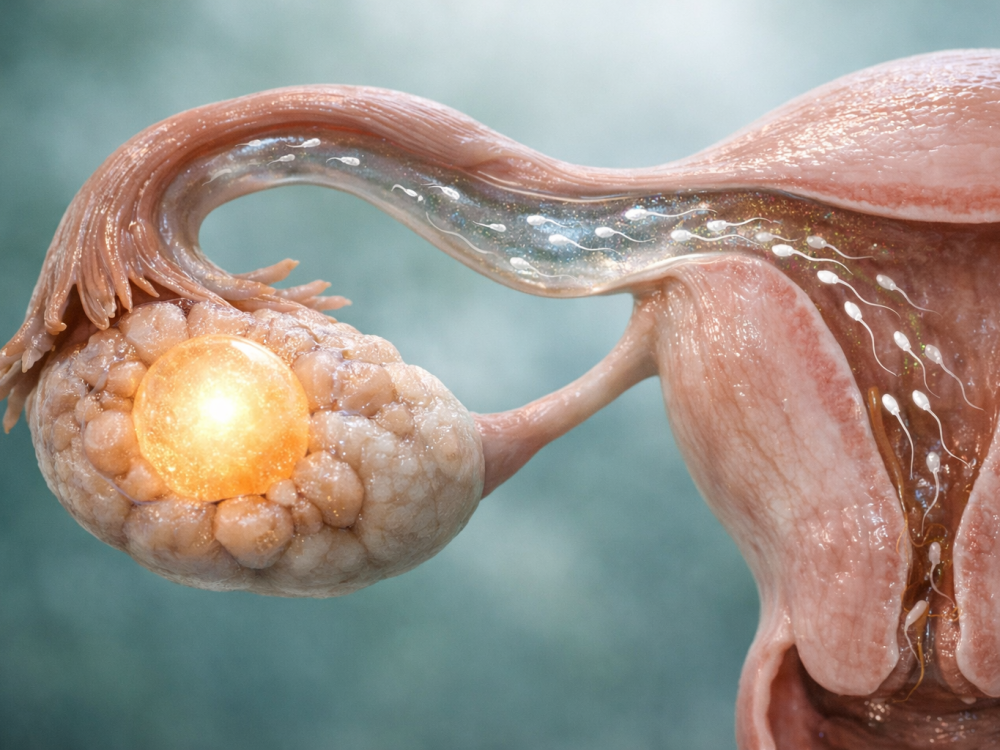
Start with the biology of conception Conception happens when a sperm cell fertilizes an egg after ovulation. The egg is viable for a short time, while sperm can survive in the reproductive tract for several days. That is why the days before ovulation matter so much. If sperm are already present when the egg is […]

How to start trying to conceive correctly

How to start trying to conceive correctly

Start with a preconception health check Trying to conceive correctly begins before the first intentionally unprotected cycle. A preconception visit with an obstetrician-gynecologist, family physician, midwife, or other qualified clinician can identify issues that are easier to address before pregnancy. This is especially useful if you have chronic conditions such as diabetes, thyroid disease, hypertension, […]

How to get pregnant fast and safely

How to get pregnant fast and safely

Start with timing, not guesswork If you want to get pregnant faster, the first question is not whether you are trying hard enough; it is whether intercourse is happening during the days most likely to lead to conception. That period is called the fertile window, which is the time around ovulation when pregnancy is most […]

Common mistakes when trying to get pregnant

Common mistakes when trying to get pregnant

1. Mistiming intercourse around ovulation A frequent mistake is assuming that only on the day of is sufficient. Ovulation is important, but for several days in favorable cervical mucus, whereas the oocyte is viable for a much shorter period after release. The most fertile interval is typically the 2 to 3 days before ovulation and […]

How long it takes to get pregnant on average

How long it takes to get pregnant on average

What is the average time to get pregnant? The average time to the population is defined, but the most clinically useful estimate is based on couples having regular vaginal intercourse without contraception. The NHS states that most couples will one year if they have regular sex and do not use contraception. Cleveland Clinic reports that […]

How to increase chances of getting pregnant

How to increase chances of getting pregnant

Understand the biology of conception Conception occurs when sperm fertilizes an oocyte released at ovulation. The embryo then travels through the fallopian tube and implants in the uterine lining several days later. Because the oocyte remains fertilizable for only about 12 to 24 hours after ovulation, while sperm may remain capable of fertilization in the […]

How to get pregnant naturally step by step

How to get pregnant naturally step by step

Step 1: Start with a preconception health check The first step in trying to get pregnant naturally is to treat as a heh event that begins before the pregnancy test is positive. A preconception consultation with a GP, obstetrician-gynecologist, midwife, or other qualified clinician can identify modifiable risks and optimize chronic medical conditions. This is […]

Popular Service

Your Fertile Window

How to avoid missing fertile days

How to avoid missing fertile days

Start with the fertile window, not just ovulation day The biggest timing mistake is treating ovulation day as the only day that matters. In reality, conception is most likely across a short fertile window: the five days before ovulation, the day of ovulation, and roughly the day after. That range exists because sperm can survive […]

Daily vs every-other-day trying to conceive

Daily vs every-other-day trying to conceive

What daily and every-other-day trying to conceive really means In fertility planning, the daily vs every-other-day question is usually about how often to have intercourse across the cycle, especially during the days surrounding ovulation. Daily means intercourse every day; every-other-day means about every 48 hours. Both approaches are designed to maximize the chance that sperm […]

How to maximize chances each cycle

How to maximize chances each cycle

Start with the fertile window, not the whole month If the goal is to maximize chances each cycle, the first step is to focus on the fertile window. Biologically, this is the short interval when sperm and egg can overlap: sperm can survive in the reproductive tract for several days, while the egg is viable […]

How to identify the best days to conceive

How to identify the best days to conceive

Understanding the fertile window The is the limited span of days in a when can plausibly result in conception. A landmark analysis of healthy women found that the spans six days ending on the day of ]]: the five plus day. The highest were observed on the two and on the day of itself. Johns […]

How often to have sex to conceive

How often to have sex to conceive

The short answer: every 2 to 3 days, or daily to every other day near ovulation Medical guidance is broadly consistent: should have regular unprotected sex. The NHS states that within a year if they have sex every 2 to 3 days throughout the month. This approach has a major advantage: it does not require […]

Best timing strategy to get pregnant

Best timing strategy to get pregnant

Understanding the fertile window The is the interval in the during which can plausibly result in pregnancy. According to major clinical sources, it is centered on , when the ovary releases an oocyte into the fallopian tube. Because sperm may remain viable for up to five days and the egg survives for approximately 12 to […]

Sex & Conception

Does orgasm influence conception chances

Does orgasm influence conception chances

The basic biology: what must happen for conception For natural must be deposited in or near the vagina, travel through mucus into the uterus and fallopian tube, and encounter an ovulated oocyte. Fertilization usually occurs in the fallopian tube. A resulting embryo then travels to the uterus and may implant in the endometrium several days […]

Do sexual positions affect getting pregnant

Do sexual positions affect getting pregnant

The evidence: no position is proven best for conception The central evidence-based message is straightforward: there is no high-quality scientific evidence showing that one sexual position reliably improves the probability of pregnancy. Medical and fertility resources consistently note that conception can occur in any position, including positions that seem less favorable from a gravity perspective. […]

Should you lie down after sex to conceive

Should you lie down after sex to conceive

The short answer: lying down is optional, not essential If you are , you do not need to lie down after sex. Remaining in bed for a few minutes is unlikely to cause harm, and some people prefer it for comfort or intimacy, but current evidence does not show that it reliably increases pregnancy rates […]

Cycles & Body Signs

Signs that your body is ready for pregnancy

Signs that your body is ready for pregnancy

Readiness for pregnancy is mostly about ovulation, not a feeling When people ask whether their body is ready for pregnancy, they are usually asking whether ovulation is occurring in a predictable way. That matters because ovulation releases the egg that can be fertilized. In practical terms, a body that is cycling regularly and showing fertile […]

How cycle irregularity affects conception

How cycle irregularity affects conception

Why cycle regularity matters for conception Conception is most likely when sperm are present in the days leading up to ovulation and on the day of ovulation itself. In a predictable menstrual cycle, that timing is easier to estimate. In an irregular cycle, the fertile window may shift from month to month, which makes timed […]

How to conceive with unpredictable periods

How to conceive with unpredictable periods

Why unpredictable periods make timing harder With regular cycles, ovulation often happens in a rough pattern that can be estimated from the last period. When cycles are irregular, that pattern breaks down. A long cycle may simply mean late ovulation, while a skipped period may reflect a cycle without ovulation at all. That is why […]

How to get pregnant with irregular cycles

How to get pregnant with irregular cycles

Understanding irregular cycles A typical is often described as about 28 days, but normal variation is broad. Many clinicians consider cycles irregular when they are consistently shorter than about 21 days, longer than about 36 days, vary widely from month to month, or are absent for prolonged periods. What matters most for conception is not […]

Simple Monthly Plan

Daily habits that support getting pregnant

Daily habits that support getting pregnant

Build a fertility-friendly foundation with food and weight Nutrition does not need to be complicated to be useful. A steady pattern of meals that includes vegetables, fruit, whole grains, protein, and healthy fats supports general metabolic health, and metabolic health matters for reproduction. In practical terms, that means steadier blood sugar, fewer nutrient gaps, and […]

Weekly planning for trying to conceive

Weekly planning for trying to conceive

Start with the rhythm of your cycle The most useful weekly plan starts with the basics of your own cycle. Day 1 is the first day of menstrual bleeding, and the timing of ovulation usually depends on cycle length rather than on the calendar month. That means a weekly plan should be built around your […]

How shift work affects fertility

How shift work affects fertility

What shift work means for fertility Shift work usually refers to work schedules that fall outside the standard daytime pattern, such as evenings, nights, rotating shifts, early-morning starts, or rapid schedule changes. For fertility, the most important feature is not only the hours themselves but also how often they disrupt sleep and the body clock. […]

How to optimize daily routine for conception success

How to optimize daily routine for conception success

Start with the fertile window, not with perfection Conception is most likely when intercourse occurs during the fertile window, the several days leading up to ovulation and the day of ovulation itself. Because sperm can survive for several days in the reproductive tract, you do not need to pinpoint a single perfect hour. A simpler […]

How work stress impacts chances of pregnancy

How work stress impacts chances of pregnancy

What counts as work stress? Work stress is more than having a busy week. In the fertility context, it usually refers to sustained occupational strain such as high productivity demands, long hours, unpredictable schedules, shift work, emotional labor, conflict, or very little control over how work gets done. A temporary deadline may leave you tired; […]

How travel and lifestyle changes affect conception

How travel and lifestyle changes affect conception

Why travel and routine shifts matter Travel affects conception mainly by changing the everyday conditions that reproductive biology depends on. The body does not separate fertility from the rest of life; it responds to sleep, light exposure, stress hormones, nutrition, and the timing of daily activities. A person who is trying to conceive may therefore […]

How many cycles it takes to conceive on average

How many cycles it takes to conceive on average

What people usually mean by "average" In fertility discussions, “average” can mean several different things. It may refer to the median number of cycles needed for pregnancy, the mean time-to-pregnancy, or the point at which most couples have conceived. Those numbers are related, but they are not identical, and the distinction matters. For a medically […]

How to build a monthly conception strategy

How to build a monthly conception strategy

Start with a realistic picture of your cycle The foundation of any monthly conception strategy is the menstrual cycle, because ovulation determines when conception is biologically possible. If cycles are fairly regular, ovulation often occurs around the middle of the cycle, but there is enough normal variation that the calendar alone should never be treated […]

How to track progress while trying to conceive

How to track progress while trying to conceive

What progress really means When people say they want to track progress, they often mean, “Are we getting closer to pregnancy?” That is a reasonable question, but the answer is usually not visible in one sign alone. A more reliable view comes from tracking whether your menstrual cycle is predictable, whether ovulation appears to be […]

Healthy Before Pregnancy

How long to prepare before trying to conceive

How long to prepare before trying to conceive

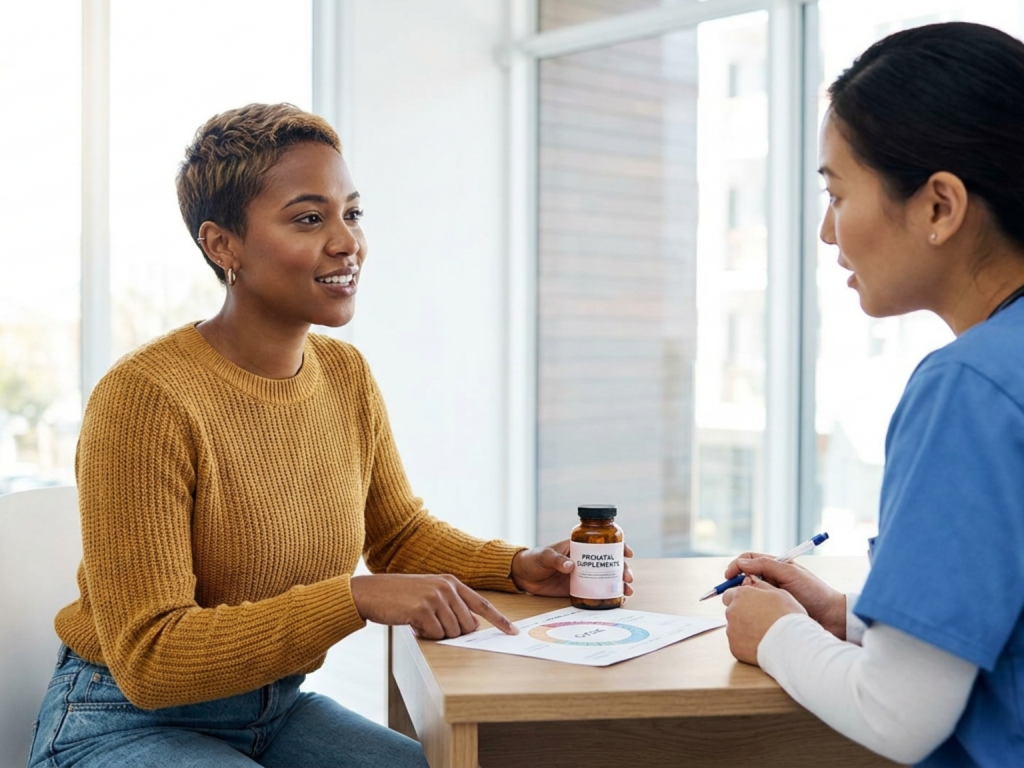
A practical starting point: about three months before trying A good general rule is to begin preparing about three months before you plan to start trying to conceive. Johns Hopkins Medicine recommends preconception counseling around that time, and it is a useful window because it is long enough to identify modifiable risks without making pregnancy […]

Preconception habits that improve pregnancy chances

Preconception habits that improve pregnancy chances

Start before you stop contraception One of the most effective preconception habits is simply giving yourself enough lead time. Reproductive physiology does not reset overnight. Folate stores, smoking cessation, medication changes, chronic disease control, and weight shifts all take time to influence fertility and early pregnancy outcomes. A practical way to think about preconception care […]

How to prepare your body 3 months before conception

How to prepare your body 3 months before conception

Use the three-month window as a clinical reset Three months is long enough to shift daily patterns without rushing your body. In practical terms, this is the period when you can move from reactive health habits to deliberate preparation: booking a checkup, refining meals, taking a prenatal supplement, and cleaning up exposures that could matter […]

How to avoid burnout during trying to conceive

How to avoid burnout during trying to conceive

What burnout looks like in trying to conceive Burnout during trying to conceive is usually cumulative. Repeated negative tests, unpredictable cycles, or a long fertility workup can keep the nervous system in a near-constant state of anticipation. Over time, the mind begins to narrow around symptoms, timing, and outcomes, and even small delays can feel […]

How to stay emotionally balanced while trying to conceive

How to stay emotionally balanced while trying to conceive

Why the waiting period can feel so intense When conception does not happen quickly, the process often becomes a repeating cycle of hope and uncertainty. Many people move through a monthly pattern of anticipation, testing, disappointment, and renewed effort. That repetition can be emotionally exhausting because it rarely gives the nervous system a chance to […]

Stress, anxiety, and mental health impact on getting pregnant

Stress, anxiety, and mental health impact on getting pregnant

How stress and anxiety can affect getting pregnant Stress is a normal human response, but when it becomes chronic, it can affect many systems at once. The Centre for Addiction and Mental Health notes that long-term stress is associated with anxiety, depression, sleep problems, and difficulty conceiving. The American Psychological Association also describes how ongoing […]

How caffeine, alcohol, and smoking affect conception

How caffeine, alcohol, and smoking affect conception

Why conception is sensitive to lifestyle exposures Conception is a biologically demanding process. In people who ovulate, hormones must coordinate follicle development, ovulation, and a receptive endometrium. In people producing sperm, the testes must maintain adequate sperm concentration, motility, morphology, and DNA integrity. Even small shifts in any of these steps can affect the probability […]

Sleep quality and its impact on conception

Sleep quality and its impact on conception

Why sleep belongs in a conception conversation Sleep is not just rest. It is a coordinated neuroendocrine process that supports tissue repair, immune signaling, metabolic balance, and hormonal regulation. For people trying to conceive, those systems matter because reproduction depends on finely timed signals between the brain, ovaries or testes, and peripheral organs. In clinical […]

Exercise and physical activity for fertility

Exercise and physical activity for fertility

What the evidence actually shows The research on exercise and fertility is reassuring in one important way: moderate physical activity is not proven to damage fertility. A review of 34 studies found that the overall evidence is insufficient to define a clear relationship between physical activity and spontaneous fertility in women or men. In other […]

What to avoid when trying to get pregnant

What to avoid when trying to get pregnant

Avoid smoking, vaping, and secondhand smoke Tobacco exposure is one of the clearest modifiable risks to fertility and pregnancy heh. Cigarette smoking is associated with reduced ovarian reserve, impaired egg quality, earlier menopause, tubal dysfunction, and increased risk of miscarriage and . In males, smoking is linked with concentration, impaired motility, abnormal morphology, and increased […]

Age, Weight & Hormones

How fertility declines with age and what to do

How fertility declines with age and what to do

Why fertility declines with age Human fertility is built on a finite supply of oocytes. Females are born with a limited ovarian reserve, and that reserve falls steadily through life as follicles are lost and the remaining eggs age. Over time, the probability that an egg will mature and fertilize normally drops, and the risk […]

When to seek help based on age

When to seek help based on age

Why age changes the threshold for help The same symptom can have a very different meaning at different ages. An infant has limited ability to compensate for infection or dehydration, while an older child may be able to describe pain, explain dizziness, or tell you when breathing feels difficult. That is why clinicians use both […]

How to get pregnant in your 20s vs 30s vs 40s

How to get pregnant in your 20s vs 30s vs 40s

Why age matters for conception Age affects fertility mainly through the ovaries and the eggs they contain. Over time, the number of available eggs falls and the proportion of eggs with chromosomal errors rises. That does not mean every pregnancy attempt in later reproductive years is risky or doomed, but it does help explain why […]

How to improve egg quality naturally

How to improve egg quality naturally

Understanding egg quality: what can and cannot change Egg is not a single lab value. Clinically, it is reflected through several outcomes: whether an oocyte matures appropriately, whether fertilization occurs, how embryos develop, and whether chromosomal segregation happens correctly. A major component is mitochondrial function, because oocytes require large amounts of energy for maturation, fertilization, […]

How weight and BMI affect getting pregnant

How weight and BMI affect getting pregnant

What BMI means in fertility care BMI is calculated from weight and height and is commonly used to classify adults as underweight, healthy weight, overweight, or obese. In many clinical settings, a BMI below 18.5 kg/m² is considered underweight, 18.5 to 24.9 is considered in the healthy range, 25 to 29.9 is considered overweight, and […]

Partner Fertility

How to get pregnant faster as a couple

How to get pregnant faster as a couple

Start with the fertile window, not guesswork If the goal is to get pregnant faster as a couple, timing matters. Pregnancy is most likely when sperm is already present in the reproductive tract during the fertile window, the days in the cycle when ovulation is approaching or has just occurred. Because ovulation does not always […]

How to improve sperm quality for conception

How to improve sperm quality for conception

What sperm quality means for conception Sperm quality is not a single number. In clinical practice, it usually refers to a combination of sperm concentration, motility, morphology, and semen volume. Some clinicians also consider DNA fragmentation and other markers of oxidative stress, because sperm with damaged DNA may be less likely to contribute to a […]

From Sex to Pregnancy

Why some cycles result in pregnancy and others do not

Why some cycles result in pregnancy and others do not

The fertile window is short, and timing is unforgiving For natural conception, timing is one of the biggest reasons some cycles result in pregnancy and others do not. The egg is viable for a limited time after ovulation, and sperm survival is also finite. That means intercourse has to overlap the fertile window closely enough […]

How fertilization and implantation work

How fertilization and implantation work

Fertilization starts in the fallopian tube After ejaculation, sperm travel through the cervix and uterus toward the fallopian tube, where an ovulated oocyte may be waiting. This journey is selective: many sperm never reach the tube, and those that do must first undergo capacitation, a functional maturation process in the female reproductive tract that prepares […]

Timeline from intercourse to pregnancy

Timeline from intercourse to pregnancy

From intercourse to fertilization: the first biological steps After intercourse, sperm may enter the cervix and uterus and continue toward the fallopian tube, where fertilization usually occurs. If ovulation has already happened or is about to happen, one sperm may meet the egg and create a zygote. If there is no egg available, fertilization cannot […]

How conception happens step by step

How conception happens step by step

1. The cycle begins: the body prepares for a possible pregnancy The first day of a menstrual period is counted as day one of the . During the early part of the cycle, the brain and ovaries communicate through hormones, especially follicle-stimulating hormone, or FSH, and luteinizing hormone, or LH. FSH helps ovarian follicles grow. […]

After Birth Control, Loss or Birth

How to rebuild fertility after pregnancy loss

How to rebuild fertility after pregnancy loss

What fertility recovery means after pregnancy loss Rebuilding fertility after pregnancy loss starts with a basic biological fact: pregnancy does not have to be followed by a long reproductive pause. Once the pregnancy tissue has passed or been treated and the hormonal signal from pregnancy declines, the hypothalamic-pituitary-ovarian axis begins to restart. In practical terms, […]

How soon you can try again after miscarriage

How soon you can try again after miscarriage

What the evidence says about timing When people search for pregnancy after miscarriage timing, the expectation is often that there must be a mandatory recovery window. For an uncomplicated early pregnancy loss, however, research has not found a physiological reason to delay conception for a set number of months. Studies summarized by the NIH and […]

How to get pregnant after miscarriage naturally

How to get pregnant after miscarriage naturally

Start with physical recovery, not a calendar There is no single pregnancy after miscarriage timing that fits everyone. Some people can ovulate as soon as two weeks after the loss, which means conception may happen before the next menstrual period. At the same time, many clinicians advise waiting until bleeding and pain have stopped and, […]

How to reset your body after birth control

How to reset your body after birth control

What a body reset really means A reset is best understood as a period of stabilization. Instead of trying to force your body into a new shape or timeline, you give it consistent inputs: enough food, enough fluid, manageable activity, and time for hormone-driven symptoms to settle. That mindset is especially useful after hormonal contraception, […]

How long fertility returns after contraception

How long fertility returns after contraception

What fertility return actually means When people ask how long fertility takes to return, they are usually asking how soon the ovaries resume releasing eggs and the reproductive tract can support conception. In practice, return of ovulation after contraception is the key milestone, because pregnancy cannot occur without ovulation. Fertility return does not always match […]

How to get pregnant after stopping birth control

How to get pregnant after stopping birth control

Fertility often returns sooner than expected A common misconception is that hormonal contraception must be “flushed out” before pregnancy is possible. For most people, that is not how reproductive physiology works. Once you stop taking hormonal birth control or have a device removed, the hypothalamic-pituitary-ovarian axis can resume its usual signaling: follicle-stimulating hormone and luteinizing […]

When Pregnancy Takes Time

How long to try before seeing a doctor

How long to try before seeing a doctor

What the usual timeline means The standard advice is based on age because fertility naturally declines over time, and the chance of conceiving in any single cycle is never 100 percent. If you are under 35 and you have been having regular, unprotected intercourse for 12 months without pregnancy, it is generally reasonable to ask […]

When to move from natural methods to medical help

When to move from natural methods to medical help

Natural methods have a place, but not a ceiling In pregnancy, natural methods are often first-line for mild discomforts. Rest can help fatigue, small frequent meals can reduce nausea, fiber and fluids can ease constipation, and gentle activity may improve mood and circulation. These measures are reasonable when symptoms are mild, predictable, and improving. The […]

When natural conception methods are enough

When natural conception methods are enough

What natural conception can realistically do For many people, natural conception methods are enough because the underlying fertility picture is favorable: ovulation is happening, the fallopian tubes are likely open, sperm exposure is adequate, and there is no obvious condition that makes conception substantially harder. In that setting, the goal is not to “boost” fertility […]

When trying naturally stops being effective

When trying naturally stops being effective

What people mean by trying naturally “Trying naturally” can mean different things depending on context. For some people it means having regular, unassisted intercourse while watching for ovulation; for others it means using fertility-awareness methods to identify the fertile window; and for others it means avoiding medications, injections, or procedures and hoping the cycle will […]

Why getting pregnant can take time

Why getting pregnant can take time

Conception is biologically complex and probabilistic a sequence of in the correct order and in a . A mature oocyte must be released during ]]; must be present in the reproductive tract at the right ; sperm must survive, travel through cervical mucus and the uterus, and reach the fallopian tube; fertilization must occur; the […]

FAQ — Pregnancy

When should I start preparing for pregnancy?

Many people begin preparing several months before trying to conceive. This time can be used to improve everyday habits, focus on balanced nutrition, get enough sleep, and discuss future plans with a partner.

How do I know when I am most likely to get pregnant?

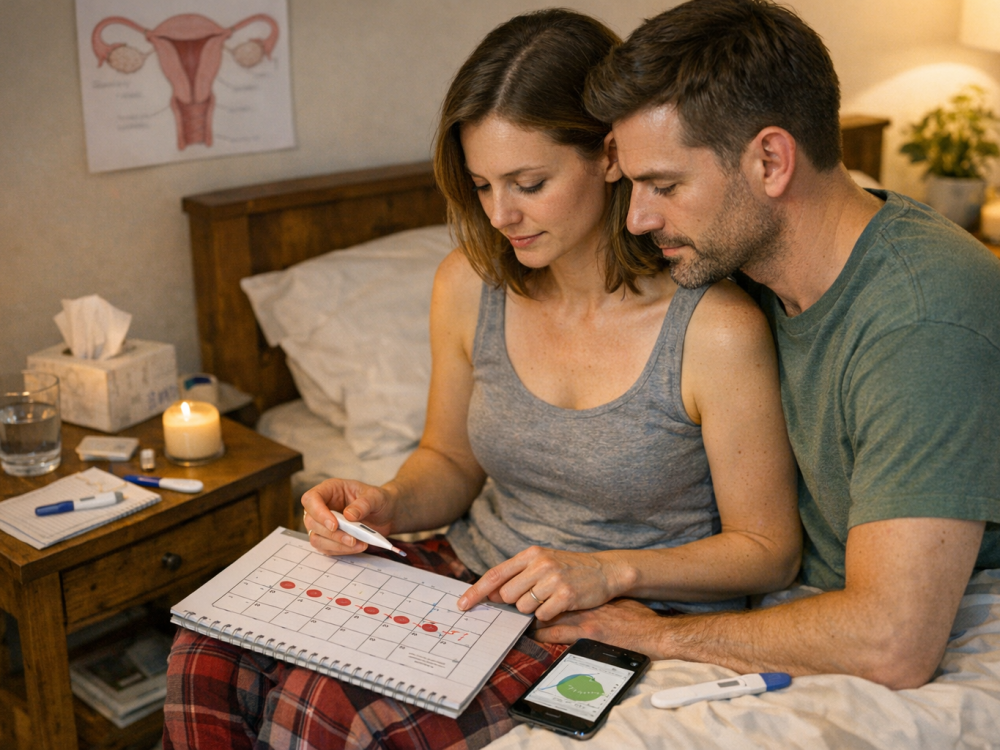
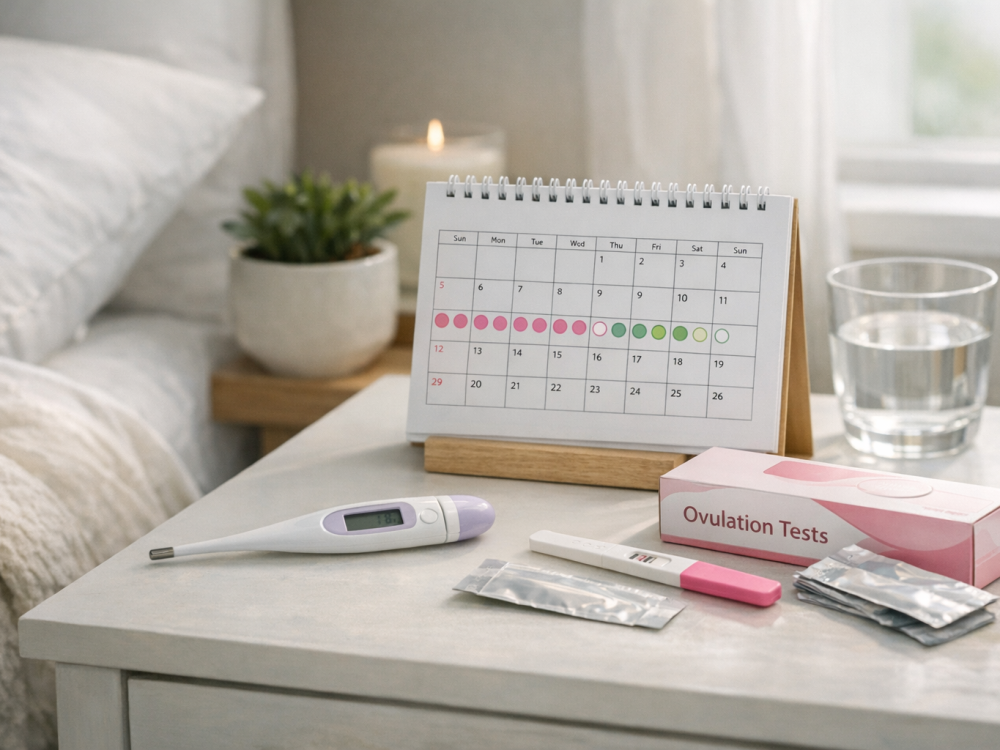
The days leading up to ovulation and the day of ovulation are generally the most fertile part of the cycle. A cycle calendar, ovulation tests, body changes, or a tracking app may help identify these days.

What changes are common during pregnancy?

Pregnancy can bring changes in energy, appetite, sleep, mood, body shape, and everyday comfort. Every pregnancy is different, and experiences may change from one stage to another.

How can I prepare for the baby during pregnancy?

Preparation can include organizing essential supplies, planning the baby’s sleeping space, discussing family responsibilities, and learning about newborn care. Completing tasks gradually can help reduce pressure.

How can I improve my chances of getting pregnant?

Learning about the menstrual cycle and fertile window can help with timing. Regular intercourse, a balanced lifestyle, sufficient rest, and managing stress may also support the process.

How can we make trying to conceive less stressful?

Try to maintain normal routines, communicate openly with your partner, and make time for activities unrelated to pregnancy. Tracking can be useful, but it should not make the process feel overwhelming.

How can I stay comfortable during pregnancy?

Supportive clothing, regular rest, gentle movement, comfortable sleeping positions, and adjusting daily activities may help. Small practical changes can make everyday life more manageable as the body changes.

How can I enjoy pregnancy without trying to do everything perfectly?

Focus on the choices and preparations that matter most to you and your family. Pregnancy does not need to look perfect, and it is normal to experience joyful, difficult, and uncertain days.