
Intro
Trying to conceive can be hopeful, exciting, and emotionally demanding. Nutrition cannot guarantee pregnancy, and it is not a substitute for medical evaluation when conception is delayed, but it can help create a physiologic environment that supports ovulation, sperm quality, implantation, and the earliest stages of embryonic development.
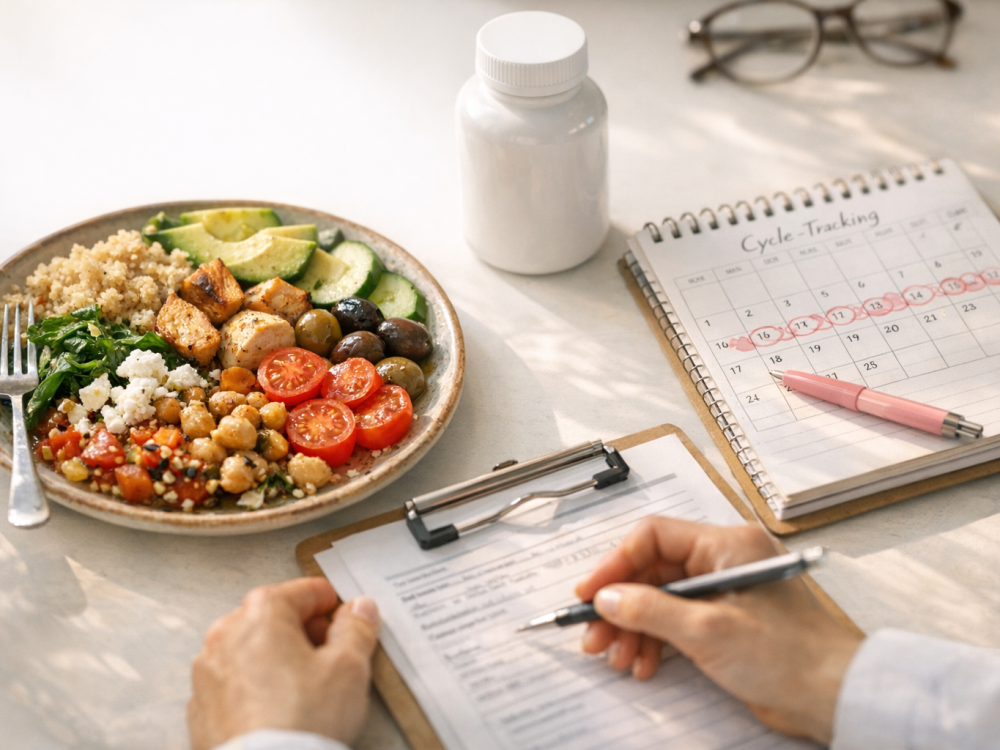
A preconception diet is best thought of as preparation for both fertility and early pregnancy. Because organ development begins very early, often before a positive pregnancy test, nutrients such as folic acid, iron, iodine, calcium, protein, omega-3 fatty acids, and vitamin B12 matter before conception as well as after it. The most evidence-supported approach is not a restrictive “fertility diet,” but a balanced, nutrient-dense pattern similar to a Mediterranean-style diet, individualized with your clinician for medical history, medications, weight changes, gastrointestinal disorders, vegetarian or vegan eating, diabetes, polycystic ovary syndrome, endometriosis, or prior pregnancy complications.
Highlights
A balanced dietary pattern rich in vegetables, fruits, whole grains, legumes, nuts, fish, and unsaturated fats is associated with better reproductive health than diets high in trans fats, sweets, and large amounts of red or processed meat.
Folic acid is the key preconception nutrient because adequate intake before pregnancy helps reduce the risk of neural tube defects in early fetal development.
Nutrition supports fertility in both partners: sperm production, ovulation, hormone signaling, inflammation, and metabolic health are all influenced by dietary quality.
Supplements can fill gaps, but more is not always better; preconception planning should include a clinician-guided review of prenatal vitamins, medications, and underlying health conditions.
Why preconception nutrition matters
Fertility is influenced by age, genetics, and uterine factors, of ]] or insemination, chronic illness, , and many variables. Diet is only one part of this system, but it is a modifiable part. Good nutrition can support endocrine function, reduce excessive inflammation, improve insulin sensitivity, and help maintain adequate micronutrient stores for the first weeks of pregnancy.
Research summarized by Publishing suggests certain nutrients and dietary patterns are associated improved in women . These include folic acid, vitamin B12, omega-3 fatty acids, and y dietary patterns such as the Mediterranean diet. By contrast, trans fats and dietary patterns high in red meat and sweets appear less favorable. The overall message is reassuring: there is no need for a rigid or expensive protocol. A consistent, high-quality diet is the foundation.
is also important because early embryonic development begins many people know they . Neural tube closure occurs early, so folic acid status is especially relevant. Iron stores, thyroid-supporting nutrients, vitamin B12, and overall energy intake can also affect maternal well-being in .
Folic acid and other essential nutrients before pregnancy
Folic acid, the supplemental form of folate, is one of the best-established preconception nutrients. Mayo Clinic emphasizes 400 micrograms daily pregnancy to help prevent certain birth defects, while many contain higher amounts, such as 800 micrograms, as noted by the American Pregnancy Association. The right dose can vary, especially for people with a prior pregnancy affected by a neural tube defect, certain anti-seizure , malabsorption, or other medical risks, so dosing should be discussed with a hehcare professional.
Food sources of folate include leafy greens, legumes, citrus fruits, asparagus, avocado, and fortified grains or cereals. Because dietary intake can be inconsistent and early pregnancy needs are time-sensitive, many clinicians recommend a prenatal vitamin or folic acid supplement before conception.
- Iron: Needed for hemoglobin production and expanding blood volume in pregnancy. Sources include lean meat, poultry, seafood, beans, lentils, spinach, tofu, and iron-fortified cereals. Vitamin C-rich foods can improve absorption of non-heme iron from plant foods.
- Calcium: Supports skeletal health and is important before pregnancy as well as during it. Common sources include yogurt, milk, fortified plant milks, calcium-set tofu, cheese, sardines or salmon with bones, and leafy greens. The American Pregnancy Association highlights a goal of about 1,000 mg daily for many adults.
- Protein: Supports tissue repair, hormone production, and early fetal development. Include fish, eggs, poultry, lean meats, dairy, legumes, soy foods, nuts, and seeds according to your dietary pattern.
- Vitamin B12: Important for red blood cell formation, neurologic function, and DNA synthesis. It is found mainly in animal foods and fortified products; people eating vegan or mostly plant-based diets often need supplementation.
- Omega-3 fatty acids: Particularly DHA and EPA, are involved in cell membrane function and may support reproductive health. Sources include low-mercury fatty fish, such as salmon and sardines, and algae-based DHA supplements for those who do not eat fish.
A fertility-supportive eating pattern
The most practical approach is to build meals around nutrient density, glycemic steadiness, and unsaturated fats. A Mediterranean-style pattern is often used as a model because it emphasizes vegetables, fruits, legumes, whole grains, nuts, seeds, olive oil, fish, and moderate dairy or fermented foods. This style of eating can support cardiometabolic health, which matters for , and long-term health.
A simple plate structure can help: fill about half the plate with colorful vegetables and fruits, one quarter with protein, and one quarter with whole grains or starchy vegetables. Add a source of healthy fat such as olive oil, avocado, nuts, seeds, or tahini. This does not need to be perfect at every meal; consistency over weeks and months matters more than isolated choices.
- Breakfast ideas: Greek yogurt with berries, walnuts, and fortified whole-grain cereal; oatmeal with chia seeds and fruit; or eggs with spinach and whole-grain toast.
- Lunch ideas: Lentil soup with salad, a salmon or chickpea grain bowl, or a turkey and avocado sandwich on whole-grain bread with vegetables.
- Dinner ideas: Stir-fried tofu and vegetables with brown rice, roasted chicken with sweet potato and greens, or sardine pasta with tomato, olive oil, and herbs.
- Snacks: Fruit with nut butter, hummus with vegetables, cheese and whole-grain crackers, or trail mix with nuts and dried fruit.
If you have irregular cycles, diabetes, insulin resistance, polycystic ovary syndrome, a history of eating disorder, bariatric surgery, inflammatory bowel disease, celiac disease, or significant nausea or food restriction, individualized nutrition care is especially valuable.
Foods and habits to limit while trying to conceive
Pre nutrition is not about fear or perfection. Still, several dietary habits are reasonable to limit because ]] or . Harvard Heh Publishing notes negative associations between and trans fats, as well as less y diets high in red meat and sweets. Trans fats in some fried foods, commercial baked goods, and partially hydrogenated oils, although they have been reduced in many food supplies.
Highly processed foods, sugary beverages, and frequent sweets to excess caloric intake and poorer . For some those with insulin resistance or polycystic ovary syndrome, stabilizing blood glucose through balanced meals may support more function, though treatment decisions should be clinician-guided.
Caffeine and deserve special attention. choose to reduce may occur it is recognized, and has no established safe level . Caffeine recommendations vary by country and clinical context, so ask your is appropriate for you, particularly if you losses, anxiety, palpitations, or high intake.
Food safety also becomes relevant ]] . Consider adopting : avoid unpasteurized dairy and juices, cook meats and eggs thoroughly, wash produce well, and be cautious with high-mercury fish. Fish valuable, but choose lower-mercury options and follow local advisories for recreationally caught fish.
Nutrition for male fertility and sperm health
is not only the pregnant partner’s responsibility. Sperm development takes roughly several months, so nutrition and lifestyle changes may need time to influence semen parameters. A diet rich in , whole grains, legumes, fish, nuts, and unsaturated fats provides antioxidants and micronutrients involved in spermatogenesis and protection from oxidative stress.
Evidence does not support relying on high-dose antioxidant supplements as a universal solution, and Harvard Heh notes that antioxidants show limited impact in some research. However, obtaining antioxidants through whole foods remains part of a healthy dietary pattern. Key nutrients for sperm production include zinc, selenium, folate, vitamin B12, omega-3 fatty acids, and adequate protein, but testing and supplementation should be individualized.
Alcohol excess, smoking, anabolic steroid use, poor sleep, heat exposure to the testes, and untreated medical conditions can impair male ]]. If is taking longer than expected, semen analysis is a relatively accessible and informative test; couples should not delay male ]] while focusing only on the ovulating partner.
Body weight, energy balance, and compassionate care
Body weight can influence ]], but the relationship is complex and deeply personal. Both undernutrition and significant excess adiposity may affect , menstrual regularity, insulin sensitivity, inflammation, and pregnancy risks. However, shame-based or extreme dieting is not helpful and can worsen physical and emotional heh.
If weight change is medically recommended, gradual, sustainable changes are generally safer than crash diets. Severe caloric restriction, detoxes, very low-carbohydrate regimens without medical supervision, or over-exercise can disrupt and increase stress. For people with a history of eating disorders, -focused nutrition should be handled with particular care and ideally with a clinician and dietitian experienced in health and eating disorder recovery.
The goal is nourishment: enough energy, adequate protein, diverse plants, essential fats, and micronutrients. Even when body weight does not in diet quality, sleep, physical activity, and metabolic markers can be meaningful.
Supplements: helpful, but not a substitute for care
A prenatal vitamin can be useful before conception, particularly for folic acid, iodine, iron, vitamin D, and vitamin B12 gaps. However, supplements vary widely, and some contain doses that may be inappropriate for certain people. More is not always better: excessive vitamin A from retinol, unnecessary high-dose iron, or overlapping supplements can cause harm.
Before choosing a supplement, review your medical history and medications with a hehcare professional. This is especially important if you take anti-seizure medicines, anticoagulants, thyroid medication, diabetes medications, isotretinoin, methotrexate, psychiatric medications, or herbal products. Some medications require preconception planning, but they should not be stopped abruptly without medical guidance.
People following vegan, vegetarian, gluten-free, or dairy-free diets may benefit from targeted assessment for vitamin B12, iron, iodine, calcium, vitamin D, zinc, and omega-3 intake. A registered dietitian can help build a food-first plan and identify where supplements are truly needed.
When to seek medical guidance
Nutrition can support , but it cannot diagnose or treat in. Consider a pre visit before , particularly if you have chronic medical conditions, complications, loss, irregular or absent periods, pelvic inflammatory disease, known endometriosis, polycystic ovary syndrome, thyroid disease, diabetes, autoimmune disease, or a history of cancer treatment.
recommend evaluation if after 12 months of regular, unprotected under 35, or after 6 months for people 35 or older. Earlier evaluation may be appropriate when cycles are very irregular, there is known male factor in, or there gynecologic or medical concerns.
It is also reasonable to ask for help sooner if is causing distress. Fertility planning is and emotional; supportive care may include an obstetrician-gynecologist, reproductive endocrinologist, primary care clinician, urologist, registered dietitian, therapist, or ]] clinic team.
Important cautions
- Do not stop prescribed medications or start high-dose supplements without consulting a healthcare professional.
- Seek individualized advice if you have irregular periods, recurrent pregnancy loss, diabetes, thyroid disease, PCOS, endometriosis, or a history of eating disorder.
- Avoid extreme dieting, detoxes, or rapid weight-loss plans while trying to conceive unless supervised medically.
- Limit alcohol and discuss caffeine intake with your clinician, especially once pregnancy is possible.
- Choose pregnancy-safe food handling practices and avoid unpasteurized foods and high-mercury fish.
Tools & Assistance
- Schedule a preconception visit with an OB-GYN, midwife, or primary care clinician.
- Meet with a registered dietitian specializing in fertility, pregnancy, or metabolic health.
- Use a prenatal vitamin review checklist with your clinician or pharmacist.
- Track menstrual cycle patterns and bring the information to medical appointments.
- Consider partner evaluation, including semen analysis, if conception is delayed.
FAQ
Is there a specific fertility diet that guarantees pregnancy?
No. A Mediterranean-style, nutrient-dense eating pattern may support reproductive health, but it cannot guarantee conception or replace medical evaluation.
When should I start taking folic acid?
Ideally before conception, because neural tube development occurs very early in pregnancy. Many guidelines emphasize at least 400 micrograms daily, but your clinician may recommend a different amount based on your risk factors.
Do both partners need to change their diet?
Often, yes. Sperm health is influenced by nutrition, alcohol, smoking, sleep, heat exposure, and chronic illness, so preconception planning is most effective when both partners participate.
Are antioxidant supplements useful for fertility?
Evidence is mixed, and high-dose supplements are not automatically beneficial. It is safer to focus on antioxidant-rich foods and discuss supplements with a healthcare professional.
Should I avoid all fish while trying to conceive?
No. Fish can provide protein and omega-3 fatty acids. Choose low-mercury options and follow pregnancy and local fish-safety guidance.
Sources
- Harvard Health Publishing — Fertility and diet: Is there a connection?
- Mayo Clinic — Pregnancy diet: Focus on these essential nutrients
- American Pregnancy Association — Preconception Nutrition
Disclaimer
This article is for informational purposes only and does not replace medical advice, diagnosis, or treatment. Consult a qualified healthcare professional for personalized preconception and fertility guidance.














Please log in to leave a comment.