
Intro
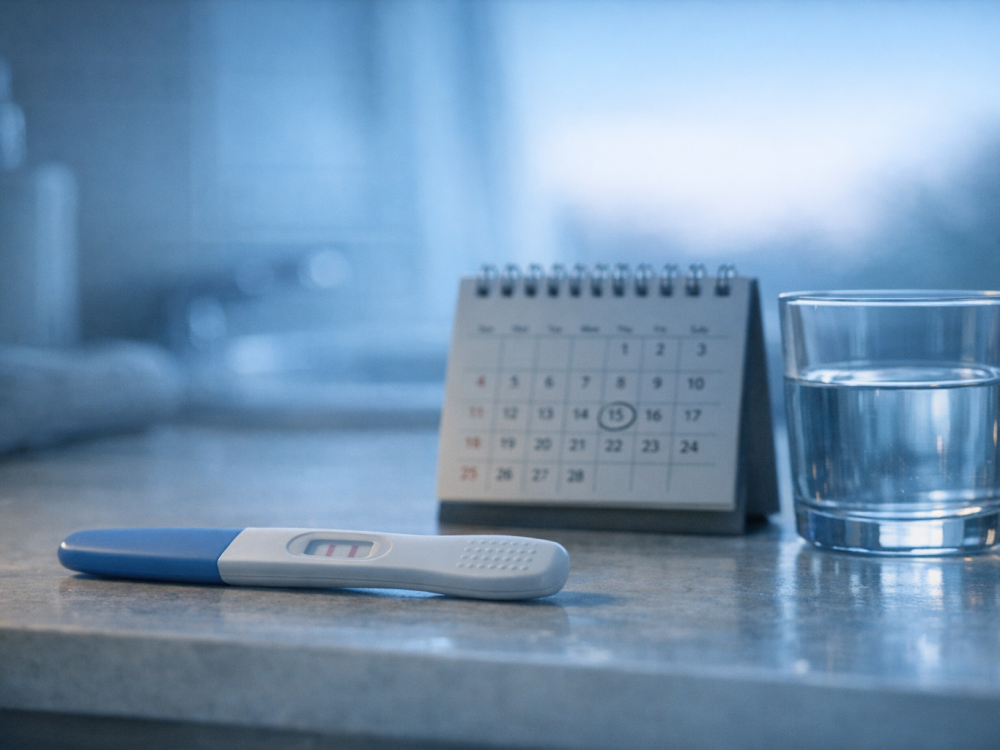
Week 4 of pregnancy is often the first moment pregnancy becomes visible to you, even though the biological process began earlier. In standard obstetric dating, week 4 is counted from the first day of your last menstrual period, so conception may have occurred about two weeks ago. Around this time, the blastocyst is completing implantation in the endometrium, early placental tissue is beginning to function, and the hormone human chorionic gonadotropin, or hCG, may rise enough to be detected by a pregnancy test.
This can be an emotionally charged week: hope, uncertainty, cautious excitement, and anxiety can all coexist. Symptoms may be subtle or absent, and home pregnancy test results can vary depending on timing, urine concentration, ovulation date, and test sensitivity. The goal of this guide is to explain what is happening biologically, what signs may appear, how pregnancy confirmation works, and when to seek professional guidance.
Highlights
By week 4, the blastocyst typically burrows into the uterine lining, and the inner cell mass begins the earliest stages of embryonic development.
hCG production rises after implantation, which is why some home pregnancy tests may become positive around the time of a missed period.
Light spotting or mild cramping can occur around implantation, but heavier bleeding, severe pain, or dizziness should be assessed promptly.
Early symptoms such as breast tenderness, fatigue, nausea, and urinary frequency are common but not reliable proof of pregnancy on their own.
If a test is negative but your period does not arrive, repeating the test after a few days or contacting a healthcare professional is reasonable.
Where week 4 fits in pregnancy dating
Pregnancy is usually dated from the day of the ]], not from the day of . This can feel counterintuitive because, at 4 s pregnant, the itself is generally much younger, around 2 post-conception if occurred near the middle of a typical 28-day cycle.
This dating system matters because it is how clinicians estimate gestational age, schedule scans, interpret hormone levels, and calculate an estimated due date. At 4, many people are just reaching the expected date of their next period. A may be the noticeable sign, especially for those with regular cycles.
If your cycles are longer, shorter, or irregular, -by- estimates can be less precise. Ovulation may have occurred later or earlier than expected, which can affect when finishes and when a pregnancy test becomes positive. This is one reason a negative test at the expected period date does not always rule out pregnancy.
Implantation completion: what is happening biologically
After fertilization, the single-celled zygote divides repeatedly as it travels through the fallopian tube toward the uterus. It becomes a morula, then a blastocyst, a fluid-filled structure two main cell populations. The inner cell mass will contribute to the , while the outer trophoblast layer helps form the placenta and supports .
Around week 4, the blastocyst is embedding into the endometrium, the hormonally prepared lining of the uterus. Implantation is not a single instant; it is a coordinated process involving attachment, invasion into the uterine lining, and early connection with maternal tissue. As implantation progresses, trophoblast cells begin producing hCG, the hormone that signals the corpus luteum in the ovary to continue producing progesterone. Progesterone helps maintain the endometrium and supports early pregnancy.
Within this very early developmental window, the inner cell mass begins organizing into layers that will later give rise to organs and tissues. The amniotic cavity and yolk sac begin to form. The yolk sac is important in early development before the placenta takes over more of the nutritional and endocrine support. Although the embryo is microscopic, the biological activity is highly complex and rapid.
Early pregnancy confirmation and hCG testing
Pregnancy confirmation in week 4 usually relies on detecting hCG. Home urine pregnancy tests are designed to identify hCG once it reaches a detectable threshold. Some sensitive tests can be positive a few days before or around the , but accuracy generally improves the expected period date.
A positive home pregnancy test is usually a reliable sign of pregnancy when the instructions are followed correctly. Testing with -morning urine may improve detection because the urine is more concentrated. If the result is negative but period has not arrived, it may be too early, particularly if or occurred later than expected. Repeating the test in 48 to 72 hours can be helpful because hCG typically rises quickly in early pregnancy.
Clinicians may use urine or blood testing depending on the situation. A blood test can detect lower hCG levels than many urine tests and may be used when timing is uncertain, symptoms are concerning, fertility treatment is involved, or there is a need to monitor early pregnancy progression. However, a single hCG value often needs clinical context; interpretation is best done by a healthcare professional.
Common symptoms at week 4
Symptoms at week 4 vary widely. Some feel distinctly different, while others feel no symptoms at all. The presence or absence of symptoms does not reliably indicate whether a pregnancy is healthy.
- : Often the sign, especially with regular cycles.
- Breast tenderness or swelling: Hormonal changes can make breasts feel sore, full, or sensitive.
- Fatigue: Rising progesterone and metabolic changes may contribute to unusual tiredness.
- Nausea or food aversions: These can begin for some, though they more commonly intensify later in the .
- Mild cramping: Some notice uterine sensations that resemble premenstrual cramps.
- Light spotting: Implantation-related spotting may occur, lighter than a period and short-lived.
- Frequent urination: Hormonal and circulatory changes can start , though this symptom often becomes more noticeable later.
Because premenstrual symptoms and early pregnancy symptoms overlap, symptoms alone cannot confirm pregnancy. Testing and, when needed, evaluation provide more reliable information.
Spotting, cramping, and when to be cautious
Light spotting around week 4 can be frightening, especially if you are hoping for pregnancy or have experienced loss . Mild spotting may occur as the blocyst implants into the uterine lining, and mild cramping can occur as the uterus responds to hormonal and tissue changes. However, bleeding patterns can have many causes, and not all bleeding in pregnancy is -related.
Seek urgent medical advice if bleeding is heavy, if you are soaking pads, if you pass large clots or tissue, or if bleeding is accompanied by significant pain. Severe one-sided pelvic pain, shoulder-tip pain, fainting, dizziness, or marked weakness can be warning signs that require prompt assessment, including evaluation for ectopic pregnancy. An ectopic pregnancy occurs when a pregnancy implants outside the uterus, most commonly in a fallopian tube, and it can be medically serious.
If symptoms are mild but worrying, contacting a healthcare professional is still appropriate. They can help decide whether observation, hCG testing, ultrasound at an appropriate gestational age, or urgent care is needed. Early ultrasound may not show much at week 4, so timing and clinical context are important.
What to do after a positive pregnancy test
A positive test can bring joy, shock, fear, or mixed feelings. There is no single correct emotional response. Once you have a positive result, consider taking practical steps that support early pregnancy while you arrange professional care.
- Contact a healthcare professional or midwifery service: Ask when to schedule your first prenatal appointment and what local pathway applies.
- Start or continue folic acid: Many guidelines recommend folic acid before conception and in early pregnancy to support neural tube development. Ask a clinician about the dose that is appropriate for you, particularly if you have conditions or take certain medications.
- Review medications and supplements: Do not stop prescribed medication abruptly unless advised. Instead, contact your clinician or pharmacist promptly to review safety in pregnancy.
- Avoid alcohol and recreational drugs: If stopping is difficult, seek confidential support; help is available.
- Limit exposures that may be unsafe: Discuss occupational hazards, chemicals, radiation, or infection risks with a healthcare professional if relevant.
- Note key dates: Record the first day of your ]], test dates, episodes, pain, fertility treatments, and relevant medical history.
If you have a history of ectopic pregnancy, recurrent miscarriage, significant chronic illness, diabetes, hypertension, epilepsy, autoimmune disease, or fertility treatment, earlier contact with a healthcare team may be especially important.
Nutrition, lifestyle, and early reassurance
At week 4, the embryo is extremely small, and many people worry about things they did before knowing they were pregnant. It is common to look back and feel anxious about alcohol, medication, strenuous exercise, or illness. Try to be compassionate self. The most useful step is to focus on what you can do now and discuss any specific exposures with a qualified professional.
General early pregnancy support includes eating regular balanced meals if possible, staying hydrated, resting when you can, and maintaining moderate physical activity if it is already part of your routine and you have no medical contraindications. Nausea can make ideal nutrition difficult; small frequent meals and bland foods may help some people, but persistent vomiting or inability to keep fluids down should be medically assessed.
It is also reasonable to protect your emotional wellbeing. Waiting for repeat tests, early appointments, or symptom changes can be stressful. If you have a prior pregnancy loss or infertility history, week 4 may feel especially vulnerable. Consider identifying one trusted person, clinician, counselor, or support service you can contact if anxiety becomes overwhelming.
Seek medical advice urgently if you notice
- Heavy vaginal bleeding, soaking pads, or passing large clots or tissue.
- Severe pelvic or abdominal pain, especially if one-sided.
- Dizziness, fainting, shoulder-tip pain, or marked weakness.
- Persistent vomiting or inability to keep fluids down.
- A positive pregnancy test with significant pain or a history of ectopic pregnancy.
- Fever, severe illness, or symptoms that feel alarming or unusual for you.
Tools & Assistance
- Home pregnancy test used according to the package instructions, ideally after a missed period
- Appointment with a GP, obstetric clinician, midwife, or local prenatal care service
- Medication and supplement review with a clinician or pharmacist
- Symptom diary noting bleeding, pain, test dates, last menstrual period, and relevant medical history
- Urgent care or emergency services for severe pain, heavy bleeding, fainting, or concerning symptoms
FAQ
Can I get a positive pregnancy test at 4 weeks?
Yes. Around week 4, hCG may be high enough for a home urine test to detect, especially after a missed period. If the test is negative but your period does not arrive, repeat testing in a few days may be appropriate.
Is spotting at week 4 always implantation bleeding?
No. Light spotting can occur around implantation, but bleeding has many possible causes. Heavy bleeding, severe pain, dizziness, or one-sided pelvic pain should be assessed promptly.
I have no symptoms. Is that normal?
Yes. Some people have few or no symptoms at week 4. Symptoms vary widely and are not a dependable measure of pregnancy health.
When should I contact a healthcare professional after a positive test?
Contact a healthcare professional or midwifery service soon after a positive test to ask about booking prenatal care. Seek earlier advice if you have pain, bleeding, chronic medical conditions, fertility treatment, or a history of ectopic pregnancy or recurrent loss.
Can ultrasound confirm pregnancy at week 4?
Sometimes it is too early to see a pregnancy clearly on ultrasound at week 4. Clinicians may use timing, symptoms, hCG testing, and follow-up imaging when appropriate.
Sources
- Mayo Clinic — Fetal development: The first trimester
- NHS — 4 weeks pregnant guide
- Medical News Today — 4 weeks pregnant: Symptoms, hormones, and baby development
Disclaimer
This article is for informational purposes only and does not replace medical advice, diagnosis, or treatment. Consult a qualified healthcare professional for personal guidance, especially with pain, bleeding, medication questions, or urgent symptoms.














Please log in to leave a comment.