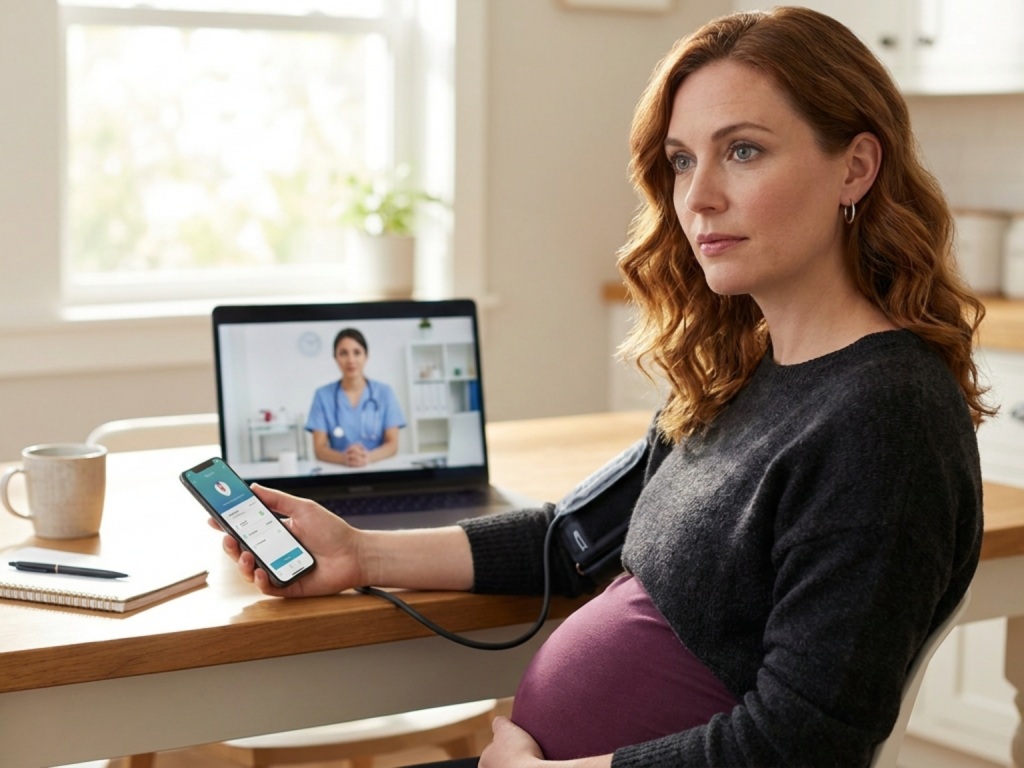
Pregnancy Tests & Medical Care

Pregnancy care can feel like a long list of tests, visits, numbers, and results that are hard to understand. hCG, ultrasound, NIPT, screening tests, glucose testing, blood work, urine tests, GBS, fetal monitoring, and high-risk checkups all have different purposes and timing.

This page explains pregnancy tests and prenatal medical care in plain language: what each test is for, when it is usually done, what results may mean, what follow-up may be needed, and how to prepare for doctor visits. It helps make pregnancy care feel less like a mystery.

Your First Pregnancy Care

Patient preparation for medical tests

Patient preparation for medical tests

Why preparation matters Many people think of preparation as a comfort issue, but it is often a measurement issue. Laboratory analytes can shift after food intake, dehydration, exercise, nicotine exposure, alcohol use, or medication changes. If those factors are not controlled, a test can look abnormal even when nothing clinically significant has changed, or it […]

Combining multiple diagnostic methods

Combining multiple diagnostic methods

Why one test is often not enough Diagnostic reasoning in pregnancy starts with the recognition that no single method is perfect. A home urine pregnancy test, a quantitative blood test, and an ultrasound each answer a different question. One detects hormone levels, another estimates whether values are rising appropriately, and another evaluates the presence, location, […]

Preparing for telehealth appointments

Preparing for telehealth appointments

Why preparation matters in pregnancy telehealth Telehealth works best when the visit is structured enough for the clinician to gather reliable information, but flexible enough for you to raise new concerns. In pregnancy, that balance matters because the visit may involve symptom review, medication counseling, home monitoring, or discussion of test results. A clear setup […]

When virtual visits are appropriate

When virtual visits are appropriate

What makes a virtual visit appropriate Virtual visits are appropriate when the clinician can safely make decisions from the history, visual inspection, home measurements, prior records, or a focused discussion. In practice, that often means low-acuity issues, treatment follow-up, results review, counseling, and medication reconciliation. Telehealth can also be useful when a patient is established […]

High-risk pregnancy monitoring plan

High-risk pregnancy monitoring plan

What a high-risk pregnancy monitoring plan is designed to do A prenatal care risk assessment identifies the factors that make a pregnancy more vulnerable to maternal or fetal complications. Examples include hypertensive disorders, diabetes, kidney disease, autoimmune disease, multifetal gestation, prior stillbirth, fetal growth restriction, or abnormal placental function. The monitoring plan then translates that […]

Emergency evaluation and hospital admission criteria

Emergency evaluation and hospital admission criteria

Why emergency evaluation is different in pregnancy Pregnancy alters blood volume, heart rate, respiratory mechanics, gastrointestinal function, and pain patterns. Those physiologic changes can make it harder to tell whether a symptom is benign or the early sign of a serious event. For example, nausea may be common in early pregnancy, but persistent vomiting with […]

Home blood pressure tracking and warning signs

Home blood pressure tracking and warning signs

Why home readings matter in pregnancy Home measurements are not a replacement for prenatal care; they are a way to extend it. In pregnancy, blood pressure can vary with stress, sleep, pain, hydration, time of day, and the clinical setting itself. Some people have higher readings in the office than at home, while others have […]

Flu Tdap and COVID-19 vaccines

Flu Tdap and COVID-19 vaccines

Why these vaccines matter in pregnancy Pregnancy alters respiratory physiology, immune signaling, and cardiovascular demand, which can make some infections harder to tolerate. That is one reason influenza and COVID-19 prevention are emphasized in prenatal care. Tdap matters for a different but equally important reason: it helps protect newborns from pertussis, also called whooping cough, […]

Vaccinations during pregnancy overview

Vaccinations during pregnancy overview

Why vaccination matters in pregnancy Pregnancy changes immune function, cardiopulmonary demand, and the stakes of an otherwise routine infection. A respiratory virus, for example, may lead to more severe maternal illness, more clinic visits, dehydration, fever, or hospitalization than it would outside pregnancy. Preventing that illness is valuable in its own right, because maternal stability […]

When monitoring is needed and abnormal results

When monitoring is needed and abnormal results

Why monitoring is used in pregnancy Monitoring is most useful when the clinical question is time-sensitive: Is the pregnancy stable? Is a treatment working? Is there early evidence of maternal or fetal deterioration? In principle, the logic is the same across medicine: obtain a baseline, follow trends, and act if the data suggest a meaningful […]

Popular Service

Understanding hCG and Early Tests

When virtual visits are appropriate

When virtual visits are appropriate

What makes a virtual visit appropriate Virtual visits are appropriate when the clinician can safely make decisions from the history, visual inspection, home measurements, prior records, or a focused discussion. In practice, that often means low-acuity issues, treatment follow-up, results review, counseling, and medication reconciliation. Telehealth can also be useful when a patient is established […]

High-risk pregnancy monitoring plan

High-risk pregnancy monitoring plan

What a high-risk pregnancy monitoring plan is designed to do A prenatal care risk assessment identifies the factors that make a pregnancy more vulnerable to maternal or fetal complications. Examples include hypertensive disorders, diabetes, kidney disease, autoimmune disease, multifetal gestation, prior stillbirth, fetal growth restriction, or abnormal placental function. The monitoring plan then translates that […]

Fetal monitoring and kick counts

Fetal monitoring and kick counts

What fetal movement patterns can tell you Fetal movement is one of the few signs of fetal wellbeing that you can notice directly at home. Early on, movement may feel like flutters, bubbles, or gentle taps. Your clinician may describe quickening and early fetal movement as the stage when movement first becomes reliably noticeable. Later […]

Follow-up after abnormal NIPT

Follow-up after abnormal NIPT

What an abnormal NIPT result means NIPT analyzes cell-free DNA in maternal blood and estimates the chance of a fetal chromosomal condition, most commonly trisomy 21, trisomy 18, trisomy 13, and sometimes sex chromosome aneuploidy. Because it is a screening test, a higher-risk result does not prove that the fetus has the condition being screened […]

Integrated screening and screening vs diagnostic tests

Integrated screening and screening vs diagnostic tests

What integrated screening is Integrated screening is a prenatal screening strategy that combines information from both the first and second trimesters to estimate the likelihood of a chromosomal condition, especially Down syndrome. In practice, this usually means collecting a first-trimester blood sample, often along with nuchal translucency measurement if that program is part of local […]

Prenatal testing overview and planning

Prenatal testing overview and planning

What prenatal testing can and cannot tell you Prenatal testing is used to gather information about the fetus and, in some cases, the pregnancy itself. Depending on the test, it may look for chromosome differences such as trisomies, structural differences seen on ultrasound, or specific inherited conditions. It can also help clinicians plan monitoring, delivery […]

Routine blood tests in pregnancy

Routine blood tests in pregnancy

Why routine blood tests are part of prenatal care Pregnancy places extra demands on the cardiovascular, hematologic, endocrine, renal, and immune systems. Routine blood testing gives clinicians a baseline early in pregnancy and helps detect conditions that may be silent at first. For example, anemia may develop gradually, hepatitis B infection may be asymptomatic, and […]

Non-stress test (NST) and biophysical profile (BPP)

Non-stress test (NST) and biophysical profile (BPP)

What is a non-stress test? A non-stress test, or NST, is a fetal monitoring test that records the fetal heart rate over time, usually along with uterine activity. It is called “non-stress” because it does not intentionally stress the fetus or trigger contractions. Instead, it observes the fetal heart rate pattern under usual conditions. The […]

Glucose screening test and OGTT explained

Glucose screening test and OGTT explained

Why glucose testing is done in pregnancy During pregnancy, the placenta produces hormones that help support fetal growth but can also make the pregnant person’s cells more resistant to insulin. Insulin is the hormone that helps move glucose from the bloodstream into cells. As pregnancy progresses, especially in the second and third trimesters, insulin resistance […]

Non-invasive prenatal testing (NIPT)

Non-invasive prenatal testing (NIPT)

What NIPT is and why it is used NIPT is a prenatal screening test performed on a blood sample from the pregnant person. The sample contains circulating cell-free DNA, often called cfDNA. During pregnancy, a portion of this cfDNA comes from placental cells, which usually reflect the fetal chromosomal complement. By analyzing patterns in this […]

Seeing Baby on Ultrasound

Ultrasound types and first trimester ultrasound purpose

Ultrasound types and first trimester ultrasound purpose

How pregnancy ultrasound works Ultrasound imaging uses sound waves emitted from a transducer. These waves travel through tissue and return as echoes that are converted into images on a screen. In pregnancy, ultrasound can show fluid-filled spaces such as the gestational sac, soft-tissue structures such as the uterus and ovaries, and, later in the first […]

First prenatal visit and what to expect

First prenatal visit and what to expect

When to schedule the first prenatal appointment Many clinics schedule the first prenatal visit around 8 weeks of pregnancy, calculated from the first day of the last menstrual period, although timing can vary. Some people are seen earlier, especially if they have bleeding, pain, a history of ectopic pregnancy, recurrent pregnancy loss, fertility treatment, significant […]

Reducing anxiety during testing

Reducing anxiety during testing

Why testing can feel so intense in pregnancy Even when a test is routine, your nervous system may treat it as a threat. That response is understandable. Testing often includes uncertainty, a sense of lack of control, and a waiting period in which your mind may jump ahead to worst-case scenarios. During pregnancy, those thoughts […]

Flu Tdap and COVID-19 vaccines

Flu Tdap and COVID-19 vaccines

Why these vaccines matter in pregnancy Pregnancy alters respiratory physiology, immune signaling, and cardiovascular demand, which can make some infections harder to tolerate. That is one reason influenza and COVID-19 prevention are emphasized in prenatal care. Tdap matters for a different but equally important reason: it helps protect newborns from pertussis, also called whooping cough, […]

Vaccinations during pregnancy overview

Vaccinations during pregnancy overview

Why vaccination matters in pregnancy Pregnancy changes immune function, cardiopulmonary demand, and the stakes of an otherwise routine infection. A respiratory virus, for example, may lead to more severe maternal illness, more clinic visits, dehydration, fever, or hospitalization than it would outside pregnancy. Preventing that illness is valuable in its own right, because maternal stability […]

When monitoring is needed and abnormal results

When monitoring is needed and abnormal results

Why monitoring is used in pregnancy Monitoring is most useful when the clinical question is time-sensitive: Is the pregnancy stable? Is a treatment working? Is there early evidence of maternal or fetal deterioration? In principle, the logic is the same across medicine: obtain a baseline, follow trends, and act if the data suggest a meaningful […]

Fetal monitoring and kick counts

Fetal monitoring and kick counts

What fetal movement patterns can tell you Fetal movement is one of the few signs of fetal wellbeing that you can notice directly at home. Early on, movement may feel like flutters, bubbles, or gentle taps. Your clinician may describe quickening and early fetal movement as the stage when movement first becomes reliably noticeable. Later […]

Antibody hemoglobin and platelet monitoring

Antibody hemoglobin and platelet monitoring

What this monitoring means in pregnancy In everyday practice, this topic usually starts with a complete blood count in pregnancy. That test reports hemoglobin, hematocrit, and platelet count, and it gives a broad overview of how the blood is responding to pregnancy. Hemoglobin matters because it carries oxygen; if it falls too low, fatigue, shortness […]

Gestational diabetes testing and blood sugar monitoring

Gestational diabetes testing and blood sugar monitoring

Why gestational diabetes screening is part of routine prenatal care Glucose testing in pregnancy is common because gestational diabetes can develop without clear symptoms. Many people feel well and still have blood sugar values that rise above the target range, so waiting for symptoms is not a reliable way to detect it. Screening is usually […]

Second trimester screening and quad screen test

Second trimester screening and quad screen test

What second trimester screening means Second trimester screening is a broad term for prenatal tests offered in the middle of pregnancy to refine the chance of certain fetal conditions. In practice, it often refers to maternal serum screening, sometimes combined with ultrasound. The quad screen is the most common blood-based option. It is called a […]

Screening and Big Results

Combining multiple diagnostic methods

Combining multiple diagnostic methods

Why one test is often not enough Diagnostic reasoning in pregnancy starts with the recognition that no single method is perfect. A home urine pregnancy test, a quantitative blood test, and an ultrasound each answer a different question. One detects hormone levels, another estimates whether values are rising appropriately, and another evaluates the presence, location, […]

Telemedicine in pregnancy care

Telemedicine in pregnancy care

What telemedicine means in pregnancy care In pregnancy care, telemedicine refers to clinical services delivered when the patient and clinician are in different locations. The most familiar format is a video visit, but telemedicine can also include phone calls, secure portal messages, asynchronous review of readings, and structured remote monitoring. In practice, it is less […]

Fetal monitoring and kick counts

Fetal monitoring and kick counts

What fetal movement patterns can tell you Fetal movement is one of the few signs of fetal wellbeing that you can notice directly at home. Early on, movement may feel like flutters, bubbles, or gentle taps. Your clinician may describe quickening and early fetal movement as the stage when movement first becomes reliably noticeable. Later […]

Antibody hemoglobin and platelet monitoring

Antibody hemoglobin and platelet monitoring

What this monitoring means in pregnancy In everyday practice, this topic usually starts with a complete blood count in pregnancy. That test reports hemoglobin, hematocrit, and platelet count, and it gives a broad overview of how the blood is responding to pregnancy. Hemoglobin matters because it carries oxygen; if it falls too low, fatigue, shortness […]

Gestational diabetes testing and blood sugar monitoring

Gestational diabetes testing and blood sugar monitoring

Why gestational diabetes screening is part of routine prenatal care Glucose testing in pregnancy is common because gestational diabetes can develop without clear symptoms. Many people feel well and still have blood sugar values that rise above the target range, so waiting for symptoms is not a reliable way to detect it. Screening is usually […]

Preparing for glucose testing and failing test next steps

Preparing for glucose testing and failing test next steps

Why glucose testing is done in pregnancy Glucose testing in pregnancy looks for gestational diabetes, a condition in which pregnancy hormones increase insulin resistance and blood glucose rises above the target range. The placenta produces hormones that help support fetal growth, but those same hormonal shifts can make maternal tissues less responsive to insulin. For […]

Follow-up after abnormal NIPT

Follow-up after abnormal NIPT

What an abnormal NIPT result means NIPT analyzes cell-free DNA in maternal blood and estimates the chance of a fetal chromosomal condition, most commonly trisomy 21, trisomy 18, trisomy 13, and sometimes sex chromosome aneuploidy. Because it is a screening test, a higher-risk result does not prove that the fetus has the condition being screened […]

NIPT results interpretation and false positives

NIPT results interpretation and false positives

What an NIPT result is actually measuring NIPT, also called cell-free DNA screening, looks at small fragments of DNA circulating in maternal blood. Most of that signal reflects placental DNA, which is usually representative of the fetus but is not always identical to it. That distinction is why the test is best understood as screening […]

Integrated screening and screening vs diagnostic tests

Integrated screening and screening vs diagnostic tests

What integrated screening is Integrated screening is a prenatal screening strategy that combines information from both the first and second trimesters to estimate the likelihood of a chromosomal condition, especially Down syndrome. In practice, this usually means collecting a first-trimester blood sample, often along with nuchal translucency measurement if that program is part of local […]

Second trimester screening and quad screen test

Second trimester screening and quad screen test

What second trimester screening means Second trimester screening is a broad term for prenatal tests offered in the middle of pregnancy to refine the chance of certain fetal conditions. In practice, it often refers to maternal serum screening, sometimes combined with ultrasound. The quad screen is the most common blood-based option. It is called a […]

Routine Checks

Reducing anxiety during testing

Reducing anxiety during testing

Why testing can feel so intense in pregnancy Even when a test is routine, your nervous system may treat it as a threat. That response is understandable. Testing often includes uncertainty, a sense of lack of control, and a waiting period in which your mind may jump ahead to worst-case scenarios. During pregnancy, those thoughts […]

Preparing for telehealth appointments

Preparing for telehealth appointments

Why preparation matters in pregnancy telehealth Telehealth works best when the visit is structured enough for the clinician to gather reliable information, but flexible enough for you to raise new concerns. In pregnancy, that balance matters because the visit may involve symptom review, medication counseling, home monitoring, or discussion of test results. A clear setup […]

When virtual visits are appropriate

When virtual visits are appropriate

What makes a virtual visit appropriate Virtual visits are appropriate when the clinician can safely make decisions from the history, visual inspection, home measurements, prior records, or a focused discussion. In practice, that often means low-acuity issues, treatment follow-up, results review, counseling, and medication reconciliation. Telehealth can also be useful when a patient is established […]

Telemedicine in pregnancy care

Telemedicine in pregnancy care

What telemedicine means in pregnancy care In pregnancy care, telemedicine refers to clinical services delivered when the patient and clinician are in different locations. The most familiar format is a video visit, but telemedicine can also include phone calls, secure portal messages, asynchronous review of readings, and structured remote monitoring. In practice, it is less […]

Home blood pressure tracking and warning signs

Home blood pressure tracking and warning signs

Why home readings matter in pregnancy Home measurements are not a replacement for prenatal care; they are a way to extend it. In pregnancy, blood pressure can vary with stress, sleep, pain, hydration, time of day, and the clinical setting itself. Some people have higher readings in the office than at home, while others have […]

Vaccine safety and timing

Vaccine safety and timing

Why timing matters as much as the vaccine itself Vaccine safety is not only about whether a product has a good safety profile; it is also about whether it is given at the right time. Immunization schedules are built around the biology of immune response, the timing of disease exposure, and the point in life […]

Flu Tdap and COVID-19 vaccines

Flu Tdap and COVID-19 vaccines

Why these vaccines matter in pregnancy Pregnancy alters respiratory physiology, immune signaling, and cardiovascular demand, which can make some infections harder to tolerate. That is one reason influenza and COVID-19 prevention are emphasized in prenatal care. Tdap matters for a different but equally important reason: it helps protect newborns from pertussis, also called whooping cough, […]

Vaccinations during pregnancy overview

Vaccinations during pregnancy overview

Why vaccination matters in pregnancy Pregnancy changes immune function, cardiopulmonary demand, and the stakes of an otherwise routine infection. A respiratory virus, for example, may lead to more severe maternal illness, more clinic visits, dehydration, fever, or hospitalization than it would outside pregnancy. Preventing that illness is valuable in its own right, because maternal stability […]

When monitoring is needed and abnormal results

When monitoring is needed and abnormal results

Why monitoring is used in pregnancy Monitoring is most useful when the clinical question is time-sensitive: Is the pregnancy stable? Is a treatment working? Is there early evidence of maternal or fetal deterioration? In principle, the logic is the same across medicine: obtain a baseline, follow trends, and act if the data suggest a meaningful […]

Fetal monitoring and kick counts

Fetal monitoring and kick counts

What fetal movement patterns can tell you Fetal movement is one of the few signs of fetal wellbeing that you can notice directly at home. Early on, movement may feel like flutters, bubbles, or gentle taps. Your clinician may describe quickening and early fetal movement as the stage when movement first becomes reliably noticeable. Later […]

Baby Monitoring

Reducing anxiety during testing

Reducing anxiety during testing

Why testing can feel so intense in pregnancy Even when a test is routine, your nervous system may treat it as a threat. That response is understandable. Testing often includes uncertainty, a sense of lack of control, and a waiting period in which your mind may jump ahead to worst-case scenarios. During pregnancy, those thoughts […]

Flu Tdap and COVID-19 vaccines

Flu Tdap and COVID-19 vaccines

Why these vaccines matter in pregnancy Pregnancy alters respiratory physiology, immune signaling, and cardiovascular demand, which can make some infections harder to tolerate. That is one reason influenza and COVID-19 prevention are emphasized in prenatal care. Tdap matters for a different but equally important reason: it helps protect newborns from pertussis, also called whooping cough, […]

Vaccinations during pregnancy overview

Vaccinations during pregnancy overview

Why vaccination matters in pregnancy Pregnancy changes immune function, cardiopulmonary demand, and the stakes of an otherwise routine infection. A respiratory virus, for example, may lead to more severe maternal illness, more clinic visits, dehydration, fever, or hospitalization than it would outside pregnancy. Preventing that illness is valuable in its own right, because maternal stability […]

When monitoring is needed and abnormal results

When monitoring is needed and abnormal results

Why monitoring is used in pregnancy Monitoring is most useful when the clinical question is time-sensitive: Is the pregnancy stable? Is a treatment working? Is there early evidence of maternal or fetal deterioration? In principle, the logic is the same across medicine: obtain a baseline, follow trends, and act if the data suggest a meaningful […]

Fetal monitoring and kick counts

Fetal monitoring and kick counts

What fetal movement patterns can tell you Fetal movement is one of the few signs of fetal wellbeing that you can notice directly at home. Early on, movement may feel like flutters, bubbles, or gentle taps. Your clinician may describe quickening and early fetal movement as the stage when movement first becomes reliably noticeable. Later […]

Antibody hemoglobin and platelet monitoring

Antibody hemoglobin and platelet monitoring

What this monitoring means in pregnancy In everyday practice, this topic usually starts with a complete blood count in pregnancy. That test reports hemoglobin, hematocrit, and platelet count, and it gives a broad overview of how the blood is responding to pregnancy. Hemoglobin matters because it carries oxygen; if it falls too low, fatigue, shortness […]

Gestational diabetes testing and blood sugar monitoring

Gestational diabetes testing and blood sugar monitoring

Why gestational diabetes screening is part of routine prenatal care Glucose testing in pregnancy is common because gestational diabetes can develop without clear symptoms. Many people feel well and still have blood sugar values that rise above the target range, so waiting for symptoms is not a reliable way to detect it. Screening is usually […]

Second trimester screening and quad screen test

Second trimester screening and quad screen test

What second trimester screening means Second trimester screening is a broad term for prenatal tests offered in the middle of pregnancy to refine the chance of certain fetal conditions. In practice, it often refers to maternal serum screening, sometimes combined with ultrasound. The quad screen is the most common blood-based option. It is called a […]

Nuchal translucency and first trimester screening tests

Nuchal translucency and first trimester screening tests

What nuchal translucency measures Nuchal translucency is the sonographic appearance of the translucent fluid space between the skin and the soft tissues at the back of the fetal neck. It is a normal, transient finding early in pregnancy, but the size of that space can be informative when interpreted within the proper gestational window. The […]

Prenatal testing overview and planning

Prenatal testing overview and planning

What prenatal testing can and cannot tell you Prenatal testing is used to gather information about the fetus and, in some cases, the pregnancy itself. Depending on the test, it may look for chromosome differences such as trisomies, structural differences seen on ultrasound, or specific inherited conditions. It can also help clinicians plan monitoring, delivery […]

Safe Care Choices

Reducing anxiety during testing

Reducing anxiety during testing

Why testing can feel so intense in pregnancy Even when a test is routine, your nervous system may treat it as a threat. That response is understandable. Testing often includes uncertainty, a sense of lack of control, and a waiting period in which your mind may jump ahead to worst-case scenarios. During pregnancy, those thoughts […]

Patient preparation for medical tests

Patient preparation for medical tests

Why preparation matters Many people think of preparation as a comfort issue, but it is often a measurement issue. Laboratory analytes can shift after food intake, dehydration, exercise, nicotine exposure, alcohol use, or medication changes. If those factors are not controlled, a test can look abnormal even when nothing clinically significant has changed, or it […]

Limitations of remote monitoring

Limitations of remote monitoring

Why remote monitoring is helpful, but not definitive Remote monitoring in pregnancy is often introduced with good intentions: it can reduce travel, support early detection of trends, and make follow-up more convenient. For some patients, it also improves continuity between scheduled visits, which is especially valuable when clinic access is limited or symptoms change between […]

Combining multiple diagnostic methods

Combining multiple diagnostic methods

Why one test is often not enough Diagnostic reasoning in pregnancy starts with the recognition that no single method is perfect. A home urine pregnancy test, a quantitative blood test, and an ultrasound each answer a different question. One detects hormone levels, another estimates whether values are rising appropriately, and another evaluates the presence, location, […]

Preparing for telehealth appointments

Preparing for telehealth appointments

Why preparation matters in pregnancy telehealth Telehealth works best when the visit is structured enough for the clinician to gather reliable information, but flexible enough for you to raise new concerns. In pregnancy, that balance matters because the visit may involve symptom review, medication counseling, home monitoring, or discussion of test results. A clear setup […]

When virtual visits are appropriate

When virtual visits are appropriate

What makes a virtual visit appropriate Virtual visits are appropriate when the clinician can safely make decisions from the history, visual inspection, home measurements, prior records, or a focused discussion. In practice, that often means low-acuity issues, treatment follow-up, results review, counseling, and medication reconciliation. Telehealth can also be useful when a patient is established […]

Telemedicine in pregnancy care

Telemedicine in pregnancy care

What telemedicine means in pregnancy care In pregnancy care, telemedicine refers to clinical services delivered when the patient and clinician are in different locations. The most familiar format is a video visit, but telemedicine can also include phone calls, secure portal messages, asynchronous review of readings, and structured remote monitoring. In practice, it is less […]

High-risk pregnancy monitoring plan

High-risk pregnancy monitoring plan

What a high-risk pregnancy monitoring plan is designed to do A prenatal care risk assessment identifies the factors that make a pregnancy more vulnerable to maternal or fetal complications. Examples include hypertensive disorders, diabetes, kidney disease, autoimmune disease, multifetal gestation, prior stillbirth, fetal growth restriction, or abnormal placental function. The monitoring plan then translates that […]

Emergency evaluation and hospital admission criteria

Emergency evaluation and hospital admission criteria

Why emergency evaluation is different in pregnancy Pregnancy alters blood volume, heart rate, respiratory mechanics, gastrointestinal function, and pain patterns. Those physiologic changes can make it harder to tell whether a symptom is benign or the early sign of a serious event. For example, nausea may be common in early pregnancy, but persistent vomiting with […]

Vaccine safety and timing

Vaccine safety and timing

Why timing matters as much as the vaccine itself Vaccine safety is not only about whether a product has a good safety profile; it is also about whether it is given at the right time. Immunization schedules are built around the biology of immune response, the timing of disease exposure, and the point in life […]

When Pregnancy Needs Extra Care

Reducing anxiety during testing

Reducing anxiety during testing

Why testing can feel so intense in pregnancy Even when a test is routine, your nervous system may treat it as a threat. That response is understandable. Testing often includes uncertainty, a sense of lack of control, and a waiting period in which your mind may jump ahead to worst-case scenarios. During pregnancy, those thoughts […]

Patient preparation for medical tests

Patient preparation for medical tests

Why preparation matters Many people think of preparation as a comfort issue, but it is often a measurement issue. Laboratory analytes can shift after food intake, dehydration, exercise, nicotine exposure, alcohol use, or medication changes. If those factors are not controlled, a test can look abnormal even when nothing clinically significant has changed, or it […]

Limitations of remote monitoring

Limitations of remote monitoring

Why remote monitoring is helpful, but not definitive Remote monitoring in pregnancy is often introduced with good intentions: it can reduce travel, support early detection of trends, and make follow-up more convenient. For some patients, it also improves continuity between scheduled visits, which is especially valuable when clinic access is limited or symptoms change between […]

Combining multiple diagnostic methods

Combining multiple diagnostic methods

Why one test is often not enough Diagnostic reasoning in pregnancy starts with the recognition that no single method is perfect. A home urine pregnancy test, a quantitative blood test, and an ultrasound each answer a different question. One detects hormone levels, another estimates whether values are rising appropriately, and another evaluates the presence, location, […]

Preparing for telehealth appointments

Preparing for telehealth appointments

Why preparation matters in pregnancy telehealth Telehealth works best when the visit is structured enough for the clinician to gather reliable information, but flexible enough for you to raise new concerns. In pregnancy, that balance matters because the visit may involve symptom review, medication counseling, home monitoring, or discussion of test results. A clear setup […]

When virtual visits are appropriate

When virtual visits are appropriate

What makes a virtual visit appropriate Virtual visits are appropriate when the clinician can safely make decisions from the history, visual inspection, home measurements, prior records, or a focused discussion. In practice, that often means low-acuity issues, treatment follow-up, results review, counseling, and medication reconciliation. Telehealth can also be useful when a patient is established […]

Telemedicine in pregnancy care

Telemedicine in pregnancy care

What telemedicine means in pregnancy care In pregnancy care, telemedicine refers to clinical services delivered when the patient and clinician are in different locations. The most familiar format is a video visit, but telemedicine can also include phone calls, secure portal messages, asynchronous review of readings, and structured remote monitoring. In practice, it is less […]

High-risk pregnancy monitoring plan

High-risk pregnancy monitoring plan

What a high-risk pregnancy monitoring plan is designed to do A prenatal care risk assessment identifies the factors that make a pregnancy more vulnerable to maternal or fetal complications. Examples include hypertensive disorders, diabetes, kidney disease, autoimmune disease, multifetal gestation, prior stillbirth, fetal growth restriction, or abnormal placental function. The monitoring plan then translates that […]

Emergency evaluation and hospital admission criteria

Emergency evaluation and hospital admission criteria

Why emergency evaluation is different in pregnancy Pregnancy alters blood volume, heart rate, respiratory mechanics, gastrointestinal function, and pain patterns. Those physiologic changes can make it harder to tell whether a symptom is benign or the early sign of a serious event. For example, nausea may be common in early pregnancy, but persistent vomiting with […]

Home blood pressure tracking and warning signs

Home blood pressure tracking and warning signs

Why home readings matter in pregnancy Home measurements are not a replacement for prenatal care; they are a way to extend it. In pregnancy, blood pressure can vary with stress, sleep, pain, hydration, time of day, and the clinical setting itself. Some people have higher readings in the office than at home, while others have […]

Care at Home or Online

Reducing anxiety during testing

Reducing anxiety during testing

Why testing can feel so intense in pregnancy Even when a test is routine, your nervous system may treat it as a threat. That response is understandable. Testing often includes uncertainty, a sense of lack of control, and a waiting period in which your mind may jump ahead to worst-case scenarios. During pregnancy, those thoughts […]

Patient preparation for medical tests

Patient preparation for medical tests

Why preparation matters Many people think of preparation as a comfort issue, but it is often a measurement issue. Laboratory analytes can shift after food intake, dehydration, exercise, nicotine exposure, alcohol use, or medication changes. If those factors are not controlled, a test can look abnormal even when nothing clinically significant has changed, or it […]

Limitations of remote monitoring

Limitations of remote monitoring

Why remote monitoring is helpful, but not definitive Remote monitoring in pregnancy is often introduced with good intentions: it can reduce travel, support early detection of trends, and make follow-up more convenient. For some patients, it also improves continuity between scheduled visits, which is especially valuable when clinic access is limited or symptoms change between […]

Combining multiple diagnostic methods

Combining multiple diagnostic methods

Why one test is often not enough Diagnostic reasoning in pregnancy starts with the recognition that no single method is perfect. A home urine pregnancy test, a quantitative blood test, and an ultrasound each answer a different question. One detects hormone levels, another estimates whether values are rising appropriately, and another evaluates the presence, location, […]

Preparing for telehealth appointments

Preparing for telehealth appointments

Why preparation matters in pregnancy telehealth Telehealth works best when the visit is structured enough for the clinician to gather reliable information, but flexible enough for you to raise new concerns. In pregnancy, that balance matters because the visit may involve symptom review, medication counseling, home monitoring, or discussion of test results. A clear setup […]

When virtual visits are appropriate

When virtual visits are appropriate

What makes a virtual visit appropriate Virtual visits are appropriate when the clinician can safely make decisions from the history, visual inspection, home measurements, prior records, or a focused discussion. In practice, that often means low-acuity issues, treatment follow-up, results review, counseling, and medication reconciliation. Telehealth can also be useful when a patient is established […]

Telemedicine in pregnancy care

Telemedicine in pregnancy care

What telemedicine means in pregnancy care In pregnancy care, telemedicine refers to clinical services delivered when the patient and clinician are in different locations. The most familiar format is a video visit, but telemedicine can also include phone calls, secure portal messages, asynchronous review of readings, and structured remote monitoring. In practice, it is less […]

High-risk pregnancy monitoring plan

High-risk pregnancy monitoring plan

What a high-risk pregnancy monitoring plan is designed to do A prenatal care risk assessment identifies the factors that make a pregnancy more vulnerable to maternal or fetal complications. Examples include hypertensive disorders, diabetes, kidney disease, autoimmune disease, multifetal gestation, prior stillbirth, fetal growth restriction, or abnormal placental function. The monitoring plan then translates that […]

Emergency evaluation and hospital admission criteria

Emergency evaluation and hospital admission criteria

Why emergency evaluation is different in pregnancy Pregnancy alters blood volume, heart rate, respiratory mechanics, gastrointestinal function, and pain patterns. Those physiologic changes can make it harder to tell whether a symptom is benign or the early sign of a serious event. For example, nausea may be common in early pregnancy, but persistent vomiting with […]

Home blood pressure tracking and warning signs

Home blood pressure tracking and warning signs

Why home readings matter in pregnancy Home measurements are not a replacement for prenatal care; they are a way to extend it. In pregnancy, blood pressure can vary with stress, sleep, pain, hydration, time of day, and the clinical setting itself. Some people have higher readings in the office than at home, while others have […]

Understanding Tests Without Panic

Reducing anxiety during testing

Reducing anxiety during testing

Why testing can feel so intense in pregnancy Even when a test is routine, your nervous system may treat it as a threat. That response is understandable. Testing often includes uncertainty, a sense of lack of control, and a waiting period in which your mind may jump ahead to worst-case scenarios. During pregnancy, those thoughts […]

Patient preparation for medical tests

Patient preparation for medical tests

Why preparation matters Many people think of preparation as a comfort issue, but it is often a measurement issue. Laboratory analytes can shift after food intake, dehydration, exercise, nicotine exposure, alcohol use, or medication changes. If those factors are not controlled, a test can look abnormal even when nothing clinically significant has changed, or it […]

Combining multiple diagnostic methods

Combining multiple diagnostic methods

Why one test is often not enough Diagnostic reasoning in pregnancy starts with the recognition that no single method is perfect. A home urine pregnancy test, a quantitative blood test, and an ultrasound each answer a different question. One detects hormone levels, another estimates whether values are rising appropriately, and another evaluates the presence, location, […]

FAQ — Pregnancy

When should I start preparing for pregnancy?

Many people begin preparing several months before trying to conceive. This time can be used to improve everyday habits, focus on balanced nutrition, get enough sleep, and discuss future plans with a partner.

How do I know when I am most likely to get pregnant?

The days leading up to ovulation and the day of ovulation are generally the most fertile part of the cycle. A cycle calendar, ovulation tests, body changes, or a tracking app may help identify these days.

What changes are common during pregnancy?

Pregnancy can bring changes in energy, appetite, sleep, mood, body shape, and everyday comfort. Every pregnancy is different, and experiences may change from one stage to another.

How can I prepare for the baby during pregnancy?

Preparation can include organizing essential supplies, planning the baby’s sleeping space, discussing family responsibilities, and learning about newborn care. Completing tasks gradually can help reduce pressure.

How can I improve my chances of getting pregnant?

Learning about the menstrual cycle and fertile window can help with timing. Regular intercourse, a balanced lifestyle, sufficient rest, and managing stress may also support the process.

How can we make trying to conceive less stressful?

Try to maintain normal routines, communicate openly with your partner, and make time for activities unrelated to pregnancy. Tracking can be useful, but it should not make the process feel overwhelming.

How can I stay comfortable during pregnancy?

Supportive clothing, regular rest, gentle movement, comfortable sleeping positions, and adjusting daily activities may help. Small practical changes can make everyday life more manageable as the body changes.

How can I enjoy pregnancy without trying to do everything perfectly?

Focus on the choices and preparations that matter most to you and your family. Pregnancy does not need to look perfect, and it is normal to experience joyful, difficult, and uncertain days.