
Intro
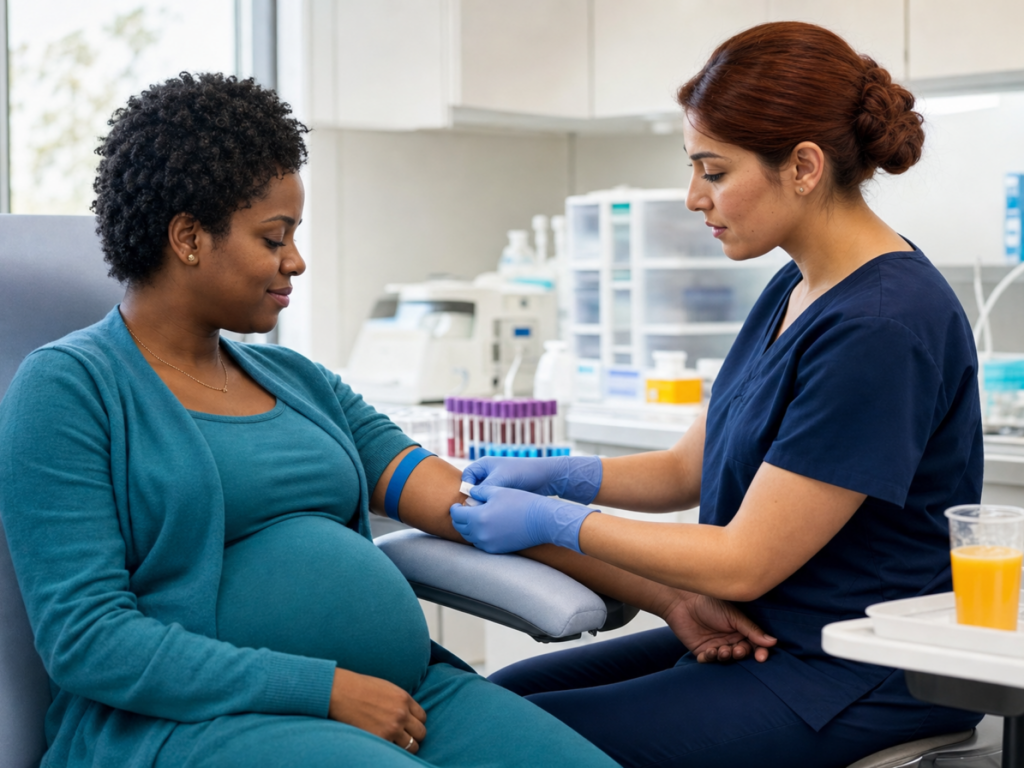
Glucose testing in pregnancy is a common part of prenatal care, but it can still bring anxiety. Many people worry that an abnormal result means they have done something wrong, or that pregnancy will suddenly become medically complicated. In reality, glucose screening is a tool: it helps your care team identify how your body is handling glucose during pregnancy so that, if needed, support can begin early.
This article explains the one-hour glucose screening test and the oral glucose tolerance test, often called the OGTT. It focuses on what the tests are for, how they are performed, how preparation may differ, and what results can mean. It is not a substitute for individualized medical advice; thresholds and protocols vary by country, laboratory, and clinical guideline, so your obstetrician, midwife, endocrinologist, or diabetes care team should interpret your results in context.
Highlights
The one-hour glucose screening test is usually a screening test, not a diagnosis. An elevated result often means that additional testing, commonly an OGTT, is needed.
The OGTT measures how your body processes a measured glucose load over time. In pregnancy, it is used to assess for gestational diabetes mellitus.
Preparation matters. Some OGTT protocols require fasting, while many one-hour screening tests do not; always follow the instructions from your own clinic or laboratory.
An abnormal glucose test is not a moral failure. Placental hormones can increase insulin resistance even in people who had normal glucose metabolism before pregnancy.
Prompt follow-up is important because identifying gestational diabetes can reduce risks through nutrition support, glucose monitoring, and medical care when appropriate.
Why glucose testing is done in pregnancy
During pregnancy, the placenta produces hormones that help support fetal growth but can also make the pregnant person’s cells more resistant to insulin. Insulin is the hormone that helps move glucose from the bloodstream into cells. As pregnancy progresses, especially in the second and third trimesters, insulin resistance normally increases. Most people compensate by producing more insulin. When the pancreas cannot keep up with this increased demand, blood glucose levels may rise.
Gestational diabetes mellitus, or GDM, is glucose intolerance first recognized during pregnancy. It may occur in people with no prior diagnosis of diabetes and sometimes with few or no noticeable symptoms. This is why routine testing is commonly offered, often between 24 and 28 weeks of pregnancy. Some people are tested earlier if they have risk factors such as a prior history of gestational diabetes, known prediabetes, polycystic ovary syndrome, higher body mass index, a strong family history of diabetes, or previous delivery of a large-for-gestational-age infant.
The purpose of testing is not to label or blame. It is to identify elevated glucose early enough to reduce complications. Untreated or insufficiently controlled gestational diabetes can increase the chance of fetal overgrowth, shoulder dystocia, neonatal hypoglycemia, hypertensive disorders of pregnancy, cesarean birth, and later metabolic risk for both parent and child. With appropriate care, many people with gestational diabetes have healthy pregnancies and births.
Glucose screening test: what the one-hour test does
The glucose screening test, often called the one-hour glucose challenge test, is commonly used as the first step in a two-step approach to gestational diabetes screening. It is designed to identify people who may need more definitive testing. In many settings, you do not need to fast before this screening test, although instructions vary.
During the test, you drink a sweet liquid containing a fixed amount of glucose, commonly 50 grams in many pregnancy screening protocols. A blood sample is taken one hour later to measure your blood glucose concentration. The drink is very sweet, and some people feel mildly nauseated, warm, or lightheaded. These sensations usually pass, but you should tell the laboratory staff if you feel unwell.
If the one-hour value is below the clinic’s threshold, no further testing may be needed. If it is above the threshold, this does not automatically mean you have gestational diabetes. It means your result is abnormal for screening purposes and your clinician may recommend an OGTT, often a longer fasting test with multiple blood draws. Some practices use a one-step diagnostic OGTT instead of the initial screening test, so it is normal for friends or relatives to describe a different process.
OGTT: how the oral glucose tolerance test works
The oral glucose tolerance test measures your body’s glucose response over a defined period after you drink a measured glucose solution. Outside pregnancy, OGTTs are used to help diagnose diabetes and prediabetes. In pregnancy, they are used to assess for gestational diabetes, either after an abnormal screening test or as a one-step test depending on local practice.
For many OGTT protocols, you will be asked to fast beforehand, often overnight. A fasting blood sample is taken first. You then drink a glucose solution, and blood samples are collected at scheduled intervals. The exact timing depends on the protocol: some tests measure glucose at fasting and two hours, while pregnancy protocols may include fasting, one-hour, two-hour, and sometimes three-hour samples.
A typical OGTT visit may include the following steps:
- Confirming your identity, pregnancy status, and test instructions.
- Taking a fasting blood sample if the protocol requires fasting.
- Drinking the glucose solution within the required time.
- Remaining at the clinic or laboratory without eating, drinking anything other than permitted water, smoking, or exercising.
- Having timed blood draws until the test is complete.
The waiting period can feel long, especially if fasting makes you uncomfortable. Bringing something quiet to read or listen to, arranging childcare if needed, and asking whether you can sip water may make the experience easier.
Preparation: fasting, medications, and practical details
Preparation depends on the test your clinician ordered. For a one-hour glucose screening test, many clinics allow usual eating beforehand, though they may advise avoiding a very high-sugar meal immediately before the appointment. For an OGTT, fasting is often required. You may be told not to eat or drink anything except water for a specified number of hours before the test.
Follow your own laboratory’s instructions carefully because inaccurate preparation can affect results. If you accidentally eat, vomit after the glucose drink, take a medication at the wrong time, or become ill, tell the staff rather than trying to continue silently. The test may need to be rescheduled or interpreted with caution.
Ask your healthcare professional in advance about medications and supplements. Do not stop prescribed medication unless your clinician tells you to. Some medications, recent illness, physical stress, and reduced activity can influence glucose levels. If you have had bariatric surgery, severe nausea and vomiting of pregnancy, or a condition that makes glucose drinks difficult to tolerate, discuss alternatives or modified testing plans with your care team.
On test day, it can help to wear comfortable clothing with sleeves that are easy to roll up. Because multiple blood samples may be needed, tell the phlebotomist if you have a history of fainting, difficult blood draws, or feeling unwell with fasting. After the test, you may want to eat a balanced snack or meal, especially if you have been fasting.
Understanding results without overinterpreting them
Glucose test interpretation depends on the protocol used, the glucose dose, the timing of blood draws, and the diagnostic criteria chosen by the practice or health system. This is one reason you may see different numbers online. A one-hour screening result may be considered elevated at one threshold in one clinic and at a slightly different threshold elsewhere.
For nonpregnant adults, a two-hour OGTT has commonly used categories for normal glucose tolerance, prediabetes, and diabetes. Pregnancy testing uses different criteria because the clinical question is different: the aim is to identify glucose levels associated with pregnancy-specific risks. In some pregnancy protocols, one abnormal OGTT value may be sufficient for diagnosis; in others, two or more abnormal values may be required. Your clinician should explain which criteria are being applied.
If your screening test is abnormal but the OGTT is normal, your care team may simply continue routine prenatal care or may recommend general lifestyle measures. If the OGTT is abnormal, your clinician may discuss gestational diabetes causes and diagnosis, nutrition counseling, home glucose monitoring, activity recommendations when safe, fetal growth surveillance, or medication if glucose targets are not met. These decisions should be individualized rather than based on a single number in isolation.
What an abnormal result may mean emotionally and medically
It is very common to feel worried, disappointed, or even guilty after an abnormal glucose result. Pregnancy already involves many tests, and another follow-up appointment can feel overwhelming. Try to remember that gestational diabetes is strongly influenced by placental hormones and individual biology. Eating habits matter, but they are not the whole explanation.
Medically, an abnormal result is a prompt for a plan. Many people manage gestational diabetes with nutrition changes, appropriate physical activity, and glucose monitoring. Some need medication such as insulin or other therapies recommended by their clinician. Needing medication does not mean you failed; it means your body needs additional support to keep glucose in a safer range.
Good communication helps. Ask what your exact results were, which diagnostic criteria were used, what glucose targets apply to you if monitoring is recommended, and how quickly you should follow up. If you have a history of disordered eating, food insecurity, needle anxiety, or trauma related to medical care, tell your team. These factors can and should shape a compassionate care plan.
After the test and postpartum follow-up
After a glucose screening test or OGTT, you can usually return to normal activities unless your care team advises otherwise. If you fasted, eat and drink as soon as you are allowed. If you feel dizzy, sweaty, weak, or faint, notify staff before leaving the facility.
If gestational diabetes is diagnosed, follow-up usually involves education and monitoring during pregnancy. Your care team may include an obstetric clinician, diabetes educator, dietitian, endocrinologist, or maternal-fetal medicine specialist. The plan may change as pregnancy progresses because insulin resistance often increases later in gestation.
Postpartum follow-up is also important. Gestational diabetes usually improves after the placenta is delivered, but it increases the future risk of type 2 diabetes. Many guidelines recommend postpartum glucose testing, often with an OGTT or other glucose assessment, and ongoing periodic screening. If you are planning another pregnancy, preconception review can be useful, especially if you have a history of diabetes, insulin resistance, metabolic disorders, and female fertility concerns.
When to seek medical guidance promptly
- Contact your clinic if you vomit during the glucose drink or cannot complete the test.
- Tell staff immediately if you feel faint, confused, very weak, or have symptoms that worry you during testing.
- Do not ignore an abnormal screening result; ask when and how follow-up testing should be completed.
- If you already have diabetes or use glucose-lowering medication, clarify testing instructions with your clinician beforehand.
- Seek urgent care for severe dehydration, persistent vomiting, chest pain, shortness of breath, or decreased fetal movement according to your maternity unit’s advice.
Tools & Assistance
- Prenatal care appointment to review your personal testing schedule
- Laboratory instructions for fasting and permitted fluids before OGTT
- Registered dietitian or diabetes educator if gestational diabetes is diagnosed
- Home glucose meter teaching if monitoring is recommended
- Postpartum glucose follow-up plan after a pregnancy affected by gestational diabetes
FAQ
Is the one-hour glucose test the same as the OGTT?
Not usually. The one-hour glucose challenge is often a screening test, while the OGTT is a longer test with timed blood draws that may be used diagnostically. Some clinics use a one-step OGTT instead of a separate screening test.
Do I need to fast before glucose testing in pregnancy?
It depends on the test and local protocol. Many one-hour screening tests do not require fasting, while many OGTTs do. Follow the exact instructions from your clinic or laboratory.
Does an abnormal screening test mean I have gestational diabetes?
An abnormal screening result usually means further testing is needed. It does not always confirm gestational diabetes. Your clinician will interpret the result using the relevant criteria.
Can I drink water during the OGTT?
Many protocols allow small amounts of water, but rules can vary. Ask the laboratory staff before and during the test so you do not accidentally affect the result.
What happens if I am diagnosed with gestational diabetes?
Your care team may recommend nutrition counseling, glucose monitoring, safe physical activity, additional fetal assessment, and sometimes medication. The plan should be individualized to your pregnancy and medical history.
Sources
- MedlinePlus Medical Encyclopedia — Glucose Tolerance Test
- MyHealth Alberta — Oral Glucose Tolerance Test (OGTT)
- Cleveland Clinic — Glucose Tolerance Test (GTT): What It Is, Preparation & Results
Disclaimer
This article is for informational purposes only and does not replace medical advice, diagnosis, or treatment. Always discuss glucose testing, results, and follow-up care with your qualified healthcare professional.















Please log in to leave a comment.