Special Pregnancy Cases

Not every pregnancy follows the “standard” path. Age, previous miscarriage, C-section scars, twins, IVF, PCOS, diabetes, high blood pressure, thyroid problems, obesity, breastfeeding, infections, medications, mental health, demanding work, genetic risks, or previous complications can all change what care looks like.

This page explains special pregnancy cases and high-risk situations in a clear, practical way. It covers when extra monitoring may be needed, how pregnancy care may be adjusted, what risks to discuss with a doctor, and how to manage pregnancy when your situation is more complex than average.

Age Matters

Workplace adjustments and when to stop working

Workplace adjustments and when to stop working

Start with function, not assumptions When pregnancy and work start to clash, the most useful question is not “Can I work at all?” but “What part of the job is no longer compatible with my current physiology?” Pregnancy can alter fatigue, balance, nausea, sleep quality, thermoregulation, bladder frequency, and musculoskeletal tolerance. That means a job […]

Late care pregnancy risks overview

Late care pregnancy risks overview

What late prenatal care means In an ideal setting, prenatal care starts early in the first trimester. That early entry gives clinicians time to confirm dating, review medical history, screen for anemia, blood type issues, infections, and metabolic conditions, and establish a baseline for blood pressure and fetal growth. When the first visit happens in […]
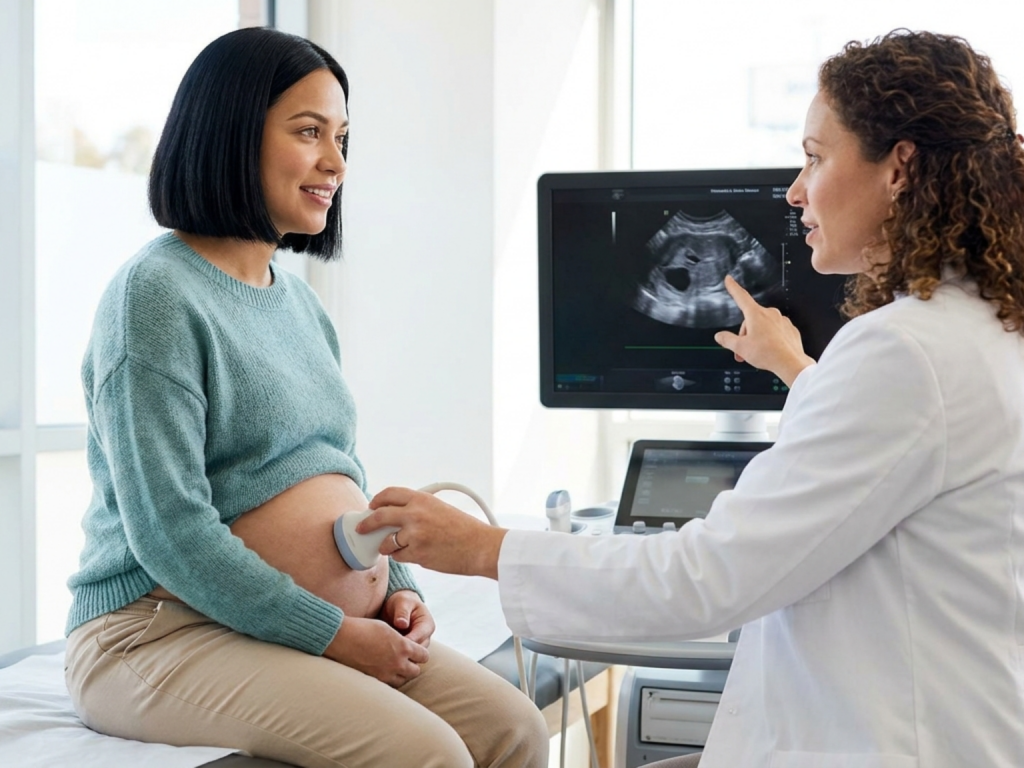
Medical supervision in complex pregnancies

Medical supervision in complex pregnancies

Why complex pregnancies need closer medical supervision Not every pregnancy with added risk follows the same course, but many benefit from a lower threshold for review, more frequent assessment, and earlier escalation if something changes. In practice, complex supervision is designed to answer a simple question repeatedly: is mother and baby still well enough for […]

Monitoring strategies in special pregnancy cases

Monitoring strategies in special pregnancy cases

Why monitoring becomes more individualized In a typical low-risk pregnancy, routine prenatal visits may be enough to follow maternal well-being and fetal growth. Special pregnancy cases are different because the main clinical question changes from “Is the pregnancy progressing normally?” to “Is there an early sign that the mother, fetus, or placenta needs closer attention?” […]

Starting care late and adjusting care in pregnancy

Starting care late and adjusting care in pregnancy

Why prenatal care sometimes starts late Late entry into care is often a systems problem as much as an individual one. People may face transportation barriers, cost concerns, work conflicts, difficulty finding an appointment, unstable housing, language barriers, immigration-related fears, or caregiving responsibilities that make scheduling hard. Some people also enter care late because they […]

Pregnancy with unknown due date and late discovery

Pregnancy with unknown due date and late discovery

What an unknown due date really means An unknown due date usually means that the usual dating tools are missing or weak. In an ideal situation, the estimated due date (EDD) is assigned from a reliable last menstrual period and then confirmed or revised by an early ultrasound. When pregnancy is discovered late, however, the […]

Pregnancy with previous complications

Pregnancy with previous complications

Why a prior complication changes the risk conversation Past pregnancy complications matter because many of them are not random events. They may be linked to placental dysfunction, hypertension, metabolic disease, infection, cervical factors, or an underlying medical condition that also affects the next pregnancy. For example, someone with prior preeclampsia, gestational diabetes, preterm birth, fetal […]

Carrier conditions and inherited risk management

Carrier conditions and inherited risk management

What carrier status means A carrier is a person who has one copy of a genetic variant associated with a condition but usually does not have the condition themselves. This is most often discussed in autosomal recessive disorders, where a child typically needs to inherit two disease-causing variants, one from each genetic parent, to be […]

Genetic screening decisions and counseling

Genetic screening decisions and counseling

Why counseling matters before any test is ordered Genetic counseling is a structured conversation that helps people understand whether a genetic condition may affect them or their pregnancy and whether testing is appropriate. Counselors typically collect personal and family history, including prior pregnancies, known inherited conditions, miscarriages, and relevant findings in relatives. That history helps […]

Pregnancy after relationship changes and long-distance relationships

Pregnancy after relationship changes and long-distance relationships

Why relationship changes matter in pregnancy Pregnancy is a biological process, but it is also a relational one. Attachment, financial security, housing stability, and shared decision-making can all influence how smoothly someone moves through antenatal care. When a relationship changes, the stress is not only emotional; it can also affect appointment attendance, medication adherence, nutrition, […]

Popular Service

Not the First Pregnancy

Late care pregnancy risks overview

Late care pregnancy risks overview

What late prenatal care means In an ideal setting, prenatal care starts early in the first trimester. That early entry gives clinicians time to confirm dating, review medical history, screen for anemia, blood type issues, infections, and metabolic conditions, and establish a baseline for blood pressure and fetal growth. When the first visit happens in […]

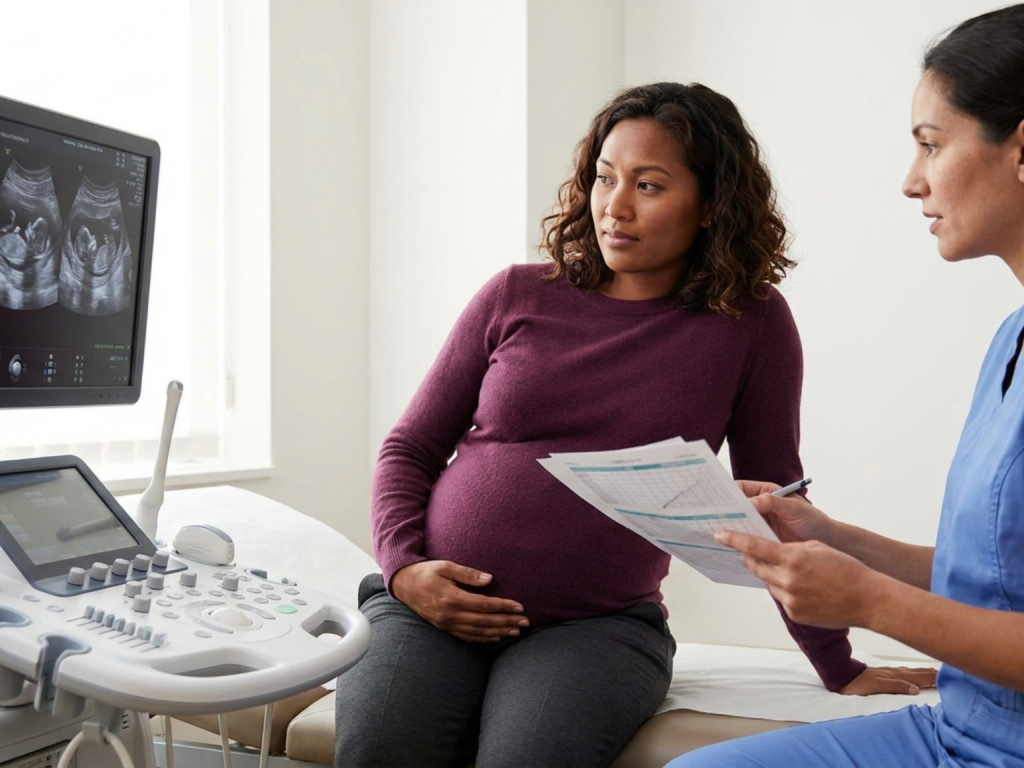
High-risk pregnancy classification explained

High-risk pregnancy classification explained

Why there is no single universal definition High-risk pregnancy is not a single diagnosis with one fixed definition. The literature shows substantial variation across studies and health systems, which is one reason the term can be frustrating for patients and clinicians alike. In general, it is a risk stratification concept rather than a disease category. […]

Starting care late and adjusting care in pregnancy

Starting care late and adjusting care in pregnancy

Why prenatal care sometimes starts late Late entry into care is often a systems problem as much as an individual one. People may face transportation barriers, cost concerns, work conflicts, difficulty finding an appointment, unstable housing, language barriers, immigration-related fears, or caregiving responsibilities that make scheduling hard. Some people also enter care late because they […]

Unplanned pregnancy and lack of early care risks

Unplanned pregnancy and lack of early care risks

Why early pregnancy care changes risk Early pregnancy care is not only about scheduling a future delivery. It is the first opportunity to confirm that a pregnancy is present, estimate gestational age, identify urgent complications, review medical history, and reduce exposures that may affect embryonic development. In the first trimester, organ formation begins before many […]

Pregnancy with unknown due date and late discovery

Pregnancy with unknown due date and late discovery

What an unknown due date really means An unknown due date usually means that the usual dating tools are missing or weak. In an ideal situation, the estimated due date (EDD) is assigned from a reliable last menstrual period and then confirmed or revised by an early ultrasound. When pregnancy is discovered late, however, the […]

Pregnancy with previous complications

Pregnancy with previous complications

Why a prior complication changes the risk conversation Past pregnancy complications matter because many of them are not random events. They may be linked to placental dysfunction, hypertension, metabolic disease, infection, cervical factors, or an underlying medical condition that also affects the next pregnancy. For example, someone with prior preeclampsia, gestational diabetes, preterm birth, fetal […]

Carrier conditions and inherited risk management

Carrier conditions and inherited risk management

What carrier status means A carrier is a person who has one copy of a genetic variant associated with a condition but usually does not have the condition themselves. This is most often discussed in autosomal recessive disorders, where a child typically needs to inherit two disease-causing variants, one from each genetic parent, to be […]

Genetic screening decisions and counseling

Genetic screening decisions and counseling

Why counseling matters before any test is ordered Genetic counseling is a structured conversation that helps people understand whether a genetic condition may affect them or their pregnancy and whether testing is appropriate. Counselors typically collect personal and family history, including prior pregnancies, known inherited conditions, miscarriages, and relevant findings in relatives. That history helps […]

Pregnancy after relationship changes and long-distance relationships

Pregnancy after relationship changes and long-distance relationships

Why relationship changes matter in pregnancy Pregnancy is a biological process, but it is also a relational one. Attachment, financial security, housing stability, and shared decision-making can all influence how smoothly someone moves through antenatal care. When a relationship changes, the stress is not only emotional; it can also affect appointment attendance, medication adherence, nutrition, […]

Fever during pregnancy risks

Fever during pregnancy risks

Why fever matters in pregnancy Fever reflects an elevated core body temperature, usually as part of the immune response to infection. In pregnancy, that physiologic response deserves extra attention because maternal illness can affect uteroplacental function, hydration status, and, depending on timing, fetal development. A short, self-limited fever may pass without consequence, but prolonged, recurrent, […]

Pregnancy After Loss

Workplace adjustments and when to stop working

Workplace adjustments and when to stop working

Start with function, not assumptions When pregnancy and work start to clash, the most useful question is not “Can I work at all?” but “What part of the job is no longer compatible with my current physiology?” Pregnancy can alter fatigue, balance, nausea, sleep quality, thermoregulation, bladder frequency, and musculoskeletal tolerance. That means a job […]

Late care pregnancy risks overview

Late care pregnancy risks overview

What late prenatal care means In an ideal setting, prenatal care starts early in the first trimester. That early entry gives clinicians time to confirm dating, review medical history, screen for anemia, blood type issues, infections, and metabolic conditions, and establish a baseline for blood pressure and fetal growth. When the first visit happens in […]

Medical supervision in complex pregnancies

Medical supervision in complex pregnancies

Why complex pregnancies need closer medical supervision Not every pregnancy with added risk follows the same course, but many benefit from a lower threshold for review, more frequent assessment, and earlier escalation if something changes. In practice, complex supervision is designed to answer a simple question repeatedly: is mother and baby still well enough for […]

High-risk pregnancy classification explained

High-risk pregnancy classification explained

Why there is no single universal definition High-risk pregnancy is not a single diagnosis with one fixed definition. The literature shows substantial variation across studies and health systems, which is one reason the term can be frustrating for patients and clinicians alike. In general, it is a risk stratification concept rather than a disease category. […]

Monitoring strategies in special pregnancy cases

Monitoring strategies in special pregnancy cases

Why monitoring becomes more individualized In a typical low-risk pregnancy, routine prenatal visits may be enough to follow maternal well-being and fetal growth. Special pregnancy cases are different because the main clinical question changes from “Is the pregnancy progressing normally?” to “Is there an early sign that the mother, fetus, or placenta needs closer attention?” […]

Starting care late and adjusting care in pregnancy

Starting care late and adjusting care in pregnancy

Why prenatal care sometimes starts late Late entry into care is often a systems problem as much as an individual one. People may face transportation barriers, cost concerns, work conflicts, difficulty finding an appointment, unstable housing, language barriers, immigration-related fears, or caregiving responsibilities that make scheduling hard. Some people also enter care late because they […]

Unplanned pregnancy and lack of early care risks

Unplanned pregnancy and lack of early care risks

Why early pregnancy care changes risk Early pregnancy care is not only about scheduling a future delivery. It is the first opportunity to confirm that a pregnancy is present, estimate gestational age, identify urgent complications, review medical history, and reduce exposures that may affect embryonic development. In the first trimester, organ formation begins before many […]

Pregnancy with unknown due date and late discovery

Pregnancy with unknown due date and late discovery

What an unknown due date really means An unknown due date usually means that the usual dating tools are missing or weak. In an ideal situation, the estimated due date (EDD) is assigned from a reliable last menstrual period and then confirmed or revised by an early ultrasound. When pregnancy is discovered late, however, the […]

Pregnancy with previous complications

Pregnancy with previous complications

Why a prior complication changes the risk conversation Past pregnancy complications matter because many of them are not random events. They may be linked to placental dysfunction, hypertension, metabolic disease, infection, cervical factors, or an underlying medical condition that also affects the next pregnancy. For example, someone with prior preeclampsia, gestational diabetes, preterm birth, fetal […]

Carrier conditions and inherited risk management

Carrier conditions and inherited risk management

What carrier status means A carrier is a person who has one copy of a genetic variant associated with a condition but usually does not have the condition themselves. This is most often discussed in autosomal recessive disorders, where a child typically needs to inherit two disease-causing variants, one from each genetic parent, to be […]

C-Section and Uterine Scars

Pregnancy after C-section and VBAC risks and benefits

Pregnancy after C-section and VBAC risks and benefits

Understanding pregnancy after a previous cesarean A previous cesarean section does not automatically mean every future birth must also be by cesarean. Many people with one prior low-transverse uterine incision may be candidates for TOLAC, depending on their full clinical picture. A low-transverse incision is a horizontal incision in the lower uterine segment; it is […]

Unplanned pregnancy and lack of early care risks

Unplanned pregnancy and lack of early care risks

Why early pregnancy care changes risk Early pregnancy care is not only about scheduling a future delivery. It is the first opportunity to confirm that a pregnancy is present, estimate gestational age, identify urgent complications, review medical history, and reduce exposures that may affect embryonic development. In the first trimester, organ formation begins before many […]

Pregnancy with unknown due date and late discovery

Pregnancy with unknown due date and late discovery

What an unknown due date really means An unknown due date usually means that the usual dating tools are missing or weak. In an ideal situation, the estimated due date (EDD) is assigned from a reliable last menstrual period and then confirmed or revised by an early ultrasound. When pregnancy is discovered late, however, the […]

Pregnancy with previous complications

Pregnancy with previous complications

Why a prior complication changes the risk conversation Past pregnancy complications matter because many of them are not random events. They may be linked to placental dysfunction, hypertension, metabolic disease, infection, cervical factors, or an underlying medical condition that also affects the next pregnancy. For example, someone with prior preeclampsia, gestational diabetes, preterm birth, fetal […]

Nutritional needs and when to stop breastfeeding during pregnancy

Nutritional needs and when to stop breastfeeding during pregnancy

Can breastfeeding continue during pregnancy? For many people, yes. Pregnancy itself is not an automatic reason to stop breastfeeding. The practical question is whether continuing is compatible with maternal comfort, nutrition, and the clinical course of the pregnancy. Some people breastfeed through pregnancy without major difficulty, while others notice fatigue, nipple sensitivity, nausea, or a […]

Pregnancy after long infertility journey

Pregnancy after long infertility journey

What pregnancy after infertility often feels like Biologically, a pregnancy is a pregnancy. Emotionally, however, pregnancy after infertility can feel very different from a pregnancy that came quickly and easily. Many people describe a strange combination of gratitude and guardedness, where every symptom is interpreted, every scan is anticipated, and every quiet moment is shadowed […]

Pregnancy after IUI and ovulation induction

Pregnancy after IUI and ovulation induction

What a pregnancy means after IUI and ovulation induction After IUI, the pregnancy process itself is no different from conception without treatment: sperm and egg meet, implantation occurs, and placental hormones begin to rise. The key difference is that ovulation has often been stimulated and closely tracked, which helps narrow the fertile window and support […]

Pregnancy with irregular cycles and hormone imbalance

Pregnancy with irregular cycles and hormone imbalance

What irregular cycles mean in a pregnancy context A menstrual cycle is considered irregular when bleeding intervals vary substantially from month to month, when cycles are very long or very short, or when periods are absent for several months at a time. In a pregnancy context, the main issue is not the bleeding pattern itself […]

Pregnancy with fibroids and ovarian cysts

Pregnancy with fibroids and ovarian cysts

What these diagnoses usually mean Uterine fibroids are benign smooth-muscle tumors of the uterus, also called leiomyomas. In pregnancy, they are often discovered incidentally on ultrasound because many people have no symptoms before conception. Ovarian cysts are fluid-filled or partly solid masses arising from the ovary; in pregnancy, many are functional cysts related to normal […]

Pregnancy after abortion and ectopic pregnancy risks

Pregnancy after abortion and ectopic pregnancy risks

Fertility can return faster than many people expect After an abortion, the reproductive system can recover quickly. Ovulation may resume within a short time, which means a person can become pregnant again before the first post-abortion period has even occurred. The practical takeaway is simple: if pregnancy is not desired, contraception should be considered as […]

Health Conditions

Workplace adjustments and when to stop working

Workplace adjustments and when to stop working

Start with function, not assumptions When pregnancy and work start to clash, the most useful question is not “Can I work at all?” but “What part of the job is no longer compatible with my current physiology?” Pregnancy can alter fatigue, balance, nausea, sleep quality, thermoregulation, bladder frequency, and musculoskeletal tolerance. That means a job […]

Late care pregnancy risks overview

Late care pregnancy risks overview

What late prenatal care means In an ideal setting, prenatal care starts early in the first trimester. That early entry gives clinicians time to confirm dating, review medical history, screen for anemia, blood type issues, infections, and metabolic conditions, and establish a baseline for blood pressure and fetal growth. When the first visit happens in […]

Medical supervision in complex pregnancies

Medical supervision in complex pregnancies

Why complex pregnancies need closer medical supervision Not every pregnancy with added risk follows the same course, but many benefit from a lower threshold for review, more frequent assessment, and earlier escalation if something changes. In practice, complex supervision is designed to answer a simple question repeatedly: is mother and baby still well enough for […]

High-risk pregnancy classification explained

High-risk pregnancy classification explained

Why there is no single universal definition High-risk pregnancy is not a single diagnosis with one fixed definition. The literature shows substantial variation across studies and health systems, which is one reason the term can be frustrating for patients and clinicians alike. In general, it is a risk stratification concept rather than a disease category. […]

Starting care late and adjusting care in pregnancy

Starting care late and adjusting care in pregnancy

Why prenatal care sometimes starts late Late entry into care is often a systems problem as much as an individual one. People may face transportation barriers, cost concerns, work conflicts, difficulty finding an appointment, unstable housing, language barriers, immigration-related fears, or caregiving responsibilities that make scheduling hard. Some people also enter care late because they […]

Unplanned pregnancy and lack of early care risks

Unplanned pregnancy and lack of early care risks

Why early pregnancy care changes risk Early pregnancy care is not only about scheduling a future delivery. It is the first opportunity to confirm that a pregnancy is present, estimate gestational age, identify urgent complications, review medical history, and reduce exposures that may affect embryonic development. In the first trimester, organ formation begins before many […]

Pregnancy with previous complications

Pregnancy with previous complications

Why a prior complication changes the risk conversation Past pregnancy complications matter because many of them are not random events. They may be linked to placental dysfunction, hypertension, metabolic disease, infection, cervical factors, or an underlying medical condition that also affects the next pregnancy. For example, someone with prior preeclampsia, gestational diabetes, preterm birth, fetal […]

Carrier conditions and inherited risk management

Carrier conditions and inherited risk management

What carrier status means A carrier is a person who has one copy of a genetic variant associated with a condition but usually does not have the condition themselves. This is most often discussed in autosomal recessive disorders, where a child typically needs to inherit two disease-causing variants, one from each genetic parent, to be […]

Genetic screening decisions and counseling

Genetic screening decisions and counseling

Why counseling matters before any test is ordered Genetic counseling is a structured conversation that helps people understand whether a genetic condition may affect them or their pregnancy and whether testing is appropriate. Counselors typically collect personal and family history, including prior pregnancies, known inherited conditions, miscarriages, and relevant findings in relatives. That history helps […]

Pregnancy after relationship changes and long-distance relationships

Pregnancy after relationship changes and long-distance relationships

Why relationship changes matter in pregnancy Pregnancy is a biological process, but it is also a relational one. Attachment, financial security, housing stability, and shared decision-making can all influence how smoothly someone moves through antenatal care. When a relationship changes, the stress is not only emotional; it can also affect appointment attendance, medication adherence, nutrition, […]

Twins or More

Identical vs fraternal twins differences

Identical vs fraternal twins differences

The basic biology behind twin types Twin pregnancy begins in one of two broad ways. In a monozygotic pregnancy, a single egg is fertilized by a single sperm, creating one zygote. That early embryo then splits into two separate embryonic lines, which develop into identical twins. In a dizygotic pregnancy, two eggs are released in […]

High-risk multiple pregnancy and twin complications

High-risk multiple pregnancy and twin complications

Why multiple pregnancy carries higher risk In a multiple pregnancy, the uterus, placenta, and maternal cardiovascular system must support more than one fetus at the same time. That extra demand explains why complications are more common than in singleton pregnancy, and why the risk generally rises with fetal number. Twin pregnancy is already higher risk; […]

Pregnancy with twins and triplet pregnancy risks

Pregnancy with twins and triplet pregnancy risks

Why multiple pregnancies are considered higher risk A multiple pregnancy means more than one fetus is developing in the uterus. Twins may be dizygotic, arising from two separate eggs, or monozygotic, arising from one fertilized egg that splits. Triplets can occur in several combinations, such as three separate embryos or one embryo splitting in addition […]

IVF Pregnancy

Workplace adjustments and when to stop working

Workplace adjustments and when to stop working

Start with function, not assumptions When pregnancy and work start to clash, the most useful question is not “Can I work at all?” but “What part of the job is no longer compatible with my current physiology?” Pregnancy can alter fatigue, balance, nausea, sleep quality, thermoregulation, bladder frequency, and musculoskeletal tolerance. That means a job […]

Late care pregnancy risks overview

Late care pregnancy risks overview

What late prenatal care means In an ideal setting, prenatal care starts early in the first trimester. That early entry gives clinicians time to confirm dating, review medical history, screen for anemia, blood type issues, infections, and metabolic conditions, and establish a baseline for blood pressure and fetal growth. When the first visit happens in […]

Medical supervision in complex pregnancies

Medical supervision in complex pregnancies

Why complex pregnancies need closer medical supervision Not every pregnancy with added risk follows the same course, but many benefit from a lower threshold for review, more frequent assessment, and earlier escalation if something changes. In practice, complex supervision is designed to answer a simple question repeatedly: is mother and baby still well enough for […]

High-risk pregnancy classification explained

High-risk pregnancy classification explained

Why there is no single universal definition High-risk pregnancy is not a single diagnosis with one fixed definition. The literature shows substantial variation across studies and health systems, which is one reason the term can be frustrating for patients and clinicians alike. In general, it is a risk stratification concept rather than a disease category. […]

Monitoring strategies in special pregnancy cases

Monitoring strategies in special pregnancy cases

Why monitoring becomes more individualized In a typical low-risk pregnancy, routine prenatal visits may be enough to follow maternal well-being and fetal growth. Special pregnancy cases are different because the main clinical question changes from “Is the pregnancy progressing normally?” to “Is there an early sign that the mother, fetus, or placenta needs closer attention?” […]

Starting care late and adjusting care in pregnancy

Starting care late and adjusting care in pregnancy

Why prenatal care sometimes starts late Late entry into care is often a systems problem as much as an individual one. People may face transportation barriers, cost concerns, work conflicts, difficulty finding an appointment, unstable housing, language barriers, immigration-related fears, or caregiving responsibilities that make scheduling hard. Some people also enter care late because they […]

Unplanned pregnancy and lack of early care risks

Unplanned pregnancy and lack of early care risks

Why early pregnancy care changes risk Early pregnancy care is not only about scheduling a future delivery. It is the first opportunity to confirm that a pregnancy is present, estimate gestational age, identify urgent complications, review medical history, and reduce exposures that may affect embryonic development. In the first trimester, organ formation begins before many […]

Pregnancy with unknown due date and late discovery

Pregnancy with unknown due date and late discovery

What an unknown due date really means An unknown due date usually means that the usual dating tools are missing or weak. In an ideal situation, the estimated due date (EDD) is assigned from a reliable last menstrual period and then confirmed or revised by an early ultrasound. When pregnancy is discovered late, however, the […]

Pregnancy with previous complications

Pregnancy with previous complications

Why a prior complication changes the risk conversation Past pregnancy complications matter because many of them are not random events. They may be linked to placental dysfunction, hypertension, metabolic disease, infection, cervical factors, or an underlying medical condition that also affects the next pregnancy. For example, someone with prior preeclampsia, gestational diabetes, preterm birth, fetal […]

Carrier conditions and inherited risk management

Carrier conditions and inherited risk management

What carrier status means A carrier is a person who has one copy of a genetic variant associated with a condition but usually does not have the condition themselves. This is most often discussed in autosomal recessive disorders, where a child typically needs to inherit two disease-causing variants, one from each genetic parent, to be […]

Breastfeeding, Illness and Medicines

Medical supervision in complex pregnancies

Medical supervision in complex pregnancies

Why complex pregnancies need closer medical supervision Not every pregnancy with added risk follows the same course, but many benefit from a lower threshold for review, more frequent assessment, and earlier escalation if something changes. In practice, complex supervision is designed to answer a simple question repeatedly: is mother and baby still well enough for […]

Unplanned pregnancy and lack of early care risks

Unplanned pregnancy and lack of early care risks

Why early pregnancy care changes risk Early pregnancy care is not only about scheduling a future delivery. It is the first opportunity to confirm that a pregnancy is present, estimate gestational age, identify urgent complications, review medical history, and reduce exposures that may affect embryonic development. In the first trimester, organ formation begins before many […]

Pregnancy with bipolar disorder and PTSD

Pregnancy with bipolar disorder and PTSD

Why bipolar disorder and PTSD together require coordinated care Bipolar disorder is characterized by episodic mood disturbance, including depression and hypomania or mania, while PTSD involves re-experiencing, avoidance, negative alterations in mood and cognition, and hyperarousal after trauma. During pregnancy, those syndromes can interact. Sleep loss may worsen mania risk; intrusive memories and hypervigilance may […]

Can breastfeeding prevent pregnancy and overlapping risks

Can breastfeeding prevent pregnancy and overlapping risks

How breastfeeding can delay fertility Breastfeeding can reduce fertility because frequent suckling helps maintain higher prolactin levels, which in turn suppress the hypothalamic-pituitary-ovarian axis. In practical terms, the brain is less likely to release the hormonal signals that trigger follicular development and ovulation. This natural suppression is the basis of the lactational amenorrhea method criteria. […]

Nutritional needs and when to stop breastfeeding during pregnancy

Nutritional needs and when to stop breastfeeding during pregnancy

Can breastfeeding continue during pregnancy? For many people, yes. Pregnancy itself is not an automatic reason to stop breastfeeding. The practical question is whether continuing is compatible with maternal comfort, nutrition, and the clinical course of the pregnancy. Some people breastfeed through pregnancy without major difficulty, while others notice fatigue, nipple sensitivity, nausea, or a […]

Pregnancy with irregular cycles and hormone imbalance

Pregnancy with irregular cycles and hormone imbalance

What irregular cycles mean in a pregnancy context A menstrual cycle is considered irregular when bleeding intervals vary substantially from month to month, when cycles are very long or very short, or when periods are absent for several months at a time. In a pregnancy context, the main issue is not the bleeding pattern itself […]

Pregnancy while breastfeeding and hormonal effects

Pregnancy while breastfeeding and hormonal effects

Can you get pregnant while breastfeeding? Yes. Breastfeeding can delay the return of ovulation, but it is not a completely reliable form of contraception unless very specific lactational amenorrhea criteria are met. The key point is that ovulation can occur before the first postpartum menstrual bleed. This means a person may become pregnant without having […]

Pregnancy after IVF and assisted conception risks

Pregnancy after IVF and assisted conception risks

Why pregnancy after IVF may need closer attention IVF involves ovarian stimulation, egg retrieval, fertilization in the laboratory, embryo culture, and transfer of one or more embryos to the uterus. Other forms of ART and assisted conception may include intracytoplasmic sperm injection (ICSI), donor eggs or sperm, frozen embryo transfer, ovulation induction, and intrauterine insemination. […]

Pregnancy in physically demanding jobs and night shifts

Pregnancy in physically demanding jobs and night shifts

Work is often possible, but pregnancy changes the risk calculation Pregnancy is a physiologic state, not an illness, and many people safely continue employment throughout gestation. The American College of Obstetricians and Gynecologists notes that work is generally safe for uncomplicated pregnancies, while also recognizing that some job tasks may require adjustment. This distinction matters: […]

Pregnancy with mental health conditions

Pregnancy with mental health conditions

Why mental health needs special attention in pregnancy Pregnancy is accompanied by endocrine, immune, metabolic, sleep, and psychosocial changes that can influence emotional regulation and psychiatric stability. Some people feel emotionally steadier during pregnancy, while others experience worsening symptoms or relapse of a pre-existing condition. A previous history of depression, anxiety, bipolar disorder, psychosis, trauma, […]

Life Gets Complicated

High-risk pregnancy classification explained

High-risk pregnancy classification explained

Why there is no single universal definition High-risk pregnancy is not a single diagnosis with one fixed definition. The literature shows substantial variation across studies and health systems, which is one reason the term can be frustrating for patients and clinicians alike. In general, it is a risk stratification concept rather than a disease category. […]

Starting care late and adjusting care in pregnancy

Starting care late and adjusting care in pregnancy

Why prenatal care sometimes starts late Late entry into care is often a systems problem as much as an individual one. People may face transportation barriers, cost concerns, work conflicts, difficulty finding an appointment, unstable housing, language barriers, immigration-related fears, or caregiving responsibilities that make scheduling hard. Some people also enter care late because they […]

Unplanned pregnancy and lack of early care risks

Unplanned pregnancy and lack of early care risks

Why early pregnancy care changes risk Early pregnancy care is not only about scheduling a future delivery. It is the first opportunity to confirm that a pregnancy is present, estimate gestational age, identify urgent complications, review medical history, and reduce exposures that may affect embryonic development. In the first trimester, organ formation begins before many […]

Pregnancy with previous complications

Pregnancy with previous complications

Why a prior complication changes the risk conversation Past pregnancy complications matter because many of them are not random events. They may be linked to placental dysfunction, hypertension, metabolic disease, infection, cervical factors, or an underlying medical condition that also affects the next pregnancy. For example, someone with prior preeclampsia, gestational diabetes, preterm birth, fetal […]

Carrier conditions and inherited risk management

Carrier conditions and inherited risk management

What carrier status means A carrier is a person who has one copy of a genetic variant associated with a condition but usually does not have the condition themselves. This is most often discussed in autosomal recessive disorders, where a child typically needs to inherit two disease-causing variants, one from each genetic parent, to be […]

Genetic screening decisions and counseling

Genetic screening decisions and counseling

Why counseling matters before any test is ordered Genetic counseling is a structured conversation that helps people understand whether a genetic condition may affect them or their pregnancy and whether testing is appropriate. Counselors typically collect personal and family history, including prior pregnancies, known inherited conditions, miscarriages, and relevant findings in relatives. That history helps […]

Pregnancy after relationship changes and long-distance relationships

Pregnancy after relationship changes and long-distance relationships

Why relationship changes matter in pregnancy Pregnancy is a biological process, but it is also a relational one. Attachment, financial security, housing stability, and shared decision-making can all influence how smoothly someone moves through antenatal care. When a relationship changes, the stress is not only emotional; it can also affect appointment attendance, medication adherence, nutrition, […]

Social support and building support systems during pregnancy

Social support and building support systems during pregnancy

Why social support matters during pregnancy Pregnancy brings normal but meaningful changes in mood, energy, sleep, identity, and daily functioning. Even when the pregnancy is uncomplicated, many people experience anticipatory stress: worry about fetal wellbeing, birth, finances, work, relationships, or the capacity to parent. Social support matters because it does more than make someone feel […]

Pregnancy in high-stress and travel-heavy careers

Pregnancy in high-stress and travel-heavy careers

Why travel-heavy, high-stress work feels different in pregnancy Pregnancy changes the baseline. Even in an uncomplicated pregnancy, there may be more fatigue, nausea, reflux, sleep fragmentation, urinary frequency, and sensitivity to missed meals or dehydration. In a job that rewards constant availability, those changes can be hard to accommodate because the body is asking for […]

Pregnancy with bipolar disorder and PTSD

Pregnancy with bipolar disorder and PTSD

Why bipolar disorder and PTSD together require coordinated care Bipolar disorder is characterized by episodic mood disturbance, including depression and hypomania or mania, while PTSD involves re-experiencing, avoidance, negative alterations in mood and cognition, and hyperarousal after trauma. During pregnancy, those syndromes can interact. Sleep loss may worsen mania risk; intrusive memories and hypervigilance may […]

Extra Care Pregnancy

High-risk pregnancy classification explained

High-risk pregnancy classification explained

Why there is no single universal definition High-risk pregnancy is not a single diagnosis with one fixed definition. The literature shows substantial variation across studies and health systems, which is one reason the term can be frustrating for patients and clinicians alike. In general, it is a risk stratification concept rather than a disease category. […]

Pregnancy with previous complications

Pregnancy with previous complications

Why a prior complication changes the risk conversation Past pregnancy complications matter because many of them are not random events. They may be linked to placental dysfunction, hypertension, metabolic disease, infection, cervical factors, or an underlying medical condition that also affects the next pregnancy. For example, someone with prior preeclampsia, gestational diabetes, preterm birth, fetal […]

Pregnancy in high-stress and travel-heavy careers

Pregnancy in high-stress and travel-heavy careers

Why travel-heavy, high-stress work feels different in pregnancy Pregnancy changes the baseline. Even in an uncomplicated pregnancy, there may be more fatigue, nausea, reflux, sleep fragmentation, urinary frequency, and sensitivity to missed meals or dehydration. In a job that rewards constant availability, those changes can be hard to accommodate because the body is asking for […]

Fever during pregnancy risks

Fever during pregnancy risks

Why fever matters in pregnancy Fever reflects an elevated core body temperature, usually as part of the immune response to infection. In pregnancy, that physiologic response deserves extra attention because maternal illness can affect uteroplacental function, hydration status, and, depending on timing, fetal development. A short, self-limited fever may pass without consequence, but prolonged, recurrent, […]

Nutritional needs and when to stop breastfeeding during pregnancy

Nutritional needs and when to stop breastfeeding during pregnancy

Can breastfeeding continue during pregnancy? For many people, yes. Pregnancy itself is not an automatic reason to stop breastfeeding. The practical question is whether continuing is compatible with maternal comfort, nutrition, and the clinical course of the pregnancy. Some people breastfeed through pregnancy without major difficulty, while others notice fatigue, nipple sensitivity, nausea, or a […]

High-risk multiple pregnancy and twin complications

High-risk multiple pregnancy and twin complications

Why multiple pregnancy carries higher risk In a multiple pregnancy, the uterus, placenta, and maternal cardiovascular system must support more than one fetus at the same time. That extra demand explains why complications are more common than in singleton pregnancy, and why the risk generally rises with fetal number. Twin pregnancy is already higher risk; […]

Pregnancy with fibroids and ovarian cysts

Pregnancy with fibroids and ovarian cysts

What these diagnoses usually mean Uterine fibroids are benign smooth-muscle tumors of the uterus, also called leiomyomas. In pregnancy, they are often discovered incidentally on ultrasound because many people have no symptoms before conception. Ovarian cysts are fluid-filled or partly solid masses arising from the ovary; in pregnancy, many are functional cysts related to normal […]

Pregnancy with twins and triplet pregnancy risks

Pregnancy with twins and triplet pregnancy risks

Why multiple pregnancies are considered higher risk A multiple pregnancy means more than one fetus is developing in the uterus. Twins may be dizygotic, arising from two separate eggs, or monozygotic, arising from one fertilized egg that splits. Triplets can occur in several combinations, such as three separate embryos or one embryo splitting in addition […]

Pregnancy with thyroid disorders

Pregnancy with thyroid disorders

Why the thyroid matters in pregnancy The thyroid gland produces thyroxine, also called T4, and triiodothyronine, called T3. These hormones help regulate energy use, cardiovascular function, gastrointestinal motility, temperature regulation, and many aspects of growth and development. During pregnancy, thyroid hormone is particularly important for placental health and fetal neurodevelopment. Several normal pregnancy changes affect […]

Pregnancy after miscarriage: timing and chances

Pregnancy after miscarriage: timing and chances

Understanding recovery after miscarriage Miscarriage is usually defined as pregnancy loss before 20 weeks, although terminology and thresholds vary by country and clinical setting. Early miscarriage is often related to chromosomal abnormalities in the embryo, meaning the pregnancy was not developing normally from the start. This can be a painful fact to hear, but it […]

FAQ — Pregnancy

When should I start preparing for pregnancy?

Many people begin preparing several months before trying to conceive. This time can be used to improve everyday habits, focus on balanced nutrition, get enough sleep, and discuss future plans with a partner.

How do I know when I am most likely to get pregnant?

The days leading up to ovulation and the day of ovulation are generally the most fertile part of the cycle. A cycle calendar, ovulation tests, body changes, or a tracking app may help identify these days.

What changes are common during pregnancy?

Pregnancy can bring changes in energy, appetite, sleep, mood, body shape, and everyday comfort. Every pregnancy is different, and experiences may change from one stage to another.

How can I prepare for the baby during pregnancy?

Preparation can include organizing essential supplies, planning the baby’s sleeping space, discussing family responsibilities, and learning about newborn care. Completing tasks gradually can help reduce pressure.

How can I improve my chances of getting pregnant?

Learning about the menstrual cycle and fertile window can help with timing. Regular intercourse, a balanced lifestyle, sufficient rest, and managing stress may also support the process.

How can we make trying to conceive less stressful?

Try to maintain normal routines, communicate openly with your partner, and make time for activities unrelated to pregnancy. Tracking can be useful, but it should not make the process feel overwhelming.

How can I stay comfortable during pregnancy?

Supportive clothing, regular rest, gentle movement, comfortable sleeping positions, and adjusting daily activities may help. Small practical changes can make everyday life more manageable as the body changes.

How can I enjoy pregnancy without trying to do everything perfectly?

Focus on the choices and preparations that matter most to you and your family. Pregnancy does not need to look perfect, and it is normal to experience joyful, difficult, and uncertain days.