
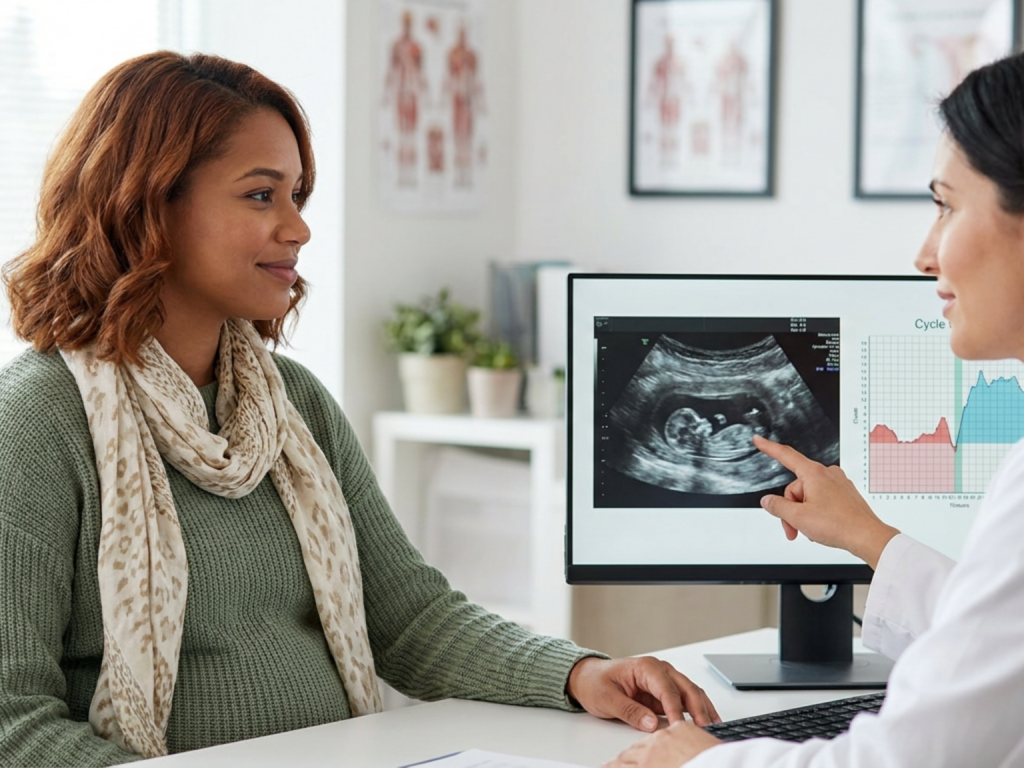
Intro
Pregnancy with PCOS and endometriosis can feel emotionally complicated: hopeful, uncertain, and sometimes exhausting. Both conditions are common contributors to subfertility, but they affect the reproductive system in different ways. Polycystic ovary syndrome, or PCOS, is primarily a hormonal and metabolic condition that can disrupt ovulation. Endometriosis is an inflammatory, estrogen-sensitive condition in which tissue similar to the uterine lining grows outside the uterus, often affecting pelvic anatomy, pain, and implantation-related factors.
Having one or both diagnoses does not mean pregnancy is impossible. Many people with PCOS, endometriosis, or both conceive naturally or with medical support. The best approach is usually individualized care from an obstetrician-gynecologist, reproductive endocrinologist, or maternal-fetal medicine specialist, especially when cycles are irregular, pain is significant, prior pregnancy losses have occurred, or assisted reproduction is being considered.
Highlights
PCOS and endometriosis can both be associated with infertility, but through different mechanisms: ovulatory dysfunction in PCOS and inflammatory, anatomic, or ovarian reserve-related factors in endometriosis.
Pregnancy is possible with either condition, and treatment options may include lifestyle optimization, ovulation induction, surgical assessment in selected endometriosis cases, intrauterine insemination, or IVF.
PCOS may increase the need for pregnancy monitoring because of associations with metabolic complications such as gestational diabetes and hypertensive disorders.
Endometriosis symptoms often change during pregnancy, but pregnancy is not considered a cure, and symptoms can return postpartum.
A coordinated care plan before conception can help clarify risks, improve timing, and reduce the stress of navigating two complex conditions.
Understanding PCOS and endometriosis together
PCOS is a common endocrine disorder characterized by features such as irregular or absent ovulation, clinical or biochemical hyperandrogenism, and polycystic ovarian morphology on ultrasound, depending on the diagnostic criteria used. It is also frequently associated with insulin resistance and metabolic risk. The World Health Organization notes that PCOS can affect fertility and that pregnancy may require additional monitoring.
Endometriosis is a chronic inflammatory condition in which endometriosis-like lesions are found outside the uterine cavity, commonly on the ovaries, fallopian tubes, pelvic peritoneum, bowel, bladder, or uterosacral ligaments. It can cause dysmenorrhea, chronic pelvic pain, pain with intercourse, bowel or bladder symptoms, ovarian endometriomas, adhesions, and infertility.
Although PCOS and endometriosis are often described as different patterns of reproductive dysfunction, they can coexist. A person may have irregular ovulation from PCOS and pelvic inflammatory or anatomic factors from endometriosis at the same time. This overlap can make the fertility picture more complex, so a single explanation such as “hormones” or “blocked tubes” may not capture the whole situation.
How PCOS can affect conception and pregnancy
The main fertility challenge in PCOS is often inconsistent ovulation. If ovulation is infrequent, there are fewer predictable opportunities for conception. Some people also have long cycles, unpredictable bleeding, or biochemical signs of androgen excess that reflect disrupted follicular development.
Insulin resistance may also influence ovarian hormone signaling. For some people, improving metabolic health can make cycles more regular, although the degree of improvement varies. The Office on Women’s Health describes weight management, blood sugar optimization, ovulation-inducing medicines, IVF, and selected surgical options as possible fertility-related approaches, depending on the clinical situation.
During pregnancy, PCOS may be associated with a higher likelihood of complications such as gestational diabetes, hypertensive disorders of pregnancy, preterm birth, or pregnancy loss in some populations. This does not mean these outcomes will happen, but it supports early prenatal care, appropriate screening, and individualized monitoring. Clinicians may pay particular attention to blood pressure, glucose testing, weight trajectory, and symptoms that suggest complications.
How endometriosis can affect conception and pregnancy
Endometriosis can affect fertility through several mechanisms. Pelvic adhesions may distort the relationship between the ovaries and fallopian tubes, making egg pickup more difficult. Endometriomas can be associated with changes in ovarian reserve, and surgery for endometriomas can sometimes reduce ovarian tissue, so decisions about surgery require careful specialist input. Inflammation in the pelvic environment may also affect sperm, egg, embryo development, tubal function, or implantation.
The severity of pain does not always match the severity of disease or the likelihood of infertility. Some people with extensive endometriosis have manageable symptoms, while others with milder visible disease have severe pain. This is one reason fertility evaluation often includes ovulation assessment, semen analysis, ovarian reserve markers, tubal testing when appropriate, and imaging rather than relying on symptoms alone.
Pregnancy may temporarily improve endometriosis-related pain for some people because ovulation and menstruation are suppressed, but it is not a treatment or cure. Symptoms may persist during pregnancy in some cases or recur after birth, particularly when menstrual cycles resume. Rare pregnancy complications have been reported in association with endometriosis, but most people with endometriosis who become pregnant can have routine obstetric care with added attention to their individual history.
When both conditions are present: why evaluation matters
When PCOS and endometriosis coexist, fertility challenges may come from more than one pathway. For example, a person may ovulate only a few times per year because of PCOS, while endometriosis-related adhesions or inflammation may reduce the chance that an ovulated egg meets sperm or implants successfully. Treating only one condition may not fully address the fertility picture.
A clinician may consider the following factors when planning care:
- Cycle pattern, ovulation frequency, and signs of hyperandrogenism.
- Age, duration of trying to conceive, and prior pregnancies or pregnancy losses.
- Pelvic pain severity, suspected endometriomas, prior pelvic surgery, or known adhesions.
- Ovarian reserve testing, which may include anti-Müllerian hormone and antral follicle count, interpreted in context.
- Partner or donor sperm parameters, because male-factor infertility can coexist.
- Whether tubal patency testing, diagnostic laparoscopy, ovulation induction, intrauterine insemination, or IVF is appropriate.
For people under 35, many clinicians suggest fertility evaluation after 12 months of trying, but earlier assessment may be appropriate with irregular periods, known endometriosis, severe pain, suspected tubal disease, age 35 or older, or previous pelvic surgery. A reproductive endocrinologist can help prioritize testing so the process is not unnecessarily prolonged.
Preconception planning: practical steps to discuss with your clinician
Preconception care can be especially valuable when PCOS and endometriosis are part of the picture. It is not about achieving a perfect body or eliminating all risk; it is about identifying modifiable factors and making a realistic plan.
Topics to review with a healthcare professional may include:
- Medication safety: Some medicines used for acne, androgen symptoms, metabolic conditions, pain, or hormonal suppression may need to be stopped or changed before conception. Do not stop prescribed medication without medical guidance.
- Folic acid: A prenatal vitamin or folic acid supplement is commonly recommended before conception to reduce the risk of neural tube defects. The appropriate dose should be individualized.
- Metabolic health: For PCOS, clinicians may evaluate glucose regulation, lipid profile, blood pressure, sleep quality, and weight-related risks without assuming weight is the only factor.
- Pain and endometriosis management: Hormonal suppression may reduce endometriosis symptoms but prevents conception while used. Non-hormonal pain strategies, timing of surgery, or fertility treatment may be discussed.
- Imaging and anatomy: Ultrasound can assess ovarian morphology, endometriomas, fibroids, or other pelvic findings. Further imaging or laparoscopy is not required for everyone.
- Mental health: Infertility, chronic pain, and repeated medical visits can be psychologically draining. Counseling, peer support, and trauma-informed care can be part of fertility treatment.
Fertility treatment options that may be considered
Treatment depends on the dominant factors: ovulation, tubal anatomy, ovarian reserve, endometriosis severity, semen parameters, age, and personal preferences. A plan that is appropriate for one person with PCOS and endometriosis may be unsuitable for another.
For PCOS-related anovulation, clinicians may consider ovulation induction medications and ultrasound or hormonal monitoring. The goal is typically to induce the release of one egg, because multiple follicles increase the risk of twins or higher-order multiples. Lifestyle measures and metabolic treatment may also be part of the plan when clinically indicated.
For endometriosis-related infertility, management may include expectant management in selected mild cases, surgical treatment in carefully chosen situations, intrauterine insemination, or IVF. IVF may be recommended sooner when there is significant tubal disease, reduced ovarian reserve, severe endometriosis, older reproductive age, or multiple infertility factors. Surgery can relieve pain and improve anatomy for some people, but it also carries risks, including potential impact on ovarian reserve, so it should be individualized.
If pregnancy has not occurred after several cycles of well-timed treatment, it is reasonable to ask what the next decision point will be. A clear timeline can reduce uncertainty and prevent months of repeating a low-yield strategy without reassessment.
Pregnancy monitoring and what to expect
Once pregnant, care usually shifts from fertility planning to obstetric monitoring. Many pregnancies in people with PCOS and endometriosis proceed well, but clinicians may adapt screening to the individual’s history.
With PCOS, attention often includes early review of glucose risk, standard gestational diabetes screening, blood pressure monitoring, and counseling about nutrition and physical activity that is safe for pregnancy. Some people may need earlier or additional metabolic testing, particularly if they had prediabetes, diabetes, obesity, or prior gestational diabetes.
With endometriosis, the obstetric team may want to know about previous surgeries, endometriomas, adhesions, bowel or bladder involvement, and any history of severe pelvic pain. This information can be relevant if abdominal or pelvic surgery is needed, including cesarean birth. However, endometriosis alone does not automatically determine the mode of delivery.
Bleeding, severe abdominal pain, shoulder-tip pain, fainting, fever, severe vomiting, painful urination with fever, severe headache, visual symptoms, reduced fetal movement later in pregnancy, or signs of preterm labor should prompt urgent medical advice. When in doubt, it is better to contact a healthcare professional promptly than to wait.
Emotional wellbeing and self-advocacy
Living with PCOS and endometriosis can involve years of symptoms being minimized, delayed diagnosis, weight stigma, painful procedures, or uncertainty about fertility. It is understandable if pregnancy planning brings anxiety as well as hope. Emotional distress is not a personal failure; it is a common response to chronic illness and reproductive uncertainty.
Helpful self-advocacy can include keeping a symptom and cycle record, bringing prior operative reports or imaging results to appointments, asking what each test will change in management, and requesting a written plan with timelines. If pain is dismissed or fertility questions are not answered, seeking a second opinion from a specialist is reasonable.
Support can be practical as well as emotional. This may mean arranging transportation for monitoring visits, asking about flexible ultrasound scheduling, planning for medication costs, or identifying a counselor familiar with infertility and chronic pelvic pain. A compassionate care team should help you make decisions that align with your medical needs, values, and life circumstances.
Seek medical advice promptly
- Positive pregnancy test with severe one-sided pelvic pain, dizziness, fainting, or shoulder-tip pain needs urgent assessment.
- Heavy bleeding, fever, or severe abdominal pain during pregnancy should not be managed at home without professional guidance.
- Do not start, stop, or change fertility medicines, diabetes medicines, hormonal treatments, or pain medicines without a clinician's advice.
- If cycles are very irregular or absent, ask about earlier fertility evaluation rather than relying only on calendar timing.
- If you have known endometriomas or prior ovarian surgery, discuss ovarian reserve and treatment sequencing before further surgery.
Tools & Assistance
- Preconception visit with an obstetrician-gynecologist or reproductive endocrinologist
- Cycle, ovulation, pain, and bleeding tracker to bring to appointments
- Prenatal vitamin or folic acid plan reviewed by a healthcare professional
- Metabolic screening for blood pressure, glucose, and lipids when clinically appropriate
- Mental health support or infertility counseling for chronic stress and decision fatigue
FAQ
Can I get pregnant naturally with both PCOS and endometriosis?
Yes, some people conceive naturally with both conditions. The likelihood depends on ovulation frequency, age, tubal function, ovarian reserve, endometriosis severity, sperm parameters, and other health factors.
Does pregnancy cure endometriosis?
No. Pregnancy may temporarily reduce symptoms for some people because menstruation and ovulation are suppressed, but endometriosis can persist and symptoms may return postpartum.
Is IVF always necessary?
Not always. Some people benefit from ovulation induction, timed intercourse, intrauterine insemination, surgery in selected cases, or expectant management. IVF may be recommended when multiple factors or severe disease are present.
Does PCOS make pregnancy high risk?
PCOS can be associated with higher risks such as gestational diabetes and hypertensive disorders, but risk varies. Early prenatal care and appropriate monitoring can help identify and manage complications.
When should I see a fertility specialist?
Consider earlier referral if you have irregular or absent periods, known endometriosis, severe pelvic pain, age 35 or older, prior pelvic surgery, suspected tubal disease, or difficulty conceiving after the recommended time frame.
Sources
- World Health Organization — Polycystic ovary syndrome
- Office on Women's Health — Polycystic ovary syndrome
- PubMed Central — Polycystic Ovarian Syndrome and Endometriosis as Two Evil Twins in Obstructive Sleep Apnea and Infertility: A Narrative Review
Disclaimer
This article is for informational purposes only and does not replace medical advice, diagnosis, or treatment. Consult a qualified healthcare professional for personal guidance about PCOS, endometriosis, fertility, or pregnancy.













Please log in to leave a comment.