
Intro
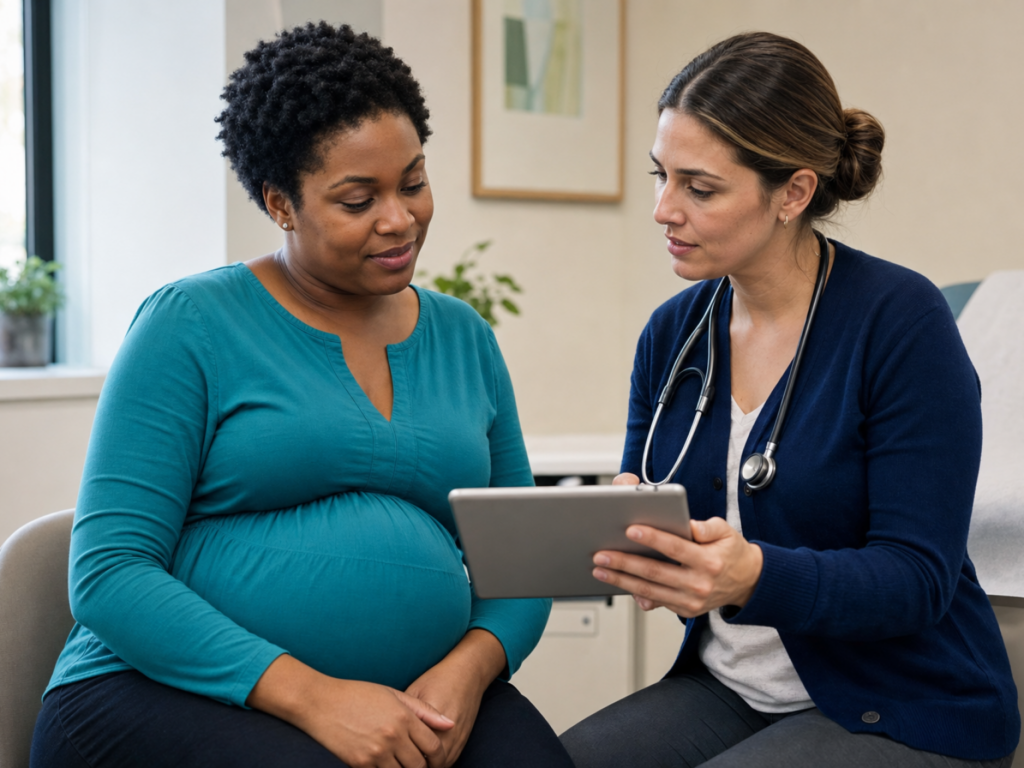
Infections during pregnancy are common concerns, and most are either preventable, treatable, or manageable with timely care. Still, pregnancy changes immune function, anatomy, and physiology in ways that can alter susceptibility to infection and the potential impact on the placenta, fetus, and newborn. Understanding the main categories of infection can help you recognize when to seek advice and why routine prenatal screening matters.
This overview is intended for medically literate readers who want a structured, compassionate summary. It does not replace individualized obstetric, midwifery, infectious disease, or primary care guidance, especially because management depends on gestational age, maternal history, test results, local epidemiology, medication safety, and fetal assessment.
Highlights
Some infections are mainly uncomfortable for the pregnant person, while others can cause miscarriage, fetal growth restriction, preterm birth, congenital infection, or neonatal illness.
Routine prenatal care includes targeted screening for infections such as HIV, hepatitis B, syphilis, asymptomatic bacteriuria, and often group B streptococcus, depending on local guidelines.
Prevention is practical and powerful: vaccination review, safer sex, food safety, hand hygiene, prompt evaluation of urinary symptoms, and avoiding high-risk animal or environmental exposures all reduce risk.
Symptoms can be subtle or nonspecific in pregnancy, so new fever, rash, painful urination, genital lesions, reduced fetal movements, or significant systemic illness should be discussed promptly with a clinician.
Why infections matter in pregnancy
Pregnancy is not an immunocompromised state in a simple sense, but it is an immunologically distinct state. Maternal immune adaptations support tolerance of the fetus while still defending against pathogens. These shifts, combined with changes such as urinary tract dilation, altered vaginal flora, increased cardiac and respiratory demands, and placental biology, can affect both susceptibility and disease severity.
Infections may influence pregnancy through several mechanisms. Maternal systemic illness can cause fever, dehydration, hypoxia, or sepsis. Local infection may trigger inflammation and prostaglandin pathways associated with uterine activity, membrane rupture, and preterm birth. Some organisms cross the placenta, ascend from the genital tract, infect the fetus during birth, or transmit through blood and body fluids. Outcomes can include fetal loss, congenital anomalies, fetal growth restriction, neonatal sepsis, pneumonia, meningitis, or long-term neurodevelopmental sequelae, depending on the organism and timing.
Importantly, risk is not uniform. The same infection may have different implications in the first trimester compared with late pregnancy. Prior immunity, vaccination status, viral load, antibiotic susceptibility, coexisting conditions, and access to timely care all matter. This is why pregnancy infection guidance is highly individualized.
Bacterial infections: common conditions and screening priorities
Bacterial infections are a major focus of prenatal screening because several are treatable and early intervention can reduce maternal and neonatal complications.
- Urinary tract infections and asymptomatic bacteriuria: Pregnancy increases urinary stasis and vesicoureteral reflux, raising the risk of pyelonephritis. Even asymptomatic bacteriuria can be clinically relevant because it is associated with pyelonephritis and adverse pregnancy outcomes. Screening urine culture early in prenatal care is common in many settings.
- Group B streptococcus: GBS colonization is usually asymptomatic in the pregnant person but can cause early-onset neonatal sepsis, pneumonia, or meningitis. Many guidelines recommend late-pregnancy screening or risk-based intrapartum management.
- Bacterial vaginosis: BV reflects altered vaginal microbiota and has been associated with preterm birth in some populations. Whether and when to screen or treat asymptomatic individuals depends on history and local practice.
- Syphilis, gonorrhea, and chlamydia: These sexually transmitted infections may be silent but can affect pregnancy and neonatal health. Syphilis can cross the placenta and cause congenital infection; gonorrhea and chlamydia can cause cervicitis, pelvic complications, and neonatal eye or respiratory disease.
- Listeriosis: Listeria monocytogenes is a foodborne pathogen of particular concern in pregnancy. Maternal illness may be mild and flu-like, yet fetal or neonatal consequences can be severe, including miscarriage, stillbirth, preterm labor, or neonatal sepsis.
Because antibiotic choice, dosing, and timing require pregnancy-specific safety considerations, suspected bacterial infection should be evaluated by a qualified healthcare professional rather than self-treated.
Viral infections: from mild maternal illness to congenital disease
Viral infections vary widely in their implications. Some are primarily maternal illnesses, while others are notable for congenital or perinatal transmission.
- Rubella: Infection early in pregnancy can cause congenital rubella syndrome, with possible cardiac, ocular, auditory, and neurologic complications. Preconception or postpartum vaccination is important because live vaccines are generally not given during pregnancy.
- Cytomegalovirus: CMV is a common cause of congenital infection. Many maternal infections are asymptomatic or mild. Fetal infection can be associated with hearing loss, neurodevelopmental impairment, growth restriction, or intracranial findings, though outcomes are variable.
- Varicella-zoster virus: Chickenpox during pregnancy can cause significant maternal disease, including pneumonia, and rare fetal complications depending on gestational timing. Exposure management depends on immune status and timing.
- Herpes simplex virus: Neonatal HSV is most strongly linked to exposure around delivery, especially with new genital infection late in pregnancy. Clinicians assess lesion history, symptoms, and delivery considerations individually.
- HIV and hepatitis B: Screening is crucial because interventions during pregnancy, labor, birth, and the neonatal period can markedly reduce vertical transmission risk.
- Hepatitis C and hepatitis E: Hepatitis C may be transmitted perinatally, with risk influenced by factors such as viral load and co-infections. Hepatitis E can be particularly severe in pregnancy in some regions.
- Zika virus: In areas with transmission or relevant travel exposure, Zika is important because congenital infection can affect brain and eye development. Travel counseling and mosquito avoidance are key preventive measures.
Respiratory viruses, including influenza and other circulating viruses, also deserve attention because pregnancy can increase the risk of severe respiratory illness. Vaccination recommendations should be reviewed with a healthcare provider.
Parasitic and fungal infections
Parasitic infections are less common in some regions but can be highly consequential. Toxoplasmosis, caused by Toxoplasma gondii, is classically associated with undercooked meat, contaminated soil, and cat feces. Primary infection in pregnancy can lead to congenital toxoplasmosis, with possible ocular and neurologic disease. Prevention includes careful food handling, avoiding undercooked meat, washing produce, wearing gloves when gardening, and avoiding litter box cleaning when possible.
Other parasitic infections, such as malaria, are important in endemic areas or after travel. Malaria in pregnancy can be associated with maternal anemia, severe disease, fetal growth restriction, preterm birth, and fetal loss. Travelers who are pregnant or planning pregnancy should seek specialized pre-travel advice because destination-specific prevention may involve mosquito precautions and medication decisions that require clinical review.
Fungal infections such as vulvovaginal candidiasis are common in pregnancy and often cause itching, irritation, and discharge. They are usually not dangerous to the fetus, but symptoms can overlap with bacterial vaginosis or sexually transmitted infections. A clinician can help confirm the cause and recommend pregnancy-appropriate treatment.
Screening, vaccination, and preconception planning
Many infection-related risks are best addressed before or early in pregnancy. Preconception care can include review of vaccine records, sexual health testing, chronic viral infections, travel plans, occupational exposures, and previous pregnancy complications. Screening may also be repeated during pregnancy when risk factors arise.
Typical prenatal infectious screening may include HIV, hepatitis B, hepatitis C in many settings, syphilis, rubella immunity, urine culture for asymptomatic bacteriuria, and testing for chlamydia or gonorrhea based on age or risk. GBS screening is commonly performed in late pregnancy in settings that use culture-based prevention. Local guidelines differ, so patients should follow the protocol recommended by their maternity care team.
Vaccination is another cornerstone. Inactivated vaccines recommended during pregnancy in many countries include influenza and Tdap, and recommendations for COVID-19 vaccination may apply depending on current guidance. Live vaccines such as MMR and varicella are typically handled before pregnancy or postpartum if immunity is lacking. Anyone planning conception may benefit from discussing vaccinations before pregnancy and infection screening and STD testing before conception with a clinician.
Practical prevention strategies
Prevention does not mean living in fear; it means using sensible habits that reduce high-impact risks while supporting normal life.
- Food safety: Avoid unpasteurized dairy products, high-risk ready-to-eat foods unless heated appropriately, undercooked meat, and unsafe refrigerated foods that may carry Listeria. Wash produce and separate raw meats from other foods.
- Hand hygiene: Wash hands after diaper changes, contact with young children’s saliva or urine, gardening, food preparation, public transport, and animal contact. This is especially relevant for CMV and gastrointestinal pathogens.
- Safer sex: Condom use and mutually agreed STI testing reduce risk of infections such as HIV, syphilis, gonorrhea, chlamydia, hepatitis B, and HSV acquisition.
- Animal and soil precautions: Avoid cleaning cat litter if possible, wear gloves for gardening, wash hands after handling soil, and follow veterinary guidance for livestock or farm exposures.
- Mosquito and travel precautions: For areas with Zika, malaria, or other vector-borne infections, seek travel medicine advice before travel. Use repellents and protective clothing as recommended.
- Dental and skin care: Oral infections, skin abscesses, and wound infections should be assessed early, particularly if fever, spreading redness, or systemic symptoms occur.
These measures are not about blame. Many infections occur despite careful prevention. Prompt communication with care teams is far more useful than guilt or delay.
When to contact a healthcare professional
Because pregnancy can alter the presentation and consequences of infection, it is reasonable to seek advice earlier than you might outside pregnancy. Contact your maternity unit, obstetric clinician, midwife, or primary care provider for fever, persistent vomiting or diarrhea, painful urination, flank pain, new rash, genital sores, foul-smelling discharge, suspected STI exposure, or known exposure to rubella, chickenpox, measles, parvovirus, or other significant infections.
Urgent evaluation is particularly important for high fever, shortness of breath, confusion, severe abdominal pain, contractions, leaking fluid, decreased fetal movements, signs of sepsis, or symptoms of pyelonephritis. If you are unsure whether a symptom is urgent, err on the side of calling. Pregnancy care teams are accustomed to triaging these concerns.
Do not start leftover antibiotics, antiviral medications, herbal products, or high-dose supplements without professional guidance. Some agents are unsafe in pregnancy, and inappropriate treatment can delay accurate diagnosis or contribute to resistance.
Seek urgent care for possible serious infection
- Fever with shortness of breath, chest pain, confusion, severe weakness, or fainting
- Painful urination with fever, chills, flank pain, or vomiting
- Genital lesions, suspected sexually transmitted infection exposure, or new rash after contact with a contagious illness
- Contractions, leaking fluid, vaginal bleeding, severe abdominal pain, or reduced fetal movements with infectious symptoms
- Possible exposure to rubella, chickenpox, measles, Zika, or other high-risk infections when immunity is uncertain
Tools & Assistance
- Prenatal care visit for infectious screening and vaccine review
- Urgent maternity triage or emergency department for severe symptoms
- Sexual health clinic for confidential STI testing and partner management
- Travel medicine consultation before travel to areas with Zika, malaria, or hepatitis E risk
- Pharmacist or clinician review before using any medication in pregnancy
FAQ
Are all infections dangerous in pregnancy?
No. Many infections are mild or treatable, but some can affect the fetus or newborn. The risk depends on the organism, gestational age, maternal immunity, severity, and timing of care.
Can I prevent every infection while pregnant?
No prevention plan is perfect. However, vaccination review, hand hygiene, food safety, safer sex, and prompt symptom evaluation substantially reduce many important risks.
Why are some infections screened even when I feel well?
Several infections, including asymptomatic bacteriuria, HIV, hepatitis B, syphilis, chlamydia, and GBS colonization, may have few or no symptoms but can influence pregnancy or newborn care.
Should I avoid cats during pregnancy because of toxoplasmosis?
You usually do not need to avoid cats entirely. The main precautions are avoiding litter box cleaning when possible, wearing gloves if necessary, washing hands, and reducing exposure to soil and undercooked meat.
What should I do after exposure to chickenpox or rubella?
Contact your healthcare provider promptly, especially if you are unsure of immunity. Post-exposure advice depends on your vaccination or infection history, timing, and test results.
Sources
- National Center for Biotechnology Information (NCBI) / PMC — Infections in Pregnancy
- MedlinePlus — Infections and Pregnancy
- NHS — Infections in pregnancy that may affect your baby
Disclaimer
This article is for informational purposes only and is not a diagnosis or treatment plan. If you are pregnant and concerned about infection, contact your healthcare professional or maternity unit promptly.














Please log in to leave a comment.