
Intro
Pregnancy in your 30s is common, and for many people it is also healthy and straightforward. The main shift is not a sudden drop-off at age 30, but a gradual change in fertility potential and, later, in some pregnancy risks. In other words, age is one factor among many, not a verdict.
What tends to change by 35 is that conception may take longer, and certain risks become more relevant in prenatal counseling. That does not mean a healthy pregnancy is unlikely. It means the conversation becomes a little more individualized, with more attention to ovarian reserve, egg quality, screening choices, and any medical conditions that were already present before pregnancy.
Highlights
At 30, fertility is usually still strong, but it is no longer at the peak seen in the early 20s for many people. The change is gradual rather than abrupt.
By 35, conception may take longer and miscarriage risk rises, largely because egg quality and chromosomal abnormalities become more common with age.
Some pregnancy complications, including gestational diabetes, preeclampsia, and cesarean birth, become more frequent as maternal age increases.
A healthy pregnancy is still very possible at 30 and 35. The key is individualized care, not fear-based assumptions.
What changes between 30 and 35?
For many people, age 30 is not a dramatic turning point. Menstrual cycles may still be regular, ovulation may still happen predictably, and conception can occur without difficulty. The biology does begin to shift, though: ovarian reserve slowly declines, and the chance that each egg will have a normal chromosomal complement becomes a little lower over time. That is the core of age-related fertility decline.
By 35, these changes are often more noticeable in practice. It may take more cycles to conceive, especially if there are other factors such as endometriosis, polycystic ovary syndrome, thyroid disease, prior pelvic surgery, or a partner factor affecting sperm quality. A preconception checkup can be useful because it gives you a chance to review medications, cycles, chronic conditions, and lifestyle factors before pregnancy starts. The goal is not to pathologize being 35; it is to identify what is actually relevant for you.
Why conception may take longer
Fertility is usually described as the chance of pregnancy per menstrual cycle, and that chance tends to decline gradually with age. In practical terms, people in their early 30s may still conceive quickly, but the average path to pregnancy can start to lengthen compared with the late 20s. This is why some couples notice that timing intercourse around ovulation matters more when they are trying later in their reproductive years.
Egg quantity is part of the picture, but egg quality matters just as much. As eggs age, chromosomal errors become more common, which reduces the odds that an embryo will implant and continue developing normally. That does not mean every older egg is abnormal; it means the probability shifts. Sperm factors also matter, including male partner lifestyle and fertility, because pregnancy is always a two-part biological process. If conception is not happening as expected, clinicians often look at the whole fertility picture rather than focusing on age alone.
Pregnancy risks that become more relevant after 35
The risks that increase with age are important, but they are best understood as probabilities, not outcomes. Miscarriage risk after 35 rises because chromosomal abnormalities become more common in embryos, and this can affect implantation and early fetal development. The risk of stillbirth also increases with maternal age, although the absolute risk remains low for many individuals. Mayo Clinic and ACOG both emphasize that healthy pregnancies are still common, even when the risk profile changes.
Other complications become more frequent in older mothers, including gestational diabetes, high blood pressure, and preeclampsia. ACOG also notes higher rates of cesarean birth, blood clots, and small baby size. Some sources mention a greater chance of twins as age increases as well. None of these outcomes is inevitable, but they are reasons your care team may monitor blood pressure, glucose, fetal growth, and symptoms a little more closely. The point is to detect problems early, not to assume they will happen.
What prenatal care may look like
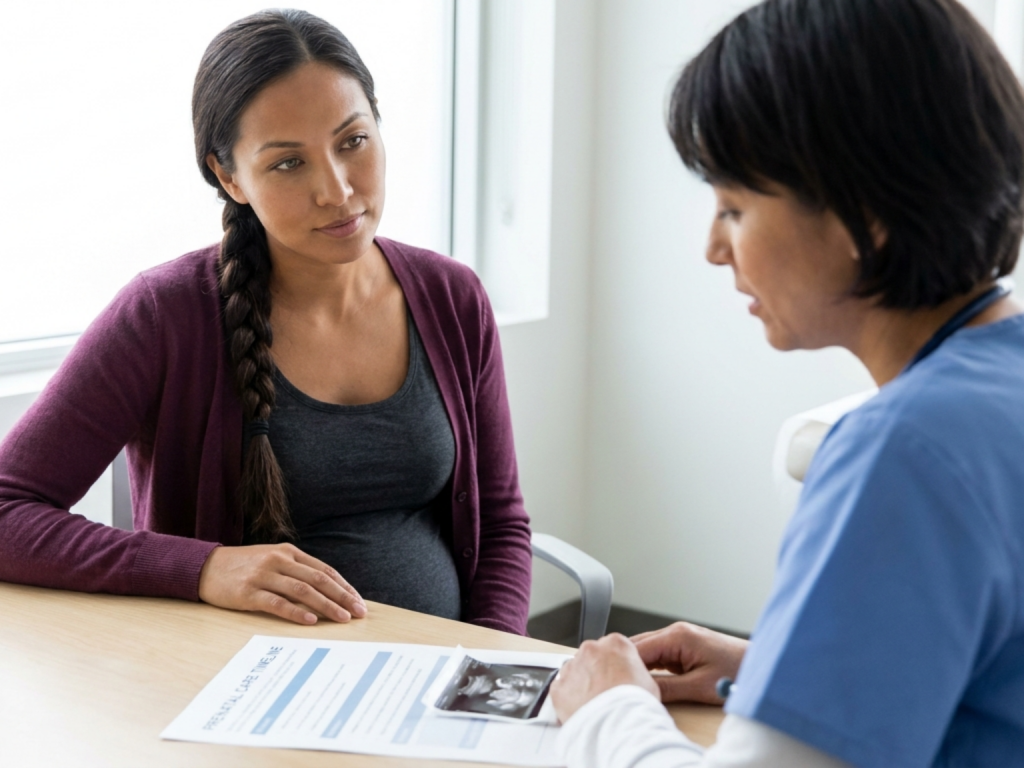
Pregnancy care at 30 or 35 often looks similar to care at younger ages, but the threshold for discussion can be lower and the menu of options may be broader. In many practices, preconception counseling after 35 includes a review of family history, medication safety, chronic disease control, and any prior pregnancy losses. Once pregnant, your clinician may talk with you about first-trimester screening, cell-free DNA testing, nuchal translucency ultrasound, and standard anatomy scans, depending on your preferences and risk profile.
Later in pregnancy, glucose testing and blood pressure monitoring become especially important because gestational diabetes and hypertensive disorders are more common with age. If there are additional risk factors, your clinician may suggest closer fetal growth assessment. None of this automatically means something is wrong. It simply reflects how obstetric care becomes more individualized when maternal age is part of the picture. Good prenatal care is often about matching the amount of surveillance to the actual level of risk.
What you can do before and during pregnancy
The most useful steps are often the least dramatic. A prenatal vitamin with folic acid is commonly recommended before conception, and a review of all prescription and over-the-counter medications is important because some drugs are not pregnancy-compatible. If you smoke, drink heavily, or use recreational substances, stopping before conception can meaningfully improve reproductive and pregnancy outcomes. Regular exercise, adequate sleep, and good nutrition are also worth paying attention to, especially if you already live with insulin resistance, hypertension, or another chronic condition.
Equally important is setting realistic expectations. You cannot reverse age, but you can reduce modifiable risks and make screening decisions with better information. If you have known fertility issues, irregular cycles, recurrent pregnancy loss, or a medical condition such as diabetes, thyroid disease, or endometriosis, it may be wise to seek individualized advice earlier rather than later. That is particularly true if you are 35 or older and want to avoid losing time unnecessarily. A thoughtful preconception plan can make the journey feel much less uncertain.
When to seek help and how to think about the numbers
It is reasonable to ask for help if you are not conceiving as expected, especially if you are 35 or older or if you already have known risk factors. Repeated miscarriages, very irregular cycles, severe pain with periods, prior pelvic infections, or a history of chemotherapy or ovarian surgery all deserve a conversation with a clinician. Fertility evaluation is not a failure; it is a way to find out whether there is a correctable issue or whether treatment would be helpful.
It also helps to remember that statistics describe groups, not individual outcomes. A person at 35 can have an easier pregnancy than someone at 28, and many people at 30 and 35 have uncomplicated pregnancies and healthy babies. The practical takeaway is not to fear a birthday. It is to use age as one piece of information in a larger plan. If you are considering pregnancy now, or thinking about a future pregnancy, you deserve counseling that is calm, evidence-based, and tailored to your life.
When to contact a clinician promptly
- Heavy vaginal bleeding, severe one-sided pelvic pain, or fainting needs urgent assessment.
- A positive pregnancy test with significant pain or bleeding should be reviewed quickly.
- If you have diabetes, high blood pressure, thyroid disease, or a history of preeclampsia, get individualized preconception advice.
- Repeated miscarriages or trouble conceiving after several months deserve a fertility conversation, especially after 35.
- Do not start or stop medications, supplements, or aspirin without professional guidance.
Tools & Assistance
- Preconception visit with an OB-GYN, midwife, or reproductive endocrinologist
- Medication review and prenatal vitamin planning
- Cycle tracking to identify the fertile window
- Blood pressure, glucose, and thyroid screening when appropriate
- Genetic counseling or aneuploidy screening discussion if your clinician recommends it
FAQ
Is pregnancy at 30 considered high risk?
Not by age alone. For many people, 30 is a very favorable time to conceive, although fertility is gradually declining and individual factors still matter.
What changes most at 35?
Conception may take longer, miscarriage risk rises, and complications such as gestational diabetes, preeclampsia, and stillbirth become more relevant in counseling.
Should I get tested before trying to conceive?
A preconception checkup is often helpful, especially if you are 35 or older or have a chronic condition, irregular cycles, or a history of pregnancy loss.
Can I still have a healthy pregnancy after 35?
Yes. Many people do. The main difference is that prenatal care may include more discussion of screening and closer monitoring for certain risks.
Sources
- Mayo Clinic — Pregnancy after 35: Healthy pregnancies, healthy babies
- American College of Obstetricians and Gynecologists — Thinking About Having a Baby in Your Late 30s or 40s? Here’s What I Tell My Patients
- University of Rochester Medical Center — Risks of Pregnancy Over Age 30
Disclaimer
This article is for educational purposes only and does not replace care from a qualified clinician. If you have symptoms, a medical condition, or fertility concerns, please seek personalized medical advice.















Please log in to leave a comment.