
Intro
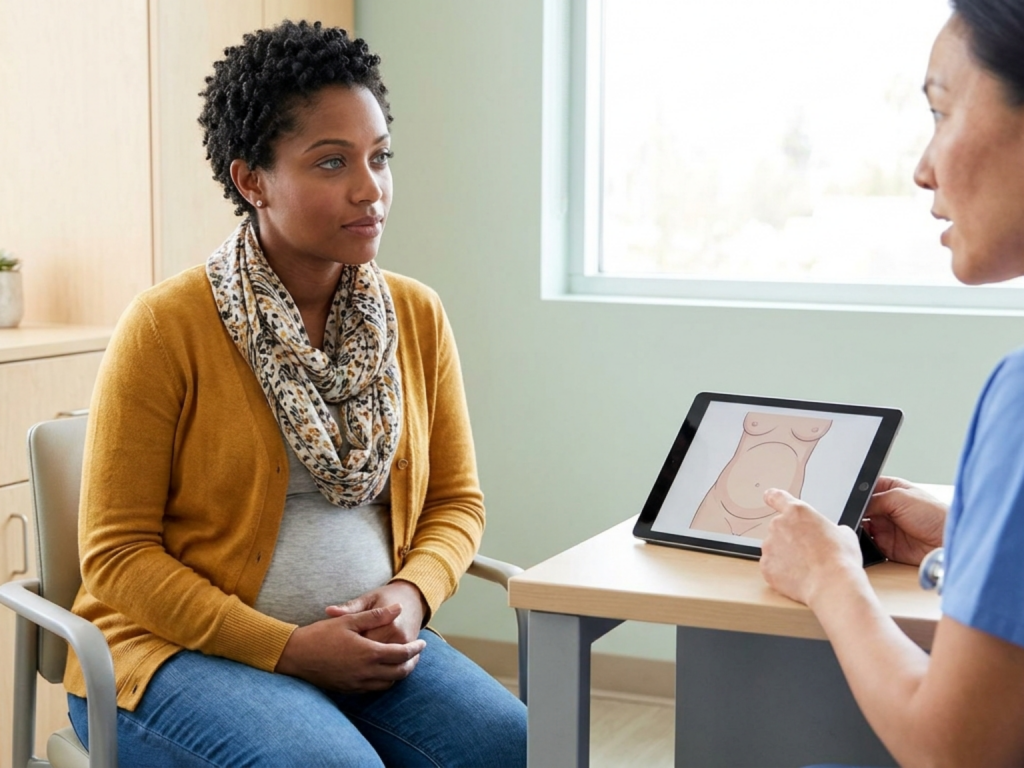
Bloating, burping, intestinal gas, and a suddenly unpredictable digestive rhythm can be some of the earliest physical signs people notice in pregnancy. These symptoms can feel uncomfortable, embarrassing, or worrying, especially when they arrive before there is much visible evidence of pregnancy.
In many cases, early pregnancy digestive symptoms reflect normal hormonal and motility changes, but they can overlap with gastrointestinal conditions, food intolerances, infection, or urgent abdominal problems. This article explains what may be happening physiologically, what patterns are common, and when to seek medical advice.
Highlights
Progesterone can relax smooth muscle and slow gastrointestinal transit, which may make gas, bloating, and constipation more noticeable early in pregnancy.
Gas usually comes from swallowed air and bacterial fermentation of carbohydrates in the colon; pregnancy can change how noticeable these normal processes feel.
Diet, hydration, iron-containing prenatal vitamins, nausea patterns, and reduced activity can all influence early pregnancy digestion.
Severe, persistent, one-sided, or painful abdominal symptoms should be discussed promptly with a healthcare professional, especially if accompanied by bleeding, fever, vomiting, or faintness.
Why digestion can feel different so early
Early pregnancy is not just a gynecologic event; it is a whole-body endocrine and metabolic transition. Hormonal changes in early pregnancy begin soon after conception and implantation, and the gastrointestinal tract is highly responsive to these signals. Progesterone, produced first by the corpus luteum and later increasingly supported by the placenta, relaxes smooth muscle. That relaxation is helpful for the uterus, but smooth muscle also lines much of the digestive tract.
When intestinal smooth muscle contracts more slowly, transit time can lengthen. Food residue and gas may move through the stomach and intestines at a slower pace, creating a sensation of fullness, pressure, or abdominal distension. Some people describe feeling “six months bloated” despite being only a few weeks pregnant. That mismatch can be unsettling, but it often reflects gas and slowed transit rather than uterine size.
Early pregnancy may also change appetite, meal timing, nausea, and fluid intake. Eating smaller amounts more often, relying on bland carbohydrates, avoiding previously tolerated foods, or drinking less because of nausea can all alter bowel habits. These shifts may contribute to constipation, looser stools, reflux-like symptoms, or alternating patterns. Body changes in early pregnancy can be subtle, but digestion is often one of the first systems to feel noticeably different.
Where gas and bloating come from
Gas in the digestive tract has two main sources: swallowed air and gas produced inside the intestine. Swallowed air is common when eating quickly, drinking carbonated beverages, chewing gum, using straws, smoking, or talking while eating. Much of this air is released by belching, but some can pass into the intestines.
The second source is bacterial fermentation. Human digestive enzymes do not fully break down all carbohydrates. When undigested carbohydrates reach the colon, gut bacteria metabolize them and produce gases such as hydrogen, carbon dioxide, and sometimes methane. This is a normal physiologic process, not a sign that food is “rotting” or that the body is failing.
Bloating is more complex than gas volume alone. Scientific reviews describe several mechanisms: excess gas production, impaired gas transit, altered intestinal motility, and visceral hypersensitivity, meaning the nerves of the gut perceive normal stretching as more uncomfortable. In early pregnancy, slower motility may give gas more time to accumulate or may make normal gas harder to move along. At the same time, nausea, fatigue, and stress can increase body awareness, making abdominal sensations feel more prominent.
Pregnancy-related bloating and gas can therefore occur even when nothing dangerous is happening. Still, new or intense abdominal symptoms deserve context. A clinician may consider pregnancy dating, bowel pattern, diet, medication use, urinary symptoms, pelvic pain, and the possibility of non-pregnancy gastrointestinal conditions.
Common patterns in the first trimester
Many people notice bloating before or around the time of a missed period. The abdomen may feel tight by evening, clothing may feel uncomfortable at the waist, and symptoms may fluctuate from day to day. Burping may increase, especially with nausea, reflux sensations, or frequent snacking. Passing gas may also increase, or it may feel harder to pass gas comfortably.
Constipation in pregnancy can begin in the first trimester. A bowel movement may occur less often, require more straining, or feel incomplete. Stools can become harder if fluid intake drops, dietary fiber decreases, or activity level falls because of fatigue. Iron-containing prenatal vitamins may worsen constipation for some people, although iron is medically important when indicated. Do not stop a prenatal vitamin or iron supplement without discussing alternatives with a healthcare professional.
Some people instead experience looser stools, urgency, or alternating constipation and diarrhea. That pattern can reflect diet changes, infections, preexisting irritable bowel syndrome, anxiety, lactose intolerance, or other gastrointestinal conditions. Pregnancy does not prevent ordinary digestive illnesses from occurring, and it does not make every abdominal symptom “normal.”
The uterus is still small in early pregnancy, so most early bloating is not caused by the uterus physically compressing the bowel. Later in pregnancy, mechanical pressure becomes more relevant. In the first trimester, hormones, motility, fluid balance, diet, and gut sensitivity are usually more important contributors.
Food, supplements, and habits that can intensify symptoms
Some foods commonly increase gas because they contain fermentable carbohydrates or are harder for certain people to digest. Beans, lentils, onions, garlic, wheat products, some fruits, cruciferous vegetables, dairy products in lactose-intolerant individuals, and sugar alcohols such as sorbitol or mannitol may contribute. Carbonated drinks can add swallowed gas. High-fat meals may slow gastric emptying and make fullness last longer.
This does not mean these foods are unhealthy or should be eliminated broadly. Many gas-producing foods are nutrient-dense and beneficial. The goal is to identify patterns, not to create an unnecessarily restrictive pregnancy diet. A short food and symptom diary can help distinguish a true trigger from a coincidence. For example, symptoms after milk or ice cream may suggest lactose intolerance, while symptoms after large portions of beans may simply reflect increased fermentation.
Eating behavior matters too. Fast meals, large portions, lying down soon after eating, and long gaps followed by heavy meals can worsen bloating or belching. Nausea can make people graze constantly, which may be necessary and helpful, but frequent intake can also keep the stomach active throughout the day. Gentle pacing can make a difference.
Prenatal vitamins may contribute indirectly. Iron can harden stools; some formulations cause nausea; and large tablets may encourage taking vitamins with little food or fluid. If a supplement seems strongly linked with constipation, nausea, or gas, ask your clinician about formulation options, timing, or whether additional evaluation is needed. Avoid self-prescribing laxatives, herbal products, detox teas, or digestive enzymes in pregnancy without medical guidance.
Supportive strategies to discuss with your clinician
Practical measures often help, and they are usually aimed at reducing swallowed air, supporting bowel regularity, and improving comfort. Many people benefit from smaller, slower meals; drinking fluids regularly through the day; and adding fiber gradually rather than suddenly. A rapid jump in fiber can temporarily increase gas, especially if fluid intake is inadequate.
Movement can support intestinal motility. A short walk after meals, prenatal yoga approved by your clinician, or light daily activity may help gas transit and constipation. If you have bleeding, significant pain, dizziness, activity restrictions, or a high-risk pregnancy, ask for individualized advice before changing activity.
Consider these non-prescriptive steps:
- Eat slowly and pause between bites to reduce swallowed air.
- Limit carbonated drinks if they worsen belching or distension.
- Increase fiber-containing foods gradually, paired with adequate fluids.
- Try smaller, more frequent meals if large meals trigger fullness or nausea.
- Keep a brief diary of foods, supplements, bowel movements, and symptoms.
If constipation is persistent, your clinician can discuss pregnancy-safe constipation relief and whether stool softeners, fiber supplements, or other options are appropriate for your situation. The safest choice depends on gestational age, other medical conditions, current medications, hydration status, and symptom severity.
When bloating may need medical attention
Most early bloating is uncomfortable rather than dangerous, but some features should prompt timely care. Severe abdominal pain, pain localized to one side, shoulder-tip pain, fainting, heavy bleeding, fever, persistent vomiting, inability to keep fluids down, black or bloody stools, or a rigid abdomen are not symptoms to simply watch at home. Early pregnancy abdominal pain can have obstetric, urinary, gastrointestinal, or surgical causes, and distinguishing them requires clinical assessment.
Contact a healthcare professional if bloating is new and progressive, associated with unintentional weight loss, ongoing diarrhea, dehydration, or severe constipation. Also seek advice if you have a history of inflammatory bowel disease, bowel surgery, celiac disease, severe irritable bowel syndrome, diabetes-related gastroparesis, or recurrent pregnancy complications. These conditions may change how digestive symptoms are interpreted and managed.
It can be emotionally difficult to decide whether symptoms are “normal enough.” You do not need to prove that something is serious before asking for help. A clinician can review gestational age, vital signs, abdominal and pelvic symptoms, medication exposures, and whether pregnancy location has been confirmed when relevant. Reassurance is most meaningful when it is based on your full clinical picture.
Early pregnancy can make the body feel unfamiliar. Bloating and gas may be part of that adaptation, but your comfort and safety matter. If symptoms are disrupting sleep, nutrition, hydration, or daily life, it is reasonable to ask for support rather than silently enduring them.
Seek urgent advice if symptoms are severe
- Severe, worsening, or one-sided abdominal or pelvic pain needs prompt medical assessment.
- Heavy vaginal bleeding, fainting, shoulder-tip pain, or marked dizziness in early pregnancy can be urgent.
- Fever, persistent vomiting, dehydration, or inability to pass stool or gas should not be ignored.
- Black, bloody, or tarry stools require medical evaluation.
- Do not start laxatives, herbal remedies, or digestive medications in pregnancy without professional guidance.
Tools & Assistance
- A brief food, fluid, supplement, and symptom diary
- Prenatal care clinician, midwife, obstetrician, or family physician
- Registered dietitian with pregnancy experience
- Urgent care or emergency services for severe pain, bleeding, fainting, fever, or dehydration
FAQ
Can bloating be one of the first signs of pregnancy?
Yes. Some people notice bloating, gas, or bowel changes around the time of a missed period. These symptoms are nonspecific, so a pregnancy test and clinical context matter.
Is early pregnancy bloating caused by the baby growing?
Usually not in the first trimester. The uterus is still relatively small; hormones, slowed gut motility, diet changes, and gas transit are more common explanations.
Should I stop my prenatal vitamin if it makes constipation worse?
Do not stop prescribed or recommended supplements without medical advice. Ask your clinician about timing, formulation, iron dose, or constipation support.
Are gas pains dangerous in early pregnancy?
Mild, shifting gas discomfort is often benign. Severe, persistent, localized, or worsening pain, especially with bleeding, fever, vomiting, or faintness, needs medical evaluation.
Can I use over-the-counter gas or constipation medicine while pregnant?
Some options may be appropriate for some pregnancies, but safety depends on the medication and your medical situation. Check with a healthcare professional before using them.
Sources
- National Institute of Diabetes and Digestive and Kidney Diseases (NIDDK) — Symptoms & Causes of Gas in the Digestive Tract
- Mayo Clinic — Gas and gas pains - Symptoms & causes
- PubMed Central / NIH — Gas and Bloating
Disclaimer
This article is for informational purposes only and does not replace individualized medical advice, diagnosis, or treatment. If you are pregnant or may be pregnant and have concerning symptoms, consult a qualified healthcare professional.

















Please log in to leave a comment.