
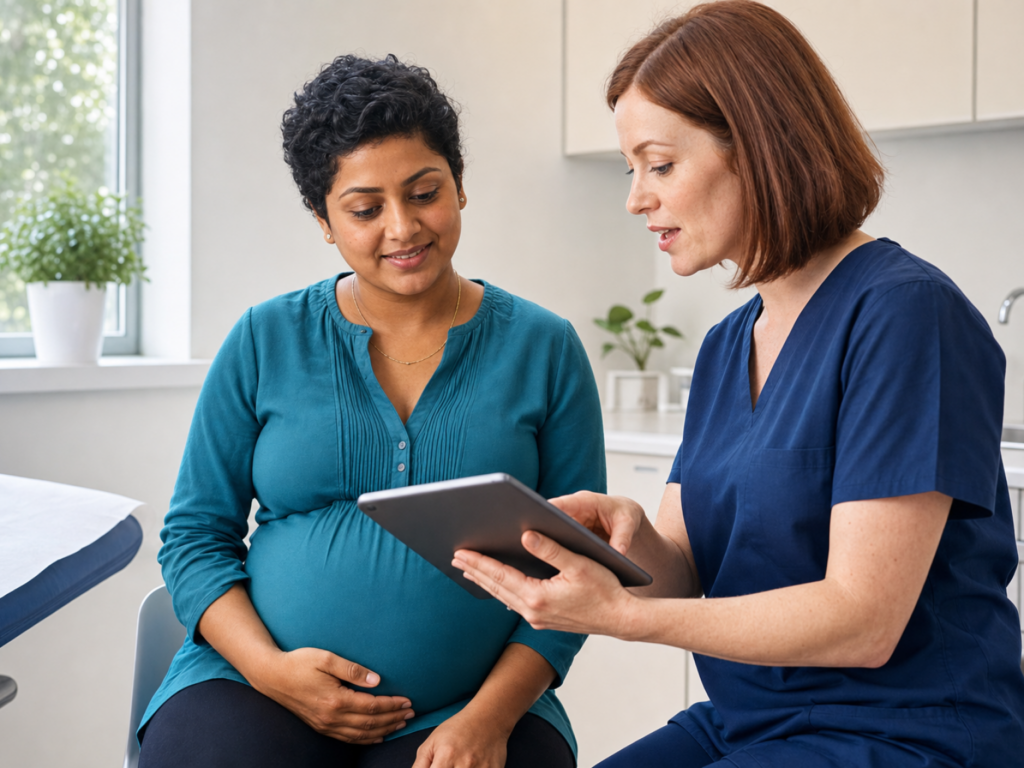
Intro
Bloating, gas, constipation, reflux, nausea, and shifting appetite can be among the most persistent physical experiences of pregnancy. They are common, but that does not make them trivial: abdominal distension, painful trapped wind, bowel irregularity, and a sense of being uncomfortably full can affect sleep, eating, work, body image, and emotional wellbeing.
Most pregnancy-related digestive changes reflect normal physiologic adaptation, especially hormonal effects on gastrointestinal motility and the mechanical effects of the enlarging uterus. Still, new or severe abdominal symptoms should not be dismissed automatically. This article explains why bloating and gas happen in pregnancy, what can help reduce discomfort, and when to contact a healthcare professional.
Highlights
Progesterone relaxes smooth muscle and can slow gastrointestinal transit, allowing more time for gas formation and contributing to bloating and constipation.
Gas comes mainly from swallowed air and bacterial fermentation of carbohydrates in the intestine; pregnancy can make normal gas feel more uncomfortable because motility is slower and abdominal pressure increases.
Small, steady changes in eating pattern, fluid intake, fiber, movement, and posture often help, but sudden severe pain, vomiting, fever, bleeding, or inability to pass stool or gas needs medical review.
Over-the-counter remedies and laxatives should be discussed with a clinician or pharmacist who knows the pregnancy, especially if there are other conditions or medications involved.
Why digestion changes so early in pregnancy
Digestive symptoms can begin in the first trimester, sometimes before the pregnancy is visibly noticeable. One of the central mechanisms is the rise in progesterone, a hormone essential for maintaining pregnancy. Progesterone relaxes smooth muscle throughout the body, including the muscular wall of the gastrointestinal tract. This relaxation can slow peristalsis, the coordinated contractions that move food and stool forward.
Slower transit gives intestinal bacteria more time to ferment undigested carbohydrates, which can increase gas production. It also allows more water to be absorbed from stool, making stools harder and contributing to constipation. Many people experience a cluster of symptoms rather than one isolated problem: bloating, abdominal pressure, burping, flatulence, early fullness, and less frequent bowel movements may appear together.
Pregnancy-related nausea and vomiting can also alter eating patterns. Some people eat more frequent carbohydrate-rich snacks to manage nausea, while others avoid high-protein or high-fiber foods because of smell sensitivity or aversion. These adaptations can be understandable and necessary, but they may also change bowel habits and gas production. For a broader look at related symptoms, nausea and vomiting during pregnancy can overlap with bloating and appetite changes.
What gas is and why pregnancy can make it feel worse
Gas in the digestive tract has two main sources. The first is swallowed air, which can increase with eating quickly, chewing gum, drinking carbonated beverages, smoking, or using straws. Swallowed air is often released as belching, although some passes farther into the intestine.
The second source is bacterial breakdown of foods, especially certain carbohydrates that are incompletely digested in the small intestine. When these reach the colon, gut bacteria ferment them and produce gases such as hydrogen, carbon dioxide, and sometimes methane. Foods commonly associated with gas include beans, lentils, onions, cabbage, broccoli, cauliflower, whole grains, some fruits, dairy products in people with lactose intolerance, and sugar alcohols such as sorbitol.
These foods are not unhealthy; many are nutrient-dense and valuable in pregnancy. The goal is usually not to eliminate broad food groups, but to identify personal triggers and adjust portion size, preparation, and timing. For example, smaller servings of legumes, thorough rinsing of canned beans, gradual fiber increases, and spreading high-fiber foods across the day may reduce discomfort while preserving nutrition.
Constipation, bloating, and abdominal pressure
Constipation is one of the most common contributors to bloating in pregnancy. When stool moves slowly, the colon may become distended with stool and gas, creating pressure, cramping, or a sensation of fullness. Iron-containing prenatal vitamins can worsen constipation in some people, although iron is medically important for many pregnancies. Do not stop prescribed supplements without discussing alternatives with a clinician.
Helpful non-drug strategies often include:
- Increasing fluid intake, especially water, unless a clinician has recommended fluid restriction.
- Adding fiber gradually rather than suddenly, because abrupt increases can temporarily worsen gas.
- Including soluble fiber sources such as oats, chia, psyllium, beans, lentils, apples, and pears as tolerated.
- Moving daily if medically permitted, such as walking, prenatal yoga, or gentle stretching.
- Responding promptly to the urge to pass stool rather than delaying.
- Using a footstool during bowel movements to support a more physiologic squatting angle.
If constipation is persistent, painful, or associated with bleeding, a healthcare professional can help determine whether a stool softener, fiber supplement, osmotic laxative, or other approach is appropriate in the context of the pregnancy. Self-treating with stimulant laxatives, enemas, herbal products, or detox teas is not advisable without professional guidance.
Heartburn, reflux, and slow gastric emptying
Bloating and gas often coexist with heartburn. Progesterone can relax the lower esophageal sphincter, the muscular valve between the stomach and esophagus. At the same time, slower gastric emptying and, later in pregnancy, upward pressure from the uterus can make reflux more likely. The result may be burning behind the breastbone, sour taste, belching, nausea, or discomfort when lying down.
Practical measures that may help include eating smaller meals, avoiding lying flat soon after eating, elevating the head of the bed if nighttime reflux is prominent, and identifying individual triggers such as fatty meals, spicy foods, chocolate, peppermint, coffee, or acidic foods. Triggers vary, and unnecessary restriction can make eating more stressful, so a short symptom diary may be more useful than broad avoidance.
People in the third trimester may notice that digestive pressure increases as the uterus grows. This can occur alongside other late-pregnancy body sensations, such as sleep disruption, pelvic pressure, or shortness of breath with exertion. Week 28 of pregnancy often marks the start of a stage when mechanical pressure becomes more noticeable for many people.
Eating patterns that may reduce bloating without compromising nutrition
Pregnancy nutrition needs are individual, and people with diabetes, hyperemesis, inflammatory bowel disease, celiac disease, food allergies, eating disorder history, bariatric surgery history, or other medical conditions should seek tailored advice. For many uncomplicated pregnancies, however, a few general strategies can reduce bloating and gas.
- Eat smaller, more frequent meals if large meals cause fullness, reflux, or abdominal distension.
- Chew slowly and avoid rushing meals, which can reduce swallowed air.
- Introduce fiber gradually over several days or weeks, paired with adequate fluids.
- Consider temporarily reducing, not permanently eliminating, foods that reliably trigger severe gas.
- Choose gentle cooking methods; cooked vegetables may be easier to tolerate than large raw salads.
- Limit carbonated drinks if they increase belching or abdominal pressure.
- Review lactose tolerance if dairy causes bloating, cramps, or diarrhea; lactose-free options may help while maintaining calcium intake.
Some people explore low-FODMAP concepts because fermentable carbohydrates can increase gas. In pregnancy, a strict low-FODMAP diet should not be started without professional supervision, because it can be nutritionally restrictive. A dietitian can help distinguish between symptom management and unnecessary elimination.
Movement, posture, and pelvic floor considerations
Gentle physical activity can improve bowel motility and help gas move through the intestines. Walking after meals, prenatal stretching, and approved exercise routines may reduce bloating for some people. If there are pregnancy complications, bleeding, ruptured membranes, significant pain, or a clinician has advised activity restriction, exercise plans should be individualized.
Posture can also matter. Sitting upright after meals, wearing non-restrictive clothing around the abdomen, and avoiding tight waistbands may reduce reflux and pressure. Some people find relief from positions that encourage gas passage, such as side-lying with knees slightly bent, gentle pelvic tilts, or slow breathing exercises. These are comfort measures, not treatments for severe or unexplained pain.
Pelvic floor dysfunction can sometimes contribute to difficult stool passage or a feeling of incomplete emptying. If bowel movements require excessive straining, cause pelvic heaviness, or are associated with urinary leakage or pelvic pain, a pregnancy-informed pelvic floor physical therapist may be helpful. Frequent urination and bladder changes in pregnancy can also coexist with pelvic pressure, especially later in gestation.
Medicines, supplements, and when to ask before using them
Many people wonder whether they can use anti-gas products, antacids, stool softeners, or laxatives in pregnancy. Safety depends on the ingredient, dose, timing, medical history, and other medications. A pharmacist, midwife, obstetrician, family physician, or other qualified clinician can help review options. This is especially important for people with kidney disease, hypertension, preeclampsia risk, heart disease, gastrointestinal disorders, or those taking multiple medicines.
Prenatal vitamins deserve special attention. Iron can worsen constipation, while some formulations may be better tolerated than others. A clinician may check whether iron is needed at a particular dose or whether a different preparation is reasonable. Calcium supplements can also contribute to constipation in some people, while magnesium-containing products may not be appropriate for everyone.
Herbal remedies are not automatically safe because they are natural. Some teas, bitters, laxative herbs, and supplements can affect uterine activity, fluid balance, electrolytes, or medication metabolism. If nausea, vomiting, or food aversions are severe, it is important to seek medical care rather than relying only on home strategies; severe nausea and vomiting in pregnancy can lead to dehydration and nutritional compromise.
Emotional impact and body changes
Bloating can be emotionally frustrating. In early pregnancy, abdominal distension from gas or constipation may make clothes feel tight before a true uterine bump is present. Some people feel self-conscious, worried that something is wrong, or discouraged when eating becomes complicated. These reactions are valid.
It may help to remember that digestive changes are part of a broader endocrine and mechanical adaptation. Hormonal changes in early pregnancy influence the uterus, breasts, blood vessels, kidneys, and gastrointestinal tract. The same hormonal environment that supports implantation and placental development can also slow bowel motility and increase reflux.
Supportive care includes practical adjustments, reassurance when symptoms fit a benign pattern, and timely evaluation when they do not. You should not have to tolerate severe discomfort without help. Bringing a concise symptom diary to an appointment can make the conversation more efficient: note timing, meals, bowel frequency, stool consistency, vomiting, pain location, medications, supplements, and any warning signs.
Seek medical advice urgently if you notice
- Severe, persistent, or one-sided abdominal pain, especially if worsening or associated with shoulder pain or dizziness.
- Vomiting that prevents keeping fluids down, signs of dehydration, fainting, or very reduced urination.
- Fever, chills, bloody stool, black tarry stool, or persistent diarrhea.
- Constipation with inability to pass gas, marked abdominal distension, or severe cramping.
- Vaginal bleeding, fluid leakage, regular contractions, or decreased fetal movement later in pregnancy.
- New swelling, severe headache, visual changes, or upper abdominal pain, which require prompt pregnancy assessment.
Tools & Assistance
- Keep a 3 to 7 day food, bowel, and symptom diary to identify patterns.
- Ask a prenatal clinician or pharmacist before using antacids, laxatives, anti-gas medicines, or herbal products.
- Consider referral to a registered dietitian for persistent bloating, dietary restriction, or complex medical needs.
- Use gentle daily movement, such as walking, if it has been cleared for your pregnancy.
- Contact maternity triage, obstetric services, or urgent care for severe pain, dehydration, bleeding, or reduced fetal movement.
FAQ
Is bloating an early sign of pregnancy?
It can be. Progesterone rises early and may slow digestion, causing bloating, gas, and constipation. However, bloating is nonspecific and can have many non-pregnancy causes.
Are gas pains harmful to the baby?
Ordinary gas discomfort is usually not harmful to the fetus. The concern is distinguishing typical gas from warning symptoms such as severe persistent pain, fever, bleeding, vomiting, or inability to pass stool or gas.
Should I stop eating beans, vegetables, or whole grains if they cause gas?
Not necessarily. These foods provide important nutrients. Smaller portions, gradual fiber increases, soaking or rinsing legumes, and cooked rather than raw vegetables may improve tolerance.
Can prenatal vitamins make bloating or constipation worse?
Yes, especially iron-containing formulations for some people. Do not stop prenatal supplements without medical advice; a clinician may suggest a different formulation or constipation strategy.
When does pregnancy bloating improve?
It varies. Some people improve after the first trimester as nausea and eating patterns stabilize, while others have more pressure later because of uterine growth and reflux.
Sources
- Medical News Today — Pregnancy constipation, bloating, gas and heartburn
- Cedars-Sinai — Gas in the Digestive Tract
- NCBI Bookshelf — Nausea and Vomiting of Pregnancy: Treatment and Potential Side Effects of Some Common Anti-Nausea Drugs
Disclaimer
This article is for informational purposes only and does not replace medical advice, diagnosis, or treatment. Consult a qualified healthcare professional about pregnancy symptoms, medications, supplements, or urgent concerns.















Please log in to leave a comment.