
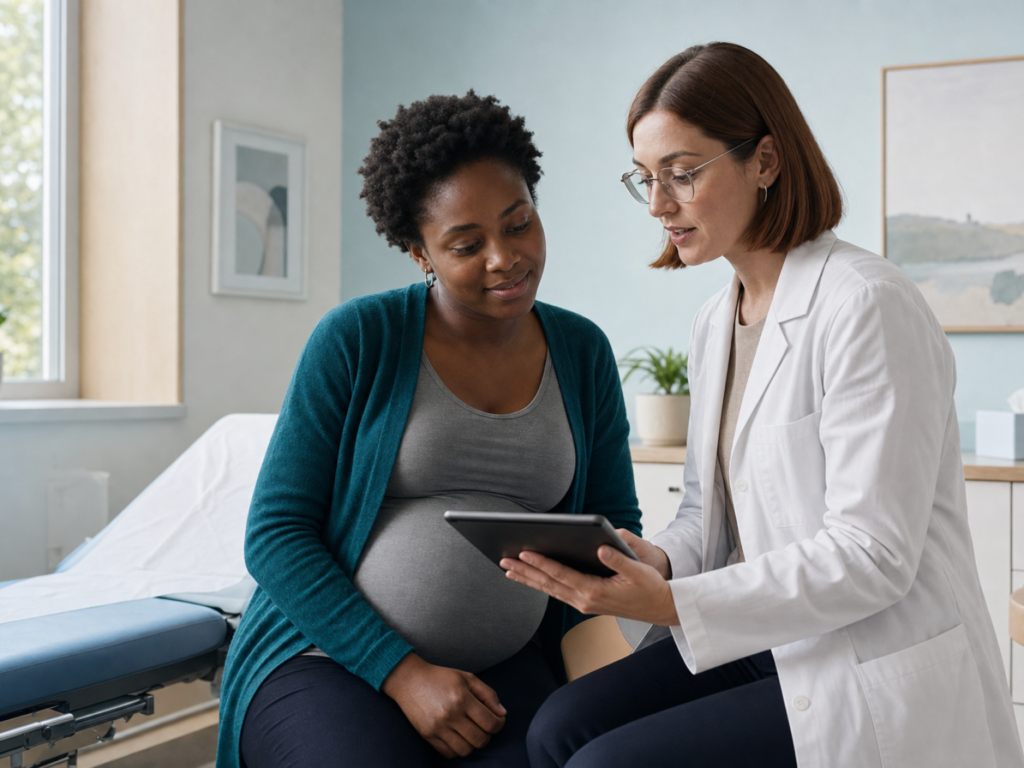
Intro
Conception is often imagined as one instant, but in the body it is a finely timed biological sequence: ovulation, sperm transport, fertilization in the fallopian tube, early cell division, movement toward the uterus, implantation, and the hormonal signals that eventually make a pregnancy test positive. The first six weeks can feel emotionally intense because so much is happening before anything is visible from the outside.
This overview explains what occurs right after conception and how early pregnancy is commonly dated from week 1 to week 6. It uses medical terminology where helpful, with brief explanations, and it also acknowledges a practical truth: symptoms, test timing, and early scans vary. If you think you may be pregnant or have concerning symptoms, a clinician can help interpret your individual situation.
Highlights
Pregnancy dating usually starts from the first day of the last menstrual period, not from the day fertilization occurs. This means “week 1” and “week 2” are often before conception in a standard 40-week pregnancy count.
Fertilization typically occurs in the fallopian tube after ovulation, and the early embryo divides as it travels toward the uterus. Implantation usually begins several days later, around the blastocyst stage.
Human chorionic gonadotropin, or hCG, rises after implantation and is the hormone detected by most pregnancy tests. Testing too early can give a negative result even if conception occurred.
By weeks 5 to 6 of pregnancy, the embryo is undergoing rapid organogenesis, including early neural tube, heart, and limb-bud development. This is a sensitive period, which is why early prenatal care matters.
Conception is a sequence, not a single event
Right after ovulation, an oocyte, often called an egg, is released from the ovary and enters the fallopian tube. Sperm that have traveled through the cervix and uterus may reach the fallopian tube, where fertilization can occur. Fertilization is the joining of sperm and egg genetic material, creating a one-cell embryo called a zygote.
Only one sperm typically fertilizes the egg. After sperm entry, the egg undergoes changes that prevent additional sperm from entering. The zygote then begins cleavage divisions: it divides into more cells without increasing much in overall size. As it moves along the fallopian tube toward the uterus, it becomes a multicellular structure known as a morula and then a blastocyst.
The blastocyst has two important parts: an inner cell mass, which will become the embryo, and an outer layer called the trophoblast, which contributes to the placenta and supporting tissues. This early differentiation is one of the first steps toward establishing a pregnancy in the uterus.
Pregnancy week 1: medically counted before conception
In standard obstetric dating, pregnancy week 1 begins on the first day of the last menstrual period, also called the LMP. This can feel confusing because a person is not biologically pregnant yet. Clinicians use this convention because the LMP is often easier to identify than the exact date of ovulation or fertilization.
During this week, the uterine lining is shedding if menstruation occurs. At the same time, a new ovarian cycle is beginning. Follicle-stimulating hormone supports follicular growth in the ovary, and one follicle may become dominant. Estrogen gradually rises as the follicle develops.
For people trying to conceive, this is technically a preconception week in the medical calendar. It is still relevant because nutritional status, medications, chronic conditions, alcohol exposure, smoking, and folate intake can influence early embryonic development before a positive test appears.
Pregnancy week 2: ovulation approaches
Pregnancy week 2, by LMP dating, usually includes the late follicular phase and may end near ovulation in a typical 28-day cycle. A surge in luteinizing hormone triggers ovulation, releasing the oocyte from the ovary. The fertile window includes the days leading up to ovulation and the day of ovulation because sperm can remain viable in the reproductive tract for several days, while the egg is available for a shorter period after release.
Cervical mucus often becomes clearer, stretchier, and more sperm-friendly around ovulation due to estrogen effects. Some people notice mittelschmerz, a one-sided ovulatory discomfort, although many notice no clear ovulation signs.
If intercourse or insemination occurs during the fertile window, sperm must pass through the cervix and uterus into the fallopian tube. This transport is selective; only a small fraction of sperm reach the site where fertilization is possible.
Pregnancy week 3: fertilization, cleavage, and implantation begins
In many pregnancies, fertilization occurs around what is counted as pregnancy week 3. After the zygote forms, it divides repeatedly while traveling through the fallopian tube. Around several days after fertilization, the embryo reaches the uterus as a blastocyst and begins the process of implantation into the endometrium, the hormonally prepared uterine lining.
Implantation is not a dramatic event for most people. Some notice light spotting or mild cramping, but many have no symptoms at all. Implantation bleeding, when it occurs, is typically light and brief; however, bleeding patterns cannot reliably confirm whether implantation has occurred.
Once implantation begins, trophoblast cells start producing human chorionic gonadotropin, or hCG. This hormone supports the corpus luteum in the ovary, helping maintain progesterone production. Progesterone keeps the uterine lining stable and supports the early pregnancy environment.
Pregnancy week 4: missed period and early test window
By pregnancy week 4, many people are near the time their period is expected. If implantation has occurred, hCG may be rising enough to be detected by some home urine pregnancy tests, especially with first-morning urine. Blood tests ordered by clinicians can detect lower hCG levels than many urine tests, but interpretation depends on timing and clinical context.
A negative test at this stage does not always rule out pregnancy. Ovulation may have occurred later than expected, implantation may have been later, or urine may have been diluted. Repeating a test after a few days or speaking with a clinician can help clarify the result.
Common early sensations may include breast tenderness, fatigue, mild uterine cramping, bloating, increased urination, or mood changes. These symptoms overlap strongly with premenstrual symptoms because progesterone is involved in both. The absence of symptoms is also common and does not by itself indicate a problem.
Pregnancy week 5: the embryonic period accelerates
By week 5 of pregnancy, the embryo is very small but development is rapid. The gestational sac may become visible on transvaginal ultrasound around this time in some pregnancies, although exact visibility depends on dating, equipment, anatomy, and hCG level. Clinicians are cautious about drawing conclusions from a very early scan because a few days can make a major difference.
The embryonic disc is forming layers that give rise to organs and tissues. This stage is part of organogenesis, when major body systems begin to take shape. The neural tube, which later becomes the brain and spinal cord, begins developing early, making adequate folic acid intake particularly important before and during early pregnancy.
hCG continues to rise, and nausea may begin for some people, though it often becomes more noticeable later. Fatigue can be profound because of hormonal changes, increased metabolic demands, and sleep disruption. If you are taking prescription medications, do not stop them abruptly without medical advice; instead, contact a healthcare professional to review safety and alternatives if needed.
Pregnancy week 6: early heartbeat activity and foundational organ development
By week 6 of pregnancy, the embryo is still measured in millimeters, yet major developmental events are underway. The neural tube continues closing, early structures of the brain and spinal cord are developing, and the heart is forming and may show cardiac activity on ultrasound in some pregnancies. Arm and leg buds may begin to appear, and early facial and internal organ structures are taking shape.
It is important to interpret early ultrasound findings with care. If dates are uncertain or ovulation occurred later than expected, what is seen at week 6 may look earlier than anticipated. Clinicians may recommend repeat ultrasound or serial hCG testing rather than making immediate conclusions.
Symptoms may intensify in week 6: nausea, food aversions, breast changes, fatigue, constipation, and increased urination are common. Some people feel emotionally reassured by symptoms; others feel worried by the lack of them. Symptom severity does not reliably measure pregnancy health, and individualized medical assessment is the safest guide.
What to do once you suspect pregnancy
If you have a positive pregnancy test or strongly suspect pregnancy, consider arranging prenatal care. Early care often includes confirming pregnancy dating, reviewing medical history, discussing medications and supplements, screening for risk factors, and planning appropriate follow-up. People with prior ectopic pregnancy, recurrent pregnancy loss, fertility treatment, significant medical conditions, or concerning symptoms may need earlier assessment.
General early pregnancy support may include continuing or starting a prenatal vitamin with folic acid, avoiding alcohol and smoking, limiting exposures known to be harmful, and asking a clinician about medication safety. Nutrition, sleep, hydration, and emotional support also matter, but early pregnancy is not a test of perfection. Many people learn they are pregnant only after several weeks, and clinicians are used to helping patients make safe next steps from wherever they are.
Seek urgent medical care for severe abdominal or pelvic pain, shoulder-tip pain, fainting, heavy bleeding, fever, or one-sided pain with dizziness. These symptoms do not always mean something dangerous is happening, but they can be associated with conditions that require prompt evaluation, including ectopic pregnancy or significant bleeding.
When to seek medical advice promptly
- Heavy vaginal bleeding, especially with clots, severe pain, or dizziness, needs urgent assessment.
- One-sided pelvic pain, shoulder pain, fainting, or weakness can be warning signs of ectopic pregnancy.
- Fever, severe vomiting with inability to keep fluids down, or signs of dehydration should be discussed with a clinician.
- If you have a positive test after fertility treatment or a history of ectopic pregnancy, ask your care team when to be evaluated.
- Do not start, stop, or change prescription medication solely because of a positive test without professional guidance.
Tools & Assistance
- Home urine pregnancy test used according to package timing instructions
- Appointment with an obstetrician, midwife, family physician, or reproductive endocrinology team
- Medication and supplement list for early prenatal review
- Menstrual cycle or ovulation tracking record to help estimate pregnancy dating
- Urgent care or emergency services for severe pain, heavy bleeding, fainting, or concerning symptoms
FAQ
How soon after conception does implantation happen?
Implantation generally begins several days after fertilization, often around the time the embryo reaches the blastocyst stage. Timing varies, so symptoms or test results cannot pinpoint it precisely.
Can I feel conception when it happens?
Most people cannot feel fertilization itself. Mild cramping or spotting later may occur around implantation, but these signs are nonspecific and can have other causes.
Why am I called 4 weeks pregnant if conception was about 2 weeks ago?
Pregnancy is usually dated from the first day of the last menstrual period. Ovulation and fertilization often occur about two weeks after that in a typical cycle, so gestational age is usually about two weeks ahead of embryonic age.
When should I take a pregnancy test?
Many home tests are most reliable from the day of a missed period or a few days after. Testing earlier may be negative because hCG has not risen enough yet.
Is it normal to have no symptoms at 5 or 6 weeks?
Yes. Some people have strong symptoms early, while others have few or none. Symptom presence or absence alone cannot confirm whether a pregnancy is progressing normally.
Sources
- UCSF Health — Conception: How It Works
- Cleveland Clinic — Conception: Fertilization, Process & When It Happens
- Mayo Clinic — Fetal development: The first trimester
Disclaimer
This article is for general medical information only and does not replace diagnosis, treatment, or personalized advice from a qualified healthcare professional. Seek urgent care for severe pain, heavy bleeding, fainting, or other concerning symptoms.
















Please log in to leave a comment.