
Intro
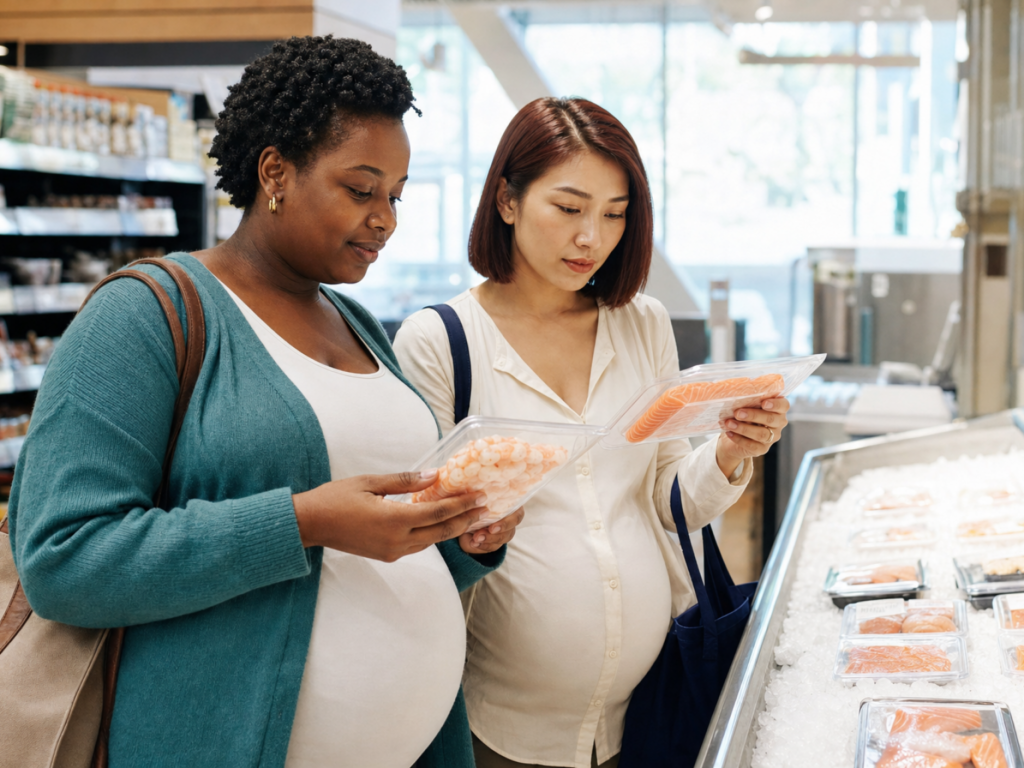
If sushi is one of your favorite foods, pregnancy can make a simple dinner choice feel unexpectedly complicated. Many people hear conflicting advice: fish is recommended for fetal brain development, yet raw fish and some seafood are often listed among foods to avoid. The most reassuring starting point is that you do not need to give up seafood altogether. The goal is to choose fish that is low in mercury, safely sourced, and thoroughly cooked when needed.
The cautious answer is that most pregnant people are advised to avoid raw fish preparations, including sashimi and many traditional sushi rolls with raw fish, because pregnancy increases the consequences of foodborne infection and parasite exposure. Cooked sushi, vegetarian sushi, and low-mercury cooked seafood can usually fit into a healthy pregnancy diet, but personal risk factors and local food safety standards matter. If you have questions about your situation, especially after an exposure or illness, speak with your obstetric clinician, midwife, or a qualified healthcare professional.
Highlights
Raw fish sushi and sashimi are generally discouraged in pregnancy because of possible bacterial, viral, and parasitic contamination.
Seafood itself can be beneficial in pregnancy, especially low-mercury fish that provide protein, iodine, vitamin D, and omega-3 fatty acids such as DHA.
Cooked sushi, vegetarian rolls, and properly handled low-mercury cooked fish are safer alternatives for many pregnant people.
Mercury risk is separate from raw-fish infection risk: a fish can be low in mercury but still unsafe if eaten raw.
Seek medical advice promptly if you develop fever, persistent vomiting, diarrhea, abdominal pain, dehydration, or reduced fetal movements after eating seafood.
The short answer: avoid raw fish, but not all sushi
In many pregnancy food-safety guidelines, raw fish and raw shellfish are treated as higher-risk foods. That includes sashimi, nigiri with raw fish, ceviche, poke made with raw fish, raw oysters, raw clams, and raw scallops. The concern is not that every piece of raw fish is contaminated; rather, it is that pregnancy reduces the margin for error. A foodborne illness that might be unpleasant but self-limited outside pregnancy may cause more serious dehydration, systemic illness, or fetal risk in pregnancy.
That does not mean sushi restaurants are entirely off limits. Sushi refers to vinegared rice and prepared rolls, not necessarily raw fish. Many options are cooked or plant-based, such as avocado rolls, cucumber rolls, sweet potato rolls, cooked shrimp rolls, cooked crab or imitation crab rolls, eel rolls, and rolls made with cooked salmon or cooked tuna. The safest choices are those made fresh, kept at appropriate temperatures, and prepared separately from raw seafood to reduce cross-contamination.
Why raw fish is riskier in pregnancy
Pregnancy involves complex immune, gastrointestinal, and physiologic changes. These changes help support the fetus, but they can also alter susceptibility to certain infections and make dehydration or high fever more clinically significant. Raw fish can carry pathogens or parasites if it has not been properly handled, frozen, stored, or prepared.
Potential hazards include bacteria such as Salmonella, Vibrio species, and Listeria monocytogenes; viruses such as norovirus; and parasites such as Anisakis. Freezing can kill many parasites when performed under appropriate commercial conditions, but it does not reliably eliminate all bacterial or viral risks. This is why “previously frozen” does not automatically mean “safe in pregnancy.” Cooking seafood to a safe internal temperature is the more reliable risk-reduction step.
Listeria deserves special mention because pregnancy is a recognized risk state for invasive listeriosis. Although listeriosis is uncommon, it can have serious pregnancy consequences. Raw seafood is not the only possible source, but ready-to-eat refrigerated foods, cross-contamination, and inadequate temperature control all increase concern. If you are reviewing broader food-safety choices, the topic overlaps closely with food safety rules and listeria risk foods during pregnancy.
Mercury: a separate but important seafood issue
Mercury exposure is a different risk from foodborne infection. Methylmercury can accumulate in certain large predatory fish and may affect fetal nervous system development at high exposure levels. This is why pregnancy guidance commonly recommends avoiding high-mercury fish while still encouraging safer seafood choices.
High-mercury fish to avoid commonly include shark, swordfish, king mackerel, and tilefish. Some guidance also advises limiting or avoiding other large predatory species depending on local recommendations. Tuna requires nuance: canned light tuna is generally lower in mercury than bigeye tuna or some fresh tuna steaks, while albacore tuna is typically higher than canned light. Portion guidance may vary by country, so it is worth following your local public health recommendations or asking your clinician if you eat tuna frequently.
Low-mercury seafood options often include salmon, sardines, trout, anchovies, herring, shrimp, pollock, cod, and tilapia. These can provide high-quality protein, iodine, selenium, vitamin D, and omega-3 fatty acids. The key pregnancy distinction is that low-mercury fish should still be cooked appropriately if it is fish that would otherwise be served raw. For a deeper overview, mercury in fish and food poisoning risks in pregnancy is a closely related topic.
What sushi can be safer during pregnancy?
If you are craving sushi, safer options usually focus on cooked ingredients, plant-based fillings, and careful food handling. Consider asking the restaurant whether the roll contains raw fish, whether sauces include raw egg, and whether raw and cooked items are prepared on separate surfaces.
- Usually safer choices: avocado rolls, cucumber rolls, vegetable rolls, cooked shrimp rolls, tempura shrimp rolls, cooked eel rolls, cooked salmon rolls, and rolls with fully cooked crab or imitation crab.
- Higher-risk choices: sashimi, raw salmon or tuna nigiri, spicy tuna rolls made with raw tuna, yellowtail rolls, raw oysters, raw clams, ceviche, and poke bowls made with raw fish.
- Check the details: “smoked” does not always mean fully cooked. Refrigerated smoked seafood can carry risk if eaten cold, depending on preparation and local guidance.
- Be careful with buffets: sushi sitting at room temperature or on poorly monitored displays is riskier than food prepared fresh and served promptly.
Cross-contamination is a practical concern. A vegetarian roll prepared with the same knife and board used for raw fish may not carry the same risk as sashimi, but it is not risk-free. A reputable restaurant should be willing to answer questions and accommodate pregnancy-related food-safety requests without making you feel difficult.
Shellfish: cooked versus raw makes a major difference
Raw shellfish is generally one of the clearest “avoid” categories in pregnancy. Oysters, clams, mussels, scallops, and similar shellfish can contain bacteria or viruses from the waters where they are harvested. Raw oysters are particularly associated with Vibrio infection in some regions. Lemon juice, vinegar, hot sauce, or alcohol does not make raw shellfish safe.
Fully cooked shellfish is a different matter for many pregnant people. Cooked shrimp, crab, lobster, mussels, and scallops can be nutritious when sourced safely and cooked until appropriate texture and temperature are reached. Shells should open during cooking for mussels and clams; any that remain closed are typically discarded. As with all seafood, avoid items that smell strongly “off,” have been left at room temperature, or come from uncertain sources.
If you already ate raw sushi before realizing the risk
First, try not to panic. Many people eat sushi before they know they are pregnant, and most single exposures do not lead to illness. Risk depends on the type of seafood, the restaurant or supplier, storage and handling, local contamination patterns, and your own health status.
Do not attempt to self-treat with antibiotics, antiparasitic medication, or over-the-counter remedies without medical advice. Instead, monitor for symptoms such as fever, chills, vomiting, diarrhea, severe abdominal pain, blood in stool, signs of dehydration, or flu-like illness. Contact your maternity care team promptly if symptoms develop, if you ate recalled seafood, or if you are immunocompromised. Later in pregnancy, reduced fetal movements after any significant illness should be treated as urgent and assessed according to your local maternity guidance.
How to include seafood safely and nutritiously
Seafood can be part of a well-balanced pregnancy diet. Many guidelines encourage pregnant people to eat appropriate portions of low-mercury fish because omega-3 fatty acids, especially DHA, support fetal brain and retinal development. If you do not eat fish, you can discuss alternatives such as algae-based DHA supplements with a healthcare professional. This is particularly relevant for people who follow vegetarian or vegan diets, have fish allergies, or have strong food aversions.
Practical safety steps include buying seafood from reputable sellers, keeping it refrigerated or frozen, separating raw seafood from ready-to-eat foods, washing hands and surfaces after handling raw fish, cooking fish until opaque and flaky, and refrigerating leftovers promptly. If nausea or cravings are affecting your choices, it may help to plan a few safe default meals rather than making decisions when you are hungry or unwell.
Pregnancy nutrition should feel supportive, not punitive. If sushi is emotionally or culturally important to you, consider cooked or vegetarian versions, homemade rolls with safe fillings, or restaurant orders that clearly avoid raw seafood. For many people, this preserves the experience while reducing avoidable risk.
When to seek medical advice
- Call a healthcare professional if you develop fever, chills, persistent vomiting, or diarrhea after eating raw seafood.
- Seek urgent care for signs of dehydration, severe abdominal pain, bloody stool, confusion, or inability to keep fluids down.
- Contact your maternity unit promptly for reduced fetal movements, especially after any significant illness.
- Avoid high-mercury fish such as shark, swordfish, king mackerel, and tilefish unless your local clinician gives different guidance.
- Do not self-start antibiotics or antiparasitic medicines after a raw-fish exposure without professional advice.
Tools & Assistance
- Ask your obstetric clinician or midwife for local seafood and mercury guidance.
- Use a pregnancy-safe seafood list when grocery shopping or ordering sushi.
- Choose restaurants that prepare cooked and raw items separately on request.
- Check public health recall notices if you suspect contaminated seafood.
- Keep a simple symptom timeline if you become unwell after eating seafood.
FAQ
Can I eat California rolls while pregnant?
Often yes, if they are made with cooked crab or imitation crab and handled safely. Confirm there is no raw fish and ask about cross-contamination if ordering from a sushi restaurant.
Is salmon sushi safe in pregnancy if the salmon was frozen first?
Freezing can reduce parasite risk when done properly, but it does not reliably remove all bacterial or viral risks. Most pregnancy guidance still favors cooked salmon rather than raw salmon sushi.
Can I eat cooked shrimp sushi while pregnant?
Cooked shrimp sushi is generally a safer option than raw fish sushi when it is freshly prepared, properly refrigerated, and not cross-contaminated with raw seafood.
How much fish should I eat during pregnancy?
Guidance varies by country, but many authorities encourage regular intake of low-mercury, well-cooked seafood in pregnancy. Ask your clinician for portion advice if you eat fish frequently or have dietary restrictions.
What if I ate raw sushi and feel fine?
Most single exposures do not cause illness. Monitor for symptoms over the following days and contact your healthcare team if fever, gastrointestinal illness, dehydration, or other concerning symptoms occur.
Sources
- WebMD — Fish: Friend or Foe? Safe Handling and Consumption During Pregnancy
- Mayo Clinic — Mercury and Fish: Guidelines for Pregnant Women
- NHS — Fish and shellfish in pregnancy
Disclaimer
This article is for general educational purposes only and does not replace individualized medical advice. If you are pregnant and have concerns about seafood exposure, symptoms, allergies, or mercury risk, consult your healthcare professional.














Please log in to leave a comment.