
Intro
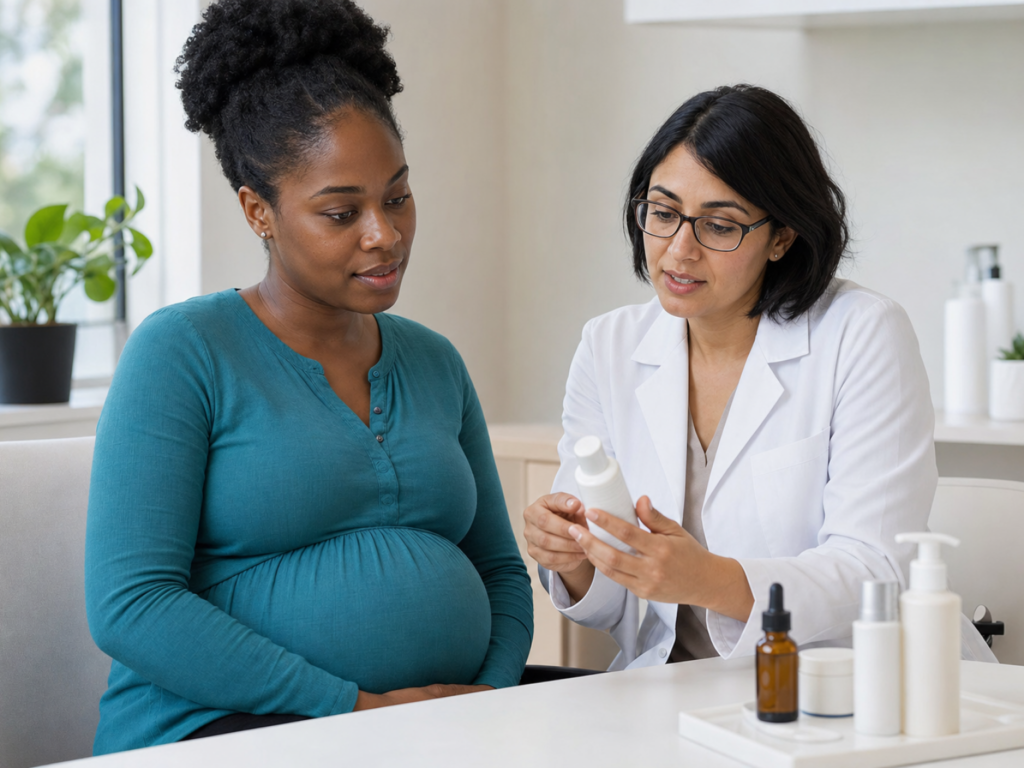
Pregnancy can make skin and hair care feel unexpectedly complicated. Hormonal and vascular changes may bring acne, pigmentary changes, itching, stretch marks, hair texture shifts, or increased shedding after birth. At the same time, many people understandably want to keep familiar routines and feel like themselves while avoiding unnecessary fetal or maternal risk.
The reassuring news is that most basic skin care and many hair treatments can be continued with sensible modifications. The key is to distinguish low-risk everyday products from ingredients and procedures that deserve caution, and to discuss persistent or severe concerns with an obstetric clinician, dermatologist, pharmacist, or teratology information service.
Highlights
Gentle cleansing, moisturizing, broad-spectrum sunscreen, and fragrance-minimized products form the safest foundation for pregnancy skin care.
Topical retinoids, oral isotretinoin, hydroquinone, and certain prescription acne medicines require particular caution or avoidance unless a clinician specifically advises otherwise.
Hair dye and highlighting are generally considered low exposure when used as directed, but ventilation, glove use, and avoiding scalp irritation help reduce contact.
New severe itching, blistering rash, jaundice, painful lesions, or signs of infection should prompt medical review rather than cosmetic self-treatment.
Procedures such as chemical peels, injectables, and laser treatments should be discussed individually because safety data in pregnancy are often limited.
Why skin and hair change in pregnancy
Pregnancy affects the skin through endocrine, immune, vascular, and mechanical pathways. Rising estrogen, progesterone, androgen fluctuations, increased blood volume, and changes in melanocyte activity can all alter the appearance and behavior of skin. Some people notice a fuller-looking hairline because more follicles remain in the anagen, or growth, phase. Others experience oilier skin, acne flares, dryness, sensitivity, or scalp irritation.
Pigmentation is particularly common. The linea nigra, darkening of the areolae, darker freckles or scars, and melasma are linked to increased melanogenesis. Melasma often appears as symmetric brown-gray patches on the cheeks, upper lip, nose, or forehead and is strongly worsened by ultraviolet and visible light exposure. Stretch marks, or striae gravidarum, are related to skin stretching plus hormonal effects on dermal collagen and elastin.
Many of these findings are physiologic rather than dangerous, but they can still affect self-image. Feeling distressed by acne, pigmentation, hair changes, or body changes is valid; pregnancy does not make cosmetic concerns trivial. The safest approach is usually measured: protect the barrier, reduce triggers, use evidence-based low-risk options, and seek medical advice when symptoms are severe, painful, widespread, or sudden.
A pregnancy-conscious skin care routine
A simple routine often works better than a complex one, especially because pregnancy can increase cutaneous sensitivity. A practical baseline includes a mild cleanser, a non-comedogenic moisturizer, daily broad-spectrum sunscreen, and targeted treatment only when needed. If you are changing products, introduce one at a time so irritation is easier to identify.
- Cleanser: Choose a gentle, non-abrasive cleanser. Over-cleansing can worsen irritation and paradoxically increase oiliness.
- Moisturizer: Ceramides, glycerin, hyaluronic acid, petrolatum, and dimethicone can support barrier function and reduce dryness or itch.
- Sunscreen: Daily broad-spectrum SPF 30 or higher is central for melasma prevention and general photoprotection. Mineral filters such as zinc oxide or titanium dioxide are often well tolerated.
- Fragrance caution: Fragrances and essential oils can irritate sensitized skin. “Natural” does not automatically mean safer in pregnancy.
- Patch testing: If you are prone to dermatitis, test a small area first and stop products that burn, sting persistently, or trigger a rash.
For people who enjoy cosmetics, makeup is usually acceptable, but choose non-comedogenic products if acne-prone and remove makeup gently before sleep. Avoid sharing makeup or applicators, especially around the eyes, because infections can be more troublesome and may require medications that need pregnancy-specific consideration.
Acne treatment: what to avoid and what may be discussed
Pregnancy acne can be frustrating because some highly effective acne medications are not appropriate. The most important example is oral isotretinoin, which is contraindicated in pregnancy because of a high risk of severe birth defects. Topical retinoids, including tretinoin, adapalene, and tazarotene, are commonly advised against during pregnancy even though systemic absorption is low, because safer alternatives exist and retinoid exposure is a known concern as a drug class.
Hydroquinone, used for hyperpigmentation, is also generally avoided because it has relatively high systemic absorption compared with many topical agents and pregnancy safety data are limited. Certain oral antibiotics and anti-androgenic medications used for acne, such as tetracyclines or spironolactone, require avoidance or specialist guidance. Do not stop or start prescription treatment without speaking to the clinician who prescribed it.
Options often discussed for pregnancy acne include azelaic acid, glycolic acid in typical cosmetic strengths, and some topical antibiotics under medical supervision. Benzoyl peroxide has low systemic absorption but is still best used in limited areas and after clinician or pharmacist advice, especially if acne is extensive or skin is irritated. Salicylic acid in small topical amounts may be acceptable for some people, but high-concentration peels or large-area use should be avoided unless a specialist recommends it.
Non-drug measures can also help: wash gently after sweating, avoid occlusive hair products along the hairline, use non-comedogenic sunscreen, and resist picking lesions to reduce post-inflammatory hyperpigmentation and scarring. If acne is painful, cystic, scarring, or causing significant distress, a dermatologist and obstetric clinician can help balance efficacy and fetal safety.
Melasma, stretch marks, itching, and sensitive skin
Melasma is one of the most common and persistent pregnancy skin concerns. The safest treatment strategy during pregnancy is prevention and stabilization: broad-spectrum sunscreen, hats, shade, and avoidance of tanning. Tinted mineral sunscreens containing iron oxides may be especially useful because visible light can worsen pigment in some skin types. Many lightening agents are deferred until after pregnancy or breastfeeding, depending on the product and clinician guidance.
Stretch mark creams are widely marketed, but evidence for preventing striae is limited. Moisturizers may reduce tightness and itch, and massage can feel soothing, but no topical product can reliably prevent stretch marks. Ingredients such as cocoa butter, shea butter, petrolatum, glycerin, and bland emollients are commonly used for comfort. Avoid aggressive exfoliation over stretched or itchy skin because the barrier is already under mechanical stress.
Itching is common as the abdomen expands and skin becomes drier, but not all itching is benign. Generalized itching, intense itching of the palms or soles, itching with dark urine or jaundice, or a new widespread rash should be assessed promptly. Pregnancy-specific dermatoses and liver-related conditions such as intrahepatic cholestasis of pregnancy require medical evaluation, not just over-the-counter creams.
For sensitive or eczematous skin, maintain a low-irritant routine. Short lukewarm showers, fragrance-free cleansers, thick moisturizers, and cotton clothing may help. If prescription corticosteroids, antihistamines, or other anti-inflammatory treatments are needed, a clinician can recommend options with an appropriate potency, location, duration, and safety profile.
Cosmetic procedures: peels, lasers, injectables, tanning, and waxing
Elective cosmetic procedures deserve extra caution in pregnancy because safety data are often limited, and skin may respond unpredictably. Superficial cosmetic treatments may seem minor, but pregnancy-associated hyperpigmentation, vascular changes, and sensitivity can increase the risk of irritation, burns, pigmentary alteration, or poor tolerance.
- Chemical peels: High-strength salicylic acid peels, deep peels, and multi-agent peels should generally be deferred unless a specialist determines a clear indication. Mild glycolic or lactic acid products may be acceptable for some people, but professional peels should be discussed first.
- Laser and light treatments: Many clinicians advise postponing elective laser hair removal, resurfacing, and pigment lasers because pregnancy safety data and pigmentary response are uncertain.
- Botulinum toxin and fillers: Cosmetic injectables are usually deferred during pregnancy because they are elective and controlled safety data are limited.
- Tanning beds: Avoid them. They increase ultraviolet exposure, worsen melasma risk, and add overheating and skin cancer concerns.
- Waxing and threading: These are generally non-systemic, but skin may bruise, tear, or become irritated more easily. Use hygienic providers and avoid waxing over varicose veins, broken skin, rashes, or infections.
If you are planning a procedure and later discover you were pregnant, do not panic. Contact your obstetric clinician or a teratology information service with the exact product or procedure, timing, area treated, and any symptoms. Risk assessment depends heavily on exposure details.
Hair dye, bleaching, straightening, and scalp treatments
Most evidence and expert guidance suggest that systemic absorption from hair dyes is low when products are used as directed. Many people choose to continue coloring their hair in pregnancy, especially after the first trimester, although timing is a personal decision. Lower-contact methods such as highlights, balayage, or foils may reduce dye contact with the scalp.
Practical precautions include using gloves, avoiding application to irritated or broken scalp skin, following timing instructions, rinsing thoroughly, and ensuring good ventilation. Patch testing is sensible because pregnancy can change allergic sensitivity. Hairdressers who are pregnant should also consider occupational exposure: ventilation, gloves, avoiding prolonged inhalation of fumes, and following workplace safety recommendations matter.
Bleaching and permanent waves primarily raise irritation and inhalational concerns rather than known teratogenic risk at typical cosmetic exposure levels, but scalp burns or dermatitis should be avoided. Chemical straightening treatments vary widely. Products that release formaldehyde or strong fumes are best avoided, particularly in poorly ventilated spaces, because respiratory irritation and occupational exposure are concerns. If you are unsure what a salon product contains, ask for the ingredient or safety data sheet and review it with a healthcare professional.
Medicated scalp treatments, such as anti-dandruff shampoos or treatments for psoriasis, seborrheic dermatitis, or fungal infection, should be reviewed individually. Some shampoos have minimal absorption, while leave-on or large-area treatments may require more caution.
Hair loss, texture changes, and postpartum shedding
Hair may feel thicker in mid to late pregnancy because follicles remain longer in the growth phase. After birth, many follicles shift into telogen, or resting phase, leading to diffuse shedding known as postpartum telogen effluvium. This can be alarming, especially when handfuls of hair come out in the shower, but it is usually temporary and improves over months.
During pregnancy, new focal bald patches, scaling, pain, pustules, or broken hairs are not typical postpartum shedding and should be assessed. Possible causes include alopecia areata, traction alopecia, tinea capitis, inflammatory scalp disease, or nutritional and thyroid abnormalities. Because pregnancy and postpartum recovery can overlap with iron deficiency, thyroid disease, and stress physiology, persistent or severe hair loss deserves clinical evaluation.
Supportive hair care includes avoiding tight hairstyles, minimizing heat damage, using gentle detangling, and treating scalp inflammation promptly. Be cautious with over-the-counter hair growth products. Minoxidil and many supplement blends should not be started in pregnancy without professional guidance. More is not always better; excessive vitamin A and some herbal ingredients may be unsafe.
How to read labels and make safer choices
Product labels can be difficult to interpret because cosmetics, cosmeceuticals, and medicines are regulated differently across countries. A useful rule is to be especially cautious with products marketed as “clinical strength,” peels, bleaching agents, anti-aging retinoids, acne systems, or hair growth treatments. These are more likely to contain pharmacologically active ingredients.
Ingredients to flag for review include retinol, retinaldehyde, tretinoin, adapalene, tazarotene, isotretinoin, hydroquinone, high-strength salicylic acid, oral tetracycline antibiotics, spironolactone, and unfamiliar herbal or essential oil concentrates. Ingredients often used in basic supportive care include zinc oxide, titanium dioxide, niacinamide, azelaic acid, glycerin, ceramides, petrolatum, and hyaluronic acid, but individual tolerance still matters.
If you have a chronic dermatologic condition such as psoriasis, eczema, hidradenitis suppurativa, rosacea, lupus-related photosensitivity, or a history of severe acne, make a pregnancy medication plan early. This is especially useful if you are trying to conceive, because some medications require discontinuation well before pregnancy. Bring actual product names, ingredient lists, doses, and application frequency to appointments; these details allow more accurate risk assessment than broad categories like “face cream” or “hair treatment.”
When to seek medical advice promptly
- Severe generalized itching, especially on the palms or soles, or itching with jaundice or dark urine.
- Painful, blistering, rapidly spreading, infected-looking, or fever-associated skin lesions.
- Use or possible exposure to oral isotretinoin, high-dose retinoids, or an uncertain prescription acne medication.
- New focal hair loss with scalp pain, scaling, pustules, or broken hairs.
- A cosmetic burn, allergic reaction, breathing symptoms from fumes, or significant swelling after a treatment.
Tools & Assistance
- Bring product ingredient lists or photos of labels to an obstetric, dermatology, or pharmacy visit.
- Use a simple routine tracker when introducing new products one at a time.
- Contact a teratology information service for exposure-specific pregnancy risk advice.
- Choose salons with good ventilation and ask about product ingredients before treatments.
- Book dermatology review for scarring acne, severe pigmentation distress, or persistent rashes.
FAQ
Can I use retinol or prescription retinoid creams while pregnant?
Most experts advise avoiding topical retinoids in pregnancy, and oral isotretinoin is contraindicated. Ask your clinician about safer alternatives for acne or anti-aging concerns.
Is it safe to dye my hair during pregnancy?
Typical hair dye exposure is considered low when used as directed. Reduce contact by using gloves, good ventilation, careful timing, thorough rinsing, and avoiding application on irritated scalp skin.
What is the safest way to manage melasma?
Daily broad-spectrum sunscreen, shade, hats, and avoiding tanning are the safest first steps. Many pigment-lightening treatments, especially hydroquinone, are usually deferred unless a clinician advises otherwise.
Are essential oils safe for pregnancy skin care?
Not automatically. Essential oils can irritate skin and some have limited pregnancy safety data, especially in concentrated forms. Discuss frequent or large-area use with a healthcare professional.
Should I stop all acne treatment while pregnant?
No, but acne treatment should be reviewed. Some options may be suitable, while retinoids, certain oral antibiotics, and anti-androgenic medicines require avoidance or specialist guidance.
Sources
- American Academy of Dermatology — Dermatologist-approved pregnancy skin care
- American College of Obstetricians and Gynecologists — Skin Conditions During Pregnancy
- Mothersafe / Royal Hospital for Women, South Eastern Sydney Local Health District — Skin Care, Hair Care and Cosmetic Treatments in Pregnancy and Breastfeeding
Disclaimer
This article is for general educational purposes only and is not a substitute for individualized medical advice. Always consult your obstetric clinician, dermatologist, pharmacist, or another qualified healthcare professional before starting, stopping, or changing treatments in pregnancy.


















Please log in to leave a comment.