
Intro
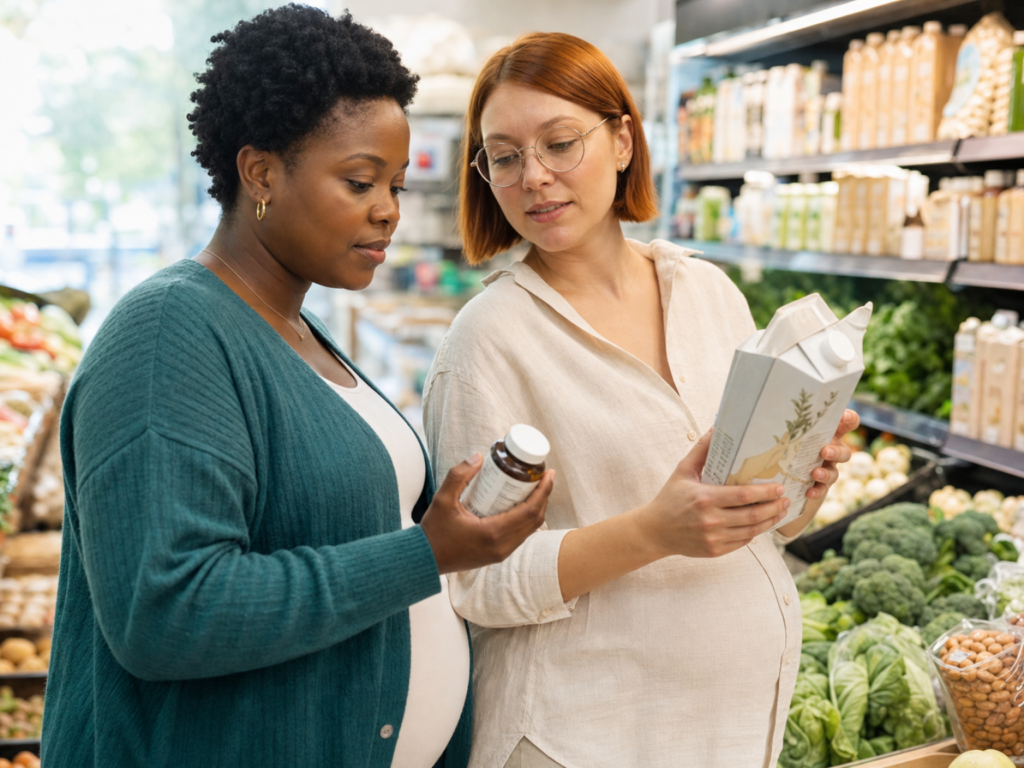
A vegetarian or vegan pregnancy can be healthy and nutritionally adequate when it is deliberately planned. Many people choose plant-based eating for ethical, environmental, cultural, religious, health, or personal reasons, and pregnancy does not automatically require abandoning those values. What it does require is a more precise approach to nutrients that are harder to obtain from plant foods or that have higher requirements in pregnancy.
The key safety issue is not the absence of meat itself, but the risk of specific nutrient gaps, particularly vitamin B12, iodine, iron, vitamin D, calcium, omega-3 fatty acids, zinc, and sometimes protein. A clinician, registered dietitian, or midwife can help individualize guidance, interpret blood tests when appropriate, and check that supplements are suitable for pregnancy.
Highlights
Well-planned vegetarian and vegan diets can support pregnancy and lactation, but they need intentional food choices and, for some nutrients, reliable supplementation.
Vitamin B12 is the highest-priority nutrient for vegan pregnancies because dependable natural plant sources are not available; fortified foods or supplements are usually necessary.
Iron, iodine, vitamin D, calcium, omega-3 fats, zinc, and protein deserve proactive attention because requirements rise in pregnancy and plant-based sources vary in bioavailability.
Food safety still matters on a plant-based diet: unpasteurized products, high-risk ready-to-eat foods, poor storage, and inadequate washing can increase infection risk.
Can a vegetarian or vegan diet be safe in pregnancy?
Yes, a vegetarian or vegan diet can be compatible with a healthy pregnancy when it is well planned. Reviews of the evidence and national nutrition guidance consistently emphasize that plant-based pregnancies require attention to adequacy rather than being unsafe by default. The practical concern is that some nutrients are concentrated in animal foods, while pregnancy increases the need for several micronutrients, plasma volume expansion increases iron demands, and fetal skeletal and neurological development depend on adequate maternal nutrient supply.
There is also a spectrum of plant-based diets. A lacto-ovo vegetarian pattern may include eggs and dairy, making vitamin B12, calcium, iodine, and protein easier to obtain, although not guaranteed. A vegan pattern excludes all animal-derived foods and usually needs more deliberate use of fortified foods and supplements. Some people also follow gluten-free, low-FODMAP, raw food, or highly restrictive plant-based diets; these can narrow nutrient options and should be reviewed with a pregnancy-informed clinician or dietitian.
A safe plan usually combines adequate energy intake, a varied macronutrient base, fortified foods, and pregnancy-appropriate supplements. If nausea, vomiting, food aversions, reflux, constipation, or financial barriers are limiting intake, it is worth asking for help early rather than waiting for deficiencies to become clinically apparent.
Vitamin B12: the non-negotiable nutrient
Vitamin B12 is essential for DNA synthesis, red blood cell formation, and neurological function. In pregnancy, inadequate B12 status may contribute to maternal megaloblastic anemia and can affect fetal and infant neurological health. Because reliable natural sources of B12 are animal-derived, vegans generally need B12-fortified foods, a supplement, or both. Vegetarians who eat dairy or eggs may still have low intake if portions are small or absorption is impaired.
Common B12 strategies include fortified plant milks, fortified breakfast cereals, fortified nutritional yeast where available, and prenatal or separate B12 supplements. However, formulations vary widely, and some prenatal vitamins contain little or no B12. People with prior bariatric surgery, gastrointestinal disease, pernicious anemia, or use of medications that affect absorption may need individualized monitoring.
It is important not to rely on seaweed, spirulina, fermented foods, or unfortified nutritional yeast as dependable B12 sources. Some contain inactive analogues that do not meet physiological needs. Discuss your intake and supplement label with a healthcare professional, especially if you are vegan, newly plant-based, or planning to breastfeed.
Iron, zinc, and protein: meeting higher pregnancy demands
Iron requirements rise substantially in pregnancy because maternal blood volume expands and the fetus and placenta require iron. Plant foods provide non-haem iron, which is useful but less readily absorbed than haem iron from meat. This does not mean plant-based diets cannot provide iron; it means absorption strategies matter.
- Good plant sources include lentils, beans, chickpeas, tofu, tempeh, edamame, pumpkin seeds, sesame or tahini, nuts, quinoa, oats, iron-fortified cereals, and dark leafy greens.
- Vitamin C-rich foods, such as citrus, berries, kiwi, peppers, broccoli, or tomatoes, can improve non-haem iron absorption when eaten in the same meal.
- Tea, coffee, and high-calcium supplements can inhibit iron absorption if taken close to iron-rich meals or iron supplements.
Iron status is commonly checked in pregnancy through hemoglobin and sometimes ferritin or other indices, depending on local practice and clinical context. Do not start high-dose iron without advice, because excess supplementation can cause gastrointestinal side effects and may not be appropriate for everyone.
Zinc supports cell division, immune function, and growth. Plant sources include beans, lentils, tofu, tempeh, nuts, seeds, whole grains, and fortified cereals. Soaking, sprouting, fermenting, and using leavened breads can reduce phytate, a compound that can limit zinc and iron absorption.
Protein needs also increase in pregnancy, particularly later in gestation. Most vegetarian and vegan diets can provide enough protein if meals include legumes, soy foods, nuts, seeds, whole grains, and, for vegetarians, eggs or dairy. Aim to distribute protein across the day rather than relying on one large serving. Soy foods such as tofu, tempeh, edamame, and fortified soy milk can be especially useful because they provide high-quality plant protein.
Calcium, vitamin D, and iodine for bones, thyroid, and fetal growth
Calcium supports fetal skeletal mineralization and maternal bone physiology. Vegetarian diets that include dairy may provide calcium more easily, but vegan diets can also meet needs through fortified plant milks and yogurts, calcium-set tofu, fortified cereals, tahini, almonds, beans, and low-oxalate greens such as kale and pak choi. Spinach contains calcium but also oxalates, which reduce absorption, so it should not be the only calcium strategy.
Vitamin D is important for calcium homeostasis, bone health, and broader maternal-fetal physiology. Dietary sources are limited, and sunlight exposure may be insufficient depending on latitude, season, skin pigmentation, clothing coverage, sunscreen use, and time spent indoors. Many pregnancy guidelines recommend vitamin D supplementation, but the appropriate dose and formulation should be confirmed with a clinician. Vegan vitamin D3 sourced from lichen is available in some regions; vitamin D2 is also non-animal derived, though product quality and dosing vary.
Iodine is essential for thyroid hormone synthesis, which is critical for fetal brain and nervous system development. Dairy and fish are common iodine sources in many diets, so vegan diets can be low unless fortified foods or appropriate supplements are used. Iodized salt can help, but intake varies and excessive salt intake is not recommended as the main strategy. Seaweed is unpredictable: some products contain very high iodine levels, while others contain little, and excess iodine can also disturb thyroid function. If you have thyroid disease, previous thyroid surgery, or are taking thyroid medication, seek individualized advice before using iodine-containing supplements.
Omega-3 fatty acids and DHA: plant sources and supplementation
Omega-3 fatty acids are involved in fetal brain and retinal development. Plant foods such as ground flaxseed, chia seeds, hemp seeds, walnuts, and rapeseed or canola oil provide alpha-linolenic acid, or ALA. The body can convert ALA into longer-chain omega-3 fats, including DHA, but conversion is limited and variable.
People who do not eat fish may consider algae-derived DHA, which is suitable for vegan diets and avoids fish-derived ingredients. This is especially relevant if fish is completely excluded. The dose and product choice should be discussed with a healthcare professional, particularly if you take anticoagulant medication, have a bleeding disorder, or are already using multiple supplements.
For broader context, omega-3 fatty acids and DHA supplements during pregnancy are often discussed separately from vegetarian nutrition because safety, dose, product purity, and dietary intake all matter. A plant-based pregnancy plan should include both ALA-rich foods and a conversation about whether algae DHA is appropriate.
Folate, choline, and overall dietary pattern
Folate is needed for neural tube development and cell division. Many plant-based diets are naturally rich in folate from legumes, leafy greens, oranges, avocado, and fortified grains. However, dietary folate alone is not considered a substitute for the recommended periconceptional folic acid supplementation used to reduce neural tube defect risk. If pregnancy is planned or possible, ask your clinician which folic acid or folate-containing prenatal supplement is appropriate for you, especially if you have risk factors that may require a different approach.
Choline is another nutrient that deserves attention. It supports fetal brain development and placental function. Eggs are a rich source for lacto-ovo vegetarians. Vegan sources include soy foods, beans, cruciferous vegetables, quinoa, peanuts, and some fortified products, but meeting higher pregnancy targets may be challenging without planning. Not all prenatal supplements contain choline, so label review is useful.
A balanced plant-based pregnancy diet is usually built around regular meals that combine complex carbohydrates, protein foods, healthy fats, and colorful produce. Examples include oatmeal with fortified soy milk, chia, nut butter, and fruit; lentil soup with wholegrain bread and citrus; tofu stir-fry with calcium-set tofu, vegetables, and rice; bean chili with avocado and salad; or fortified yogurt alternatives with nuts and berries. For a broader nutrition framework, macronutrient balance in pregnancy diet planning can help you assess whether you are getting enough total energy, protein, carbohydrate, and fat.
Food safety still matters on a plant-based diet
Plant-based eating reduces exposure to some foods commonly discussed in pregnancy safety, such as undercooked meat or high-mercury fish, but it does not eliminate foodborne illness risk. Pregnancy changes immune responses, and infections such as listeriosis, salmonellosis, or toxoplasmosis can have more serious consequences.
- Wash fruits, vegetables, and salad leaves thoroughly, even if they are labeled ready to eat when local guidance recommends it.
- Avoid unpasteurized juices, unpasteurized dairy, and unpasteurized soft cheeses if you include dairy.
- Handle refrigerated ready-to-eat foods carefully, including prepared salads, hummus, pâté-style vegetable spreads, and deli-style vegan products; follow use-by dates and storage instructions.
- Cook sprouts thoroughly unless local pregnancy guidance says otherwise, because raw sprouts can harbor bacteria.
- Keep chilled foods cold, reheat leftovers thoroughly, and avoid cross-contamination in shared kitchens.
If you eat dairy foods, can you eat cheese and soft cheese risks during pregnancy is a useful topic because pasteurization, cheese type, and storage affect risk. More generally, food safety rules and listeria risk foods during pregnancy apply whether your diet includes animal products or not.
Monitoring, supplements, and when to ask for help
Supplement needs vary by diet pattern, baseline nutrient status, local food fortification, medical history, and pregnancy stage. Many people need a prenatal supplement, and vegans often require additional attention to B12, iodine, vitamin D, and possibly DHA, iron, calcium, or choline. The safest approach is to bring all supplement bottles to a prenatal appointment so doses can be checked for adequacy and excess.
Laboratory monitoring may include hemoglobin, ferritin, vitamin B12 markers, vitamin D, thyroid tests, or other measures when clinically indicated. Results should be interpreted by a qualified professional because pregnancy alters normal ranges for some markers, and treatment decisions depend on the full clinical picture.
Seek prompt advice if you have persistent vomiting, rapid weight loss, severe fatigue, dizziness, pica, shortness of breath, palpitations, numbness or tingling, a history of eating disorder, inflammatory bowel disease, bariatric surgery, multiple pregnancy, or a very restricted diet. Support is not a judgment on your dietary ethics; it is a way to protect both maternal wellbeing and fetal growth.
When extra caution is needed
- Do not rely on unfortified plant foods, seaweed, spirulina, or fermented foods as your only vitamin B12 source.
- Avoid high-dose iodine, iron, vitamin A, or multi-supplement combinations unless a healthcare professional recommends them.
- Seek medical advice if nausea, vomiting, or food aversions are preventing adequate intake or causing weight loss.
- Use pregnancy-safe food hygiene practices for ready-to-eat salads, hummus, sprouts, chilled foods, and unpasteurized products.
- If you have thyroid disease, anemia, malabsorption, bariatric surgery history, or a multiple pregnancy, ask for individualized nutrition review.
Tools & Assistance
- Book a prenatal nutrition review with a registered dietitian familiar with vegetarian and vegan diets.
- Bring supplement labels to a midwife, obstetrician, pharmacist, or dietitian for dose and ingredient review.
- Use a 3-day food diary to identify gaps in protein, calcium, iron, iodine, B12, vitamin D, and omega-3 intake.
- Ask about clinically appropriate blood tests if you have fatigue, anemia history, malabsorption risk, or a highly restricted diet.
- Choose fortified plant milks, yogurts, cereals, and nutritional yeast products with clearly listed nutrient amounts.
FAQ
Is it safe to stay vegan throughout pregnancy?
It can be safe if the diet is well planned and includes reliable sources of key nutrients, especially vitamin B12, iodine, vitamin D, calcium, iron, protein, and omega-3 fats. Discuss your plan and supplements with a pregnancy care professional.
Do I need a vitamin B12 supplement if I eat fortified foods?
Possibly. Fortified foods can contribute meaningful B12, but intake depends on the product, portion, frequency, and absorption. Many vegans need a supplement; a clinician or dietitian can help assess your total intake.
Can I meet iron needs without eating meat?
Many people can, using legumes, tofu, seeds, whole grains, fortified cereals, and vitamin C-rich foods to enhance absorption. However, pregnancy iron requirements are high, so blood tests and individualized supplementation may be needed.
Is seaweed a good iodine source in pregnancy?
Seaweed iodine content is unpredictable and can be excessive, so it is not usually the safest primary iodine strategy. Ask a healthcare professional about iodized salt, fortified foods, or an appropriate supplement.
Should vegetarians or vegans take DHA in pregnancy?
People who do not eat fish may consider algae-derived DHA. Whether you need it depends on your overall diet, supplement use, medical history, and local guidance, so ask your maternity care team.
Sources
- National Center for Biotechnology Information (NCBI) / PMC — The Effects of Vegetarian and Vegan Diet during Pregnancy and Lactation
- British Nutrition Foundation — Vegetarian and vegan diets during pregnancy
- Health Service Executive (HSE) — Vegetarian and vegan diets in pregnancy
Disclaimer
This article is for general information only and does not replace personalized medical advice. Always consult your midwife, obstetrician, doctor, pharmacist, or registered dietitian about pregnancy diet and supplements.















Please log in to leave a comment.