

Intro
Feeding equipment can make caring for a baby more manageable, but even well-intentioned choices may create avoidable hazards. Bottle shape, nipple flow, positioning, cleaning routines, and sleep-related habits all affect how safely and comfortably an infant feeds.
Most feeding gear mistakes are understandable responses to fatigue, uncertainty, or a baby who seems difficult to settle. The goal is not perfect technique at every feed. It is to recognize higher-risk patterns, use responsive supervision, and seek individualized guidance from a pediatrician, health visitor, lactation consultant, or feeding specialist when concerns persist.
Highlights
A bottle should never be propped or left with a baby who is feeding unattended.
Nipple flow that is too fast or too slow can contribute to coughing, stress, inefficient feeding, or excessive swallowed air.
Adding cereal, medication, or other solids to a bottle without specific clinical guidance can increase risk and obscure a feeding problem.
Responsive feeding means watching the baby’s cues rather than pressuring them to finish a measured volume.
Cleaning, preparation, and storage are safety-critical parts of feeding gear use.
Treating feeding gear as a substitute for supervision
One of the most consequential mistakes is using equipment to keep a baby feeding without an attentive adult present. Bottle propping, in which a bottle is wedged against a pillow, blanket, or another object, prevents the caregiver from responding promptly if the infant coughs, chokes, vomits, becomes distressed, or needs a pause. A baby’s ability to coordinate sucking, swallowing, and breathing is still developing, and a bottle can continue delivering milk even when the infant is no longer ready to swallow.
Propping also encourages a fixed feeding pattern rather than responsive feeding. The infant may take more milk than needed because the nipple remains in the mouth and the flow continues. The CDC identifies bottle propping as a risk associated with choking, ear infections, and overfeeding. The NHS likewise advises that a baby should not be left alone with a bottle.
Hold the baby close and semi-upright, support the head and neck, and keep the bottle angled so the nipple remains filled with milk without forcing a rapid stream. Pause when the baby turns away, relaxes the hands, stops sucking, or otherwise signals a break. Never use a bottle as an unattended soothing device.
Feeding in a sling, soft carrier, car seat, or other constrained position can create similar problems. These positions may flex the neck or make it harder to see the baby’s face and breathing. The NHS specifically advises against bottle-feeding while a baby is in a sling or carrier. A calm, supported position with a clear view of the infant is safer and makes cue-based feeding easier.
Choosing the wrong nipple flow or bottle configuration
Nipple flow is not simply a matter of choosing the largest age label. Manufacturers use different numbering systems, and individual babies may need different flow rates. A nipple that is too fast can overwhelm suck-swallow-breathe coordination. Possible signs include gulping, coughing, choking, milk leaking from the mouth, pulling away, widened eyes, or increased respiratory effort during the feed. A flow that is too slow may lead to prolonged feeds, frustration, collapsing nipples, excessive sucking effort, or fatigue.
These observations do not diagnose a swallowing disorder, reflux condition, or other medical problem. They are reasons to pause and discuss feeding with a healthcare professional, especially if they occur repeatedly or are accompanied by poor weight gain, recurrent chest symptoms, bluish color, marked lethargy, or distress.
A research review on infant and toddler feeding problems describes selecting an appropriate nipple hole size as one component of supportive bottle technique. Do not enlarge a nipple hole with a needle or scissors. This can produce an unpredictable stream, damage the material, and increase the chance of an overly rapid flow. Follow the manufacturer’s instructions and replace nipples that are cracked, sticky, misshapen, or damaged.
Vent systems, liners, and bottle shapes may affect how much air a baby swallows, but marketing claims should not replace observation. Keep the bottle angled rather than vertical, allow pauses, and avoid changing several equipment variables at once. If a baby’s feeding changes after a new nipple or bottle is introduced, record what changed and seek professional input before repeatedly switching products.
Using bottle position to force a faster feed
Holding a bottle nearly upright can create a strong, continuous stream that the infant must manage. Some caregivers do this because they are worried the baby is feeding slowly or because they want to reduce the time spent feeding. However, speed is not the same as efficiency. A fast feed may increase coughing, swallowed air, stress, and the likelihood that the baby will continue drinking past comfortable satiety.
A more supportive approach is often called paced bottle feeding. The infant is held semi-upright, the bottle is kept more horizontal, and the caregiver provides opportunities for pauses. The aim is not to make every feed identical or to impose a rigid schedule. It is to let the baby regulate the rhythm as much as possible while the caregiver remains responsible for safe positioning and observation.
Watch the infant rather than the clock. Active swallowing, relaxed facial muscles, and coordinated breathing suggest ongoing participation. Repeated gulping, milk loss, arching, crying, or turning away may indicate the need for a pause. Burping is not required at a predetermined interval for every baby, but a brief break can be useful when the infant appears uncomfortable or has swallowed air.
Positioning advice should be individualized for premature infants, babies with neuromuscular conditions, known swallowing difficulties, or other medical needs. These infants may require a formal feeding assessment. Do not independently alter nipple flow, thicken feeds, or use specialized equipment without guidance from the baby’s clinical team.
Pressuring a baby to finish the bottle
Marked bottle volumes can unintentionally turn feeding into a completion task. A caregiver may feel reassured when a baby finishes the expected amount, yet an infant’s needs vary between feeds. Growth, sleep, illness, temperature, activity, and the composition of other feeds can all affect appetite. Pressuring a baby to finish can override early satiety cues and may contribute to overfeeding.
Responsive feeding recognizes that the caregiver offers an appropriate feed while the infant decides how much to consume. Early signs of fullness can include slowing or stopping sucking, releasing the nipple, turning the head, closing the mouth, relaxing the hands, or falling asleep. These cues should be respected even when milk remains in the bottle. Do not repeatedly reinsert the nipple, distract the baby to keep drinking, or treat refusal as misbehavior.
Likewise, do not assume that crying always means hunger or that a larger nipple or bottle will solve unsettled behavior. Babies cry for many reasons, including fatigue, discomfort, need for contact, temperature changes, or overstimulation. A pediatric clinician can help assess intake when there are concerns about growth, hydration, vomiting, or feeding duration.
For formula-fed infants, prepare formula exactly according to the product instructions or the instructions provided by a qualified healthcare professional. Concentrating or diluting formula can alter fluid and electrolyte balance. Never use a larger bottle or add extra powder to encourage longer sleep or greater intake.
Adding cereal, solids, or medication to a bottle
Adding cereal or other solid foods to a bottle is a common attempt to help a baby sleep longer, manage spit-up, or consume more calories. Without a specific medical plan, it can create several problems. The altered consistency may change flow unpredictably, increase choking risk, and make it harder for the infant to coordinate swallowing. It may also lead to excess calorie intake and does not reliably improve sleep.
The CDC advises against adding cereal or other solids to a bottle unless a healthcare professional has instructed the caregiver to do so. A clinician may occasionally recommend a thickened feed for a particular medical indication, but that decision requires assessment of the infant, the product used, the thickener, preparation method, and monitoring plan. Thickening should never be improvised at home.
Medication also should not be mixed into a full bottle unless the prescribing clinician or pharmacist has specifically confirmed that method. If the baby does not finish the bottle, the full dose may not be received. Some medicines may interact with milk or formula, and taste changes can cause feeding refusal. Use the supplied oral syringe or another device recommended by a pharmacist, and verify the dose using the baby’s current weight and prescription instructions.
Introducing complementary foods should follow local public-health guidance and the baby’s developmental readiness. A feeding specialist or pediatric clinician can help families who are considering texture modifications, have a history of aspiration, or are worried about swallowing.
Overlooking hygiene, preparation, and equipment wear
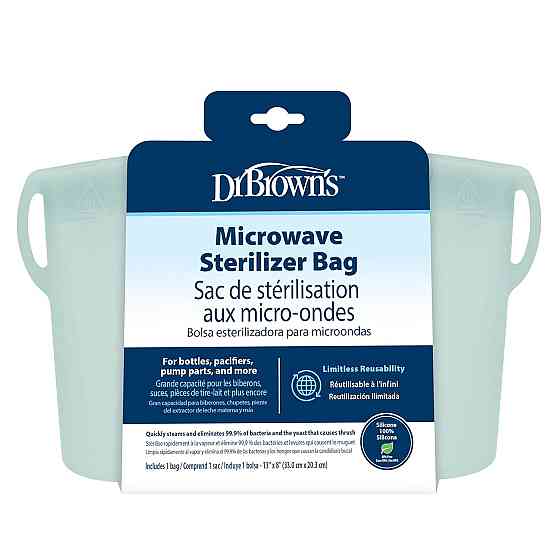
Feeding safety includes what happens before and after the bottle reaches the baby. Inadequate cleaning can leave milk residue that supports microbial growth. Disassemble bottles, nipples, rings, valves, and other components as directed, clean them with appropriate detergent and water, and allow them to dry fully in a clean area. Follow local guidance about sanitizing, particularly for young infants, premature babies, or babies with medical vulnerability.
Do not store a partially used bottle for later use unless the product instructions and a healthcare professional’s advice specifically support that practice. Bacteria from the baby’s mouth can enter the milk. Prepared formula and expressed human milk have different storage rules, so use current guidance for the specific milk type and preparation method. When in doubt about storage time or temperature, ask a pediatric clinician or lactation professional rather than relying on smell alone.
Inspect equipment frequently. Discard nipples with cracks, tears, cloudiness, sticky surfaces, stretching, or an altered opening. Check bottle threads, valves, and seals for damage that can cause leakage or change the flow. Avoid using equipment beyond the manufacturer’s stated limits, and do not share nipples between babies without appropriate cleaning and sterilization.
Organization can reduce errors during night feeds. Keep clean equipment separate from used parts, label stored milk clearly, and ensure that formula powder, water, and measuring tools are easy to distinguish. These small systems are especially useful when caregivers are tired or when more than one person prepares feeds.
Ignoring persistent feeding signals
Equipment changes are sometimes used repeatedly when the underlying concern needs clinical evaluation. Frequent coughing or choking, noisy breathing, color change, recurrent vomiting, prolonged feeds, refusal, significant distress, or poor growth should not be managed solely by buying a different bottle. These signs can have many causes, and a healthcare professional may need to observe a feed, review growth, and assess oral-motor or swallowing function.
Seek urgent medical care for difficulty breathing, blue or gray coloration, unresponsiveness, severe dehydration concerns, or a choking episode that does not resolve promptly. Emergency advice varies by location, so caregivers should know their local emergency number and infant first-aid guidance.
For routine but persistent concerns, ask the baby’s pediatrician, family doctor, health visitor, lactation consultant, speech-language pathologist, or occupational therapist with pediatric feeding expertise. A written log of bottle type, nipple flow, feeding duration, volume offered, volume taken, symptoms, wet diapers, and relevant changes can make the assessment more useful. The aim is a safe, individualized plan rather than a single universally perfect product.
Families managing overnight feeds may also benefit from reviewing Night feeding safety tips, particularly when fatigue makes bottle preparation, positioning, and storage more difficult. Support from another caregiver can improve supervision and reduce rushed decisions.
Safety reminders
- Never prop a bottle or leave a baby unattended while feeding.
- Do not feed a baby in a sling, carrier, or position that obscures the face or restricts the airway.
- Do not add cereal, solids, thickeners, or medication to a bottle without individualized professional guidance.
- Stop and seek urgent help for breathing difficulty, blue or gray color, or unresponsiveness.
- Repeated coughing, choking, poor intake, vomiting, or poor growth warrants clinical assessment.
Tools & Assistance
- A bottle and nipple inspection checklist
- A clearly labeled milk storage and preparation log
- A clean drying area and separate container for used feeding parts
- A pediatrician, health visitor, lactation consultant, or pediatric feeding specialist
- Infant choking and first-aid education from an accredited local provider
FAQ
How do I know whether a bottle nipple is too fast?
Coughing, gulping, milk leaking, repeated pauses, pulling away, or distress can suggest that the flow is too fast, although these signs have other possible causes. Discuss persistent symptoms with a healthcare professional before changing equipment repeatedly.
Should a baby finish every bottle?
No. Babies can show fullness by slowing or stopping sucking, turning away, closing the mouth, or relaxing. Respecting these cues helps support responsive feeding. Ask a clinician for guidance if intake or growth is concerning.
Can I put cereal in a bottle to help my baby sleep?
Do not add cereal or other solids unless a qualified healthcare professional has given a specific plan. It can alter the flow, increase choking risk, and add calories without reliably improving sleep.
How often should bottle parts be replaced?
Follow the manufacturer’s instructions and inspect parts regularly. Replace nipples and components sooner if they are cracked, torn, sticky, misshapen, leaking, or have an altered opening.
Sources
- Centers for Disease Control and Prevention — About Feeding From a Bottle | Infant and Toddler Nutrition
- NHS — Bottle feeding your baby - Best Start in Life - NHS
- PubMed Central — An approach to feeding problems in infants and toddlers
Disclaimer
This article is for general information and does not diagnose, treat, or replace advice from a qualified healthcare professional. Seek prompt medical care for urgent breathing, choking, or dehydration concerns.















Please log in to leave a comment.