

Intro
Understanding real product needs is not about buying more, buying the newest item, or following every recommendation that appears online. For children, it means identifying what actually supports safety, health, development, comfort, and family functioning in a specific context. A real need is often quieter than a marketing promise: it may be a safer sleep surface, a reliable thermometer, an age-appropriate cup, or fewer overstimulating toys rather than a larger collection of products.
Parents and caregivers often make choices under fatigue, concern, and intense social pressure. A medically literate approach can help: observe the child, define the functional problem, consider developmental stage and risk, then consult appropriate professionals when health, feeding, sleep, mobility, behavior, or sensory concerns are involved.
Highlights
A real product need is defined by a child’s developmental stage, health status, environment, and caregiver goals, not by advertising intensity.
Observation and structured questioning help separate a symptom, safety risk, or workflow problem from a desire for a particular product.
Children’s products should be evaluated for benefit, burden, safety, usability, and whether a non-product solution may work better.
When a product relates to medical symptoms, feeding, sleep, mobility, allergies, or neurodevelopmental needs, professional guidance is the safest starting point.
What a real product need means
A real product need is the underlying problem a product must solve, not the product itself. For a child, the need might be safe sleep, adequate nutrition, independent mobility, sensory regulation, medication accuracy, injury prevention, or caregiver efficiency. The product is only one possible intervention. For example, a family may think they need a specific sleep gadget, but the real need may be a safer bedtime routine, assessment of reflux-like symptoms, consistent sleep hygiene, or support for parental exhaustion.
Product development research describes needs as information that must be obtained, interpreted, and translated into design decisions. In family life, the same principle applies. A caregiver’s statement such as “my child needs a new chair” may actually represent postural fatigue, poor table height, delayed motor skills, behavioral avoidance, or simply a mismatch between the child’s size and the furniture. The more precisely the need is defined, the less likely the family is to buy something ineffective or unsafe.
Real needs also change rapidly. Infants, toddlers, preschoolers, school-age children, and adolescents differ in anatomy, cognition, motor control, impulse inhibition, and risk awareness. That is why developmentally appropriate child products matter more than broad claims such as “educational,” “natural,” or “doctor recommended.” The best product is not always the most advanced; it is the one that fits the child’s current abilities, the caregiver’s capacity, and the health context.
Why families often misread needs
Misreading a need is common and understandable. Caregivers are exposed to persuasive marketing at the same time they are managing sleep deprivation, competing advice, and genuine concern for their child. A product may appear to promise control over uncertainty: better sleep, faster learning, improved feeding, calmer behavior, or fewer injuries. The emotional pull is especially strong when a child has chronic illness, prematurity, allergies, neurodevelopmental differences, or feeding challenges.
Another reason needs are misread is that visible behavior can obscure the underlying mechanism. A child who refuses a cup may have oral-motor immaturity, sensory aversion, flow-rate frustration, fatigue, or a learned preference. A product may help, but choosing one without understanding the pattern can lead to a cycle of trial-and-error purchases. Similarly, a child who climbs furniture may not need more toys; the true need may be supervision changes, safer room layout, toddler furniture anchoring, and opportunities for gross motor play.
Cross-functional product research highlights that customer input must be interpreted carefully by teams with different expertise. Families benefit from a similar mindset. Parents know daily routines; clinicians understand medical risk; therapists can assess function; pharmacists can advise on medication devices; educators may recognize learning and sensory patterns. Real need identification is strongest when these perspectives are combined rather than when one advertisement or one anecdote dominates the decision.
A practical method for identifying needs
A useful approach is to pause before shopping and write a brief need statement. It can follow this format: “My child needs help with [function or risk] in [specific setting] because [observed pattern], and success would look like [measurable outcome].” This shifts attention away from the product category and toward the problem. For instance, “My preschooler needs help carrying lunch without spills at school because containers open in the backpack, and success means food stays contained and the child can open it independently.”
Next, collect observations rather than relying only on impressions. Note when the issue occurs, what precedes it, what improves it, and whether there are associated symptoms. In medically relevant situations, look for red flags: poor weight gain, choking, persistent pain, breathing difficulty, developmental regression, recurrent injury, severe sleep disruption, suspected allergy, or medication administration problems. These are not shopping problems; they are reasons to consult a qualified healthcare professional.
Then compare possible responses. Sometimes the answer is a product, such as a properly sized helmet for cycling, a calibrated oral syringe, or age-based child product choices that match motor skills and choking risk. Sometimes it is an environmental change, a routine adjustment, parent education, repair of an existing item, or removal of a hazardous product. Structured product discovery asks teams to test assumptions before committing resources; families can do the same by borrowing, measuring, asking the school or clinic, checking recalls, and starting with the least complex safe option.
Safety and medical context come first
For children, product need cannot be separated from safety. The same object may be appropriate in one developmental window and hazardous in another. Small parts, high-powered magnets, button batteries, cords, unstable furniture, unsafe sleep surfaces, water beads, and poorly fitted restraints can create serious risks. A product that looks convenient should still be evaluated for age labeling, supervision requirements, material integrity, cleaning feasibility, and compatibility with the child’s abilities.
Medical context also matters. Products used for feeding, sleep positioning, respiratory symptoms, skin conditions, mobility, toileting, sensory processing, or medication delivery may interact with diagnosis, growth, anatomy, and treatment plans. Caregivers should avoid using products to diagnose or treat a condition without professional input. For example, persistent feeding refusal should prompt clinical evaluation rather than repeated bottle, nipple, or supplement changes. Sleep products should align with safe sleep guidance. Mobility and orthotic products should be fitted by appropriate professionals when there is pain, gait abnormality, neuromuscular disease, or developmental delay.
Choosing products for toddlers and Choosing products preschoolers both require attention to impulsivity, exploration, and limited danger awareness. Toddler product mistakes often happen when an item is marketed as developmental but introduces choking, entrapment, suffocation, or poisoning hazards. A good question is: “What is the worst plausible misuse, and how likely is my child to attempt it?” If the answer is concerning, the product may not meet the real need, even if it solves a short-term inconvenience.
Balancing child benefit with caregiver burden
A product that is theoretically helpful but unrealistic to use may not meet the family’s real need. Caregiver burden includes cleaning time, assembly, cost, storage, training, transport, replacement parts, and emotional stress. Medical devices and adaptive products can be invaluable, but they should fit the household workflow. A feeding tool that requires complex cleaning after every snack may fail in a busy home. A sensory item that needs constant supervision may be unsuitable for independent play.
Usability is especially important when multiple caregivers are involved. Grandparents, childcare providers, school staff, and separated households may all need to use the same product safely. Clear instructions, simple maintenance, and predictable performance reduce error. When a product affects medication dosing, allergy management, mobility, or emergency care, consistency is not merely convenient; it can be clinically important.
Cost deserves compassionate discussion. Families may feel guilty if they cannot afford premium products. Yet real needs are often met by simple, safe, well-chosen items. More expensive does not necessarily mean more therapeutic, more educational, or safer. A supportive professional should help families prioritize essentials, identify community resources, and avoid purchases driven by fear. The goal is not minimalist perfection; it is a thoughtful match between the child’s needs and the family’s real life.
Turning needs into better decisions
Once the real need is defined, decision-making becomes more transparent. Families can rank options using a few criteria: safety, developmental fit, clinical relevance, durability, ease of cleaning, ease of use, adaptability, cost, and evidence of benefit. For child health-related products, the absence of credible evidence does not always mean the product is harmful, but it should lower confidence in strong claims. Testimonials are not a substitute for safety data, professional guidance, or direct observation of the child.
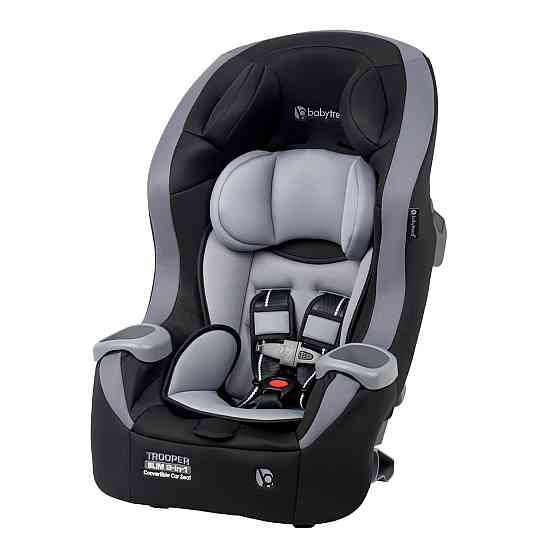
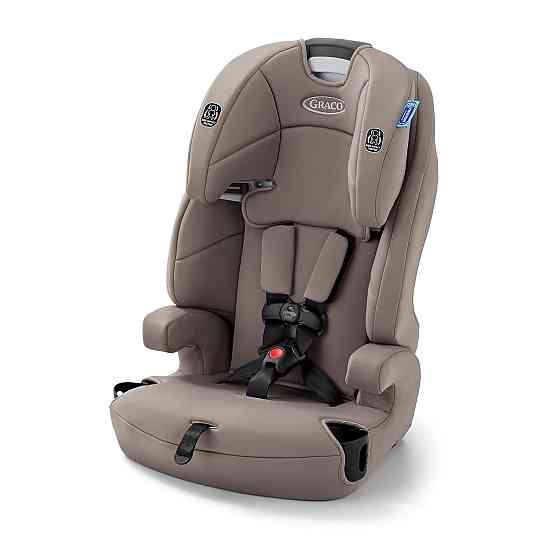
It also helps to set a review date. Children grow quickly, and a product that once solved a problem may later become unnecessary or risky. Review car seats, sleep spaces, feeding tools, toys, sports gear, shoes, backpacks, and adaptive equipment periodically. Check whether the item still fits, whether parts are damaged, whether recall information has changed, and whether the original need still exists.
Finally, involve the child when developmentally appropriate. Children can often report discomfort, frustration, embarrassment, sensory overload, or preferences that adults miss. Their input should not override safety, but it can improve adherence and dignity. A product that supports autonomy, participation, and comfort while respecting medical caution is more likely to meet a real need than one chosen only because it is popular.
When to pause before buying
- Do not use a product to manage breathing difficulty, choking, poor weight gain, severe pain, developmental regression, or suspected allergy without medical advice.
- Avoid products that conflict with safe sleep, car seat, medication, or injury-prevention guidance.
- Check recalls and age limits, especially for secondhand items or products with small parts, magnets, batteries, cords, or unstable structures.
- Be cautious with products claiming to treat sensory, behavioral, sleep, feeding, or developmental concerns without credible evidence.
- Seek professional fitting or assessment for mobility aids, orthotics, adaptive seating, and medically related feeding tools.
Tools & Assistance
- Write a one-sentence need statement before shopping.
- Use recall databases and manufacturer safety notices before using new or secondhand child products.
- Ask a pediatrician, pharmacist, therapist, lactation consultant, or dietitian when the product relates to symptoms or treatment.
- Borrow or trial non-medical items when possible before making expensive purchases.
- Create a simple review schedule for products that children can outgrow or misuse.
FAQ
How do I know whether a product is truly necessary?
Ask what specific function, risk, or barrier it addresses. If the problem can be solved safely by a routine change, supervision, repair, or professional advice, a new product may not be necessary.
Are expensive child products usually safer?
Not necessarily. Safety depends on design, age appropriateness, correct use, condition, recalls, and fit for the child. Price alone is not a safety marker.
When should I ask a healthcare professional before choosing a product?
Consult a professional when the product relates to feeding, sleep, breathing, skin symptoms, mobility, medication, allergies, pain, development, or persistent behavior concerns.
Can user research ideas help parents?
Yes. Observing real routines, asking what problem must be solved, testing assumptions, and reviewing outcomes can help families avoid unnecessary or poorly matched products.
Sources
- Wiley — Obtaining Customer Needs for Product Development
- Scientific Research Publishing — Customer Needs in Market-Driven Product Development: Product Management and R&D Standpoints
- Aha! — How does user research fit into product discovery?
Disclaimer
This article is for general educational purposes and is not a diagnosis, prescription, or substitute for individualized medical care. Consult a qualified healthcare professional for concerns about a child’s health, development, symptoms, or medical products.














Please log in to leave a comment.