
Intro
Traveling with a child can be joyful, tiring, unpredictable, and deeply memorable all at once. The right portable gear will not remove every delay, tantrum, spill, or medical concern, but it can reduce friction and help caregivers respond calmly when plans change.
This guide focuses on practical, child-centered choices: lighter packing, safer movement, medication and allergy planning, sleep support, hydration, sun protection, and technology boundaries. It is written for medically literate readers who want enough clinical context to make thoughtful decisions without replacing individualized advice from a pediatrician or other qualified clinician.
Highlights
Portable gear works best when it supports predictable child needs: safety, sleep, hydration, nutrition, hygiene, comfort, and communication.
A lighter, organized travel system is often safer and less stressful than packing for every possible scenario.
Medical planning matters: medications, allergy supplies, mobility aids, and documentation should be accessible, clearly labeled, and discussed with clinicians when needed.
Smart travel choices include device limits, emergency communication plans, safe transport equipment, and realistic expectations for children’s regulation.
Start with the child, not the suitcase
The most useful travel gear is selected around a child’s developmental stage, medical needs, temperament, and the realities of the trip. A toddler who naps reliably in motion may need a compact stroller more than extra toys. A school-age child with asthma, food allergy, diabetes, epilepsy, or mobility limitations may need a carefully organized medical kit more than another outfit. A preteen may benefit from personal responsibility: carrying a small pouch with snacks, headphones, lip balm, and a water bottle.
Before buying anything, map the trip into predictable stress points: transport, waiting, meals, sleep, hygiene, weather exposure, and transitions. Then choose gear that solves those problems with the fewest items. Consumer travel reviewers commonly emphasize lightweight, multipurpose packing because it reduces fatigue, lost items, and decision overload. For families, this is not only convenient; it can also support safety. A caregiver carrying too many bags has fewer hands available to hold a child’s hand, manage documentation, or respond quickly.
A practical framework is to divide gear into essential, situational, and comfort categories. Essential items include identity documents, prescribed medications, emergency contacts, feeding supplies for infants, diapers or toileting items, and transport safety equipment. Situational items depend on climate, terrain, and destination medical access. Comfort items are valuable, but they should earn their space: one small familiar toy or blanket may be more useful than a bag full of novelty distractions.
Portable bags, packing cubes, and child-accessible organization
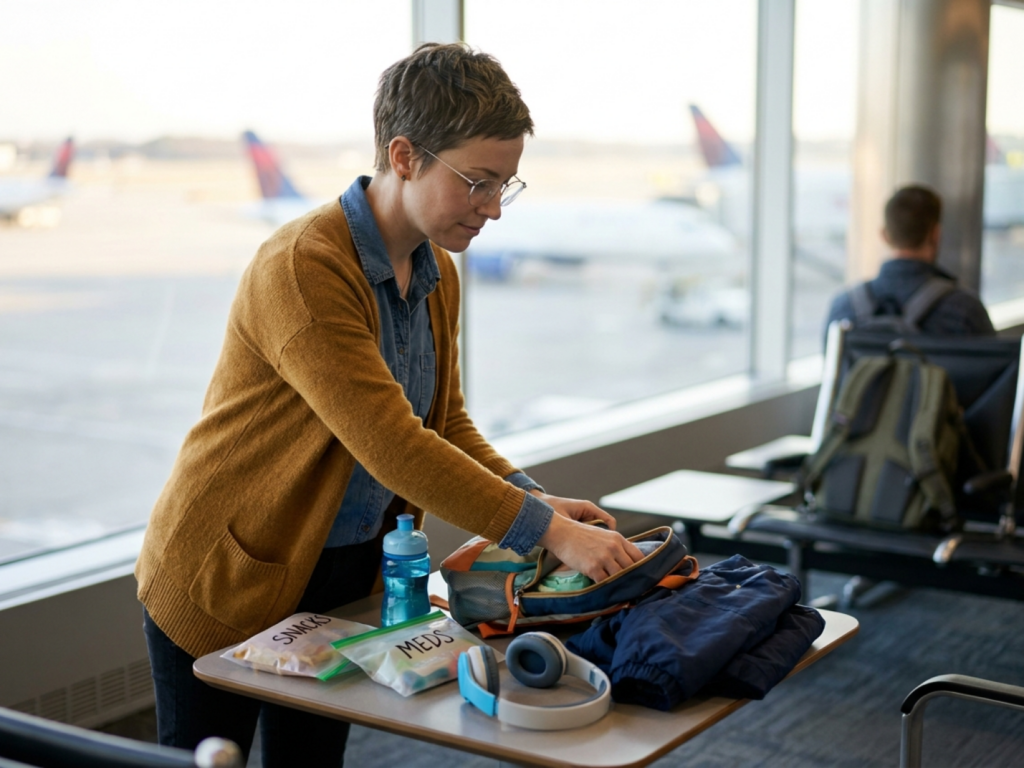
Organization is a health and safety tool, not just a neatness preference. When a child is vomiting, hypoglycemic, overstimulated, or urgently needs the bathroom, caregivers should not have to excavate a suitcase. Packing cubes, transparent pouches, and color-coded bags can separate medications, snacks, clothing, hygiene supplies, and electronics. For air travel, critical medical and comfort supplies should stay in carry-on luggage, not checked bags.
A well-fitted backpack can help an older child participate without being overburdened. The pack should sit close to the body, with shoulder straps adjusted so the load does not pull backward. Heavy items should be avoided in a child’s bag, especially during long airport walks or city travel. For younger children, rolling bags may look appealing but can become difficult on stairs, buses, uneven sidewalks, or crowded terminals.
For caregivers, a compact backpack or crossbody bag often works better than a tote that slips off the shoulder. Consider a dedicated quick-access pouch containing wipes, hand sanitizer, tissues, small waste bags, oral rehydration packets if recommended by a clinician, and a change of underwear or clothes for younger children. Keep liquids, medications, and security-screening items in predictable locations. The goal is not a perfect bag; it is a bag that can be used under pressure.
- Use one pouch for urgent health items and keep it in the same place every day.
- Pack one full change of clothing in an accessible layer, not at the bottom of a suitcase.
- Let school-age children manage a small comfort kit if they can do so safely.
- Review the bag each night to remove trash, restock snacks, and recharge devices.
Transport safety: car seats, strollers, carriers, and movement
Safe transport is one of the most important travel decisions for children. A properly sized car seat is essential when a child will travel by car, ride-share, taxi, or rental vehicle. Caregivers should follow the manufacturer’s height, weight, installation, and expiration guidance. If installation feels uncertain, a certified child passenger safety technician or local safety program can provide instruction. Travel-friendly car seats and boosters may be lighter, but they still need to match the child and vehicle.
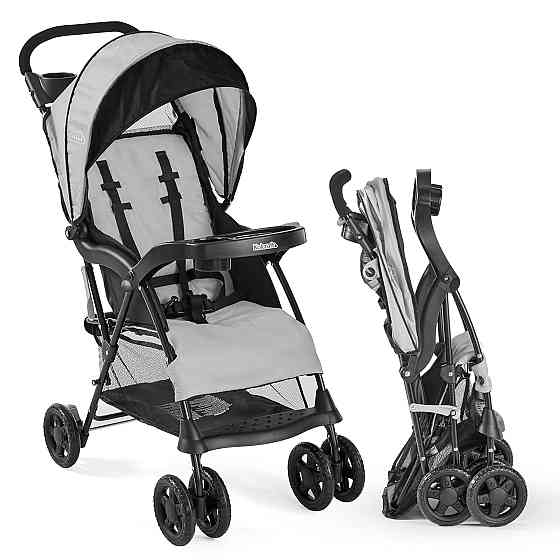
Strollers can be very helpful in airports, museums, parks, and cities, especially when children become fatigued or overstimulated. A compact stroller should be stable, easy to fold, and suitable for the child’s weight and posture. Infants and young toddlers need adequate head, trunk, and airway positioning; slumped positioning can compromise breathing, especially during prolonged sleep. Baby carriers can free caregivers’ hands, but they should support the child’s airway, hips, and caregiver ergonomics. Any carrier should allow the adult to see the child’s face and keep the chin off the chest.
Movement breaks are a medical and behavioral strategy. Long sitting can worsen irritability, constipation, musculoskeletal discomfort, and sleep disruption. During safe opportunities, encourage walking, stretching, or simple games such as animal walks or balance challenges. For children with neuromotor conditions, orthopedic concerns, or recent injury, ask a clinician or physical therapist how to plan transport, lifting, and rest periods.
Medical preparedness without turning the bag into a clinic
Medical travel planning should be individualized. Caregivers should not start, stop, or change medications because of travel without professional guidance. For chronic conditions, ask the child’s healthcare team whether a travel plan is needed, including time-zone adjustments, storage temperatures, rescue medications, or documentation for security screening. Medications should remain in original labeled containers when possible, and doses should be measured with appropriate devices rather than kitchen spoons.
Children with food allergy may need a written allergy action plan and readily accessible emergency medication as prescribed. Families should discuss whether extra doses are appropriate for the itinerary, especially if traveling internationally, visiting remote areas, or eating in unfamiliar settings. For asthma, ensure inhalers, spacers, and action plans are current. For diabetes, seizure disorders, adrenal insufficiency, cardiac conditions, or immunocompromise, clinicians may recommend additional supplies, letters, or destination-specific precautions.
A compact health kit can include adhesive bandages, digital thermometer, oral rehydration solution or packets if appropriate, child-safe sunscreen, insect repellent suitable for age and destination, saline spray, and basic wound-cleaning supplies. Avoid packing medications “just in case” without knowing indications, dosing, contraindications, and interactions. Also consider locked medication storage at the destination, especially if visiting relatives, staying in rentals, or traveling with toddlers who explore drawers and bags.
Medical devices and assistive technology should be treated as essential luggage. Chargers, batteries, tubing, sensors, hearing devices, communication aids, glasses, orthotics, and mobility supports should have a backup plan when feasible. If a child depends on powered equipment, a portable power bank may be helpful, but caregivers should verify compatibility, airline rules, and safe charging practices.
Food, hydration, sun, and sleep: the quiet pillars of easier travel
Many travel meltdowns are amplified by hunger, dehydration, overheating, or sleep debt. Portable nutrition does not need to be elaborate. Familiar snacks with protein, fat, and fiber can reduce reliance on sugary convenience foods and long restaurant waits. For infants and children with feeding disorders, dysphagia, metabolic conditions, or medically necessary diets, pre-trip planning with clinicians may be important. Families carrying formula, enteral supplies, or special foods should check transport and storage requirements before departure.
Hydration needs vary with age, climate, activity, fever, vomiting, diarrhea, and medical conditions. A spill-proof water bottle helps maintain regular intake and reduces the cost and waste of single-use drinks. In hot climates or during high activity, watch for decreased urination, lethargy, dizziness, dry mucous membranes, or unusual irritability. Severe dehydration, altered mental status, persistent vomiting, or signs of heat illness require urgent medical assessment.
Sun protection should be planned before the first long outdoor day. Broad-spectrum SPF 30+ sunscreen is a reasonable baseline for exposed skin when age-appropriate, along with hats, shade, sunglasses, and UPF clothing. Infants younger than 6 months need particular caution; shade and protective clothing are generally preferred, and caregivers should ask a clinician about sunscreen use when unavoidable exposure occurs.
Sleep gear should be portable but safe. For infants, use a firm, flat sleep surface without loose bedding, pillows, or soft objects. Travel cribs should meet applicable safety standards and be assembled correctly. For older children, a familiar sleep cue such as a small blanket, white-noise device, or bedtime story can reduce anxiety. Try to preserve bedtime sequencing even when the clock shifts: hygiene, calm connection, low light, and predictable limits.
Smart technology choices for safety and sanity
Portable technology can be genuinely useful during travel, but it works best when intentionally chosen. A universal adapter, charging cables, compact power bank, luggage tracker, and offline maps can reduce stress. Emergency communication tools may be important for remote travel or international itineraries. Anti-theft bags and luggage trackers can support security, but they do not replace situational awareness, secure document storage, or age-appropriate supervision.
Children’s devices deserve a plan before departure. A family media plan can define when screens are available, what content is allowed, where devices are charged, and what happens when travel delays occur. Download age-appropriate content in advance rather than relying on public Wi-Fi. Use child online privacy settings and avoid allowing children to share location, hotel details, ticket images, or identifying information online.
For sleep quality, consider keeping screens out of bedrooms overnight, even while traveling. A device charging station outside bedrooms may not be possible in a hotel room, but caregivers can create a charging area away from the bed or use airplane mode after evening communication is complete. For children who use tablets for communication, learning, or sensory regulation, avoid framing the device as a reward that can be removed unpredictably. Instead, distinguish assistive or regulation use from entertainment use.
Technology should also serve the caregiver. Store copies of prescriptions, immunization records when relevant, travel insurance information, emergency contacts, and clinician phone numbers in a secure digital location, with offline access. Keep paper copies of critical medical documents if losing phone access would create risk.
Destination decisions, safety habits, and emotional pacing
Smart travel choices are not only about gear; they are about pacing. Children often cope better when the itinerary has fewer transitions, built-in downtime, and clear expectations. One major activity per day may be enough for a young child or a child with sensory sensitivities, chronic illness, anxiety, or sleep vulnerability. A calmer itinerary can reduce gastrointestinal complaints, headaches, behavioral escalation, and caregiver exhaustion.
Before travel, identify nearby pharmacies, urgent care options, and emergency numbers at the destination. International travel may require additional planning for vaccines, malaria prophylaxis, food and water safety, or management of chronic conditions; these decisions should be made with qualified healthcare professionals or travel medicine specialists. Do not assume that the medications, formulas, medical devices, or allergy-safe foods your child uses will be easy to find elsewhere.
Teach children simple safety scripts: what to do if separated, how to identify safe helpers, and how to state a caregiver’s name and phone number if developmentally able. For younger children, a wearable identification tag or card inside a pocket can be useful. Luggage trackers may help locate bags, but they should not be used as a substitute for active supervision of a child.
Finally, plan for emotional recovery. Travel can be dysregulating even when it is fun. Offer choices where possible: which snack, which book, which seat activity. Narrate the plan in simple steps. When a child struggles, assume overload before defiance. Portable gear is most effective when paired with empathy, flexibility, and realistic developmental expectations.
Medical and safety cautions
- Seek urgent medical care for breathing difficulty, severe allergic reaction, altered mental status, severe dehydration, heat illness, seizure changes, or significant injury.
- Do not change prescribed medication schedules, doses, or storage methods for travel without clinician guidance.
- Use car seats, boosters, carriers, and travel cribs only according to manufacturer instructions and the child’s size and developmental needs.
- Keep medications, batteries, small magnets, button batteries, and choking hazards out of children’s reach.
- For complex medical conditions or international travel, consult the child’s healthcare team before departure.
Tools & Assistance
- Create a one-page child travel health summary with medications, allergies, diagnoses, emergency contacts, and clinician information.
- Use labeled packing pouches for urgent medical items, snacks, hygiene supplies, and electronics.
- Schedule a pre-travel visit with a pediatrician, specialist, or travel medicine clinic when the itinerary or medical history warrants it.
- Set up offline maps, emergency contacts, secure document storage, and device charging routines before leaving.
- Do a practice pack and carry test at home to remove unnecessary weight.
FAQ
What is the most important portable item when traveling with a child?
It depends on the child, but essential medications, identification, safe transport equipment, hydration, and a caregiver-accessible health pouch usually matter more than entertainment gear.
Should children carry their own travel backpacks?
Many school-age children can carry a light, well-fitted backpack with comfort items and a snack. Avoid heavy loads, valuable documents, or critical medications that could be misplaced.
Are luggage trackers and anti-theft bags necessary?
They can be helpful for some itineraries, especially complex or international travel, but they do not replace supervision, secure document storage, and a clear family safety plan.
How should we travel with a child’s medication?
Keep essential medications in carry-on luggage, ideally in original labeled containers, with dosing tools and relevant documentation. Ask the prescribing clinician about time zones, storage, and backup supplies.
How can we reduce screen conflict during travel?
Set expectations before the trip, download approved content, use child online privacy settings, and separate assistive or calming device use from entertainment rules.
Sources
- Wirecutter — The Best Gear for Travel in 2026
- Global Rescue — What Are the Best and Worst Safety Gadgets for International Travelers?
- Pack Hacker — Your Guide to Smarter Travel
Disclaimer
This article is for informational purposes only and does not diagnose, treat, or replace medical care. Consult a qualified healthcare professional for individualized advice about your child’s health, medications, travel risks, and safety equipment.















Please log in to leave a comment.