
Intro
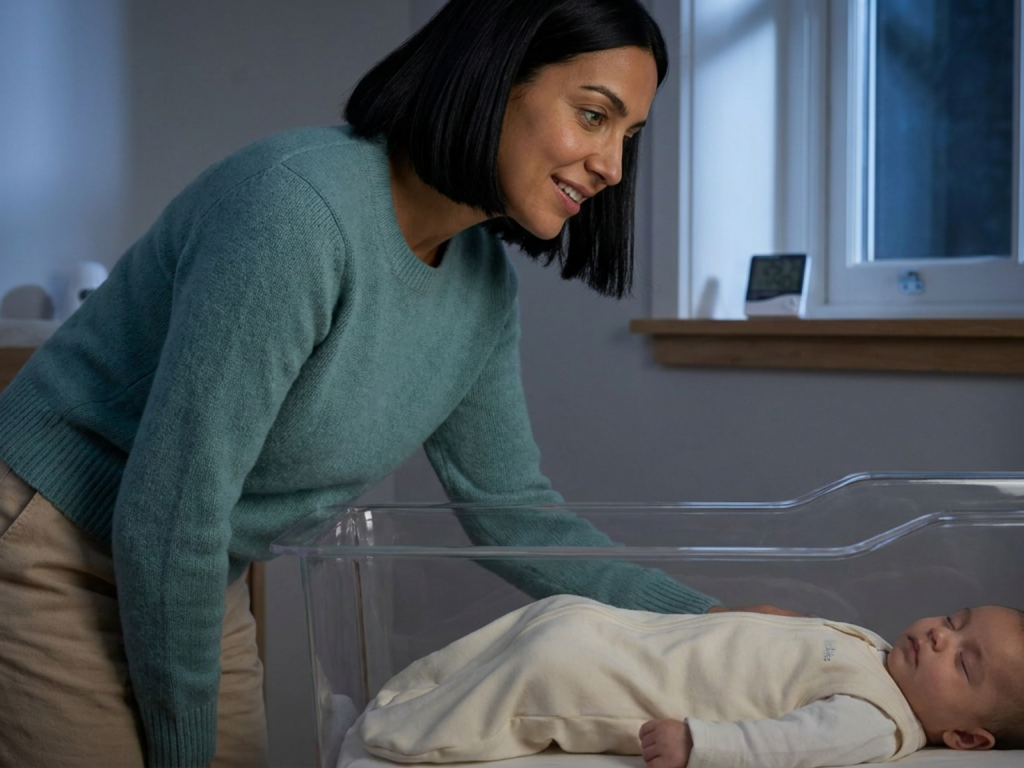
Choosing the right room temperature and sleep clothing for a baby can feel unexpectedly stressful. Many caregivers worry that a baby who cannot yet say “I am too hot” or “I am too cold” might be uncomfortable, wake more often, or be unsafe. The reassuring news is that safe, comfortable infant sleep usually depends on a few consistent principles: avoid overheating, keep the sleep space clear, use clothing rather than loose blankets for warmth, and check the baby’s body rather than relying only on hands or feet.
This article explains how temperature, fabrics, layers, and wearable sleep clothing fit together. It is written for medically literate readers, but it remains practical: the goal is not a perfect number on a thermometer, but a safe sleep environment that supports thermoregulation while following established infant sleep safety guidance.
Highlights
A comfortable infant sleep environment is usually cool to moderate, not warm and bundled. Overheating during infant sleep is a safety concern and should be avoided.
Use close-fitting newborn sleepwear, a sleep sack, or a wearable blanket when warmth is needed, rather than loose blankets, pillows, duvets, or head coverings.
The baby’s chest, back, or nape of the neck gives more useful information about warmth than cool hands or feet, which are common in infants.
Fabric and bedding affect thermal comfort; lighter, breathable layers are easier to adjust than one very thick garment or heavy covering.
Babies with prematurity, fever, respiratory illness, poor feeding, or medical complexity may need individualized advice from a clinician.
Why temperature matters during baby sleep
Infants have immature thermoregulation compared with older children and adults. They can lose heat relatively quickly because of their body proportions, but they can also overheat if overdressed, covered, or placed in a warm environment. During sleep, a baby’s ability to respond behaviorally is limited: a young infant cannot remove a layer, push away a blanket reliably, or tell a caregiver that they are uncomfortably warm.
Safe sleep guidance therefore treats temperature as part of the overall sleep environment. A baby should sleep on a firm, flat infant sleep surface, placed on the back, in a space free of loose bedding and soft objects. Temperature and clothing decisions should support that environment rather than complicate it. If warmth is needed, sleep clothing or a wearable blanket is generally preferred over loose blankets because it is less likely to cover the face or head.
Overheating during infant sleep may show up as sweating, damp hair, flushed skin, heat rash, rapid breathing, or a chest and back that feel hot rather than comfortably warm. However, absence of obvious sweating does not guarantee that layering is appropriate. The safest approach is to dress the baby in light, adjustable layers and keep the room comfortable for a lightly clothed adult.
What room temperature is usually comfortable?
There is no single room temperature that is perfect for every baby, building, climate, and sleep outfit. Many baby-safety organizations describe a moderate room temperature, often around 16–20°C or 61–68°F, as a practical target range for sleep. Some families may keep the room slightly warmer or cooler depending on housing, season, humidity, and the baby’s clothing. The key principle is to avoid a hot room and excessive layers.
A nursery thermometer can help, but it should not replace observation. Temperature at crib level may differ from a wall thermostat reading, particularly near windows, heating vents, radiators, air conditioners, or drafts. Humidity also changes perceived warmth. A room at 20°C with high humidity and a thick sleep sack may feel much warmer than the number suggests.
Caregivers often ask whether cold hands mean the baby is cold. In most cases, hands and feet are not the best guide because infants commonly have cooler extremities due to peripheral circulation. Check the chest, upper back, or nape of the neck. These areas should feel warm but not hot or sweaty. If the trunk feels cool, a layer may be appropriate. If the trunk feels hot, clammy, or sweaty, remove a layer and reassess.
Dressing a baby for sleep: layers, fit, and fabric
The safest sleep outfit is usually simple: a diaper plus a bodysuit, sleepsuit, or footed pajamas, adjusted for the season and room temperature. In cooler conditions, a sleep sack or wearable blanket can add warmth without introducing loose bedding. Clothing should fit well around the neck, shoulders, and arms so it cannot ride up over the mouth or nose.
Close-fitting newborn sleepwear is generally preferable to bulky garments. Thick hoods, loose collars, decorative cords, large buttons, and extra fabric can create avoidable hazards or discomfort. Avoid covering the baby’s head indoors during sleep. Babies release heat through the head and face, and head coverings can slip or contribute to overheating.
Fabric matters because it affects heat retention, moisture movement, and tactile comfort. Evidence from sleep research in adults shows that sleepwear and bedding materials can influence sleep outcomes at different ambient temperatures. While adult data cannot be directly translated into infant prescriptions, the principle is relevant: clothing and bedding interact with room temperature. A baby in a light cotton layer in a cool room is in a different thermal environment than a baby in fleece pajamas, a padded sleep sack, and a warm room.
Practical layering principles include:
- Use one more light layer than a comfortable adult might wear in the same room, then check the baby’s trunk.
- Prefer breathable, washable fabrics that do not trap excessive heat.
- Choose sleep sacks by warmth rating only as a guide, not as a substitute for checking the baby.
- Avoid weighted sleep products unless specifically advised by a qualified clinician, as routine use is not part of standard safe-sleep guidance.
- Remove hats, outdoor coats, snowsuits, and thick pram suits before placing a baby down for sleep indoors.
Sleep sacks, swaddles, and wearable blankets
Wearable blankets can be a helpful loose bedding alternative because they keep warmth on the body while leaving the sleep area clear. A well-designed sleep sack should fit securely at the shoulders and neck, allow hip movement, and be appropriate for the baby’s size. If the neckline is too large, the baby may slip down inside; if it is too tight, it may be uncomfortable or unsafe.
Swaddling is a separate decision from temperature. Some newborns settle with swaddling, but safe swaddling and sleep sacks require attention to hip position, chest tightness, and developmental stage. Swaddling should stop when a baby shows signs of attempting to roll, and babies should always be placed on their back for sleep. A swaddle can also add warmth, so the layer underneath should often be lighter than what would be used without a swaddle.
For many families, a simple sleep sack over a bodysuit or sleepsuit is easier to manage than blankets. It also reduces the temptation to add loose coverings after night waking. If the baby feels cold at the chest, consider a slightly warmer sleep sack or an additional light clothing layer. If the baby feels hot or sweaty, reduce insulation rather than lowering the baby deeper into bedding or adding a fan directly on the infant.
How to tell if your baby is too hot or too cold
Because babies cannot report thermal discomfort, caregivers must combine environmental information with clinical observation. The most useful quick check is to place a hand on the baby’s upper chest, upper back, or nape of the neck. The skin should feel comfortably warm and dry. Cool hands and feet alone are not usually a reason to add layers if the trunk is warm.
Possible signs that a baby may be too warm include:
- Sweating or damp hair during sleep
- Hot chest, back, or neck
- Flushed skin not explained by crying
- Heat rash or persistent clamminess
- Unusual restlessness in a warm room
Possible signs that a baby may be too cold include a cool chest or back, persistent shivering in an older infant, or difficulty settling in a cool environment despite appropriate feeding and comfort. Newborns do not always shiver effectively, so trunk temperature and overall behavior matter more than shivering alone.
If a baby is unusually sleepy, difficult to wake for feeds, breathing abnormally, feeding poorly, feverish, pale, blue around the lips, or otherwise concerning, treat this as a medical issue rather than a clothing problem. Contact a healthcare professional or urgent medical service according to the severity of symptoms.
Adapting to seasons, heating, and travel
Seasonal changes often create more risk than a stable room temperature because caregivers may overcorrect. In winter, central heating plus fleece clothing plus a padded sleep sack can become too warm. In summer, a baby may need only a diaper and a very light layer, depending on the room temperature. Air conditioning can help keep a room comfortable, but avoid placing the crib in the direct path of cold airflow.
When traveling, reassess rather than assuming the usual outfit will work. Hotel rooms, relatives’ homes, and holiday rentals may have different insulation, heating cycles, and bedding. Bring familiar sleep clothing options in more than one warmth level if possible. A portable room thermometer can be useful, especially in unfamiliar spaces.
Car seats and strollers add another layer of complexity. Thick coats and snowsuits can interfere with harness fit and may cause overheating after moving indoors. If a baby falls asleep during travel, follow safety guidance for transfer to a firm, flat infant sleep surface as soon as practical. Remove outdoor layers once indoors and reassess the baby’s trunk temperature.
Special situations that need extra caution
Some babies need individualized temperature advice. Premature infants, babies with low birth weight, congenital heart disease, respiratory disorders, neurologic conditions, or feeding difficulties may have different vulnerability to cold stress or overheating. Babies recovering from illness may also need closer monitoring because fever, dehydration, or increased work of breathing can change thermal needs.
If your baby has a fever, do not respond by bundling heavily to “sweat it out.” Fever management in infants depends on age, measured temperature, symptoms, and clinical context. Young infants with fever may need urgent medical assessment. Ask your pediatric clinician for age-specific guidance rather than relying on room-temperature adjustments alone.
Parents and caregivers also deserve support. Night after night of checking, feeding, and second-guessing can be exhausting. Safe sleep habits for newborns are not about perfection; they are about reducing known risks while creating a repeatable routine. If anxiety about temperature or sleep safety becomes overwhelming, discuss it with a pediatric clinician, health visitor, midwife, or mental health professional.
Seek medical advice or urgent help when needed
- Do not use loose blankets, pillows, duvets, or soft bedding in a baby’s sleep space.
- Do not cover a baby’s head or put a hat on for routine indoor sleep.
- Remove layers if the baby’s chest, back, or neck feels hot, sweaty, or clammy.
- Seek urgent advice for fever in a young infant, breathing difficulty, poor feeding, blue lips, or unusual lethargy.
- Ask a clinician for individualized guidance if your baby was premature, medically fragile, or has trouble maintaining temperature.
Tools & Assistance
- A simple room thermometer placed near the baby’s sleep area
- A few sleep sacks or wearable blankets in different warmth levels
- A written safe-sleep checklist for all caregivers
- Your pediatrician, midwife, health visitor, or local nurse advice line
- A feeding and sleep log if temperature concerns occur alongside illness or poor feeding
FAQ
What is the best room temperature for a baby to sleep?
Many safe-sleep resources suggest a moderate room, often around 16–20°C or 61–68°F, but the baby’s clothing, humidity, and individual needs matter. Check the chest or back to confirm comfort.
Should my baby wear a hat to sleep?
No. For routine indoor sleep, babies should not have their head covered. Hats can contribute to overheating or slip out of position.
Are cold hands a sign my baby needs more layers?
Not necessarily. Infant hands and feet are often cool. Check the chest, upper back, or nape of the neck; these areas are better indicators of overall warmth.
Is a wearable blanket safer than a loose blanket?
A properly fitted wearable blanket or sleep sack is generally preferred when warmth is needed because it avoids loose bedding in the sleep space.
How should I dress my baby during a fever?
Use light clothing and seek age-appropriate medical advice, especially for young infants. Do not overbundle a feverish baby to induce sweating.
Sources
- PubMed Central — The effects of fabric for sleepwear and bedding on sleep at ambient temperatures of 17°C and 22°C
- Centers for Disease Control and Prevention — Helping Babies Sleep Safely
- The Lullaby Trust — How to dress your baby for sleep
Disclaimer
This article is for informational purposes only and does not replace medical advice. Consult a qualified healthcare professional for concerns about your baby’s temperature, sleep, illness, or safety.












Please log in to leave a comment.