
Intro
Traveling with children can be joyful, unpredictable, and occasionally exhausting all at once. The right packing approach is less about buying every clever gadget and more about anticipating a child’s physiological needs, developmental stage, routines, and safety risks while keeping caregivers’ hands and minds as free as possible.
This guide focuses on practical, health-conscious travel products for infants, toddlers, preschoolers, and school-age children. It does not replace individualized medical advice, especially for children with chronic conditions, allergies, neurodevelopmental needs, or recent illness, but it can help families prepare with confidence.
Highlights
A well-packed child travel kit supports hydration, sun protection, sleep, comfort, hygiene, and safe access to medications.
Carry-on planning matters: essentials should remain with the caregiver in case of delays, lost luggage, spills, or acute symptoms.
Choose products by developmental stage, not just age, because mobility, toileting, feeding skills, and sensory needs vary widely.
Medical and first-aid items should be organized, labeled, and reviewed with a clinician when a child has ongoing health needs.
Start with a child-centered packing strategy
The best travel products for kids are the ones that solve predictable problems: hunger, thirst, thermal discomfort, boredom, fatigue, motion-related nausea, toileting accidents, sun exposure, and disrupted routines. Before buying anything new, map the trip by time and risk. A three-hour car ride to relatives requires different gear than an overnight flight, a beach holiday, or travel to a region where vaccines, malaria prophylaxis, or food and water precautions may be relevant.
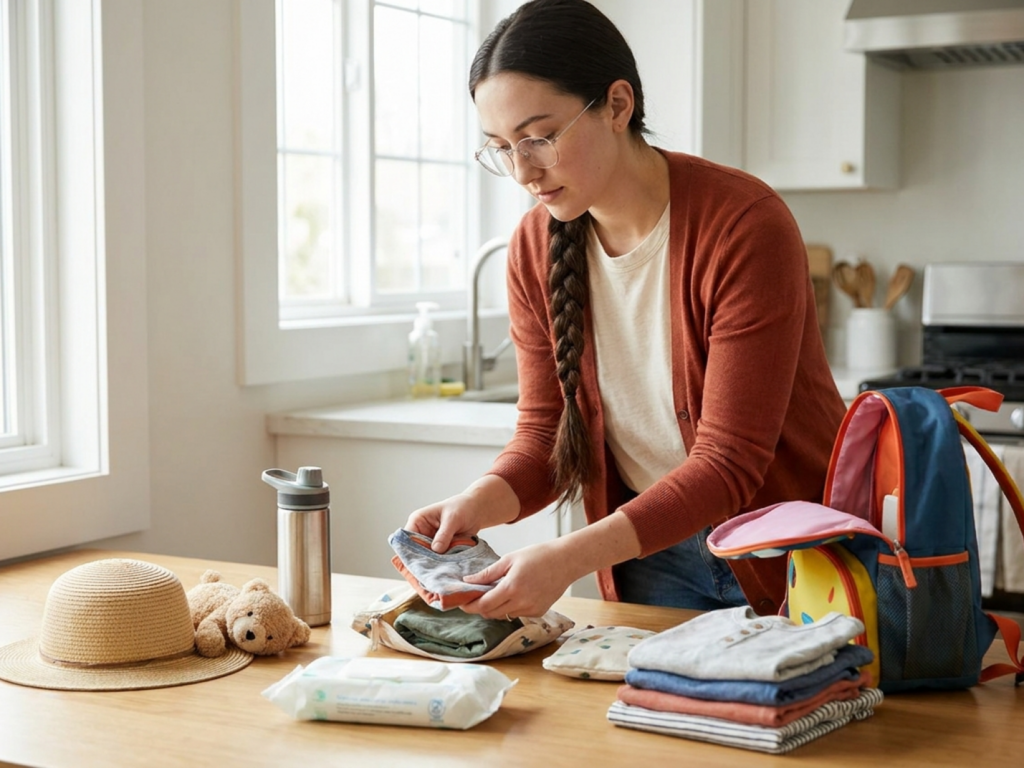
Think in layers: the child’s body, the child’s immediate access bag, and the family backup bag. The body layer includes comfortable clothing, supportive shoes, sun hat, and any medical identification if needed. The immediate access bag should contain snacks, fluids, wipes, spare clothing, comfort items, and essential medicines. The backup bag can hold larger supplies such as extra diapers, laundry bags, seasonal clothing, and additional entertainment.
For infants and younger children, caregivers usually carry the system. For older children, a well-fitted backpack can encourage independence, but weight should stay reasonable and contents should be simple. A child’s bag can include a water bottle, a snack, a light layer, headphones, a small activity, and comfort object. Safety-critical items, including prescription medicines, allergy treatments, or inhalers, should remain under adult supervision unless a clinician has advised otherwise.
Carry-on essentials for delays, spills, and symptoms
A child’s carry-on should be packed as though the journey may last several hours longer than planned. This is especially important for air travel, but it also applies to road closures, train delays, missed connections, and unexpected overnight stays. Keep high-priority items in clear pouches so another adult can find them quickly.
- Clothing: pack one full change for the child and, for infants or children prone to vomiting or toileting accidents, a spare shirt for the caregiver.
- Hydration: bring a spill-proof water bottle when security or transport rules allow; offer fluids frequently, especially in heat or dry cabin air.
- Food: choose familiar snacks with protein, fat, and carbohydrate, such as nut-free options if allergy policies require it.
- Hygiene: include wipes, tissues, hand sanitizer if age-appropriate, diapering supplies, and sealable bags for soiled clothing.
- Comfort: pack one small comfort object, pacifier if used, blanket, or soft toy to support self-regulation and sleep.
- Power and documents: bring chargers, copies of relevant health documents, insurance details, and emergency contacts.
For children with asthma, diabetes, epilepsy, severe allergies, congenital conditions, or other chronic diagnoses, discuss travel planning with the child’s healthcare team. Ask how to store medications, what to do if doses are missed, and whether written action plans are needed. Do not place essential medicines in checked luggage.
Health and first-aid products to pack thoughtfully
A pediatric travel health kit should be compact, organized, and tailored to the child rather than a miniature pharmacy. Basic supplies may include adhesive bandages, sterile gauze, a digital thermometer, small scissors if permitted, tweezers, oral rehydration solution packets, age-appropriate sunscreen, insect precautions where relevant, and any clinician-approved medicines already used by the child. If your child takes prescription medication, bring enough for the entire trip plus extra for delays, stored in original labeled packaging whenever possible.
Medication planning deserves caution. Children’s dosing often depends on weight, formulation concentration, and medical history. Avoid starting new over-the-counter products just because they are marketed for travel, sleep, cough, or nausea without professional guidance. Sedating a child for travel can be unsafe and may cause paradoxical agitation in some children. If motion sickness has been a recurring issue, ask a pediatrician or pharmacist in advance about non-drug strategies and whether any medicine is appropriate for the child’s age and health profile.
Children with food allergy or anaphylaxis risk need special planning: accessible emergency medication if prescribed, a written allergy action plan, safe snacks, and communication with airlines, hotels, relatives, or schools as applicable. For medically complex children, consider a one-page summary listing diagnoses, baseline status, medications, allergies, devices, and clinician contact information. This can reduce confusion if urgent care is needed away from home.
Sun, heat, hydration, and outdoor protection
Outdoor travel exposes children to heat stress, ultraviolet radiation, dehydration, insect bites, and fatigue. Children can become dehydrated faster than adults because of higher fluid needs relative to body size and variable ability to communicate thirst. Plan frequent drinking breaks rather than waiting for a child to ask. In hot climates, watch for reduced urination, unusual sleepiness, dizziness, headache, dry mouth, or irritability, and seek medical advice promptly if concerning symptoms occur.
Sun protection works best when layered. Use broad-spectrum sunscreen suitable for the child’s age, applied generously and reapplied according to product instructions, especially after swimming or sweating. Add a wide-brimmed hat, UV-protective sunglasses if tolerated, loose breathable clothing, and shade during peak sunlight. For infants, ask a clinician about age-specific sunscreen guidance and prioritize shade, clothing, and avoiding intense midday heat.
Useful products for outdoor trips include a lightweight sun hat, breathable long-sleeved layer, refillable water bottle, compact shade item, stroller fan used safely according to manufacturer instructions, and cooling breaks built into the itinerary. Avoid covering a stroller with a blanket in hot weather because airflow can decrease and temperature can rise. If traveling to an area with insect-borne disease risk, seek travel health advice before departure about repellents, clothing, nets, and destination-specific prevention.
Sleep, sensory regulation, and emotional comfort
Travel often disrupts sleep architecture, circadian cues, feeding schedules, and sensory predictability. Some children cope easily; others become dysregulated, tearful, hyperactive, or withdrawn. Packing for comfort is not indulgent; it is preventive care for the nervous system. Familiar cues can help children transition between car seats, airports, hotels, and unfamiliar relatives’ homes.
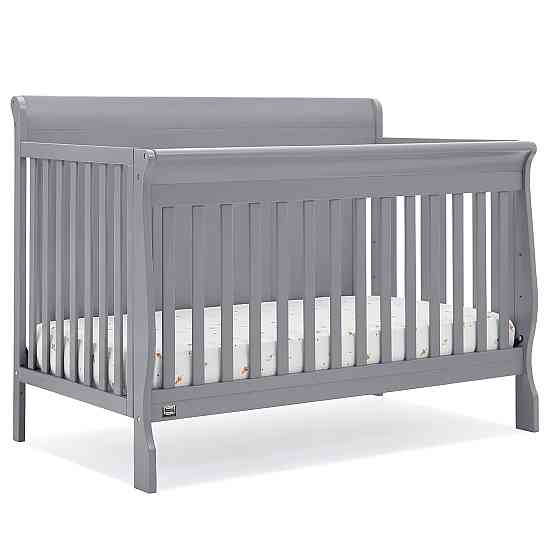
Consider a small sleep kit: pajamas, a familiar sleep sack or blanket if safe for the child’s age, portable white-noise device used at a safe volume and distance, favorite book, and comfort object. For infants, maintain safe sleep practices on every trip: a firm, flat sleep surface, no loose bedding or soft objects in the sleep area, and avoidance of unsafe sleep locations. Confirm that portable cribs meet current safety standards and are assembled correctly.
For sensory-sensitive children, sensory regulation products for preschoolers and older children may include noise-reducing headphones, chewable items designed for that purpose, sunglasses, a fidget tool, visual schedule, or compression garment if already tolerated and recommended. Avoid introducing weighted products for sensory regulation during travel without professional guidance, because improper weight, duration, or use during sleep may be unsafe. Practice with any sensory tool at home before relying on it in transit.
Feeding, toileting, and hygiene essentials by age
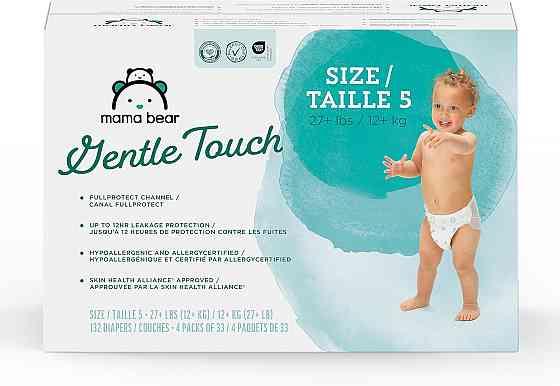
Feeding and toileting logistics are often what make travel with kids feel hardest. For infants, pack more diapers than the estimated minimum, wipes, diaper cream, changing pad, burp cloths, feeding supplies, and safe formula or expressed milk storage equipment if needed. If breastfeeding or pumping, plan for privacy preferences, pump parts, cleaning options, milk storage rules, and hydration for the lactating parent.
For toddlers and preschoolers, toddler independence products can reduce conflict: easy-open snack containers, a child-sized utensil set, a spill-resistant cup, and shoes that are secure but simple to remove for security checks or rest stops. For children in toilet training, pack extra underwear, pull-ups if used for travel, a foldable toilet seat or disposable seat covers, spare clothing, and sealable wet bags. Potty training supplies for preschool travel should be practical rather than perfectionistic; temporary regression during travel is common and does not mean failure.
Hygiene items should be accessible, not buried. Pack hand wipes, tissues, sanitizer for supervising adults, toothbrushes, toothpaste, hair care basics, and skin products the child already tolerates. Travel is not the ideal time to trial fragranced wipes, new sunscreens, or unfamiliar lotions in a child with eczema or sensitive skin. If a child has recurrent dermatitis, severe eczema, or known contact allergy, ask a healthcare professional about a skin care plan before departure.
Entertainment, learning, and safety gear that earns its space
Entertainment products should be quiet, compact, low-mess, and developmentally appropriate toys should match the child’s current abilities. For babies, consider a soft book, teether, or clip-on toy used safely under supervision. For toddlers, reusable sticker pads, chunky crayons, simple matching games, and board books work well. For school-age children, audiobooks, card games, activity books, travel journals, and downloaded content can reduce boredom without requiring constant caregiver involvement.
Screen use during travel is a family decision. If screens help a child remain calm during a difficult journey, prepare in advance: download content, pack child-safe headphones, set brightness and volume limits, and bring charging cables. Balance screens with movement breaks when possible, especially on long car rides, to reduce stiffness and restlessness.
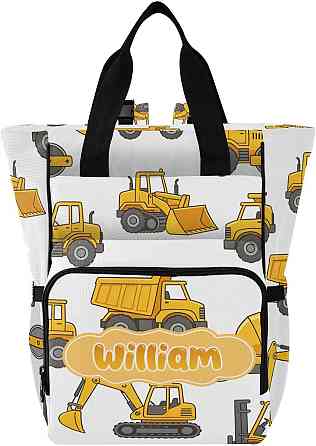
Safety gear should never be compromised for convenience. Use an appropriate car seat or booster according to the child’s age, size, and local law, and check installation before the trip. For walking trips, use reflective elements, identification cards for children who may wander, and a clear family plan for what to do if separated. Label bags and essential items, but avoid displaying a child’s full name prominently in public if privacy is a concern. The best travel gear helps children feel capable while keeping adults able to supervise what matters most.
When to get medical advice before or during travel
- Consult a pediatrician or travel medicine clinician before international travel, remote travel, or travel with a medically complex child.
- Seek urgent care for breathing difficulty, signs of dehydration, altered consciousness, severe allergic reaction, or persistent high fever.
- Do not place prescription medicines, emergency allergy medication, or critical devices in checked luggage.
- Avoid giving sedating medicines for travel unless a healthcare professional specifically recommends them for your child.
- Review destination-specific vaccine, malaria, insect, food, and water precautions well before departure.
Tools & Assistance
- Create a carry-on checklist divided into food, fluids, medicines, clothing, hygiene, documents, and comfort items.
- Ask your child’s clinician or pharmacist to review medication storage, dosing devices, and written action plans.
- Use labeled clear pouches for first aid, diapering, snacks, electronics, and spare clothing.
- Schedule hydration, sunscreen, toileting, and movement breaks into the itinerary.
- Practice with new travel products at home before relying on them during the trip.
FAQ
What should always go in a child’s carry-on bag?
Pack essential medicines, a change of clothes, snacks, fluids when allowed, wipes, comfort items, basic first-aid supplies, chargers, and key health documents. Anything medically necessary should stay with the caregiver.
How many extra diapers or outfits should I pack?
For travel days, pack more than your usual rate, allowing for delays, spills, and limited access to stores. Many families plan at least one full clothing change in the carry-on and additional supplies in the main luggage.
Are travel sleep products safe for babies?
Only use sleep products that meet current safety standards and provide a firm, flat sleep surface. Avoid loose bedding, soft objects, and improvised sleep spaces. Ask a clinician if you are unsure.
Should I buy motion sickness medicine before a trip?
Do not start medication without professional guidance. A pediatrician or pharmacist can advise whether medicine is appropriate based on the child’s age, weight, medical history, and other medications.
How can I reduce stress for a sensory-sensitive child?
Use familiar routines, visual schedules, noise-reducing headphones, comfort objects, and planned quiet breaks. Trial any sensory tools at home before the trip and seek occupational therapy or medical advice for complex needs.
Sources
- Mayo Clinic — Your Mayo Clinic packing checklist
- NHS 111 Wales — Travelling with children - NHS 111 Wales - Travel Health
- Children's Hospital of Philadelphia — A Pediatrician's Family Vacation Packing Checklist: What You Need When Traveling with Kids
Disclaimer
This article is for general educational purposes only and is not a diagnosis, treatment plan, or substitute for medical care. Consult a qualified healthcare professional for advice specific to your child, especially before travel with chronic conditions, medications, allergies, or recent illness.













Please log in to leave a comment.