
Intro
The preteen years can feel like a doorway between childhood and adolescence. Children may want more privacy, stronger peer belonging, and more say in what they use every day, while caregivers are still responsible for safety, health, sleep, school readiness, and emotional support.
A good preteen gear list is not about buying everything trending online. It is about choosing simple, developmentally appropriate products that support independence without overwhelming young bodies or young minds. When a product touches skin, affects sleep, changes nutrition, or is used for a health concern, it is wise to involve a pediatrician, dermatologist, pharmacist, dentist, or other qualified clinician.
Highlights
The best preteen products are practical, low-risk, and easy for a child to use consistently without adult conflict.
For skincare, pediatric sources recommend a minimal routine: gentle cleanser, noncomedogenic moisturizer, and broad-spectrum SPF 30+ sunscreen.
Preteens usually need organization, hygiene, sleep, activity, and emotional-regulation tools more than expensive trend-based items.
Caregivers can protect autonomy by offering choices within clear safety boundaries, especially around cosmetics, devices, sports gear, and supplements.
How to choose preteen products without overbuying
Preteens, often around ages 9 to 12, are developing executive function, body awareness, social identity, and self-care habits. The most useful products reduce friction in daily routines: getting out the door, keeping track of belongings, managing hygiene, packing school materials, sleeping well, and participating in movement or hobbies. Before buying, ask three questions: Does this product solve a real recurring problem? Can my child use it safely and independently? Will it still be appropriate if their preferences change in three months?
Caregivers can use age-based child product choices as a filter. A preteen backpack should fit a growing body, but it does not need adult-level load capacity. A skincare routine should teach hygiene, but it should not mimic anti-aging routines designed for mature skin. A first phone or smartwatch may help coordination, but it should not replace family rules about sleep, privacy, and online safety.
It helps to divide gear into essentials, nice-to-have items, and trend items. Essentials include hygiene supplies, safe sun protection, school organization, weather-appropriate clothing, and protective equipment for sports. Nice-to-have products may include a simple desk lamp, planner, water bottle, or sensory comfort item. Trend items need more scrutiny, especially if they contain active cosmetic ingredients, encourage body comparison, or collect data through apps.
Skincare and hygiene: keep it simple and medically cautious
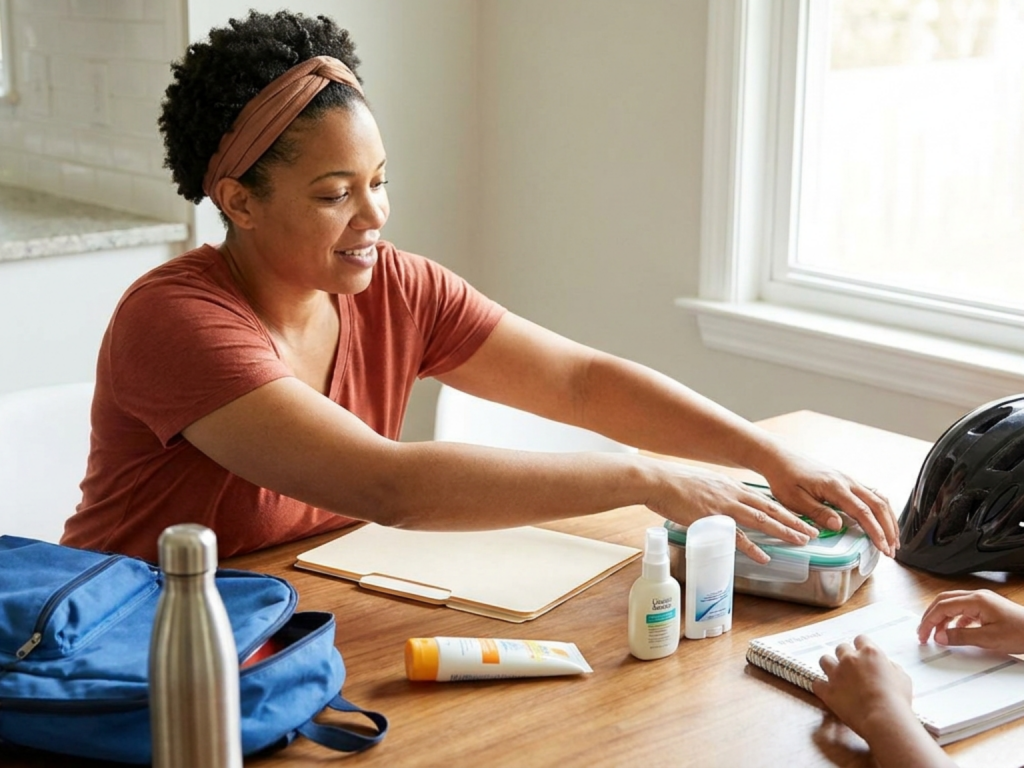
Skincare is one of the most emotionally charged preteen product categories because social media often promotes elaborate routines. Pediatric guidance is reassuringly simple. Many preteens only need a gentle, fragrance-free cleanser, a noncomedogenic moisturizer, and daily broad-spectrum sunscreen with SPF 30 or higher. Mineral sunscreens are often well tolerated, and sunscreen should be framed as health protection rather than beauty enhancement.
Look for labels such as fragrance-free, noncomedogenic, alcohol-free, and suitable for sensitive skin. Avoid physical scrubs, harsh exfoliating brushes, and products with strong fragrance, drying alcohols, sulfates, or abrasive particles. Young skin has a functional barrier that can be irritated by unnecessary actives. Products marketed as anti-aging, brightening, pore-shrinking, or resurfacing may contain retinoids, vitamin C, hydroxy acids, peptides, or other ingredients that pediatric sources advise avoiding unless a clinician recommends them.
A practical starter set includes:
- Gentle facial cleanser for morning and evening use, especially after sweating.
- Light noncomedogenic moisturizer, often best used at night or after washing.
- Broad-spectrum SPF 30+ sunscreen every morning and before outdoor activity.
- Mild body wash without heavy fragrance if the child has irritation-prone skin.
- Deodorant if body odor has started, chosen for comfort and skin tolerance.
If acne, eczema, contact dermatitis, painful rashes, or skin-picking behaviors appear, avoid escalating products on your own. A pediatrician or dermatologist can help distinguish common puberty-related skin changes from inflammatory or allergic conditions and can recommend evidence-based care.
Best school and organization gear for preteens
Preteens are expected to manage more materials, transitions, and deadlines, but their prefrontal cortex is still developing. That means organization products should externalize memory rather than shame forgetfulness. School-age organization tools can be simple: a sturdy backpack, color-coded folders, a pencil case, a homework tray, a visual weekly planner, and a designated charging station if devices are used for school.
Choose a backpack with padded straps, a structured back panel, and enough compartments to separate books, lunch, electronics, and personal items. The pack should not encourage excessive weight; if your child regularly complains of back, neck, or shoulder pain, review the load, fit, and carrying pattern and consider discussing symptoms with a clinician or school nurse. A water-resistant lunch bag and leakproof bottle help hydration and nutrition without making school mornings chaotic.
For homework, a small kit can be more effective than a fully decorated study area. Include sharpened pencils, pens, highlighters, sticky notes, index cards, a calculator if required, noise-reducing headphones if appropriate, and a timer. Some children benefit from visual schedules or checklists; others prefer a digital reminder system. The goal is not aesthetic perfection but a repeatable routine.
Privacy also matters. A pouch for menstrual supplies, deodorant, lip balm, orthodontic wax, or other personal items can reduce embarrassment. Caregivers can normalize these supplies by keeping them available without making the child announce every need.
Puberty, body care, and personal comfort items
Puberty-related gear should be introduced before it is urgently needed. Preteens may experience sweat changes, breast development, testicular growth, hair growth, menstrual cycles, acne, mood variability, or increased need for privacy. Products should support dignity and preparedness, not imply that normal puberty is dirty or shameful.
A body-care kit may include deodorant, gentle soap, shampoo suited to hair and scalp needs, a comb or brush, nail clippers, toothbrush, fluoride toothpaste, floss or floss picks, and lip balm with sun protection when appropriate. If a child menstruates or may begin soon, offer pads in several sizes, period underwear if desired, disposal bags, spare underwear, and a small zip pouch for school. Tampons or menstrual cups may be appropriate for some adolescents, but comfort, anatomy, instructions, and infection-prevention hygiene should be discussed carefully; a pediatrician can help if there is pain, fear, heavy bleeding, or questions about safe use.
Undergarments should fit without compression, chafing, or shame. Sports bras, undershirts, breathable socks, and moisture-wicking layers can help during physical activity. For children with sensory sensitivities, seams, tags, fabric texture, and tight waistbands can become major barriers. Letting the child test options at home may prevent daily distress.
Do not use supplements, hormone-related products, weight-loss items, muscle-building powders, or skin-lightening products as routine preteen gear. These can carry physiologic risk, contamination risk, or psychological harm. Any concern about growth, weight, pubertal timing, fatigue, appetite, or body image deserves a conversation with a healthcare professional rather than a shopping solution.
Sports, outdoor, and safety gear that actually gets used
Movement is important for cardiovascular health, bone mineral accrual, coordination, sleep quality, and mood regulation. The best sports products are the ones that fit correctly and match the child’s real activity. A helmet for biking or skating, sport-specific mouthguard, supportive shoes, reflective outerwear, sunscreen, and a water bottle are more valuable than expensive performance accessories.
Fit is a safety issue. Helmets should sit level, fasten securely, and be replaced after significant impact or according to manufacturer guidance. Shoes should match the activity and allow toe room without slipping. For organized sports, ask coaches or leagues about required protective equipment, but do not assume minimum requirements are the same as optimal fit. Children with asthma, diabetes, seizure disorders, severe allergies, cardiac conditions, or prior concussions may need individualized plans from clinicians before intense activities or travel sports.
Outdoor gear should make healthy routines easier. Keep a small sun-and-weather kit near the door: SPF 30+ sunscreen, hat, sunglasses if tolerated, insect repellent when appropriate, and weather layers. For preteens who walk, bike, or take public transportation, consider a small first-aid pouch, identification card, emergency contact plan, and reflective or visible elements on bags or jackets.
Safety conversations should accompany gear. A helmet works only if it is worn. A phone helps only if the child knows who to call and when. Protective equipment should be framed as enabling freedom, not as evidence that the child is fragile.
Sleep, digital life, and emotional regulation products
Preteens often want more digital independence just as sleep becomes harder to protect. Helpful gear can include an analog alarm clock, a family charging station outside the bedroom, a reading lamp, blackout curtains, a comfortable pillow, and a consistent bedtime routine. These products are not medical treatment for insomnia, anxiety, or sleep-disordered breathing, but they can reduce common environmental barriers.
Digital products deserve special attention. If a child has a phone, tablet, gaming system, or smartwatch, pair the device with written family expectations: charging location, bedtime cutoff, app permissions, location sharing, contact rules, and what to do if they see frightening or sexual content. Parental controls are tools, not substitutes for conversation. Preteens also need permission to come to an adult without losing all access automatically, otherwise they may hide problems.
Emotional-regulation gear should be individualized. Some children like a journal, drawing supplies, fidget item, weighted lap pad, music headphones, breathing exercise cards, or a quiet corner. These items can support coping skills, especially during homework, transitions, or social stress. However, persistent sadness, panic symptoms, self-harm thoughts, disordered eating behaviors, severe irritability, or school refusal require professional assessment.
Adolescent health literacy tools can also be part of the must-have list. Age-appropriate books about puberty, consent, nutrition, sleep, emotions, and digital safety help preteens ask better questions. Choose resources that are anatomically accurate, inclusive, and calm in tone.
A practical preteen must-have gear list
A balanced preteen list covers daily function without turning childhood into a product-driven project. Start with what your child already uses, remove items that irritate skin or create clutter, and add only what improves safety, autonomy, or wellbeing.
Core must-haves include:
- Gentle cleanser, noncomedogenic moisturizer, and SPF 30+ broad-spectrum sunscreen.
- Toothbrush, fluoride toothpaste, floss, deodorant, nail care, and basic hair-care tools.
- Properly fitted backpack, folders, pencil case, planner or checklist, and homework supplies.
- Reusable water bottle, lunch container, and small snack system if school permits.
- Weather-appropriate layers, supportive shoes, and activity-specific protective equipment.
- Personal privacy pouch for menstrual supplies, orthodontic needs, deodorant, or spare items.
- Analog alarm clock, device charging station, and sleep-friendly bedroom basics.
- Simple first-aid supplies and an emergency contact plan for activities away from home.
Optional items depend on the child: fidget tools, headphones, art supplies, sports bag, period underwear, planner stickers, locker shelf, desk organizer, or a basic wallet. The best test is whether the item helps your preteen participate more confidently in school, friendships, hygiene, movement, or rest.
Finally, let your child help choose within safe limits. Offering two sunscreen textures, three backpack styles, or several deodorant options respects autonomy while preserving caregiver judgment. Preteens are more likely to use products consistently when they feel ownership rather than surveillance.
Use caution with these products
- Avoid retinol, vitamin C serums, hydroxy acids, harsh scrubs, and anti-aging products unless a clinician recommends them.
- Seek medical advice for severe acne, painful rashes, eczema flares, heavy menstrual bleeding, fainting, or unexplained fatigue.
- Do not use weight-loss, muscle-building, hormonal, or skin-lightening products for preteens without professional guidance.
- Replace helmets after significant impact and make sure sports equipment fits correctly.
- Escalating anxiety, self-harm thoughts, disordered eating, or school refusal requires prompt professional support.
Tools & Assistance
- Create a two-column shopping list: essentials now and optional items later.
- Ask a pediatrician or dermatologist before using active skincare ingredients.
- Set up a school morning station with backpack, water bottle, lunch supplies, and personal pouch.
- Use a family charging station outside the bedroom to support sleep.
- Review sports protective gear at the start of each season for fit and condition.
FAQ
Does a preteen need a full skincare routine?
Usually no. Pediatric sources support a simple routine: gentle cleanser, noncomedogenic moisturizer, and broad-spectrum SPF 30+ sunscreen. More complex products can irritate young skin.
What should be in a preteen school bag?
A fitted backpack, folders, pencil case, planner or checklist, water bottle, lunch or snack container, and a small privacy pouch for personal hygiene items are practical basics.
Are trendy skincare products safe for tweens?
Many are unnecessary and some contain irritating actives such as retinoids, vitamin C, hydroxy acids, fragrance, alcohols, or scrubs. Check ingredients and consult a clinician for persistent skin concerns.
When should puberty products be introduced?
Introduce deodorant, menstrual supplies, body-care items, and privacy pouches before they are urgently needed. This helps normalize puberty and reduces embarrassment.
What gear supports preteen sleep?
An analog alarm clock, device charging station outside the bedroom, comfortable bedding, a reading lamp, and a consistent routine can help. Ongoing insomnia, snoring, or daytime sleepiness should be discussed with a healthcare professional.
Sources
- American Academy of Pediatrics, HealthyChildren.org — Trendy Skin Care for Tweens & Teens: Is It Safe?
- Children's Hospital of Orange County, CHOC Children's Health Hub — Best skin care routines for preteens
- Forbes — 12 Safe Skincare Products For Your Tween's Self Care Routine
Disclaimer
This article is for informational purposes only and does not diagnose, treat, or prescribe. Consult a qualified healthcare professional for medical concerns, skin conditions, puberty questions, injuries, or mental health symptoms.










Please log in to leave a comment.