
Intro
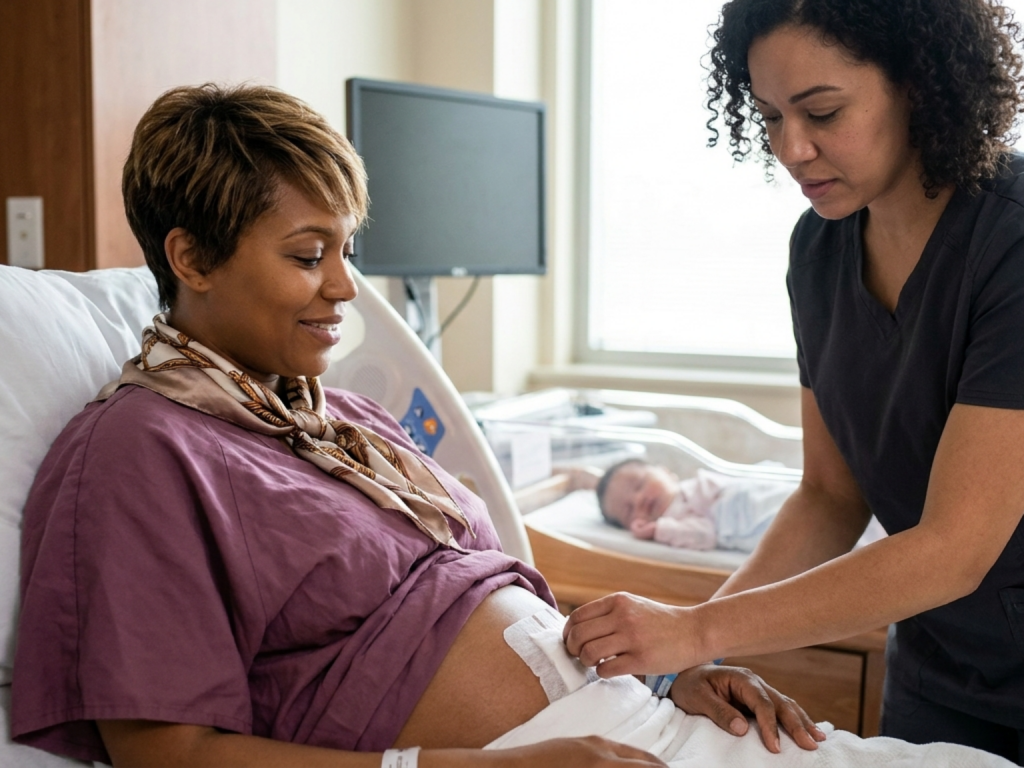
After a C-section birth, the focus shifts from delivery to immediate surgical recovery, newborn care, and close observation for early complications. For many patients, the first hours are a blend of relief, pain control, fatigue, and frequent checks on bleeding, blood pressure, the incision, and the baby.
Recovery is usually slower than after an uncomplicated vaginal birth because the body is healing from abdominal and uterine surgery at the same time as postpartum changes. What happens next depends on the reason for the cesarean, the type of anesthesia used, and your overall health, but there are common patterns that help people know what to expect.
Highlights
The first hours after birth are usually spent monitoring bleeding, pain, vital signs, and the incision while the anesthesia wears off.
Most people are encouraged to get up and walk relatively early, because movement lowers the risk of complications and helps bowel function return.
Pain is commonly managed with a combination of medicines, and good pain control makes breathing, walking, and infant care easier.
Incision care, lochia, and warning signs such as fever, heavy bleeding, wound redness, or shortness of breath deserve close attention.
Recovery often includes both physical healing and emotional adjustment, especially if the birth was unplanned or medically urgent.
The first hours after birth
Immediately after a C-section, the clinical team usually keeps a close watch on your vital signs, bleeding, uterine tone, and pain level. If regional anesthesia was used, numbness and weakness gradually wear off over the first hours, and nurses typically check sensation and circulation before you fully move around.
It is common to feel shaky, cold, nauseated, or emotionally overwhelmed in this period. Those sensations can reflect anesthesia, blood loss, stress, or simple exhaustion. The baby is usually assessed soon after birth as well, and skin-to-skin contact may begin when both of you are stable enough.
Most hospitals aim for an uncomplicated stay of about two to four days, although that can vary. During that time, staff are looking for early signs that the uterus is contracting well, the incision is clean and dry, and you can drink, urinate, and move safely.
Pain control and moving again
Pain after a cesarean birth is expected, because the abdomen and uterus have both been operated on. Pain relief often includes scheduled non-opioid medicines, with opioids used selectively when needed. The goal is not to eliminate every sensation, but to keep pain low enough that you can breathe deeply, stand, walk, and care for your baby.
Early walking is one of the most important parts of recovery. Many clinicians encourage getting out of bed with help within the first day, once it is safe. Movement helps reduce the risk of blood clots, supports bowel activity, and can make you feel less stiff and trapped in your body. The first steps may feel slow and awkward, but that is normal.
When you move, support your abdomen with a pillow or your hands if that makes coughing, laughing, or standing more comfortable. Ask for help with transfers, and avoid interpreting discomfort as a reason to stay immobile for long periods. Rest matters too, but prolonged bed rest after surgery is not the same as healing.
Incision care and surgical healing
The incision needs routine attention once you are home. Hospitals commonly teach patients to keep the area clean and dry, watch for increasing redness, swelling, drainage, or separation, and follow specific instructions about showers, dressings, or steri-strips. The skin incision may look neat from the outside while deeper tissue still needs time to heal.
It is normal for the lower abdomen to feel sore, tight, or numb near the incision for days to weeks. Itching can occur as healing progresses. What is not normal is rapidly worsening pain, foul-smelling discharge, spreading redness, or a wound that opens. Those findings should be discussed with a clinician promptly.
Because the uterus was also incised, internal healing continues even after the external wound looks better. This is one reason many people are told to avoid heavy lifting, intense exercise, and abrupt strain for several weeks. The phrase activity limits after cesarean birth is not just about comfort; it reflects the real mechanical demands of healing tissue.
Bleeding, uterine changes, and bowel function
After birth, vaginal bleeding called lochia is expected even after a cesarean. It comes from the uterine lining as the uterus returns toward its pre-pregnancy size. Bleeding is usually heaviest at first and then gradually decreases over days to weeks. Some clots can occur, but heavy bleeding, soaking through pads quickly, or a sudden increase in flow needs medical review.
The uterus should contract and firm up over time, and cramping may be felt as that happens, especially during breastfeeding. The bowel often takes longer to wake up after abdominal surgery, so gas pain, constipation, and delayed bowel movements are common. Fluids, mobility, and the bowel regimen recommended by the care team can make a real difference.
Many people are surprised that postpartum bleeding after cesarean can still be substantial. A surgical birth does not remove the need for uterine healing, and the cervix and vagina still pass lochia. If bleeding becomes heavy, bright red again after tapering, or is paired with dizziness or faintness, that is worth urgent evaluation.
Feeding, fatigue, and emotional recovery
Breastfeeding after a C-section is absolutely possible, but the early days can be harder because you are recovering from surgery at the same time. Positioning may require extra pillows or side-lying support, and pain with movement can make latch setup more demanding. Many families benefit from hands-on help early on, especially if the baby was born before labor progressed normally.
Fatigue after a cesarean is often intense. Sleep is fragmented by monitoring, infant feeding, pain, and routine newborn needs. Recovery can therefore feel like a mix of surgical recuperation and postpartum adaptation rather than a single linear process. Short, frequent rests are more realistic than trying to power through the day.
Emotional recovery matters too. Some people feel relief and gratitude, while others feel disappointment, grief, or a sense that birth happened too quickly or too clinically. Those reactions are common and do not mean you are failing at recovery. If mood symptoms are persistent, severe, or interfering with bonding or sleep, that deserves professional attention.
When to contact a clinician
There are several warning signs that should not be brushed off. Fever, worsening abdominal pain, heavy bleeding, foul-smelling discharge, or changes in the wound can signal infection or another complication. Shortness of breath, chest pain, or one-sided leg swelling or pain may suggest a clot and should be treated urgently.
Also contact your care team if you cannot keep down fluids, you have trouble urinating, your incision opens, or pain is not controlled well enough for you to walk and care for yourself. A little pain is expected; pain that keeps escalating or is paired with other symptoms deserves evaluation.
Reliable discharge instructions matter because they are tailored to your surgery, blood loss, blood pressure, medications, and risk factors. If anything feels out of proportion to the recovery you were told to expect, it is reasonable to ask for a review rather than wait and hope it settles.
Seek urgent medical advice if you notice
- Heavy vaginal bleeding or large clots
- Fever, chills, or worsening abdominal pain
- Incision redness, swelling, drainage, or opening
- Shortness of breath, chest pain, or one-sided leg pain or swelling
- Severe headache, fainting, or rapidly worsening weakness
Tools & Assistance
- Your obstetric or maternity ward discharge instructions
- A postpartum follow-up visit with your obstetric clinician or midwife
- A lactation consultant if feeding is painful or positioning is difficult
- A primary care or urgent care service for wound concerns or fever
- Emergency services for chest pain, shortness of breath, or heavy bleeding
FAQ
How long do people usually stay in the hospital after a C-section?
Many patients stay about two to four days, depending on recovery, pain control, bleeding, and whether the baby needs extra monitoring.
Is it normal to hurt when walking after a cesarean birth?
Yes. Some pain and stiffness are expected early on, but walking is still encouraged because it supports recovery and lowers the risk of complications.
Can you breastfeed right after a C-section?
Often yes, once you and the baby are stable. Positioning may take more support because of incision pain and lingering anesthesia effects.
How long does recovery usually take?
The first few days are the most intense, but full cesarean section recovery often takes several weeks. Internal healing continues even after the skin looks better.
What bleeding is concerning after a cesarean birth?
Heavy bleeding, rapid soaking of pads, large clots, or bleeding that suddenly worsens after improving should be discussed with a clinician.
Sources
- Mayo Clinic — C-section
- MedlinePlus — After a C-section - in the hospital
- NHS — Caesarean section - Recovery
Disclaimer
This article is for general education and does not replace care from your obstetric or maternity team. If you have concerning symptoms or are unsure what is normal after a C-section, contact a healthcare professional promptly.
















Please log in to leave a comment.