
Intro
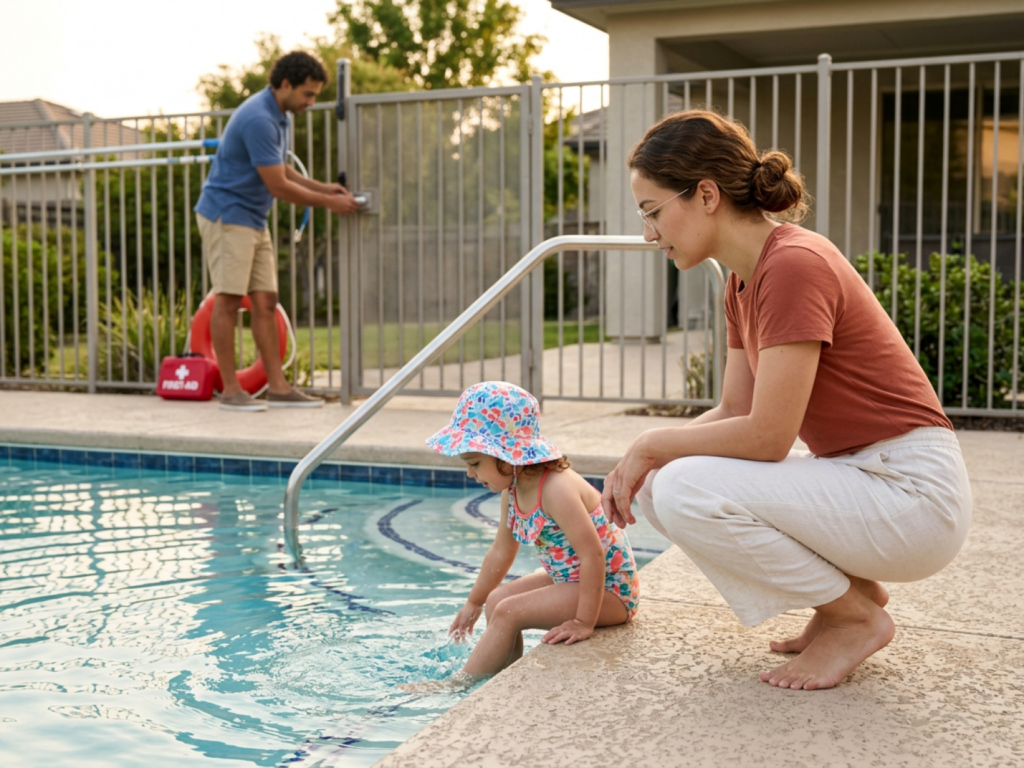
Water play can support movement, confidence, family connection, and enjoyment, but it also requires deliberate layers of protection. Drowning can happen quickly and quietly in pools, open water, bathtubs, buckets, and other containers. Many incidents occur not because a parent does not care, but because a familiar setting creates false reassurance or because supervision is interrupted for only a moment.
This guide focuses on common water safety mistakes parents make and practical ways to reduce risk. The goal is not to create fear or eliminate healthy water activities. It is to help families combine close supervision, physical barriers, appropriate equipment, age-appropriate skills, and emergency preparation.
Highlights
Swimming ability is helpful but does not make a child drown-proof; supervision and barriers remain essential.
A child can drown in very shallow water, including a bathtub, especially when an adult leaves briefly.
The safest supervision is active, close, and assigned to a specific adult rather than assumed to be a shared responsibility.
Water safety works best as a layered system: prevent unsupervised access, supervise continuously, teach skills, and prepare for emergencies.
Mistake 1: Treating swimming lessons as complete protection
Formal lessons can improve water competency, but they do not eliminate drowning risk. A child’s ability may vary with fatigue, illness, water temperature, clothing, currents, unfamiliar surroundings, or the distance to safety. Even a child who swims confidently in a supervised lesson may panic after an unexpected fall, become disoriented underwater, or lack the endurance to reach an exit.
The World Health Organization supports teaching basic swimming and water-safety skills, while also emphasizing childcare and environmental protection. This distinction matters: skills are one layer of prevention, not a substitute for an attentive adult or a secure barrier. Parents should consider whether the child can enter and exit safely, float, orient toward safety, call for help, and manage the specific conditions involved. These abilities should be judged realistically rather than inferred from age, confidence, or a few successful pool sessions.
Another common error is assuming that swim instruction transfers automatically to open water. Pools usually have clear boundaries and predictable conditions; lakes, rivers, and the sea may involve currents, sudden depth changes, cold shock, submerged hazards, and limited visibility. Children need setting-specific rules, and adults must continue supervising even when lessons are ongoing. Formal swimming and water-safety training should complement, not replace, direct supervision and environmental controls.
Mistake 2: Replacing active supervision with nearby presence
Being in the same general area is not the same as supervising. Active supervision means an adult is close enough to respond immediately, watching the child rather than relying on occasional glances. Reading, using a phone, preparing food, drinking alcohol, chatting, or becoming absorbed in another task can create a dangerous gap even when the adult is physically present.
Supervision is particularly important for infants, toddlers, and children who have limited swimming ability. For a young child in or near water, an adult may need to remain within arm’s reach. Older children may require more distance as skills develop, but they still need direct observation appropriate to their abilities and the environment. The responsible adult should also be sober, alert, and capable of entering the water or initiating an emergency response if necessary.
Families often use group supervision, assuming that another adult is watching. This can produce diffusion of responsibility: everyone believes someone else is paying attention. A safer approach is to name one supervising adult and transfer responsibility explicitly when that person needs a break. At gatherings, rotating supervision can work when the handoff is clear and the new supervisor is ready before the previous one disengages. Siblings should not be expected to provide primary supervision, regardless of how mature or capable they seem.
Mistake 3: Assuming shallow water and bath time are harmless
Depth is not a reliable measure of safety. A small child can lose the ability to keep the airway above water after slipping, becoming frightened, or changing position. Drowning may occur in a bathtub, paddling pool, toilet, bucket, or other small container. A 2006 parental survey identified unsafe caregiver beliefs and practices around bathing and water safety, including leaving young children unattended in the tub. The lesson is straightforward: a familiar household setting still requires active supervision.
For bath time drowning prevention, gather towels, soap, clothing, and other supplies before placing the child in the water. Stay close and keep the child within immediate reach. Do not rely on bath seats, rings, inflatable products, or a brief telephone call to maintain safety; these devices do not replace an adult. If you must leave, take the child with you, even if the water appears shallow or the interruption seems likely to last only seconds.
Empty containers immediately after use and store them so that children cannot access residual water. Close bathroom doors when practical, and consider how a newly mobile toddler might reach a toilet, pet bowl, garden container, or decorative water feature. The aim is not to make every household activity stressful. It is to recognize that children’s mobility and curiosity can change faster than adults anticipate.
Mistake 4: Failing to control access to pools and outdoor water
Supervision begins before a child reaches the water. A child who can leave the house or yard unnoticed may enter a pool, pond, canal, or other hazard before anyone realizes they are missing. The WHO recommends barriers and supervised childcare as important drowning-prevention measures, particularly for young children.
For a home pool, use a properly maintained barrier that separates the pool from the house and surrounding play areas. Gates should close and latch reliably, and access points should not be propped open. Inspect the area for objects a child could use to climb over a barrier, and do not assume that an alarm, cover, or camera is a complete safeguard. These devices may add protection, but they can fail, be misused, or provide warning without preventing entry.
When visiting another home, vacation property, campsite, or rental accommodation, assess the water hazards immediately rather than assuming the location is child-safe. Ask who supervises, identify the nearest exit and emergency equipment, and keep children away from unfenced water when no responsible adult is available. Inflatable pools and temporary water features also deserve attention; their smaller size does not remove the need for supervision and prompt emptying.
Mistake 5: Using flotation devices as if they were life-saving equipment
Water wings, inflatable toys, foam noodles, and pool floats can help with play or confidence, but they are not personal flotation devices and should not be treated as protection from drowning. Some can deflate, slip off, or position a child face-down. Their presence may also encourage an adult to watch less closely.
For boating, sailing, paddling, or other activities where a child could unexpectedly enter deep or moving water, use a properly fitted life jacket appropriate for the child’s size and the activity. Follow local boating and safety requirements, and check that the device is in good condition and fastened correctly. A life jacket supports buoyancy; it does not guarantee that a child will remain face-up, avoid cold stress, or reach help.
Parents should also avoid using a child’s life jacket as a reason to permit risky behavior near shorelines, docks, or currents. Establish physical boundaries, explain that a jacket is not permission to enter water independently, and continue close supervision. Equipment is most useful when integrated into a broader prevention plan rather than used as reassurance.
Mistake 6: Neglecting preparation for an unexpected submersion
Many families plan the enjoyable parts of water activity but do not rehearse what they would do in an emergency. Before swimming or boating, identify the location, keep a phone accessible without becoming distracted by it, and know how to summon local emergency services. Adults who regularly supervise children around water should consider training in pediatric CPR and first aid through a recognized provider.
If a child is missing, check water first while another adult calls emergency services when possible. A submersion event requires urgent medical assessment even if the child appears to recover quickly, because respiratory complications can develop after inhalation of water. Do not wait for symptoms to become severe, and do not rely on internet advice in place of professional evaluation.
After an incident, caregivers may experience guilt, fear, or intense self-criticism. These reactions are understandable, but blame does not improve the child’s care or future prevention. Seek medical guidance for the child and support for the family when needed. Review what happened calmly once the immediate emergency has passed, then strengthen the specific layers that failed, such as access control, supervision handoff, equipment, or emergency readiness.
A practical layered plan for everyday water safety
No single rule can account for every child, setting, or activity. A layered plan reduces the chance that one missed moment becomes an emergency. The following checklist can help parents prepare without turning water activities into a source of constant anxiety:
- Prevent unsupervised access with secure barriers, closed doors, and immediate removal of water from containers.
- Assign one alert adult to supervise continuously, with a clear handoff whenever responsibility changes.
- Stay close enough to respond rapidly, especially with infants, toddlers, and children who cannot swim reliably.
- Use a properly fitted life jacket for activities and locations where unexpected entry into deep or moving water is possible.
- Teach age-appropriate water safety skills and revisit them as the child grows or the environment changes.
- Keep emergency communication accessible and maintain current pediatric CPR and first-aid knowledge.
Parents do not need perfect vigilance every minute of family life. They do need consistent systems that reduce dependence on memory, confidence, or luck. Discuss the plan with grandparents, babysitters, older siblings, and other caregivers so that expectations remain consistent. Reviewing the plan at the start of each season, holiday, or new childcare arrangement can identify hazards before they become urgent.
Urgent water-safety warnings
- Never leave an infant or young child alone in a bathtub or near any water, even briefly.
- Do not assume swimming skills, flotation toys, or a life jacket make unsupervised water access safe.
- If a child is missing, check nearby water immediately while contacting emergency services.
- After a submersion event, seek urgent medical assessment even if the child initially seems well.
- Do not rely on siblings or another unconfirmed adult to supervise.
Tools & Assistance
- Enroll children in age-appropriate swimming and water-safety instruction.
- Take a pediatric CPR and first-aid course from a recognized training organization.
- Inspect pool fencing, gates, latches, alarms, covers, and life jackets before use.
- Create a written caregiver handoff plan for bathing, pool visits, boating, and holidays.
- Ask a pediatrician or local emergency service about age-specific water-safety guidance.
FAQ
Can a child who knows how to swim be left alone in a pool?
No. Swimming skills reduce some risks but do not eliminate fatigue, panic, injury, illness, or unexpected submersion. Children still need supervision appropriate to their age, ability, and the setting.
How close should an adult be during a toddler’s bath?
A toddler should remain within immediate reach of an attentive adult throughout the bath. If the adult must leave, the child should be taken out of the water and brought along.
Are inflatable arm bands a substitute for a life jacket?
No. Inflatable toys and arm bands are not reliable personal flotation devices. For boating or activities around deep or moving water, use a properly fitted life jacket and continue active supervision.
What should caregivers do if a child disappears near water?
Treat it as an emergency. Check nearby water immediately, call local emergency services, and provide first aid or CPR if trained and needed while awaiting professional help.
Sources
- PubMed / World Health Organization — Guideline on the prevention of drowning through provision of day-care, and basic swimming and water safety skills
- World Health Organization — Drowning
- PubMed — Parental survey of beliefs and practices about bathing and water safety and their children: guidance for drowning prevention
Disclaimer
This article provides general educational information and is not a substitute for medical assessment, emergency services, or advice from a qualified healthcare professional. Seek urgent professional help after any submersion event or breathing difficulty.















Please log in to leave a comment.