
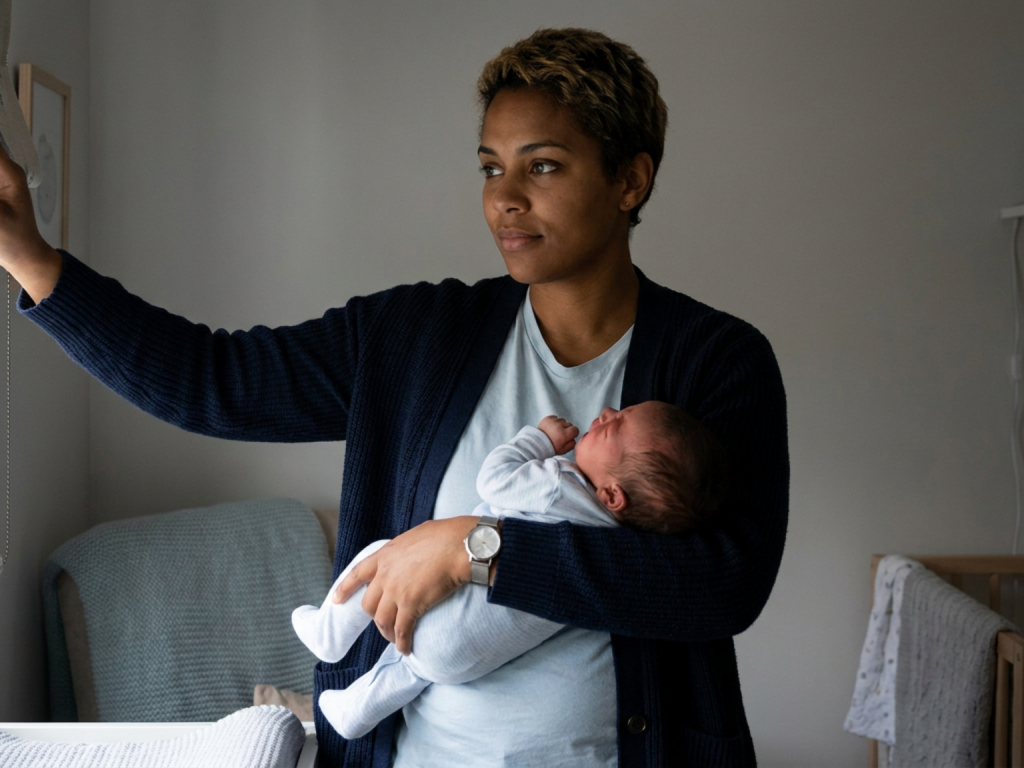
Intro
Babies are constantly learning from sound, light, touch, movement, faces, voices, feeding, and changes in routine. Because an infant’s nervous system is still developing, there are moments when the amount or intensity of sensory input becomes more than the baby can organize. This is often described as overstimulation or sensory overload.
Overstimulation is not a diagnosis, and it does not mean you have done anything wrong. It is a common caregiving challenge, especially around visitors, travel, busy outings, disrupted naps, or long stretches of handling. Learning the signs baby is overstimulated can help you respond earlier, reduce stress for both of you, and know when symptoms may need medical advice rather than simple soothing.
Highlights
An overstimulated baby may look away, arch, stiffen, clench fists, fuss, cry, or become unusually hard to soothe.
Common triggers include noise, bright light, too much handling, missed sleep, screens, crowded environments, and abrupt routine changes.
The most helpful first step is usually to reduce sensory input: dim the lights, lower noise, pause visitors, and move to a calm space.
Persistent inconsolable crying in babies, breathing changes, fever, poor feeding, lethargy, or signs of pain should prompt medical guidance.
What overstimulation means in a baby
Overstimulation happens when a baby receives more sensory, social, or physical input than their immature nervous system can comfortably regulate. Adults can usually filter background noise, ignore bright light, and choose when to leave a busy room. Babies have a more limited capacity for this kind of sensory gating, so ordinary experiences can become intense.
Input may include sound, light, touch, movement, smell, visual patterns, feeding demands, being passed between people, or too much face-to-face interaction. The baby may initially seem alert and engaged, then suddenly become unsettled as fatigue and sensory load accumulate.
It can be helpful to think of overstimulation as a regulation problem rather than a behavior problem. Your baby is not being difficult or manipulative. Their cues are communication: they are showing that their nervous system needs less input, more predictability, or a break from interaction.
Early signs baby is overstimulated
Early cues are often subtle. Noticing them before crying escalates can make soothing easier. A baby may turn their head away from a face, toy, light, or sound. They may avoid eye contact, stare into the distance, yawn, hiccup, sneeze repeatedly, or show a worried expression. Some babies become unusually still; others become more active and disorganized.
Common early signs include:
- Looking away or closing the eyes during play or conversation.
- Frowning, grimacing, or showing a tense facial expression.
- Fussing after a period of stimulation, even if recently fed and changed.
- Clenched fists, splayed fingers, stiff limbs, or jerky movements.
- Pulling away from touch, arching the back, or resisting being held in a certain way.
- Becoming clingy or needing more body contact after a busy environment.
These cues do not prove overstimulation by themselves. Hunger, reflux, gas, a wet diaper, temperature discomfort, or illness can look similar. The pattern matters: symptoms that start after noise, visitors, errands, screens, or missed sleep are more suggestive of sensory overload.
Crying, body tension, and hard-to-soothe behavior
When early cues are missed or the sensory load continues, a baby may move into more intense distress. Overstimulation crying can sound sharp, frantic, or difficult to settle. Some babies cry while turning away from the very comfort being offered, because extra rocking, talking, bouncing, or changing positions may add more input.
Motor signs may include clenched fists, tremulous or jerky arm and leg movements, stiffening, arching, flailing, or frantic rooting that does not lead to an organized feed. The baby may seem tired but unable to sleep, hungry but unable to latch calmly, or soothed briefly before crying restarts. This pattern can be especially confusing for caregivers, because the baby appears to need comfort while also becoming more distressed by stimulation.
In older infants, overstimulation may look like irritability, clinginess, clumsiness, tantrum-like crying, or refusal to engage with toys and people. A baby who was happily social at the start of a gathering may suddenly become overwhelmed near the end, particularly if naps, feeds, and quiet breaks were delayed.
Common triggers and why routines matter
Overstimulation is more likely when several stressors stack together. A baby may tolerate a short visit, a noisy restaurant, or a late nap on one day, but struggle when all of these happen together. Sleep debt is a major amplifier because tired babies have less neurologic reserve for processing stimulation.
Frequent triggers include:
- Bright lights, loud television, music, appliances, traffic, or multiple people talking.
- Being passed from person to person, especially when the baby is tired.
- Long errands, crowded events, travel, or unfamiliar environments.
- Too much active play without pauses for quiet observation.
- Interrupted naps, late bedtime, or a sudden infant sleep routine mismatch.
- Screen exposure in the room, even when the baby is not deliberately watching.
Routine does not need to be rigid. However, many babies regulate best when feeding, sleep, play, and quiet time have a predictable rhythm. If a baby repeatedly melts down at the same point in the day, it may help to look for a pattern: too long awake, too much stimulation before a nap, feeding delayed by activity, or not enough quiet recovery time after visitors.
How to respond in the moment
The goal is not to stop all stimulation, but to lower the sensory demand enough for the baby’s nervous system to reorganize. Start by changing the environment before adding more soothing techniques. Move to a low-stimulation settling space, dim lights, reduce voices, turn off screens, and limit handling to one calm caregiver if possible.
Then use simple, consistent support:
- Hold the baby close in a stable position, or place them on their back in a safe sleep space if they are drowsy.
- Use a calm voice or silence rather than repeated talking, singing, and repositioning.
- Offer feeding if hunger cues are present, but pause if the baby becomes more disorganized.
- Try gentle rocking, rhythmic patting, or white noise at a safe volume if these usually help your baby.
- Reduce visual input by turning the baby slightly away from bright rooms or busy faces.
- Give quiet breaks after busy environments instead of moving immediately into more play.
Safe calming techniques for babies should always be gentle. Never shake a baby. If you feel overwhelmed, place the baby on their back in a safe sleep space and step away briefly while you call another adult, a healthcare professional, or a local support line.
Overstimulation versus illness or pain
Because babies have a limited range of communication, overstimulation can overlap with signs of illness, digestive discomfort, allergy, infection, injury, or feeding difficulty. A baby with gas-like discomfort in babies may draw the knees up, squirm, or cry after feeds. A baby with fever or infection may be unusually sleepy, irritable, feeding poorly, or difficult to console. Allergic reactions can involve hives, swelling, vomiting, wheeze, or breathing difficulty after allergen exposure.
Context helps, but it is not a substitute for clinical assessment. If the baby settles quickly after a quieter environment and then returns to normal feeding, alertness, and behavior, overstimulation is more plausible. If distress persists, worsens, or is accompanied by concerning physical signs, seek medical advice.
Caregivers sometimes worry that calling a clinician is an overreaction. It is not. Pediatric teams expect parents to ask about unexplained crying, feeding changes, breathing concerns, fever, or unusual behavior. A healthcare professional can help distinguish normal infant dysregulation from conditions that need examination or treatment.
Prevention: building calmer days without isolating your baby
Preventing overstimulation does not mean avoiding normal life. Babies benefit from loving interaction, movement, daylight, voices, and age-appropriate play. The protective factor is pacing. Alternate active periods with quiet ones, especially for newborns, premature babies, babies recovering from illness, and infants with a sensitive temperament.
Before social events, plan feeding and naps as much as possible. During visits, give the baby breaks in a quieter room and limit passing the baby around if they begin turning away, stiffening, or fussing. After errands or crowded places, offer quiet time before expecting the baby to feed, sleep, or play well.
It can also help to keep a brief baby sleep and feeding log if overstimulation seems frequent. Note wake windows, nap length, feeds, visitors, outings, crying episodes, and what helped. Patterns often become clearer after several days, and this information can be useful if you discuss persistent crying or settling problems with your pediatrician.
Seek medical help urgently if
- Your baby has breathing difficulty, blue or gray color, limpness, seizure-like activity, or reduced responsiveness.
- A baby under 3 months has a rectal temperature of 100.4°F or 38°C or higher, or any fever with concerning behavior.
- Crying is persistent, inconsolable, high-pitched, or very different from your baby’s usual cry.
- There is poor feeding, repeated vomiting, signs of dehydration, blood in stool, or fewer wet diapers than usual.
- There are hives, facial swelling, wheezing, or vomiting after a possible allergen exposure.
- You feel at risk of losing control, shaking the baby, or being unable to keep the baby safe.
Tools & Assistance
- Create a low-stimulation settling space with dim light, reduced noise, and minimal handling.
- Track sleep, feeding, crying patterns, visitors, outings, and soothing responses for several days.
- Use one calm caregiver at a time during intense crying when possible.
- Contact your pediatrician, nurse advice line, lactation consultant, or urgent care service for persistent concerns.
- Use emergency services immediately for breathing problems, limpness, seizure-like activity, or severe allergic symptoms.
FAQ
Can newborns become overstimulated easily?
Yes. Newborns have immature sensory regulation and short wake windows, so lights, noise, handling, visitors, and missed sleep can overwhelm them quickly.
Is overstimulation the same as being overtired?
They are closely related but not identical. Overtiredness is sleep pressure beyond what the baby can manage, while overstimulation is excessive sensory or social input. They often occur together.
Should I stop all visitors if my baby gets overstimulated?
Not necessarily. Shorter visits, fewer people holding the baby, quieter rooms, and planned nap breaks may be enough. If your baby repeatedly becomes distressed, adjust the pace.
Can white noise help an overstimulated baby?
Some babies settle with steady low-volume white noise because it masks unpredictable sounds. Keep the volume safe, place the device away from the baby, and stop if it seems to increase distress.
When should I call a doctor about overstimulation-like crying?
Call if crying is persistent, inconsolable, unusual, associated with fever, poor feeding, lethargy, vomiting, breathing changes, dehydration signs, or if your caregiver instinct says something is wrong.
Sources
- Raising Children Network — Overstimulation: babies and children
- Texas Health Resources — Signs Your Baby Is Overstimulated
- Healthline — 11 Signs of an Overstimulated Baby and How to Soothe Them
Disclaimer
This article is for general educational purposes only and does not diagnose, treat, or replace medical care. Contact a qualified healthcare professional for concerns about your baby’s crying, feeding, breathing, fever, or behavior.














Please log in to leave a comment.