

Intro
A crying baby can activate every protective instinct you have. It can also be physically exhausting, especially when you are sleep-deprived, recovering from birth, or worried that you are missing something. Crying is a normal communication signal in infancy, but that does not make it easy to hear. Safe calming is about responding with warmth, checking for common causes, and using soothing techniques that protect your baby’s airway, temperature regulation, and developing nervous system.
This article explains practical ways to calm a baby safely, when to pause and take care of yourself, and when to seek medical advice. It does not assume every cry has an obvious answer. Sometimes babies need repeated, gentle support while they gradually build a self-soothing skill within a safe, responsive relationship.
Highlights
Start with the basics: hunger, diaper, temperature, positioning, burping, and signs of illness or pain.
Use one soothing strategy for about five minutes before switching, unless your baby seems distressed or unsafe.
Never shake a baby. If you feel overwhelmed, place the baby on their back in a safe sleep space and step away briefly.
If your baby falls asleep in a swing, carrier, car seat outside travel, or adult bed, move them to a firm, flat infant sleep surface as soon as practical.
Trust your concern. Call a healthcare professional if the cry is unusual, persistent, associated with fever, poor feeding, breathing difficulty, or you feel something is wrong.
First, check whether your baby needs something specific
Before trying a series of calming techniques, do a quick safety and comfort check. Babies cry because they are hungry, tired, overstimulated, under-stimulated, gassy, wet, too hot, too cold, or simply needing contact. They may also cry because of discomfort from tight clothing, a hair tourniquet around a toe or finger, reflux-like symptoms, constipation, or illness. You are not expected to diagnose the cause at home, but a structured check can prevent you from missing a simple need.
- Offer a feed if your baby shows feeding cues such as rooting, sucking motions, hand-to-mouth movements, or escalating fussiness.
- Check the diaper and look for skin irritation.
- Feel the chest or back of the neck to assess temperature; hands and feet can be cool even when the core is comfortable.
- Burp the baby if they have recently fed or seem tense, arching, or gassy.
- Look for anything constricting the skin, including tight socks, mittens, or a strand of hair around a digit.
- Notice whether the cry is different from usual, unusually weak, high-pitched, continuous, or paired with lethargy or breathing changes.
If your baby is very young, born prematurely, medically complex, or has feeding or breathing concerns, use a lower threshold for calling a clinician. A medically literate parent may recognize patterns, but professional assessment is still important when symptoms are concerning or evolving.
Use calm, responsive soothing in small steps
Once basic needs are addressed, choose one soothing strategy and give it time. Switching every few seconds can add stimulation. A practical approach is to try a method for about five minutes, while observing your baby’s cues, before moving to another. If something clearly increases distress, stop sooner.
Begin with your presence. Bring your face close enough for gentle eye contact, speak softly, and use slow movements. Many babies regulate best through co-regulation: your calm breathing, steady voice, and predictable touch help their immature nervous system settle. You might place a warm hand on the chest or abdomen while the baby lies safely on their back, or hold them upright against your chest with careful newborn head and neck support.
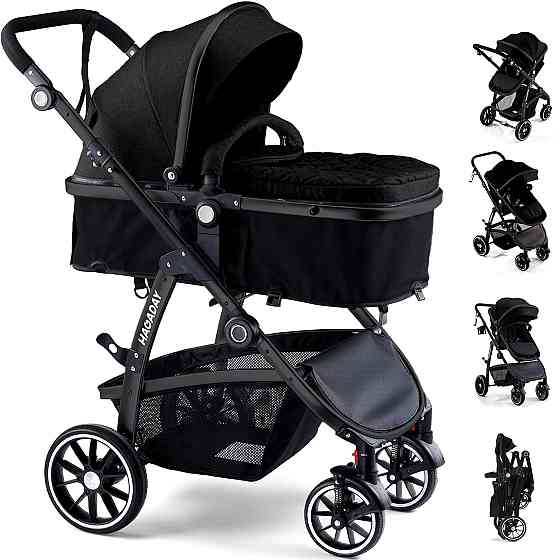
Gentle motion can help. Try slow rocking, swaying, walking, or rhythmic bouncing while seated, avoiding abrupt movements. The goal is vestibular input that is repetitive and smooth, not vigorous. If you use a pram or stroller indoors or outdoors, keep the baby properly positioned and supervised. If you become tired, sit down before continuing, because caregiver fatigue increases the risk of accidental falls.
Feeding, sucking, and comfort contact
Feeding can be soothing when the baby is hungry, cluster feeding, or seeking comfort. Breastfeeding, bottle-feeding, or offering expressed milk or formula should follow your baby’s feeding plan and any guidance you have received from your healthcare team. If feeding is consistently difficult, painful, associated with coughing or color change, or followed by significant distress, ask for clinical support rather than assuming you must manage it alone.
Non-nutritive sucking can also calm some babies. A pacifier may help when the baby wants to suck but is not hungry or after feeding is complete. Use an age-appropriate pacifier in good condition, and do not tie it around the neck or attach it to anything that could create a strangulation or suffocation risk during sleep. If breastfeeding is still being established, families may want individualized advice about pacifier timing.
Skin-to-skin or close holding can be powerful, especially for newborns, but it must be done safely. The adult should be awake, seated or positioned securely, and attentive to the baby’s airway. Keep the nose and mouth visible and unobstructed. If you feel drowsy while holding the baby, move them to a safe sleep space before you fall asleep.
Swaddling, positioning, and safe sleep
Swaddling can reduce the startle reflex and help some newborns feel contained, but swaddling safety for newborns matters. The wrap should be snug around the chest but not tight, allow hip flexion and movement, and never cover the face or head. Avoid overheating during infant sleep by using light layers and checking the baby’s core temperature. Stop swaddling when your baby shows first signs of rolling or as advised by your clinician.
Positioning is equally important. For sleep, babies should be placed on their back on a firm, flat infant sleep surface. A calm baby who dozes off in your arms, a swing, bouncer, sofa, or car seat used outside travel should be moved to a safe sleep space as soon as practical. Soft surfaces, pillows, loose blankets, and adult beds increase the risk of suffocation and are not safe substitutes for a crib, bassinet, or approved sleep surface.
If your baby is awake and supervised, holding positions may vary. An upright shoulder hold can help after feeds, while a cradle hold may be comforting. Always maintain airway alignment and support the head and neck, especially in newborns. Avoid any position that presses the chin toward the chest or buries the face into fabric or an adult’s body.
Reduce stimulation without isolating your baby
Some babies cry because the world feels too bright, loud, or busy. Reducing sensory input can help. Dim the lights, lower voices, turn off the television, and move to a quieter room. Gentle background noise, humming, soft singing, or calm music may provide a steady auditory pattern. Some babies settle with a fan-like or womb-like sound, but the volume should be low and the device should be placed away from the crib or bassinet.
A warm bath can calm some babies, especially as part of a safe newborn bathing routine, but it is not the right choice if you are too tired, rushed, or emotionally flooded. Bathing requires constant hands-on supervision and careful water temperature control. If a bath feels like too much, try a warm hand on the abdomen, a gentle back stroke while holding the baby upright, or quiet rocking instead.
It is reasonable to repeat a calming sequence: check needs, hold close, use soft sound, rock gently, offer sucking or feeding if appropriate, then pause and observe. Babies do not always stop crying immediately, and crying that gradually decreases in intensity may still be a sign that your support is helping.
When crying overwhelms you: protect the baby and yourself
Intense crying can push loving caregivers to the edge. This is a safety issue, not a character flaw. The most important rule is never to shake, throw, hit, or roughly handle a baby. Shaking can cause catastrophic brain injury, retinal hemorrhage, spinal injury, or death. Even a few seconds can be dangerous.
If you feel anger, panic, or loss of control rising, place your baby on their back in a safe sleep space such as a crib or bassinet, make sure there are no loose objects, and step away for a few minutes. Close the door if needed to reduce the sound, breathe slowly, drink water, call another adult, or contact a support line. It is safer for a baby to cry briefly in a protected sleep space than to be held by an overwhelmed caregiver.
If there is another trusted adult available, trade off before you are depleted. If you are alone often, plan in advance: identify a neighbor, relative, friend, postpartum doula, nurse line, or clinician you can contact. Persistent crying can also affect parental mental health. If you are having intrusive thoughts of harming yourself or the baby, seek urgent help immediately.
When to call a healthcare professional
Most crying is not dangerous, but some patterns need medical input. Contact a healthcare professional promptly if your baby is younger than three months and has a fever, has trouble breathing, has blue or gray color around the lips, is unusually sleepy or difficult to wake, refuses feeds, has signs of dehydration such as very few wet diapers, has forceful or green vomiting, blood in stool, a bulging fontanelle, a seizure, or a cry that is very unusual for them.
You should also call if crying is persistent and cannot be soothed, if your baby seems in pain, if there has been a fall or injury, or if your caregiver instinct says something is wrong. You do not need to prove that the problem is serious before asking for advice. Clinicians can help assess feeding, weight gain, reflux-like symptoms, allergies, infection, constipation, and other possible contributors without placing the full burden on you to decide what is medical and what is normal.
Safety warnings
- Never shake a baby, even briefly, and do not allow anyone else to handle your baby roughly.
- If you feel out of control, place the baby on their back in a safe sleep space and step away for a few minutes.
- Do not let a baby sleep on a sofa, pillow, adult bed, swing, or bouncer; move them to a firm, flat infant sleep surface.
- Call a clinician urgently for fever in a young infant, breathing difficulty, poor feeding, dehydration, unusual lethargy, injury, or a cry that feels abnormal.
- Avoid overheating, face covering, or tight swaddling, and stop swaddling at the first signs of rolling.
Tools & Assistance
- Create a five-minute soothing rotation: check needs, hold close, gentle motion, soft sound, sucking or feeding if appropriate.
- Keep a safe sleep space ready in the room where you usually soothe your baby.
- Save your pediatric clinic number, after-hours nurse line, and local urgent care contact in your phone.
- Arrange caregiver handoffs during high-crying periods when possible.
- Use a simple crying and feeding log if patterns are hard to interpret.
FAQ
Is it okay to let my baby cry for a few minutes if I need a break?
Yes, if the baby is placed on their back in a safe sleep space and you step away briefly to calm yourself. This is much safer than continuing to hold the baby while overwhelmed.
How long should I try one calming method?
A practical approach is to try one safe method for about five minutes before switching, while watching your baby’s cues. Stop sooner if the method increases distress or creates any safety concern.
Can I use a pacifier to calm my baby?
Many babies find sucking soothing. Use an age-appropriate pacifier in good condition, never tied around the neck, and ask your clinician for individualized advice if feeding is not yet established.
What if nothing works?
Recheck basic needs, reduce stimulation, and ask another caregiver to take over if possible. Call a healthcare professional if the crying is persistent, unusual, associated with symptoms, or you feel concerned.
Is swaddling safe for calming?
Swaddling can help some newborns when done correctly: back only for sleep, face uncovered, hips able to move, no overheating, and discontinued at the first signs of rolling.
Sources
- HealthyChildren.org, American Academy of Pediatrics — Self-Soothing: Help Your Baby Learn This Life Skill
- Nationwide Children's Hospital — Calming a Fussy Baby
- NHS — Soothing a crying baby
Disclaimer
This article is for general educational information and is not a diagnosis or treatment plan. Contact your baby’s healthcare professional for personalized advice, urgent symptoms, or any concern that something is wrong.

















Please log in to leave a comment.