
Intro
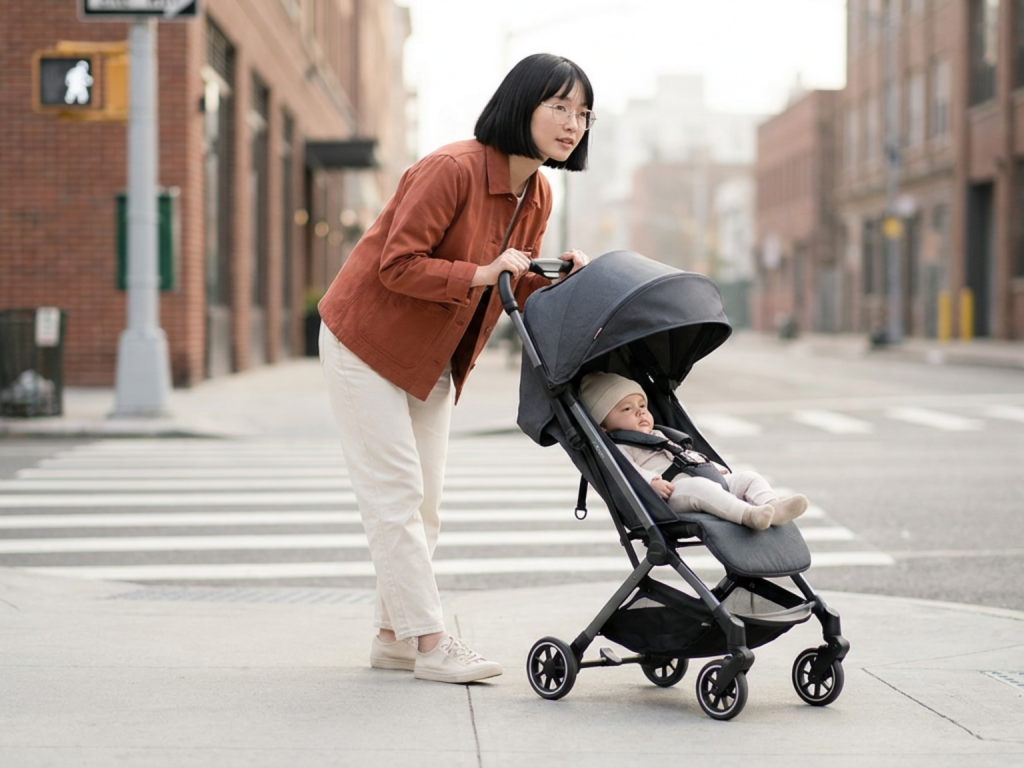
Choosing a lightweight stroller can feel surprisingly high-stakes when you are balancing a baby’s comfort, your own recovery or back health, public transport, stairs, storage space, and a budget. A good lightweight stroller should make daily life easier without compromising infant safety, positioning, or caregiver confidence.
This guide explains what “lightweight” really means, which features matter medically and practically, and how to think through age, airway safety, terrain, and travel. It is written for caregivers who want clear, evidence-informed criteria rather than marketing language.
Highlights
A lightweight stroller is usually valued for low carry weight, compact folding, and easy maneuverability, but those benefits should not come at the expense of safe positioning or braking stability.
Newborns and young infants need special attention because immature head and neck control can affect airway position, especially in semi-reclined products.
Independent testing resources can help compare stroller weight, folded dimensions, steering, braking, and real-world usability.
The best choice depends on your baby’s age, medical needs, living environment, transportation habits, and the caregiver’s physical limitations.
What makes a stroller truly lightweight
A lightweight stroller is not defined by one universal medical or regulatory cutoff. In consumer use, the term usually describes a stroller that is easier to lift, fold, store, and maneuver than a full-size model. Many travel and umbrella-style strollers are designed to weigh less, collapse smaller, and fit more easily into car trunks, apartment closets, buses, trains, or airplane gate-check routines.
Weight alone, however, can be misleading. A stroller that is very light but difficult to fold one-handed may be frustrating for a caregiver holding a baby. A compact stroller with poor steering can feel heavier during long walks because it requires more force through the wrists, shoulders, and lumbar spine. Independent stroller testing often compares measurable features such as actual product weight, folded dimensions, ease of use, maneuverability, braking, and quality of construction. These criteria are more useful than relying only on words such as “ultralight” or “travel-ready.”
For many families, the best lightweight stroller is one that balances portability with stable handling. Consider your most common use case. If you live in a walk-up apartment, carry weight and shoulder strap design may matter most. If you use public transportation, a quick fold and narrow profile may be more important. If you walk on cracked sidewalks, small wheels may be uncomfortable even if the frame is feather-light.
Age, development, and medical positioning needs
Babies are not just small passengers; their musculoskeletal and respiratory physiology changes rapidly in the first year. Newborns have limited head control, relatively large heads compared with body size, and more flexible upper airways. If the head falls forward into a chin-to-chest position, airflow can be partially obstructed. This is why newborn stroller positioning deserves careful attention, particularly in strollers that do not recline fully or do not provide adequate head and trunk support.
For a newborn or premature infant, check whether the stroller is explicitly suitable from birth. Some lightweight models are designed only for babies who can sit with better head and trunk control. Others can be used from birth only with a bassinet attachment, fully reclined seat, or compatible infant car seat. If your baby was born preterm, has hypotonia, craniofacial differences, reflux with respiratory symptoms, congenital heart disease, or a history of apnea, ask the pediatrician or neonatal follow-up team before using a semi-reclined stroller system for long periods.
Older babies who can sit more independently may tolerate lightweight stroller seats well, but they still need a secure harness and appropriate recline for naps. A five-point harness helps restrain the shoulders, hips, and pelvis, reducing the risk of sliding, climbing, or leaning out. The harness should be snug enough that the baby cannot slump deeply or escape, but not so tight that it compresses the abdomen or restricts comfortable breathing.
Safety features that should not be sacrificed
Portability is helpful only if the stroller remains safe during ordinary use. Lightweight frames can be easier to tip if heavy bags are hung from the handlebar or if the stroller has a narrow wheelbase. Stroller tip-over prevention starts with using the storage basket as intended, keeping the baby harnessed, and avoiding handlebar overload. A safe stroller storage basket should hold essentials low and centered, within the manufacturer’s stated weight limit.
Key safety features to look for include:
- A reliable parking brake that is easy to engage and disengage while wearing typical shoes.
- A five-point stroller harness that is adjustable at the shoulders and hips.
- A stable frame that does not feel wobbly when turning or rolling over small surface changes.
- A recline system appropriate for your baby’s age and motor development.
- A canopy that provides shade without blocking your view of the baby’s face and airway.
- Clear manufacturer labeling for weight limits, age recommendations, and compatible accessories.
If you are using a second-hand stroller, inspect the frame, hinges, wheels, brakes, harness webbing, buckle, and recall status before placing your baby in it. Do not use a stroller with broken locking mechanisms, missing restraint parts, or unclear model information. For broader guidance, Stroller safety tips for babies and How to use stroller safely are useful topics to review alongside product selection.
Comfort, sleep, and airway awareness
A lightweight stroller may be used for errands, travel, and short naps on the go, but it should not replace a dedicated safe sleep space. Supervised stroller sleep can happen during a walk, yet caregivers should continue checking the baby’s face, color, breathing comfort, and head position. The safest routine sleep environment remains a firm, flat infant sleep surface designed for sleep, used according to pediatric safe sleep guidance.
Comfort features can make a lightweight stroller more usable without making it bulky. Look for a seat with supportive fabric that does not sag excessively, a recline range that matches the baby’s developmental stage, and a footrest that helps prevent awkward leg dangling in older infants. Ventilation matters in warm weather because babies have immature thermoregulation and can overheat more easily than adults. A canopy with breathable panels may help, but avoid draping blankets over the stroller, as this can trap heat and reduce airflow.
Pay attention to your baby’s cues. Persistent crying, chin-to-chest slumping, noisy breathing, color change, sweating, or unusual lethargy should prompt you to stop, remove the baby from the stroller if needed, and seek medical advice when concerning. These signs do not automatically mean the stroller caused a medical problem, but they do mean the baby’s positioning or environment needs immediate reassessment.
Everyday use: city streets, travel, and storage
Lightweight strollers are especially appealing in cities, small homes, and frequent travel. For urban sidewalks, wheel quality and suspension can be more important than a tiny folded size. Very small wheels may struggle with curbs, cobblestones, gravel, or uneven pavement. If you regularly navigate elevators, buses, narrow shop aisles, or daycare drop-off areas, measure the stroller’s width and folded footprint rather than relying on photos.
For air travel, families often prefer a stroller that folds quickly and can be carried through security or gate-checked. Some models fit in overhead bins, but airline policies vary, and dimensions matter. A travel stroller should be easy to fold while you are managing a diaper bag and possibly a tired infant. A carry strap or travel bag can reduce strain, but test the fold-and-carry sequence before your trip if possible.
Storage should be practical but not excessive. Large baskets are convenient, yet heavy loads can affect balance. Cup holders, organizers, and handlebar bags may seem harmless, but added weight above and behind the rear axle can increase tipping risk. If you need to carry groceries or medical equipment, choose a stroller with a stable lower basket and verify the stated load limits.
Caregiver ergonomics and physical recovery
A stroller is also a tool for the adult body. Postpartum caregivers, grandparents, and anyone with wrist, shoulder, pelvic floor, abdominal, or back symptoms should consider ergonomics before choosing the lightest possible frame. A stroller with handles that are too low can promote lumbar flexion and shoulder elevation. One with poor steering can increase repetitive strain through the wrists and forearms.
During postpartum recovery, lifting a folded stroller into a trunk or carrying it up stairs may be uncomfortable after cesarean birth, perineal injury, pelvic girdle pain, or diastasis recti. These conditions vary widely, so individualized advice from an obstetric clinician, pelvic health physical therapist, or primary care professional may be helpful. Do not assume that “lightweight” automatically means safe for every recovery stage; awkward lifting mechanics can still provoke pain.
When testing a stroller, push it with one hand and two hands, turn it in a tight circle, engage the brake, fold it, lift it, and place it where you would store it. If possible, test with weight in the seat rather than an empty display model. The stroller should support your daily routines, not require repeated compensations that make outings more painful.
How to compare models without getting overwhelmed
Marketing language can make stroller shopping feel like a medical device evaluation, travel gear comparison, and lifestyle decision all at once. A simple decision framework can help. First, identify your baby’s age and positioning needs. Second, list the environments where the stroller will be used most often. Third, decide which constraints are non-negotiable: weight, fold size, newborn suitability, price, terrain handling, or compatibility with an infant car seat.
Independent reviews and lab-style comparisons can be valuable because they test features that are difficult to judge online, including maneuverability, fold effort, brake function, and usability. Consumer-oriented sources may also help identify models that work well for city living or travel, but families should still verify manufacturer specifications and safety instructions.
A reasonable short list might compare actual stroller weight, maximum child weight, minimum age recommendation, recline angle, folded dimensions, wheel size, brake type, harness adjustability, canopy coverage, basket limit, and warranty. If you are choosing for a baby with medical complexity or developmental delay, prioritize positioning and clinician input over convenience features. The most expensive lightweight stroller is not necessarily the safest or most comfortable one for your child.
Safety cautions
- Do not use a stroller seat for a newborn unless the manufacturer states it is suitable for that age and positioning need.
- Seek medical guidance for premature infants or babies with breathing, tone, cardiac, neurologic, or feeding-related concerns.
- Never leave a baby unattended in a stroller, including during naps.
- Avoid hanging heavy bags from the handlebar because this can increase tip-over risk.
- Stop using a stroller with broken brakes, damaged hinges, missing harness parts, or uncertain recall status.
Tools & Assistance
- Measure your car trunk, hallway, elevator, or storage space before shopping.
- Test the fold, brake, steering, and lifting motion in person when possible.
- Check manufacturer age, weight, recline, and accessory compatibility instructions.
- Ask your pediatrician or neonatal follow-up team about stroller positioning if your baby has medical complexity.
- Review recall information and inspect second-hand strollers carefully.
FAQ
Can a newborn use a lightweight stroller?
Only if the stroller is designed for newborn use, such as with a fully reclined seat, bassinet, or approved infant car seat attachment. If your baby was premature or has medical concerns, ask a healthcare professional first.
Is the lightest stroller always the best choice?
No. Very low weight can be helpful, but stability, braking, harness quality, recline, steering, and your baby’s positioning needs are just as important.
Can my baby nap in a lightweight stroller?
Short, supervised naps may occur during outings, but a stroller should not replace a firm, flat infant sleep surface for routine sleep. Monitor airway position and temperature.
What matters most for travel?
Prioritize compact folded dimensions, quick folding, manageable carry weight, durable wheels, and clear airline or transport compatibility. Test the fold before the trip.
Are second-hand lightweight strollers safe?
They can be, but only if the model has not been recalled and the frame, brakes, harness, wheels, and locking mechanisms are intact and used according to the manual.
Sources
- Consumer Reports — Best Lightweight Strollers of 2026
- BabyGearLab — Best Travel Strollers | Tested & Ranked
- Babesta — Best Lightweight Strollers For The City 2025
Disclaimer
This article is for informational purposes only and does not replace medical advice. Consult your pediatrician or another qualified healthcare professional for guidance specific to your baby.














Please log in to leave a comment.