
Intro
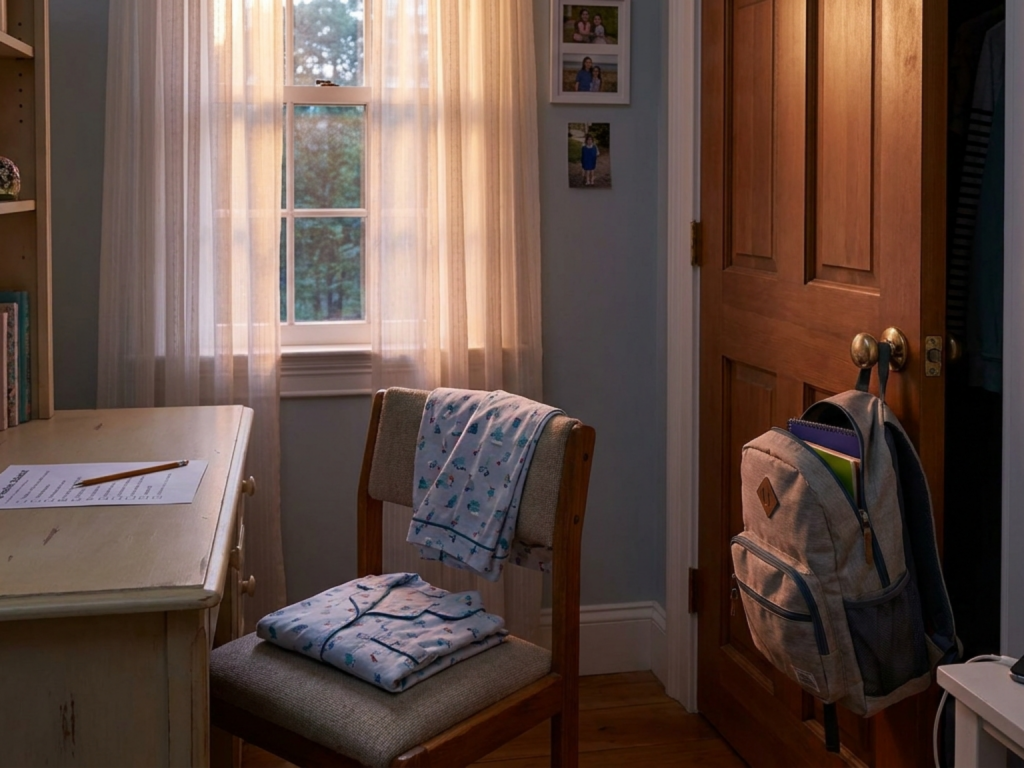
Preteen sleep can feel surprisingly complicated. A child who once fell asleep easily may begin asking for later bedtimes, needing more privacy, juggling homework and activities, or lying awake because their mind is busy. These shifts are common in the preteen years, but sleep remains a core biologic need, not a luxury.
Highlights
Most preteens need about 9 to 12 hours of sleep in 24 hours, with many doing best near the middle or upper end of that range.
A predictable sleep schedule supports learning, emotional regulation, growth, immune function, and family routines.
Screens, caffeine, inconsistent weekend wake times, and overscheduled evenings are common causes of insufficient sleep.
Snoring, breathing pauses, restless sleep, severe daytime sleepiness, or persistent insomnia warrant discussion with a healthcare professional.
How much sleep preteens need
Preteens, often considered children around ages 9 to 12, usually fall within the school-age sleep guidance used in pediatrics. Major pediatric health sources recommend that children aged 6 to 12 years get 9 to 12 hours of sleep per 24 hours. Some guidance for 5- to 11-year-olds gives a similar practical range of about 9 to 11 hours nightly. These ranges are not rigid prescriptions; they are population-based recommendations meant to help families judge whether a child’s schedule is biologically realistic.
A medically useful way to think about child sleep needs by age is to ask whether the child can wake with reasonable effort, stay alert through school, learn effectively, regulate emotions, and participate in normal activities without repeatedly crashing. A preteen who sleeps 9 hours and functions well may be meeting their need. Another child may require 10.5 or 11 hours to avoid irritability, headaches, inattentiveness, or late-day meltdowns.
Sleep is an active neurophysiologic state. During the night, preteens cycle through non-rapid eye movement and rapid eye movement sleep, supporting memory consolidation, synaptic pruning, metabolic regulation, endocrine signaling, and emotional processing. Growth hormone secretion is linked to deep sleep, and immune function is influenced by sleep duration and quality. For a child navigating academic demands, peer dynamics, puberty-related changes, and increasing independence, sleep is a protective foundation.
Choosing a schedule that fits the child and the school day
The most practical schedule starts with the required morning wake time. If a preteen must wake at 6:30 a.m. and needs about 10 hours of sleep, lights-out should be around 8:30 p.m. If they need 9 hours, 9:30 p.m. may be adequate; if they need 11 hours, the target is closer to 7:30 p.m. The bedtime should reflect actual sleep onset, not just the time they enter the bedroom. A child who reads, worries, or uses a device for 45 minutes after “bedtime” is not receiving that time as sleep.
For many families, the schedule is easier to build backward:
- Set a consistent wake time for school days.
- Choose a target sleep duration, usually 9 to 12 hours for this age group.
- Subtract that time from the wake time to identify a realistic lights-out time.
- Add 30 to 60 minutes before lights-out for hygiene, quiet connection, reading, and settling.
- Protect the final hour from stimulating screens, conflict-heavy conversations, and demanding homework when possible.
Weekend sleep can be restorative, but large shifts can destabilize circadian timing. A preteen who sleeps until noon on Saturday may struggle to fall asleep Sunday night, creating a Monday sleep debt. As a rule of thumb, keeping weekend wake times within about one to two hours of school-day wake times helps preserve rhythm while allowing some flexibility. This is especially important as puberty approaches, when the circadian system may begin drifting later.
A sample school-night routine
A sleep routine works best when it is predictable, brief enough to repeat, and emotionally calm. It should not feel like a punishment or a power struggle. Many preteens want more autonomy than younger children, so involving them in the plan can reduce resistance. A written routine may help, particularly for children with executive-function challenges.
For a child who needs to wake at 6:30 a.m. and is aiming for lights-out at 8:45 p.m., a routine might look like this:
- 7:15 p.m.: finish homework, pack school bag, prepare clothes or sports gear for the next day.
- 7:30 p.m.: turn off recreational screens and charge devices outside the bedroom.
- 7:35 p.m.: snack if needed, ideally something simple and not caffeinated.
- 7:50 p.m.: shower, pajamas, toothbrushing, bathroom.
- 8:10 p.m.: quiet reading, drawing, music, breathing practice, or calm conversation.
- 8:40 p.m.: final goodnight, dim lights, settle in bed.
- 8:45 p.m.: lights out.
This template can be shifted earlier or later depending on wake time and sleep need. The key is consistency. Children learn cues: dimmer light, lower sound, familiar sequence, less stimulation, and a parent or caregiver who stays calm. If bedtime has become tense, it can help to focus first on the wake time and evening routine rather than arguing over the exact minute of sleep onset.
Screens, light, caffeine, and the bedroom environment
Screen use before bedtime is one of the most common schedule disruptors. Devices can delay sleep through multiple mechanisms: bright light exposure, cognitive arousal, emotional activation from messages or games, and the absence of a natural stopping point. A practical and evidence-aligned strategy is to turn off screens about an hour before bed and keep phones, tablets, and gaming devices out of the bedroom overnight.
Caffeine deserves similar attention. Preteens may consume caffeine in cola, tea, coffee drinks, energy drinks, chocolate, or some sports and “focus” products. Even if caffeine is taken in the afternoon rather than at bedtime, it can lengthen sleep latency and reduce sleep quality. Families should be cautious about evening caffeine and should discuss frequent or high intake with a clinician, especially if the child has palpitations, anxiety, headaches, or sleep disturbance.
The bedroom does not need to be perfect, but it should support sleep physiology. Cool, quiet, dark, and boring is usually the goal. Some children benefit from a night-light or white-noise machine; others sleep better with complete darkness. A comfortable mattress, appropriate bedding, and reduced clutter can help. The bed should be associated primarily with sleep, not hours of homework, gaming, or stressful conversations. For children who share rooms, a consistent household quiet time may be more realistic than expecting silence.
Signs a preteen may not be getting enough sleep
Insufficient sleep does not always look like sleepiness. Some preteens become hyperactive, emotionally reactive, oppositional, or tearful. Others complain of headaches, stomach discomfort, poor concentration, or low motivation. Teachers may notice inattention, slower processing, forgetfulness, or declining academic stamina. Families may see the child fall asleep in the car, sleep very late on weekends, or become dramatically dysregulated in the evening.
Warning signs of chronic sleep debt can include:
- Difficulty waking most mornings despite adequate opportunity for sleep.
- Repeatedly falling asleep in class, during short rides, or while doing quiet activities.
- Marked irritability, impulsivity, or emotional volatility that improves after longer sleep.
- Frequent bedtime battles related to overtiredness rather than simple preference.
- Heavy weekend catch-up sleep or naps that interfere with nighttime sleep.
A child sleep diary can be very useful. Track bedtime, estimated sleep onset, night waking, wake time, naps, caffeine, exercise, screen timing, and daytime functioning for one to two weeks. This can reveal patterns that are hard to see day by day and can provide objective information for a pediatric appointment.
Common barriers in the preteen years
The preteen years bring real barriers to sleep. Homework may expand, sports practices may run late, social comparison intensifies, and children may become more aware of family stress or peer conflict. Pubertal changes can also affect sleep timing and mood. A supportive approach starts by assuming the child is not simply being difficult. Many preteens want to sleep but feel pulled by obligations, stimulation, worry, or the desire for independence.
For overscheduling, families may need to protect sleep as a health requirement, similar to nutrition or medication safety. If evening activities routinely push bedtime too late, consider whether every activity is sustainable. For homework, it may help to create an after-school work block, communicate with teachers when workload is excessive, or break assignments into shorter intervals. For worry, a “parking lot” notebook can let the child write concerns before bed and revisit them the next day.
Preteen emotional regulation is closely tied to sleep. Poor sleep can intensify anxiety, frustration, and rejection sensitivity; emotional distress can then make sleep harder, creating a loop. Calm bedtime connection, predictable limits, and problem-solving during daytime rather than at lights-out can help. If anxiety, low mood, bullying, trauma symptoms, or family conflict are prominent, sleep advice alone may not be enough; a pediatrician or mental health professional can help assess the broader picture.
When to seek medical advice
Many sleep schedule problems improve with consistent routines, screen boundaries, and realistic bedtimes. However, some sleep symptoms deserve medical evaluation because they may reflect sleep-disordered breathing, movement disorders, medication effects, pain, anxiety, depression, circadian rhythm disorders, or other health conditions. Families should avoid self-diagnosing and should seek guidance from a pediatric clinician when symptoms are persistent, impairing, or concerning.
Discuss sleep with a healthcare professional if there is habitual snoring in children, witnessed pauses in breathing, gasping, restless or sweaty sleep, morning headaches, bedwetting that newly appears, significant daytime sleepiness, or behavioral changes. Also seek advice for persistent insomnia, recurrent nightmares with distress, sleepwalking that creates safety risks, restless legs symptoms, or a sleep schedule that remains severely delayed despite consistent efforts.
Bring practical details to the visit: the child’s usual sleep and wake times, weekend pattern, school start time, medications and supplements, caffeine intake, screen habits, snoring observations, and any daytime impairment. In some cases, the clinician may suggest behavioral strategies, evaluation for anxiety or attention concerns, laboratory testing for specific indications, or referral for pediatric sleep specialist evaluation. The goal is not to blame the child or family; it is to identify treatable contributors and protect development.
When sleep problems need prompt attention
- Seek medical advice for loud habitual snoring, breathing pauses, gasping, or bluish color during sleep.
- Discuss severe daytime sleepiness, falling asleep at school, or sudden decline in functioning with a pediatric clinician.
- Get help if insomnia is persistent, worsening, or associated with anxiety, depression, bullying, or safety concerns.
- Avoid giving sleep medicines, melatonin, or supplements without professional guidance.
- Urgent care is appropriate if sleepiness is accompanied by confusion, breathing difficulty, fainting, or other acute symptoms.
Tools & Assistance
- Use a one- to two-week sleep diary that records bedtime, sleep onset, waking, naps, caffeine, screens, and daytime function.
- Create a family charging station outside bedrooms for phones, tablets, and gaming devices.
- Schedule a pediatric visit if sleep problems persist despite a consistent routine.
- Ask the school about workload, start times, and supports if sleep loss is affecting learning.
- Consider pediatric sleep specialist evaluation when snoring, breathing concerns, or severe insomnia is present.
FAQ
What is the best bedtime for a preteen?
It depends on wake time and individual sleep need. If a child wakes at 6:30 a.m. and needs 10 hours of sleep, lights-out around 8:30 p.m. is a reasonable target.
Should preteens sleep in on weekends?
Some extra sleep can help after a hard week, but very late weekend wake times can disrupt circadian rhythm. Keeping wake time within one to two hours of the school-day schedule is often more stable.
Is melatonin appropriate for preteens?
Do not start melatonin or other sleep aids without discussing it with a pediatric clinician. Timing, dose, product quality, and the reason for sleep difficulty all matter.
What if my child says they are not tired at bedtime?
Check whether the schedule allows enough wind-down time, whether screens or caffeine are delaying sleepiness, and whether weekend sleep-ins are shifting the body clock. Persistent difficulty should be discussed with a healthcare professional.
Can lack of sleep look like behavior problems?
Yes. In preteens, sleep debt may appear as irritability, impulsivity, emotional outbursts, inattention, low motivation, or academic difficulty rather than obvious drowsiness.
Sources
- Cleveland Clinic Health — How Much Sleep Do Kids Need? Recommended Hours by Age
- Raising Children Network — Kids' sleep at 5-11 years: what they need & how to help
- Mayo Clinic Health System — Is your child getting enough sleep?
Disclaimer
This article is for informational purposes only and is not a substitute for medical diagnosis or treatment. Consult a qualified healthcare professional for concerns about a child’s sleep, breathing, mood, medication, or development.
















Please log in to leave a comment.