
Intro
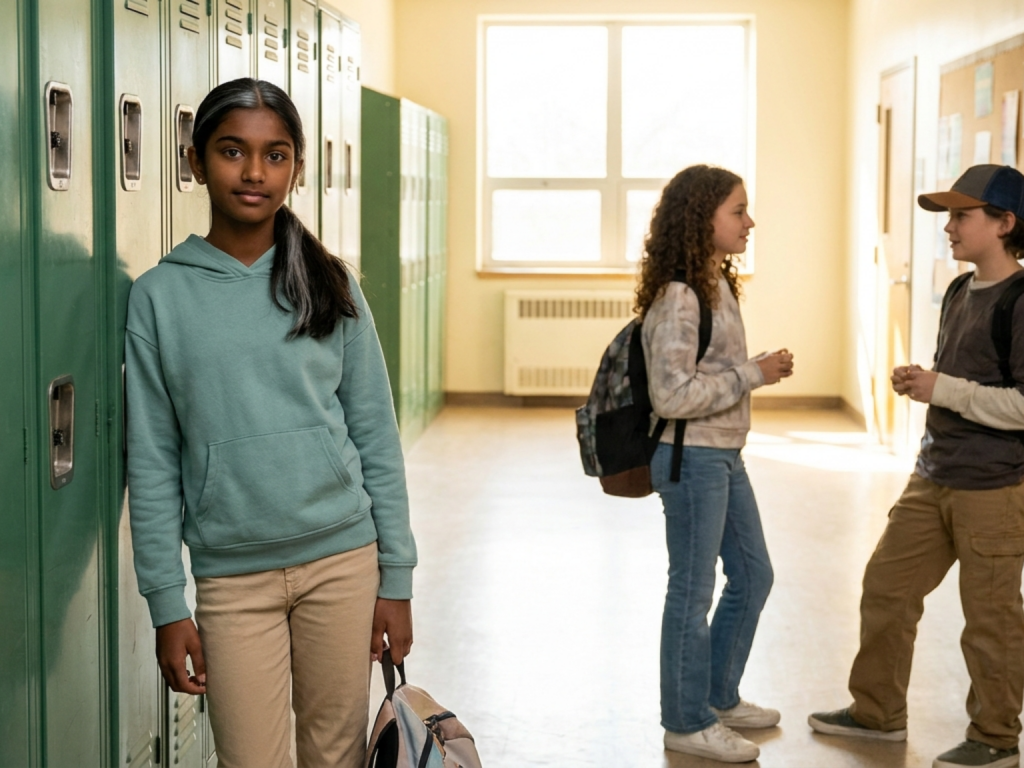
Peer pressure is a normal part of growing up, but it can feel intense for children and adolescents who are still developing identity, impulse control, and confidence. A young person may feel pulled between belonging to a group and staying aligned with their values, safety, or family expectations.
Highlights
Peer pressure is not always negative; peers can encourage kindness, effort, and healthy choices.
Children manage pressure better when they can recognize body signals of discomfort, rehearse refusal language, and identify safe allies.
Caregivers help most by staying calm, listening without judgment, and practicing problem-solving rather than only giving lectures.
Persistent anxiety, low mood, school avoidance, substance use, or self-harm talk should prompt professional support.
Understanding peer pressure in childhood and adolescence
Peer pressure is the influence that friends, classmates, teammates, online groups, or social circles can have on a child’s attitudes and behavior. It can be direct, such as being dared to break a rule, or indirect, such as noticing that everyone in a group dresses, jokes, studies, dates, or posts online in a certain way. For children and adolescents, the wish to belong is biologically and socially powerful. During puberty and early adolescence, reward sensitivity increases, while executive functions such as planning, inhibition, and weighing long-term consequences are still maturing.
It is important to avoid framing peer influence as entirely harmful. Positive peer pressure can encourage academic effort, sports participation, volunteering, empathy, inclusion, and healthier routines. Negative peer pressure becomes concerning when it pushes a child toward unsafe, illegal, coercive, humiliating, or values-inconsistent behavior. Examples include bullying, exclusion, sexual pressure, vaping, alcohol or drug use, reckless driving, sharing private images, cheating, or online harassment.
Children may comply because they fear rejection, ridicule, social isolation, or losing status. Some children are more vulnerable when they have low self-esteem, social anxiety traits, impulsivity, neurodevelopmental differences, trauma exposure, family conflict, or a history of being bullied. These are not character flaws. They are signals that the child may need more structured support, social skills practice, and emotionally safe adults.
Helping children notice internal warning signals
A core management skill is learning to pause and notice internal cues before acting. Many children feel peer pressure first in the body: a tight stomach, racing heart, flushed face, shaky voice, sweating, or a strong urge to laugh along even when something feels wrong. These sensations reflect autonomic nervous system activation, not weakness. Teaching a child to label these signals can help them recognize, “My body is telling me this situation may not be okay.”
Caregivers can practice short check-in questions after school or activities: “Did anything feel uncomfortable today?” “Was there a moment when you felt you had to go along?” “What did your body feel like?” This approach supports interoceptive awareness, the ability to notice internal body states. It also reduces shame, because the focus is on signals and choices rather than blame.
Children benefit from having a simple decision filter. They can ask themselves: “Is this safe?” “Is it kind?” “Would I be okay if a trusted adult knew?” “Does this match my values?” “Could someone get hurt?” For younger children, the wording can be simpler: “Is it safe, fair, and kind?” The goal is not perfection. The goal is to create a brief mental space between pressure and action.
Assertive refusal skills that children can actually use
Assertiveness means expressing a boundary clearly while respecting oneself and others. It is different from aggression, which attacks, and passivity, which gives in despite discomfort. Assertiveness training is especially useful because many children know what they should do but freeze when peers are watching. Rehearsal matters. Practicing refusal phrases out loud makes them more available under stress.
Helpful refusal scripts include:
- “No, I’m not doing that.”
- “That’s not my thing.”
- “I’m leaving before this gets worse.”
- “I promised my parent I wouldn’t.”
- “I have practice, homework, or somewhere else to be.”
- “Don’t send that to me.”
Some children prefer a firm no; others feel safer using an excuse. Both can be valid, especially when the priority is getting out of a risky situation. A child does not need to win an argument. They need a way to exit. Role-play can include tone of voice, posture, eye contact if culturally comfortable, and walking away. For children who struggle with social communication differences, scripts may need to be concrete, brief, and repeated in predictable scenarios.
Caregivers can also create a “safe exit” plan. For example, the child can text a code word that means “Please pick me up now,” without needing to explain in front of peers. Adults should agree not to shame the child afterward. If a child believes they will be punished for asking for help, they are less likely to call when they are unsafe.
Building confidence, identity, and positive peer networks
Peer pressure is easier to resist when a child has a stable sense of self and at least one supportive ally. Children need repeated experiences of being valued for who they are, not only for grades, popularity, athletic performance, appearance, or online approval. Exploring strengths, hobbies, cultural identity, faith or family values, creative interests, and service activities can help children develop self-assurance that is not dependent on one group’s acceptance.
Positive peer networks are protective. A child who has even one friend willing to say “Let’s not do this” may find it much easier to resist group pressure. Encourage friendships in settings where shared values are likely to develop, such as clubs, sports, arts, youth groups, volunteering, or structured community activities. Volunteering can be particularly helpful because it builds empathy, perspective-taking, and a sense of contribution beyond peer status.
Caregivers should be cautious about constant comparison: “Why can’t you be like your cousin?” or “Everyone else is doing better.” Comparison can intensify insecurity and make approval from peers feel even more necessary. Instead, use values-based language: “In our family, we try to be honest and safe,” or “You are allowed to choose friends who respect your boundaries.” This supports identity formation without demanding that the child reject every social norm.
Teaching social skills is not about making a child more popular at any cost. It is about helping them enter conversations, read group dynamics, repair conflicts, recognize manipulation, and choose relationships that feel respectful. For some children, especially those with developmental, anxiety, or attention-related challenges, social skills practice may be most effective with a school counselor, therapist, or structured group.
Managing thoughts, emotions, and fear of rejection
Negative peer pressure often activates painful thoughts: “If I say no, no one will like me,” “I’ll be humiliated,” or “I have to do this to stay in the group.” Cognitive Behavioral Therapy, often called CBT, can help young people examine these thoughts and replace all-or-nothing predictions with more balanced alternatives. For example, “Some people may tease me, but a real friend will respect my no,” or “This moment feels huge, but it will pass.” Families can use these ideas at home without pretending to provide therapy: notice the thought, check the evidence, and choose a safer action.
Mindfulness skills can also help children stay grounded. A brief breath exercise, feeling both feet on the floor, naming five things they see, or silently counting can reduce physiological arousal enough to make a decision. These strategies do not make the social risk disappear, but they can help the child remain connected to their values instead of reacting automatically.
Emotion coaching for teens and preteens is especially important. When a child describes peer pressure, adults may be tempted to respond with anger, criticism, or immediate bans. A more effective first response is validation: “That sounds really hard. I understand why you felt stuck.” Validation does not mean approving risky behavior. It lowers defensiveness so problem-solving can begin.
If peer pressure is associated with persistent anxiety, depressive symptoms, panic-like episodes, sleep disruption, eating changes, school refusal, substance use, self-harm thoughts, or marked withdrawal, families should consult a pediatrician, mental health professional, or school health team. Prolonged negative peer influence and social stress can contribute to emotional distress. Professional support can help assess risk, strengthen coping skills, and coordinate school-based protections when needed.
How adults can create safer environments
Children manage peer pressure best when the adults around them create predictable, nonjudgmental channels for communication. This includes parents, caregivers, teachers, coaches, school nurses, pediatric clinicians, and counselors. A safe adult does not minimize the child’s social world by saying, “Just ignore them.” For a child, exclusion and humiliation can feel neurologically and emotionally threatening. Respectful listening helps the adult understand what is really at stake.
At home, caregivers can use open-ended questions rather than interrogation: “What are people in your grade pressuring each other about lately?” “What makes it hard to say no?” “Who would back you up?” Family rules should be clear and consistent, but children also need to practice decision-making. If every choice is controlled by adults, the child may have fewer chances to build internal judgment.
Schools can help by teaching digital citizenship, consent, bullying prevention, bystander skills, and help-seeking pathways. A child should know exactly where to go if a situation escalates: a counselor’s office, trusted teacher, nurse, administrator, or safeguarding lead. School collaboration for behavior problems can be necessary when peer dynamics involve bullying, threats, harassment, coercion, or repeated exclusion.
Adults should also model healthy boundaries. Children notice whether adults say no respectfully, leave unsafe situations, apologize after mistakes, and avoid gossip or humiliation. Peer pressure management is not a single lecture; it is a developmental skill built through repeated practice, supportive relationships, and environments where safety matters more than popularity.
Seek urgent support when safety is at risk
- A child mentions self-harm, suicide, or feeling unable to stay safe.
- Peer pressure involves threats, coercion, sexual exploitation, weapons, or substance use.
- There is sudden severe withdrawal, school refusal, panic symptoms, or major mood change.
- Private images, cyberbullying, stalking, or blackmail are involved.
- The child is afraid to return to school, practice, or a social setting.
Tools & Assistance
- Create a family code word for immediate pickup or help.
- Practice three refusal scripts during calm moments, not only during conflict.
- Identify one trusted adult at school and one outside school.
- Encourage clubs, volunteering, or activities that support positive peer networks.
- Consult a pediatrician, school counselor, or licensed mental health professional if distress persists.
FAQ
Is peer pressure always harmful?
No. Positive peer influence can encourage kindness, learning, healthy activities, and prosocial behavior. It becomes concerning when it pushes a child toward unsafe or values-inconsistent choices.
What should I say if my child admits they gave in?
Start with calm listening: “Thank you for telling me.” Then discuss safety, consequences, and what they can try next time. Shame often reduces future honesty.
Can therapy help with peer pressure?
Yes, when distress is persistent or functioning is affected. A licensed clinician may use approaches such as CBT, assertiveness training, social skills work, or anxiety-management strategies.
How can a child say no without losing friends?
They can use brief scripts, an excuse, humor, or leave with an ally. Supportive friends may accept the boundary; friendships that require unsafe behavior may not be healthy.
Sources
- Careme Health — Peer Pressure and Its Impact on Mental Health: How Students Can Cope
- Nemours KidsHealth — Peer Pressure (for Teens)
- UNIS Hanoi — What is Peer Pressure? Examples and Ways to Cope
Disclaimer
This article is for informational purposes only and does not diagnose or treat any condition. Consult a qualified healthcare professional or mental health clinician for concerns about a child’s safety, mood, behavior, or development.












Please log in to leave a comment.