

Intro
Preparing your home for a baby is less about creating a picture-perfect nursery and more about reducing avoidable hazards, limiting unnecessary effort, and making essential care easier during the first days after birth. A thoughtful plan can support newborn safety while also protecting the recovering parent’s sleep, mobility, nutrition, and emotional well-being.
Begin gradually, ideally before the final weeks of pregnancy, and involve your obstetric, midwifery, pediatric, or family healthcare team where appropriate. Birth plans can change, and preparation should remain flexible enough to accommodate an earlier delivery, a cesarean birth, feeding changes, or a longer-than-expected recovery.
Highlights
A safe sleep space, reliable transportation plan, and basic hygiene supplies are higher priorities than decorative nursery items.
Set up care stations where feeding, changing, hydration, and rest will actually occur.
Choose the baby’s healthcare provider and clarify how to obtain advice after discharge before labor begins.
Prepare practical support for the recovering parent, not only equipment for the newborn.
Use professional guidance for car-seat installation, medication questions, feeding concerns, and urgent symptoms.
Start with safety priorities rather than perfection
Home preparation is most effective when it follows a risk-based order. First establish a safe sleep environment, a properly installed rear-facing car seat, functional handwashing access, and a plan for feeding and diapering. Items that improve convenience can wait. Newborns do not need extensive equipment, and an uncluttered home often makes supervision and cleaning easier.
Inspect areas where the baby will spend time. Remove small objects, loose cords, unstable furniture, and objects that could fall into a crib or bassinet. Secure tall furniture and televisions according to manufacturer guidance. Keep medicines, cleaning products, batteries, and other toxic or ingestible substances locked away and inaccessible. Smoke and carbon monoxide alarms should be working, with fresh batteries or an appropriate testing schedule.
Do not use soft bedding, pillows, stuffed toys, positioning devices, or loose blankets in the infant’s sleep space. Follow current safe-sleep recommendations from your pediatric or maternity care team, including guidance on room sharing, sleep position, and temperature. If you are considering any product marketed to prevent sudden unexpected infant death, ask a healthcare professional whether it is evidence-based and safe.
Create a functional nursery and changing setup
A nursery can be a room, a corner, or a compact arrangement near the parent’s sleeping area. The essential features are a firm, flat, uncluttered sleep surface; adequate lighting; convenient storage; and a temperature that feels comfortable without overheating the baby. Place frequently used supplies within the adult caregiver’s reach, but never leave an infant unattended on an elevated changing surface.
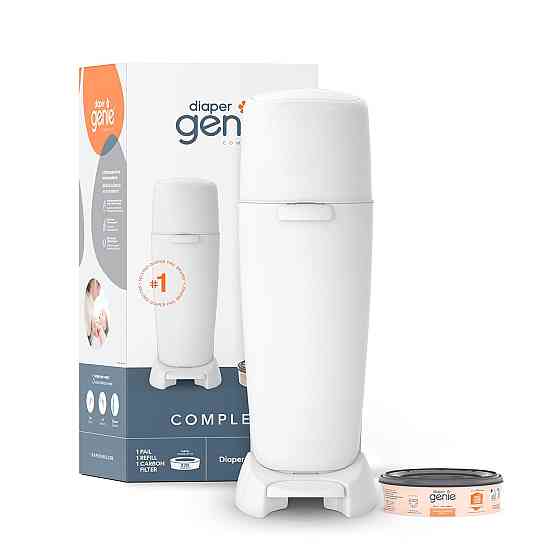
Organize functional nursery zones for sleep, changing, clothing, and storage. A changing area might include diapers, wipes or cotton and water, barrier products recommended by a clinician, spare clothing, and a secure disposal container. Keep a backup supply on another floor or in another frequently used room if stairs or limited mobility may make repeated trips difficult.
Wash new clothing, sheets, and blankets using a detergent tolerated by the household, and remove unnecessary tags or loose components. Avoid heavily fragranced sprays, air fresheners, and smoke exposure. Good ventilation is useful, but protect the baby from direct drafts. The World Health Organization emphasizes cleanliness, handwashing, warmth, and having needed supplies available before birth; these simple measures are more valuable than elaborate decoration.
Prepare feeding, hydration, and postpartum recovery areas
Feeding may occur in more than one location, so prepare at least one comfortable station near the primary sleeping area and another where the family spends time. Include a stable chair or supportive surface, water, nutritious snacks, burp cloths, a phone charger, and a small waste container. If breastfeeding is planned, discuss positioning, latch, and access to lactation support before delivery. If formula feeding or combination feeding is planned, ask the baby’s healthcare professional about preparation, storage, sterilization, and safe handling.
A postpartum recovery station can reduce bending, walking, and unnecessary reaching. Depending on the type of birth and individual medical advice, it may contain prescribed or clinician-approved supplies, clean underwear, comfortable clothing, a water bottle, and personal hygiene items. Keep frequently used items at waist height when possible. After a cesarean birth, or if pelvic, perineal, or musculoskeletal discomfort is expected, arrange sleeping and resting spaces that minimize stairs and sudden exertion.
Stock simple meals, shelf-stable foods, and easy-to-prepare ingredients. Arrange help with cooking, laundry, pets, older children, and errands. Recovery needs vary substantially, so do not assume that a parent will be able to resume routine household work quickly. Contact the maternity team for individualized advice about pain, incision or perineal care, bleeding, fever, mobility, or medication compatibility with feeding.
Plan transportation, hospital items, and essential information
Confirm the route to the planned birth facility, available transportation at different times of day, parking or entrance procedures, and who will accompany the laboring person. Keep a transport plan for labor visible and ensure that the driver or support person knows how to reach the maternity unit. Ask the clinical team when to call and when to proceed to the hospital, because recommendations depend on gestational age, medical history, symptoms, and local protocols.
Pack documents and essentials before labor begins. Common items include identification, insurance information, medication and allergy details, relevant medical records, phone chargers, comfortable clothing, personal hygiene products, and items for the newborn. The MedlinePlus labor-and-delivery guidance specifically highlights bringing supplies for both parent and baby and having a properly installed car seat ready before leaving the hospital.
Install the car seat according to its instructions and local regulations, ideally obtaining a check from a certified child-passenger safety technician. Do not wait until discharge day to discover that the seat is incompatible with the vehicle or incorrectly positioned. Keep emergency contacts, the maternity unit number, the chosen pediatric or family provider, and the nearest pharmacy in an accessible place.
Arrange newborn healthcare and communication before birth
Before delivery, select a healthcare provider for the newborn when possible. Ask whether the practice accepts new patients, how newborn visits are scheduled, which clinician handles after-hours concerns, and where urgent assessment occurs. The National Institute of Child Health and Human Development identifies choosing an infant healthcare provider as an important aspect of preparation before birth.
Prepare a concise household health record containing pregnancy and birth-related information, current medications, allergies, relevant conditions, and contact details for the obstetric or midwifery team and the infant’s provider. Do not independently start, stop, or share medications, supplements, or topical products. A pharmacist or clinician can review safety during lactation and identify interactions.
Decide how updates will be communicated after birth. A designated support person can filter messages, coordinate visitors, and communicate boundaries. Consider limiting visitors during the early recovery period, especially if anyone is unwell. Everyone who handles the baby should wash their hands first, avoid smoking exposure, and follow the family’s agreed infection-control practices. Ask the healthcare team about vaccines or preventive measures recommended for close contacts in your region.
Reduce household hazards and simplify daily routines
Walk through the home from the perspective of a tired adult carrying an infant. Clear pathways, secure rugs, improve lighting near stairs and bathrooms, and place night-lights where nighttime feeding and toileting occur. Keep a clear route to the exit and avoid storing heavy objects overhead. These changes are particularly useful after delivery, when sleep deprivation, pain, dizziness, or reduced mobility may increase fall risk.
Review water temperature, heating equipment, and electrical cords. Keep the baby away from fireplaces, radiators, hot drinks, cooking surfaces, and direct sunlight. Ensure that pets have a separate safe area and introduce boundaries gradually under close supervision. Never leave an infant alone with a pet, in a bath, on a sofa or adult bed, or in a vehicle.
Household preparation before labor also includes practical maintenance: washing linens, replenishing toiletries, arranging groceries, and identifying someone who can collect prescriptions or assist with transport. Avoid using strong chemicals in poorly ventilated rooms. If renovations, painting, pest treatment, or significant cleaning are necessary, ask appropriate professionals about ventilation, exposure precautions, and safe re-entry times.
Build a realistic support and contingency plan
Support is a safety measure, not a luxury. Identify who can provide continuous help during the first days and weeks, and specify tasks rather than relying on general offers. Useful roles may include preparing meals, washing dishes, managing laundry, caring for older children, walking a dog, answering messages, or accompanying the parent to follow-up appointments. A postpartum support plan should include backup people in case the primary helper becomes unavailable.
Discuss preferences for visitors, overnight help, feeding privacy, photographs, and rest periods. The recovering parent should be able to change the plan without needing to justify it. If mood symptoms, anxiety, intrusive thoughts, severe distress, or difficulty bonding arise, contact a healthcare professional promptly. Postpartum mental health concerns are common and treatable, and urgent help is warranted if there is an immediate risk of harm to the parent or baby.
Keep contingency supplies and information available if labor begins earlier than expected or the birth plan changes. This may include a small go bag, essential documents, infant clothing, transport details, and instructions for pets or older children. If planning a home birth, use a qualified licensed maternity professional and discuss emergency escalation, transport, newborn assessment, and postpartum monitoring well in advance; a home birth preparation checklist should never replace individualized clinical planning.
Reassess the home after discharge
Preparation continues once the baby arrives. Confirm that the infant is feeding as expected according to the care plan, has a safe sleep space, and is being transported securely. Keep follow-up appointments and know how to contact the newborn provider outside office hours. Ask when routine newborn screening, weight checks, immunizations, and other assessments should occur in your region.
For the parent, monitor recovery within the framework provided by the maternity team. Seek professional advice for concerns involving heavy or increasing bleeding, fever, worsening pain, breathing difficulty, chest pain, severe headache or visual changes, unilateral leg swelling or pain, wound problems, or significant emotional distress. For the newborn, obtain urgent medical guidance for breathing difficulty, marked lethargy, poor feeding, abnormal temperature, blue or gray coloration, seizures, or other signs that seem concerning.
There is no single correct household setup. Reassess what is genuinely useful, remove equipment that creates clutter or confusion, and accept help with nonessential tasks. A calm, hygienic, appropriately warm, and supervised environment is the goal—not an immaculate home.
Seek urgent medical guidance when needed
- Call emergency services for severe breathing difficulty, chest pain, seizures, unresponsiveness, or immediate danger.
- Contact the maternity team urgently for heavy bleeding, fever, severe headache, visual changes, worsening pain, or breathing problems after birth.
- Seek prompt newborn assessment for poor feeding, marked sleepiness, abnormal temperature, blue or gray color, or breathing difficulty.
- Do not delay urgent care while trying home remedies or searching for an explanation online.
- Use clinician or pharmacist advice before taking medicines or supplements during pregnancy, postpartum recovery, or lactation.
Tools & Assistance
- A written hospital bag and newborn supply checklist
- A certified child-passenger safety technician or local car-seat inspection service
- The maternity unit, obstetric or midwifery team, pediatric provider, and after-hours advice line
- A shared calendar for appointments, support shifts, meals, and household tasks
- A visible emergency-contact and medication/allergy information sheet
FAQ
When should I start preparing the home?
Begin with safety and healthcare planning during pregnancy, then complete essential supplies and transportation arrangements before the final weeks. Preparing gradually is usually less stressful than attempting everything near the due date.
Does the baby need a separate nursery immediately?
No. A separate nursery is optional. The priority is a safe, firm, uncluttered sleep surface and convenient access to supplies in the area where the baby and caregiver will sleep.
What should be ready before leaving the hospital?
Have an appropriately installed rear-facing car seat, suitable infant clothing, essential documents, and a transport plan. Confirm discharge instructions and follow-up arrangements with the clinical team.
How can visitors help safely?
Ask visitors to wash their hands, avoid visiting when ill, respect rest and feeding needs, and take on specific practical tasks. The recovering parent can limit or postpone visits at any time.
Should I prepare for a home birth differently?
Yes. Home birth requires individualized planning with a qualified maternity professional, including equipment, skilled attendance, emergency escalation, transport, newborn assessment, and postpartum monitoring. Local regulations and clinical eligibility criteria apply.
Sources
- MedlinePlus, U.S. National Library of Medicine — What to bring to your labor and delivery
- World Health Organization — Caring for newborns and children in the community
- Eunice Kennedy Shriver National Institute of Child Health and Human Development — What can parents do to promote their infant’s health before birth?
Disclaimer
This article is for general educational purposes and does not replace individualized medical advice, diagnosis, or treatment. Consult your obstetric, midwifery, pediatric, or other qualified healthcare professional for recommendations specific to you and your baby.

















Please log in to leave a comment.