

Intro
Preparing for pregnancy is not about achieving a perfect body, a perfect lifestyle, or total control over conception. It is about giving yourself and a future pregnancy the healthiest possible starting point. The months before conception are a meaningful window: nutrition, chronic disease control, medication safety, vaccinations, substance use, environmental exposures, and mental health can all influence fertility, early embryonic development, and pregnancy risk.
Preconception care is especially important because many crucial events happen before a person knows they are pregnant. The neural tube begins developing very early, organ formation starts in the first weeks, and conditions such as diabetes, hypertension, thyroid disease, or medication exposures may already be affecting the pregnancy. A supportive pre-pregnancy plan can reduce preventable risks while also helping you feel more informed and less alone.
Highlights
The best time to review health risks is before conception, ideally at least three months before trying, because early fetal development begins before pregnancy is recognized.
Folic acid, medication review, vaccination status, chronic disease optimization, and avoidance of tobacco, alcohol, and nonmedical drugs are core preconception steps.
Nutrition, weight, physical activity, sleep, and stress do not guarantee pregnancy, but they can influence reproductive health and pregnancy outcomes.
Preconception care should be individualized; people with chronic conditions, prior pregnancy complications, or complex medication needs benefit from early clinician input.
Why preparation matters before pregnancy
Pregnancy health does not begin with a positive test. It begins in the preconception period, when eggs and sperm are developing, underlying medical conditions can be optimized, and exposures can be changed before implantation and early organ development. This is why organizations such as the American College of Obstetricians and Gynecologists emphasize prepregnancy care as a way to improve health and reduce preventable risks.
Early pregnancy is a particularly sensitive time. Many people do not realize they are pregnant until several weeks after conception, yet the neural tube, placenta, and early organ systems are already forming. Certain nutrients, medications, infections, and metabolic conditions can matter during this stage. Preparation does not eliminate uncertainty, miscarriage risk, infertility, or pregnancy complications, but it can reduce modifiable risks and identify concerns early.
Research on the preconception period also links nutrition and lifestyle before pregnancy with later outcomes such as gestational diabetes, hypertensive disorders of pregnancy, preterm birth, and fetal growth patterns. These links are not a reason for blame; they are a reason to make care proactive, practical, and compassionate.
Start with a preconception visit
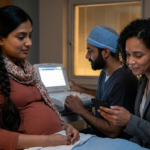
A preconception visit is a dedicated appointment to review your health before trying to conceive. It can be done with an obstetrician-gynecologist, family physician, midwife, reproductive endocrinologist, or another clinician who knows your medical history. If you have a complex condition, your care may include specialists such as an endocrinologist, cardiologist, neurologist, psychiatrist, genetic counselor, or maternal-fetal medicine physician.
Topics commonly discussed include:
- Medical history: diabetes, hypertension, thyroid disease, kidney disease, autoimmune disease, epilepsy, heart disease, asthma, mental health conditions, migraines, clotting disorders, or previous cancer treatment.
- Pregnancy history: miscarriage, ectopic pregnancy, preterm birth, preeclampsia, gestational diabetes, stillbirth, cesarean birth, postpartum hemorrhage, or severe nausea and vomiting.
- Medication and supplement review: prescription medicines, over-the-counter drugs, herbal products, vitamins, topical medications, and recreational substances.
- Vaccination status: especially immunity to rubella and varicella, and recommended immunizations such as influenza and COVID-19 when appropriate.
- Family history and genetics: inherited conditions, congenital anomalies, intellectual disability, recurrent pregnancy loss, or ancestry-related carrier screening considerations.
- Menstrual and ovulation patterns: cycle regularity, polycystic ovary syndrome, endometriosis, fibroids, pelvic infections, or prior pelvic surgery.
It is helpful to bring a medication list, vaccination records if available, details of prior pregnancies, and any recent lab results. The goal is not to find fault; it is to identify what can be adjusted safely before conception.
Folic acid and prenatal vitamins
Folic acid is one of the clearest preconception recommendations. It helps reduce the risk of neural tube defects, which affect the developing brain and spine. Because the neural tube closes very early in pregnancy, folic acid should ideally be started before conception. Many clinicians recommend a daily prenatal vitamin containing folic acid for anyone who could become pregnant, but the exact dose may vary depending on personal risk factors.
Some people may need individualized folate guidance, including those with a prior pregnancy affected by a neural tube defect, certain antiseizure medications, malabsorption conditions, or other medical risks. Do not assume that more is always better; high-dose supplementation should be discussed with a clinician.
A prenatal vitamin may also contain iodine, iron, vitamin D, and other nutrients relevant to pregnancy. However, supplements are not a substitute for a balanced diet, and some supplements can be unsafe in excessive amounts. Review all vitamins, herbal products, and fertility supplements with a healthcare professional, particularly if you take prescription medication or have chronic disease.
Medication safety and chronic condition optimization
Medication review is a central part of pre-pregnancy care. Some medications are compatible with pregnancy, some need dose changes or monitoring, and some are avoided because of potential fetal risks. Importantly, stopping medication abruptly can also be dangerous. For example, uncontrolled seizures, severe depression, poorly controlled asthma, hypertension, diabetes, or autoimmune flares may pose significant risks to both the pregnant person and the fetus.
Before trying, ask your clinician whether each medication is appropriate for conception and pregnancy. This includes acne treatments, migraine therapies, psychiatric medications, blood pressure medicines, diabetes medications, anticoagulants, antiseizure drugs, thyroid medication, anti-inflammatory medicines, and herbal or bodybuilding supplements.
Chronic conditions are often safer when optimized before pregnancy. For example, blood glucose management before conception is important for people with diabetes because elevated glucose early in pregnancy is associated with congenital anomaly risk and other complications. Thyroid disease, hypertension, kidney disease, heart disease, and autoimmune disorders may also require preconception planning. The goal is not perfection; it is the best stable control possible with a treatment plan that considers pregnancy.
Vaccines, infections, and immune protection
Vaccination status should be reviewed before pregnancy because some infections can be more severe in pregnancy or can affect fetal development. A clinician may check whether you are immune to rubella and varicella if your history is uncertain. These are live vaccines, so they are typically given before pregnancy rather than during pregnancy, with advice about timing conception afterward.
Other vaccines, such as influenza and COVID-19 vaccines, may be recommended before or during pregnancy depending on current guidance, personal risk, and timing. Immunization recommendations vary by country, medical history, travel, occupation, and immune status, so individualized advice matters.
Preconception care is also a good time to discuss sexually transmitted infection testing, HIV status if relevant, hepatitis screening, dental infections, urinary or pelvic infection history, and travel-related risks such as Zika or malaria in certain regions. If either partner has symptoms of infection, known exposure, or high-risk travel plans, ask for medical advice before trying.
Nutrition, weight, and metabolic health
Nutrition before pregnancy supports ovulation, implantation, placental development, and early fetal growth. A practical pattern often includes vegetables, fruits, whole grains, legumes, nuts, seeds, dairy or fortified alternatives, eggs, fish low in mercury, lean proteins, and healthy fats. For many people, focusing on consistency and nutrient density is more sustainable than strict dieting.
Weight can influence ovulation, fertility treatment outcomes, gestational diabetes risk, hypertensive disorders of pregnancy, cesarean birth risk, and fetal growth. Both undernutrition and excess adiposity can matter. Body mass index is an imperfect screening tool and does not capture metabolic health, muscle mass, eating disorder history, or social determinants of health, but it may help clinicians identify when additional assessment is useful.
If weight change is recommended, it should be approached carefully and respectfully. Crash diets, extreme restriction, unregulated weight-loss supplements, and excessive exercise can disrupt menstrual cycles and harm health. A registered dietitian, primary care clinician, or reproductive specialist can help create a plan that fits medical needs, culture, budget, and mental well-being.
Substances, caffeine, and environmental exposures
Stopping tobacco, vaping nicotine, alcohol, and nonmedical drug use before pregnancy is one of the most important modifiable steps. Tobacco and nicotine exposures are associated with fertility effects and pregnancy risks, and alcohol has no known safe amount in pregnancy. If stopping feels difficult, that is a healthcare need, not a moral failure. Clinicians can offer evidence-based support, counseling, and treatment options.
Caffeine is often discussed in preconception care. Many pregnancy guidelines advise limiting caffeine rather than eliminating it completely, but the appropriate amount may depend on your health, medications, and pregnancy history. Discuss your intake with a clinician, especially if you consume energy drinks, concentrated caffeine products, or multiple daily servings.
Environmental and occupational exposures also deserve attention. Depending on your work or home environment, ask about solvents, pesticides, heavy metals such as lead or mercury, radiation, anesthetic gases, chemotherapy agents, high-heat exposure, or infectious risks in healthcare, childcare, veterinary, laboratory, or agricultural settings. Practical adjustments may be possible before pregnancy, but changes should be based on credible safety guidance rather than fear.
Movement, sleep, and mental health
Regular physical activity before pregnancy can support cardiovascular health, insulin sensitivity, mood, sleep, and weight stability. For many adults, a combination of moderate aerobic activity and strength training is beneficial, but the safest plan depends on baseline fitness, pain, medical conditions, and pregnancy history. If you have heart disease, severe anemia, uncontrolled hypertension, significant pelvic pain, eating disorder concerns, or other medical limitations, ask for individualized advice.
Sleep and mental health are also part of preconception care. Anxiety, depression, trauma history, insomnia, eating disorders, and relationship stress can affect quality of life and may become more intense during fertility efforts or pregnancy. If you already take psychiatric medication, do not stop it without medical guidance. A preconception appointment can help weigh medication benefits and risks and create a plan for monitoring and support.
Trying to conceive can become emotionally consuming. Ovulation testing, cycle tracking, and repeated waiting can create pressure. It is reasonable to set boundaries around testing, social media, and unsolicited advice. Preparation should make you feel supported, not scrutinized.
Partner health and fertility timing
Preconception health is not only about the person who will carry the pregnancy. Sperm health can be affected by tobacco, heavy alcohol use, anabolic steroids, some medications, heat exposure, infections, varicocele, and chronic disease. A partner who contributes sperm may benefit from a medication review, substance-use support, STI testing when appropriate, and general health optimization.
Timing intercourse or insemination around the fertile window can improve the chance of conception, but it does not replace basic health preparation. The fertile window includes the days leading up to ovulation and the day of ovulation. People with regular cycles may estimate this with cycle tracking, cervical mucus changes, or ovulation predictor kits, while those with irregular cycles may need medical evaluation.
If pregnancy does not occur after 12 months of regular unprotected intercourse or donor insemination attempts, or after 6 months if the person trying to conceive is 35 or older, many clinicians recommend fertility evaluation. Seek earlier advice with irregular periods, known endometriosis, prior pelvic infection, recurrent pregnancy loss, chemotherapy history, or known male-factor concerns.
A practical pre-pregnancy checklist
A simple plan can make preparation feel less overwhelming. Consider the following steps before trying:
- Schedule a preconception visit and review your medical, pregnancy, family, and medication history.
- Start a prenatal vitamin with folic acid, unless your clinician recommends a different supplement plan.
- Update recommended vaccines and confirm rubella and varicella immunity if needed.
- Review prescription, over-the-counter, herbal, and topical medications for pregnancy compatibility.
- Work toward stable management of chronic conditions such as diabetes, hypertension, thyroid disease, asthma, epilepsy, kidney disease, and mental health conditions.
- Avoid tobacco, vaping nicotine, alcohol, and nonmedical drugs; ask for support if stopping is hard.
- Build a sustainable eating pattern with adequate protein, fiber, micronutrients, and hydration.
- Discuss occupational, environmental, travel, or infectious exposures that may affect pregnancy.
- Consider dental care, because oral infections and inflammation can worsen during pregnancy.
- Talk with your partner, if applicable, about sperm health, shared habits, finances, leave plans, and emotional support.
You do not need to complete every item perfectly before trying. Start with the highest-impact actions and ask a clinician what matters most for your situation.
When to seek medical guidance before trying
- You take medications that may affect pregnancy, including isotretinoin, antiseizure drugs, anticoagulants, certain blood pressure medicines, or immunosuppressants.
- You have diabetes, hypertension, thyroid disease, kidney disease, heart disease, epilepsy, autoimmune disease, or a significant psychiatric condition.
- You have had recurrent miscarriage, stillbirth, preterm birth, preeclampsia, gestational diabetes, or a baby with a congenital condition.
- Your periods are very irregular, absent, extremely painful, or associated with known endometriosis, PCOS, fibroids, or prior pelvic infection.
- You or your partner have ongoing tobacco, alcohol, opioid, stimulant, anabolic steroid, or other substance use and want support before pregnancy.
- You may have occupational, travel, infectious, radiation, chemical, or heavy-metal exposures.
Tools & Assistance
- Preconception appointment with an OB-GYN, midwife, family physician, or primary care clinician
- Medication and supplement list reviewed by a clinician or pharmacist
- Vaccination record and immunity testing when appropriate
- Registered dietitian consultation for nutrition, weight, diabetes, eating disorder history, or gastrointestinal conditions
- Genetic counseling or carrier screening discussion when family history, ancestry, or prior pregnancy history suggests benefit
FAQ
How long before trying should I start preparing for pregnancy?
Many public-health resources recommend beginning preconception care at least three months before pregnancy when possible. Some steps, such as folic acid, medication changes, vaccination timing, and chronic disease optimization, may need more time.
Do I need a prenatal vitamin before I am pregnant?
Often, yes. Folic acid is most protective when taken before conception and in early pregnancy. Ask your clinician which prenatal vitamin and dose are appropriate for you, especially if you have prior pregnancy complications or take long-term medication.
Should I stop my medications when trying to conceive?
Do not stop prescription medication without medical guidance. Some medications need adjustment before pregnancy, but untreated medical or mental health conditions can also be risky. A clinician can help balance benefits and risks.
Can lifestyle changes guarantee pregnancy?
No. Healthy habits can support reproductive and pregnancy health, but they cannot guarantee ovulation, fertilization, implantation, or a live birth. If you have risk factors or have been trying without success, medical evaluation may be appropriate.
Does my partner need to prepare too?
Yes, partner health can matter, especially when sperm is involved. Tobacco, heavy alcohol use, anabolic steroids, heat exposure, infections, and some medications can affect sperm parameters, so a general health review may be helpful.
Sources
- American College of Obstetricians and Gynecologists — Good Health Before Pregnancy: Prepregnancy Care
- Office on Women's Health, U.S. Department of Health and Human Services — Preconception health
- PubMed Central — Before the beginning: nutrition and lifestyle in the preconception period and implications for future fetal health
Disclaimer
This article is for informational purposes only and does not replace medical advice, diagnosis, or treatment. Consult a qualified healthcare professional for personal preconception guidance.













Please log in to leave a comment.