
Intro
Late bedtime habits in preteens can be frustrating, especially when a child seems exhausted in the morning but alert, emotional, or digitally engaged at night. Many families feel caught between homework, activities, screens, and the very real developmental push for independence.
Highlights
Late bedtimes in preteens are often driven by a mix of circadian biology, school demands, screen habits, and family routines rather than simple defiance.
Portable devices in the bedroom are consistently associated with later bedtimes, shorter sleep duration, and poorer sleep quality in children and adolescents.
Homework pressure can shift sleep later; research in adolescents links bedtime driven by finishing homework with substantially less sleep than bedtime driven by feeling tired.
Supportive boundaries, predictable routines, and collaborative problem-solving usually work better than punishment or nightly arguments.
Persistent insomnia, severe daytime sleepiness, mood changes, snoring, or academic decline should prompt discussion with a pediatrician or sleep specialist.
Why late bedtimes become common in the preteen years
Preteens occupy a transitional stage between school-age childhood and adolescence. Their brains are developing greater autonomy, social awareness, and executive function, but self-regulation is still immature. This combination can make bedtime feel negotiable: one more message, one more video, one more assignment, one more chapter. Parents may see avoidance; the preteen may experience a genuine conflict between sleep, belonging, achievement, and independence.
Biologically, many children begin to show a later sleep preference as they approach puberty. Melatonin secretion, circadian phase, and sleep pressure can shift in a direction that makes falling asleep earlier feel harder. This does not mean a preteen no longer needs substantial sleep. Rather, the child may need help protecting the sleep window because internal cues and external demands no longer align as neatly as they did in earlier childhood.
Late bedtime habits preteens develop are rarely caused by a single factor. A long school day, extracurricular activities, family meals, homework, online games, and social media can all compress the evening. When the only unstructured leisure time begins at 9 p.m., the child may resist surrendering it to sleep. This pattern is understandable, but repeated sleep restriction can affect attention, emotional regulation, learning, appetite signaling, and family conflict the next day.
Screens, bedrooms, and delayed sleep onset
Screen media is one of the most modifiable contributors to late bedtimes. Research syntheses in children and adolescents have found that the large majority of studies report significant associations between screen use and delayed bedtime or shorter sleep duration. The concern is not only blue-spectrum light, although light exposure can suppress melatonin and delay circadian timing. Screens also provide cognitive stimulation, emotional arousal, social reward, and endless novelty.
The presence of portable screen devices in the bedroom is especially important. A phone, tablet, handheld gaming device, or laptop near the bed can turn lights-out into the start of private media time. Even if the child intends to stop quickly, notifications and social feedback loops can prolong wakefulness. Some preteens also wake at night to check messages, reducing sleep continuity and sleep quality.
Families often benefit from treating bedroom technology as an environmental health issue rather than a moral failing. A practical plan may include:
- A shared family charging station outside bedrooms.
- A predictable digital curfew, ideally before the bedtime routine begins.
- Notification settings that reduce evening social pressure.
- Parental modeling, because adult phone use at night can undermine the message.
- Preteen screen time boundaries framed as sleep protection, not punishment.
For some preteens, abrupt removal of devices can trigger anger, anxiety, or a sense of exclusion. A collaborative approach often works better: explain the sleep rationale, agree on a trial period, and review morning energy, mood, and school functioning after one to two weeks.
Homework, school demands, and the achievement trap
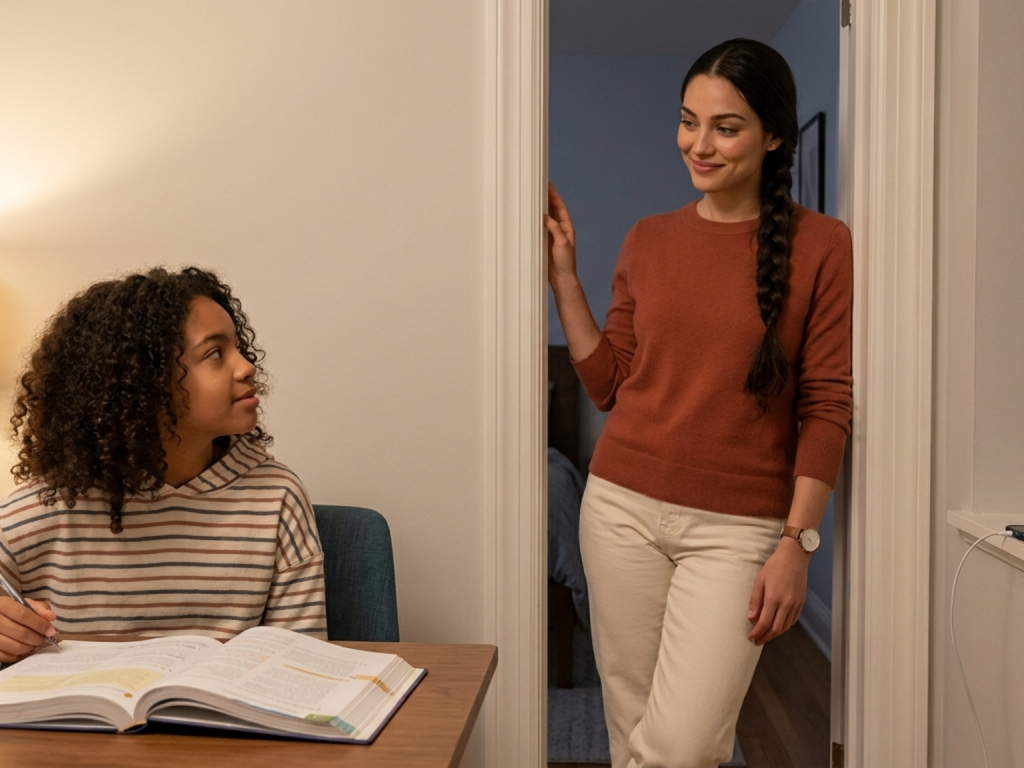
Homework is another major driver of late sleep timing. Qualitative research with adolescents describes a pattern in which school obligations fill the evening, while desired activities such as online social networking, videos, or gaming are postponed until late night. In this pattern, bedtime becomes the only flexible part of the schedule, so sleep is sacrificed to preserve both performance and autonomy.
Statistical research in adolescents also supports the role of school pressure. Youth who reported going to bed because they had finished homework slept later and obtained less sleep than those who went to bed because they felt tired. Although individual numbers vary, this finding illustrates an important clinical point: when academic completion determines bedtime, sleep can become chronically displaced.
Parents can help by separating effort from perfection. A preteen who spends hours on assignments may be disorganized, anxious about grades, distracted by devices, overloaded by school expectations, or struggling with an undetected learning difficulty. The solution is not always simply to work faster. Consider whether the evening contains enough protected time, whether assignments are being started too late, and whether the child needs school collaboration for behavior problems, learning concerns, or workload planning.
Helpful strategies include a visible homework start time, short timed work intervals, a written priority list, and a parent-supported stopping point for nonurgent work. If homework regularly pushes bedtime later despite sincere effort, caregivers may need to contact teachers, a school counselor, or the pediatrician. Chronic sleep loss should not be accepted as the price of being a responsible student.
Emotional and social reasons preteens resist bedtime
Bedtime often exposes emotions that were manageable during the day. A preteen may feel lonely, worried, overstimulated, or disappointed when the house becomes quiet. Social concerns can intensify at night: group chats continue, friends may be online, and fear of missing out can feel urgent. For children who are anxious, bedtime also removes distractions, allowing worries about school, peers, health, family conflict, or performance to become more intrusive.
Late nights can then create a feedback loop. Sleep restriction worsens irritability, impulsivity, frustration tolerance, and attentional control. The next day may bring more conflict, more procrastination, and more emotional exhaustion, which again pushes bedtime later. Families sometimes interpret this as attitude, but preteen sleep debt and irritability can be tightly linked.
Supportive communication is protective. Instead of starting with “Why are you still awake?” try asking what bedtime feels like from the child’s perspective. Some children fear nightmares; others feel safest when a parent checks in; others are embarrassed to admit they cannot disengage from friends. Respectful communication with preteens helps parents identify the function of the late-night behavior.
If anxiety, low mood, panic symptoms, trauma reminders, compulsive checking, or persistent sadness seem to drive bedtime resistance, professional support is appropriate. A pediatrician, child psychologist, or qualified mental health clinician can help determine whether targeted therapy, school support, or further medical evaluation is needed. Families should avoid diagnosing the child at home, but they should take persistent emotional distress seriously.
Building a realistic evening routine
A successful routine is usually less about a perfect bedtime and more about a predictable sequence that reduces decision-making. Preteens are more likely to cooperate when they understand the reason for each step and have some control within clear limits. The goal is not to make the child sleepy on command, but to create the conditions for sleep to occur.
Start by choosing a wake time anchor. Because school schedules often fix the morning, bedtime should be calculated backward from the sleep opportunity the child needs. Then design the evening in stages: homework, preparation for tomorrow, device shutdown, hygiene, calming activity, and lights-out. A sleep diary for children can reveal patterns that memory misses, such as weekend drift, late caffeine, long naps, or nights when activities end too late.
Elements that often help include:
- Consistent wake time, including weekends within a reasonable range.
- Morning bright light exposure to strengthen circadian timing.
- Physical activity earlier in the day, not vigorous exercise immediately before bed.
- A cool, dark, quiet sleep environment.
- A brief calming ritual such as reading, stretching, breathing, or quiet music.
- A parent check-in before the final routine, so connection does not depend on delaying bedtime.
Expect resistance during transitions. If bedtime has been 11 p.m. for months, suddenly requiring 9 p.m. may fail. A gradual shift of 15 to 30 minutes every few nights may be more sustainable. The plan should be firm, kind, and boringly consistent.
When to seek medical or professional guidance
Many late bedtime habits improve with environmental changes, but some patterns need clinical attention. Caregivers should consult a pediatrician if a preteen has persistent difficulty falling asleep despite good sleep hygiene, severe morning sleep inertia, frequent school lateness, declining grades, headaches, mood changes, or excessive daytime sleepiness. Habitual loud snoring, witnessed pauses in breathing, restless sleep, morning headaches, or attention problems may suggest sleep-disordered breathing in children and warrants evaluation.
Other considerations include restless legs symptoms, medication effects, caffeine or energy drink use, neurodevelopmental conditions, anxiety disorders, depression, chronic pain, gastrointestinal symptoms, and circadian rhythm sleep-wake disorders. These possibilities require individualized assessment. Families should not start supplements, sedating medications, or melatonin without discussing risks, dosing, timing, and underlying causes with a healthcare professional.
It is also reasonable to involve the school when sleep loss is connected to workload, early start times, or extracurricular scheduling. Evidence increasingly suggests that school timing and evening academic demands can influence adolescent sleep duration. While one family may not control school policy, they can advocate for realistic homework expectations, support plans, or adjustments when sleep deprivation is impairing functioning.
Most importantly, approach the issue as a family health problem rather than a character flaw. Preteens need boundaries, but they also need empathy. A child who learns that sleep is protected, discussed respectfully, and connected to feeling better is more likely to carry healthy sleep habits into adolescence.
Seek advice promptly if
- Your preteen has severe daytime sleepiness, falling asleep in class, or unsafe drowsiness during daily activities.
- There is loud habitual snoring, gasping, witnessed breathing pauses, or restless sleep.
- Late nights are accompanied by persistent sadness, anxiety, panic, self-harm thoughts, or major behavior changes.
- Sleep problems continue despite consistent routines and removal of nighttime screens.
- You are considering melatonin, sedating medicines, or supplements for sleep.
Tools & Assistance
- Keep a two-week sleep diary recording bedtime, wake time, screens, caffeine, homework, and mood.
- Create a family charging station outside bedrooms for phones, tablets, and gaming devices.
- Ask teachers or a school counselor about workload patterns if homework repeatedly delays sleep.
- Discuss persistent sleep difficulties with a pediatrician or pediatric sleep specialist.
FAQ
Is it normal for preteens to want a later bedtime?
Some shift toward later sleep timing is common as puberty approaches, but preteens still need adequate sleep opportunity. A later preference should not lead to chronic sleep deprivation.
Should phones be removed from the bedroom at night?
For many families, yes. Portable screen devices in the bedroom are associated with later bedtimes and poorer sleep, and an outside-bedroom charging area can reduce temptation and notifications.
What if homework is the reason my child stays up late?
Track the pattern, help your child start earlier, set priorities, and contact the school if the workload regularly displaces sleep. Persistent sleep loss is not a healthy academic strategy.
Is melatonin a good solution for late bedtime habits?
Do not start melatonin without medical guidance. Timing, dose, duration, and the reason for the sleep problem matter, and behavioral or environmental causes should be addressed first.
Sources
- PubMed Central (NIH) — Youth screen media habits and sleep
- Dove Medical Press — Late bedtime from the perspective of adolescents: a qualitative study
- Oxford Academic Sleep Advances — Factors associated with late bedtimes, early wake-up times, and...
Disclaimer
This article is for informational purposes only and does not replace medical evaluation. Consult a qualified healthcare professional for persistent sleep problems, mental health concerns, breathing symptoms during sleep, or questions about medications or supplements.


















Please log in to leave a comment.