
Intro
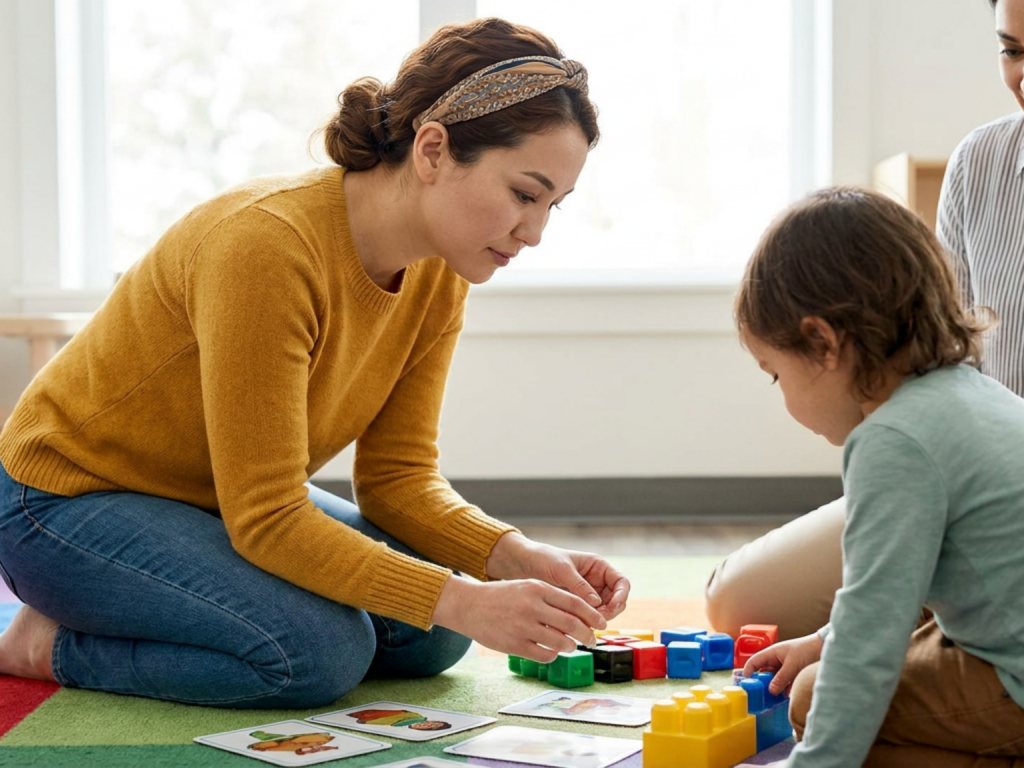
The preschool years, usually ages 3 to 5, can feel like a developmental accelerator: language expands, imagination becomes vivid, peer relationships start to matter, and emotions can arrive with surprising intensity. For parents and caregivers, the priority is not to create a perfectly behaved child, but to build a safe, predictable, responsive environment where the child can practice self-regulation, curiosity, cooperation, and independence.
Highlights
Preschool parenting works best when warmth and boundaries are paired: children need emotional safety and clear, consistent limits.
Daily routines for sleep, meals, play, hygiene, reading, and transitions reduce conflict and support neurodevelopment.
Language-rich interaction, pretend play, hands-on learning, and shared reading are central to cognitive and social growth.
Safety remains an active priority because preschoolers have increasing mobility and confidence but immature risk assessment.
Parents should seek professional guidance if concerns arise about development, behavior, sleep, feeding, hearing, vision, or safety.
Understanding the preschool developmental window
Preschoolers are not simply smaller school-age children. Their brains are rapidly integrating motor skills, language, executive function, emotional regulation, and social understanding. A 3-year-old may still rely heavily on adult co-regulation during frustration, while many 5-year-olds can follow more complex rules, negotiate with peers, and use language to explain feelings. Even so, variability is normal, and temperament, sleep, sensory sensitivities, family stress, health conditions, and language environment all influence behavior.
One key priority is maintaining developmentally appropriate expectations. Preschoolers are learning inhibitory control, working memory, and cognitive flexibility, but these skills are immature. That means impulsive grabbing, difficulty waiting, emotional outbursts, and bedtime resistance may reflect skill gaps rather than deliberate defiance. Supportive parenting translates expectations into repeated practice: simple rules, predictable routines, modeling, praise for effort, and calm repair after conflict.
Research on parenting dimensions in preschool development highlights the importance of emotional responsiveness, acceptance, respect, motivation, cognition, and language-related interaction. In everyday terms, children benefit when adults notice feelings, speak respectfully, invite problem-solving, encourage curiosity, and provide rich conversation. The exact emphasis may shift between ages 3, 4, and 5, but the underlying pattern is stable: preschoolers thrive with attuned caregivers who combine empathy with clear structure.
Warmth, boundaries, and positive discipline
A high-priority task in the preschool stage is building a family climate of warmth and boundaries in parenting. Children need to know that their caregiver is emotionally available, and they also need limits that protect safety, relationships, and routines. This combination is often described as authoritative parenting: responsive, respectful, and firm without being harsh or permissive.
Positive discipline is not the absence of discipline. It means teaching the skill behind the behavior. For example, a child who hits when frustrated needs immediate safety limits, but also coaching in naming feelings, asking for space, using words, or seeking adult help. Consequences should be brief, related to the behavior when possible, and delivered without humiliation. Repeated threats, shaming, or frightening punishments can increase stress and may undermine trust.
Useful approaches include:
- State rules positively and briefly, such as "walking feet inside" or "hands are for helping."
- Give limited choices: "Do you want the blue cup or the green cup?"
- Use transition warnings for children before difficult shifts, such as leaving the playground or starting bedtime.
- Catch desirable behavior early: "You waited while I poured the milk; that was patient."
- Repair after conflict by reconnecting, naming what happened, and practicing what to do next time.
Consistency matters, but consistency does not mean rigidity. If a child is sick, overtired, hungry, or overwhelmed, the priority may be reducing demands and returning to the routine once regulated.
Emotional regulation and social learning
Preschoolers experience intense emotions because limbic reactivity is strong and prefrontal regulation is still developing. A major parenting priority is co-regulation: the adult lends calm, language, and structure until the child can gradually internalize those skills. This may look like getting down to the child’s level, using a steady voice, validating the feeling, and holding the boundary: "You are angry that the blocks fell. I will not let you throw them at your brother. We can stomp feet or rebuild."
Emotional coaching should include both acceptance and limit-setting. Accepting an emotion does not mean accepting unsafe behavior. Over time, children learn that feelings are manageable, relationships can be repaired, and problems can be solved. This supports child emotional regulation skills that are important for preschool, kindergarten readiness, and peer relationships.
Socially, preschoolers are practicing turn-taking, empathy, pretend roles, conflict resolution, and group rules. Parents can support this through supervised playdates, playground time, preschool or community groups, and coaching before and after social situations. Avoid forcing instant apologies without understanding; instead, help the child notice impact and make repair: "Sam is crying because the toy hit his arm. Let’s check if he is okay and bring an ice pack."
Language, reading, play, and early learning
Language-rich interaction is one of the highest-yield priorities in the preschool years. Reading together, singing, storytelling, narrating daily activities, and asking open-ended questions build vocabulary, comprehension, phonological awareness, and relational connection. The CDC recommends reading with preschoolers and encouraging them to talk, sing, and play. Shared reading also creates a predictable, calming ritual that can support bedtime and attention span.
Play is not a break from learning; it is a primary mechanism of learning. Pretend play supports symbolic thinking, social cognition, planning, and emotional processing. Building blocks, puzzles, drawing, sorting, cooking tasks, nature walks, and water play can support fine motor control, early math concepts, sensory exploration, and problem-solving.
Parents can make learning practical rather than pressured:
- Invite the child to help with simple age-appropriate responsibilities such as putting napkins on the table, matching socks, or placing toys in bins.
- Use everyday counting: stairs, apple slices, toy cars, or socks.
- Ask "what do you think will happen?" during cooking, gardening, or bath play.
- Label emotions and social situations in books: "She looks worried. What might help?"
- Keep screens from replacing conversation, movement, sleep, and hands-on play.
If a child seems to have persistent difficulty understanding language, speaking clearly enough for familiar adults, hearing, social engagement, or play skills, parents should discuss concerns with a pediatrician or qualified developmental professional. Early support can be very helpful, and evaluation does not require parents to be certain that a problem exists.
Sleep, nutrition, and physical activity
Preschool health behaviors are not just lifestyle preferences; they influence behavior, immune resilience, growth, attention, mood, and family stress. According to CDC guidance, preschoolers ages 3 to 5 typically need 10 to 13 hours of sleep in 24 hours, including naps. Some children still nap; others transition to quiet rest. Either way, overtired preschoolers often look hyperactive, oppositional, tearful, or impulsive rather than simply sleepy.
A sleep-supportive routine is usually predictable and low stimulation: dinner, hygiene, pajamas, books, brief connection, and lights out. Bedtime battles often improve when caregivers use consistent parenting routines, reduce evening screens, offer limited choices, and keep returns to bed calm and boring. Snoring, gasping, restless sleep, severe insomnia, or significant daytime sleepiness should be discussed with a healthcare professional.
Nutrition priorities include regular meals and snacks, fruits and vegetables, protein-rich foods, whole grains when tolerated, and water as the usual drink. Parents do not need to micromanage every bite. A helpful division of responsibility is that adults decide what, when, and where food is offered, while the child decides whether and how much to eat from what is available. Persistent feeding restriction, choking concerns, poor growth, recurrent vomiting, severe constipation, or highly limited eating patterns warrant professional guidance.
Physical activity should be daily and varied: running, climbing, dancing, throwing, balancing, playground play, and outdoor exploration. These activities support gross motor development, vestibular and proprioceptive input, sleep pressure, and emotional regulation. Supervision remains essential because motor ability advances faster than judgment.
Safety as independence increases
A preschooler may be able to open doors, climb furniture, run quickly, imitate adults, and ask persuasive questions, but their hazard appraisal is immature. Safety is therefore an active parenting priority, not a one-time babyproofing task. As children grow, caregivers need to reassess the home, car, water environments, streets, playgrounds, medications, cleaning products, firearms if present, and digital exposure.
High-yield safety steps include using an appropriate car seat or booster according to the child’s size and local law, supervising near water every time, teaching street safety with hand-holding, storing medicines and toxic substances locked and out of reach, and ensuring helmets for biking or scooters. The CDC also emphasizes teaching children their name, age, and caregiver names, while also reinforcing safe boundaries around strangers and trusted adults.
Preschoolers benefit from simple, repeated safety scripts rather than fear-based lectures. Examples include "stop at the curb," "ask before touching medicine," "water needs a grown-up," and "private parts are private." Parents should also teach children that secrets about bodies or safety are not okay and that they can tell a caregiver if anyone makes them uncomfortable. If there is any concern about injury, ingestion, abuse, neglect, unsafe sleep, or environmental exposure, seek urgent professional or emergency guidance as appropriate.
Parent capacity and family routines
Preschool parenting is emotionally demanding. A child’s dysregulation can activate an adult’s stress physiology, especially when parents are sleep-deprived, isolated, grieving, financially strained, or managing their own health conditions. Parenting priorities should therefore include the caregiver’s regulation and support system. Children benefit when adults can pause, breathe, lower their voice, and return to the interaction with steadiness.
Family routines that reduce conflict are protective because they lower decision fatigue. Visual schedules for children, consistent morning steps, snack routines, cleanup songs, and predictable bedtime cues can reduce repeated negotiations. For many families, the goal is not an elaborate system; it is a few reliable anchors in the day.
Parents should also know when extra help is appropriate. Consultation with a pediatrician, child psychologist, speech-language pathologist, occupational therapist, dietitian, sleep specialist, or early childhood educator may be useful when concerns persist or impair daily life. Seeking support is not a parenting failure. It is a way to match the child’s needs with evidence-informed guidance.
When to seek prompt professional guidance
- Any concern about developmental regression, loss of language, or loss of social engagement should be discussed with a pediatric professional.
- Seek urgent help for suspected ingestion of medicines, chemicals, choking, significant head injury, burns, or breathing difficulty.
- Persistent sleep-disordered breathing, severe feeding restriction, poor growth, or recurrent dehydration needs medical evaluation.
- Frequent aggressive behavior that creates safety risk, or severe tantrums with self-injury, warrants professional support.
- If a caregiver feels at risk of harming a child or unable to stay safe, immediate crisis support or emergency care is needed.
Tools & Assistance
- Schedule regular well-child visits and bring specific questions about sleep, behavior, feeding, language, and safety.
- Use a simple visual daily routine for waking, meals, play, cleanup, bath, books, and bedtime.
- Create a locked storage plan for medicines, cleaning products, sharp objects, and other hazards.
- Keep a short behavior log if concerns persist, noting sleep, meals, triggers, duration, and what helped.
- Ask preschool teachers or caregivers for observations about peer play, attention, language, and transitions.
FAQ
What is the most important parenting priority for preschoolers?
The central priority is a secure, predictable relationship: warmth, responsive communication, and consistent limits. From that base, children can practice independence, language, social skills, and self-regulation.
How much sleep does a preschooler need?
Many children ages 3 to 5 need 10 to 13 hours of sleep in 24 hours, including naps if they still nap. Discuss snoring, breathing pauses, severe insomnia, or marked daytime sleepiness with a clinician.
Are tantrums normal at this age?
Tantrums can be developmentally common because emotional regulation is still maturing. However, tantrums that are very frequent, prolonged, dangerous, associated with regression, or causing major family impairment deserve professional guidance.
How can I encourage independence safely?
Offer limited choices, simple chores, supervised practice, and clear safety rules. Preschoolers can help with daily tasks, but they still require close supervision around water, streets, vehicles, medicines, and climbing hazards.
When should I worry about preschool language development?
If your child has difficulty understanding simple directions, uses very limited speech, loses words, seems not to hear well, or is hard for familiar adults to understand, discuss evaluation with a pediatrician or speech-language professional.
Sources
- Centers for Disease Control and Prevention — Positive Parenting Tips: Preschoolers (3–5 years old)
- National Institutes of Health / PubMed Central — Parenting styles and preschool children's development
- First School — Preschool Children: Know Their Needs and Characteristics
Disclaimer
This article is for informational purposes only and does not diagnose, treat, or replace individualized medical, developmental, or mental health advice. Consult a qualified healthcare professional for concerns about your child or family safety.















Please log in to leave a comment.