

Intro
Feeding frequency changes substantially during the first year. A newborn may feed many times across the day and night, while an older infant gradually develops a pattern of milk feeds, complementary foods, and snacks. There is no single schedule that suits every baby: gestational age, growth, feeding method, medical history, temperament, and appetite all influence timing.
The most useful approach is responsive feeding. Offer breast milk or infant formula when your baby shows hunger cues, monitor fullness cues, and use growth and diaper patterns as part of the overall assessment. The guidance below describes common patterns, but your pediatrician, family physician, lactation consultant, or other qualified clinician should individualize advice, especially for premature babies or infants with feeding difficulties.
Highlights
During the first 6 months, breast milk or iron-fortified infant formula provides the primary nutrition; breastfed babies often feed more frequently than formula-fed babies.
Newborns commonly feed 8 to 12 times in 24 hours, including overnight, although individual patterns vary.
At about 6 months, complementary foods are introduced while breast milk or infant formula remains the main source of nutrition.
By 9 to 12 months, many babies are eating three small meals daily in addition to regular milk feeds, with texture and variety advancing gradually.
What determines feeding frequency?
Feeding frequency is influenced by the infant’s age, stomach capacity, feeding method, milk transfer or intake, sleep-wake pattern, and rate of growth. Newborn stomach capacity is small, so frequent feeds are physiologically expected. As the infant matures, feeds usually become more efficient and may become less frequent, although temporary increases are common during growth spurts, illness, teething, or developmental transitions.
Responsive feeding means offering food when the baby communicates hunger rather than following a rigid clock-based schedule. Early hunger cues may include stirring, bringing hands to the mouth, rooting, lip smacking, or increased alertness. Crying is a later hunger signal and may make feeding more difficult because the infant is already distressed. Fullness cues include slowing or stopping sucking, turning away, relaxing the hands, closing the mouth, or losing interest.
Feeding frequency should be interpreted alongside clinical indicators such as weight trajectory, urine output, stool pattern, hydration, and feeding behavior. A single day of increased or decreased intake is less informative than a persistent pattern. For concerns about newborn feeding and weight gain, arrange an assessment rather than trying to correct the schedule independently.
Birth to about 2 months: frequent milk feeds
In the first weeks, breastfed newborns commonly feed 8 to 12 times in 24 hours, and some feed even more often for short periods. Feeds may cluster close together, particularly in the evening. Formula-fed newborns often feed approximately every 2 to 3 hours, although the interval may lengthen as intake per feed increases. These are typical ranges, not targets that every infant must match.
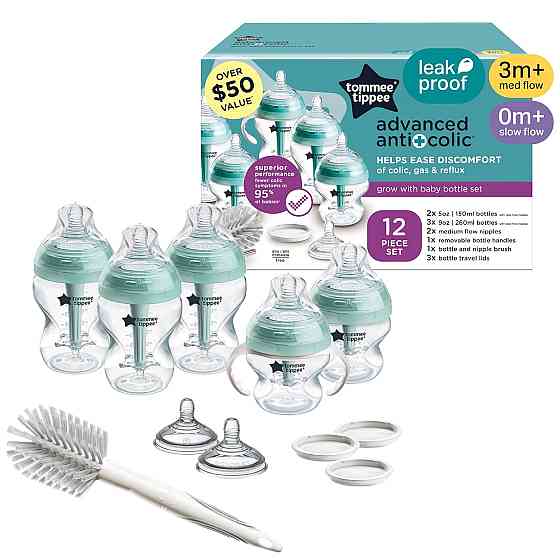
Night feeding is normal in this stage. Many newborns do not yet have a stable circadian rhythm and wake because of hunger. Feed duration also varies: some babies transfer milk efficiently, while others need more time or support. With bottle feeding, caregivers should watch the baby’s cues and consider responsive bottle feeding, including paced pauses and stopping when the baby signals fullness, rather than encouraging the infant to finish a predetermined volume.
During the early postnatal period, clinicians may recommend waking an unusually sleepy newborn for feeds, particularly if there are concerns about intake, jaundice, dehydration, prematurity, or weight loss. Once adequate growth and feeding have been established, the care team can advise whether overnight waking remains necessary. Do not use water, juice, cereal, or other foods in place of breast milk or formula for a young infant unless specifically directed by a healthcare professional.
About 2 to 6 months: a gradually more predictable pattern
From approximately 2 to 6 months, many babies continue to take breast milk or infant formula as their sole or primary nutrition. Breastfed infants may still feed 8 to 12 times daily, while some feed less often as milk transfer becomes more efficient. Formula-fed infants commonly feed around 5 to 6 times daily, but the amount and interval vary by infant and product guidance. A baby may have several closely spaced feeds on one day and longer intervals on another.
Do not interpret longer sleep as proof that a baby is ready for solids, and do not add cereal to a bottle to promote sleep. Complementary foods are generally introduced at about 6 months when the infant demonstrates developmental readiness, not simply because the baby reaches a particular weight or begins waking at night. Before that transition, breast milk or appropriately prepared infant formula supplies the energy, protein, fat, vitamins, minerals, and fluid required for most healthy infants.
Continue to respond to appetite. Feeding too frequently can sometimes reflect comfort-seeking, reflux-like behavior, difficulty transferring milk, or another issue, while unusually infrequent feeds may reflect excessive sleepiness or inadequate intake. Persistent uncertainty about feeding intervals, vomiting, coughing during feeds, or poor coordination merits professional review.
Around 6 to 8 months: introducing complementary foods
At around 6 months, complementary feeding begins alongside continued breast milk or infant formula. The purpose of early solids is to complement milk, expose the infant to new tastes and textures, and support developing oral-motor skills. Milk feeds should not be abruptly displaced. Many infants begin with a small amount of food once daily, then gradually increase toward two or three opportunities to eat, depending on interest and readiness.
At this stage, a meal may consist of only a few spoonfuls, soft finger foods, or a combination. Intake can be highly variable; some food may be explored rather than swallowed. Offer food when the baby is alert and neither extremely hungry nor already tired. Sit the infant upright and supervise continuously. Use smooth, mashed, minced, or soft dissolvable textures that match the baby’s skills, and progress texture as abilities develop rather than maintaining purees indefinitely.
Choose nutrient-dense foods, especially iron-rich foods for babies. Examples include meat, poultry, fish with appropriate preparation, beans, lentils, tofu, eggs, and iron-fortified infant cereals. Introduce common allergenic foods in safe forms when developmentally appropriate and discuss individualized precautions with a clinician if the infant has severe eczema, an existing food allergy, or another relevant risk factor. Breast milk or formula remains central during this period, and plain water may be offered in small amounts with meals once solids begin, according to local clinical guidance.
About 9 to 12 months: meals become more established
From 9 to 12 months, many infants move toward three small meals each day while continuing regular breast milk or formula feeds. Some also need one or two nutritious snacks, particularly if meals are small. The exact pattern depends on appetite, milk intake, sleep, and family routines. Breastfeeding may remain frequent and flexible. Formula-fed infants commonly continue several milk feeds daily, with the total amount guided by hunger cues, growth, and advice from the child’s clinician.
Food should increasingly resemble a modified version of balanced family meals, without added salt or sugar and with safe preparation. Offer soft pieces and thicker textures that encourage chewing and self-feeding. Include sources of iron, vegetables and fruit, grains or starchy foods, and energy-dense foods such as full-fat yogurt or nut butter thinned and spread safely. Avoid choking hazards such as whole nuts, whole grapes, raw hard vegetables, chunks of meat, popcorn, and sticky spoonfuls of nut butter. Never leave an infant unattended while eating.
By 12 months, many children can participate in three family-style meals and may have snacks, but breast milk or formula transitions should still be individualized. Cow’s milk can be used as a beverage after 12 months for most children, but it should not replace breast milk or infant formula before then unless a healthcare professional gives specific advice. Honey should be avoided before 12 months because of the risk of infant botulism.
How to tell whether the pattern is working
A feeding pattern is generally reassuring when the baby is alert for feeds, demonstrates hunger and fullness cues, has regular periods of contentment, and follows an appropriate growth trajectory. Wet diaper output is particularly useful in the newborn period, but expected numbers change with age and should be interpreted by a clinician when there is concern. Stool frequency varies widely, especially between breastfed and formula-fed infants, so stool count alone does not establish adequate intake.
Keep a short record if recommended by your healthcare team. Note approximate feed times, breast or bottle feeding, formula preparation, solid-food exposure, vomiting, and diaper output. Avoid turning the record into a demand to make every feed identical. The goal is to identify trends and support clinical assessment, not to force intake.
Contact a healthcare professional promptly if the infant is difficult to wake for feeds, has markedly fewer wet diapers, repeatedly vomits, struggles to breathe or coordinate sucking and swallowing, coughs or chokes frequently, has blood in the stool, refuses multiple feeds, or is not gaining weight as expected. Seek urgent care for signs of severe dehydration, breathing difficulty, bluish discoloration, or unusual unresponsiveness.
When to seek medical advice
- A newborn is feeding substantially fewer times than usual or cannot be roused adequately for feeds.
- Wet diapers decrease noticeably, the mouth appears dry, or the infant has other possible signs of dehydration.
- The baby repeatedly coughs, chokes, turns blue, or has difficulty coordinating breathing and swallowing during feeds.
- Vomiting is persistent, forceful, green, or associated with lethargy or poor intake.
- Growth, weight gain, or feeding effectiveness is a concern.
Tools & Assistance
- A simple 24-hour feeding and diaper log
- Routine weight checks with a pediatrician, family physician, or public health nurse
- Lactation support for breastfeeding, pumping, or milk-transfer concerns
- A feeding evaluation by an appropriately trained clinician for coughing, choking, or oral-motor difficulty
- Local infant first-aid and choking-response education
FAQ
Should I wake my newborn to feed?
Sometimes. Clinicians may advise waking a newborn when intake, jaundice, prematurity, or weight gain is a concern. Once growth and feeding are established, ask the baby's healthcare professional whether waking overnight is still needed.
Is feeding every two hours normal?
It can be normal, particularly in the newborn period and for some breastfed infants. Frequency should be considered with feeding effectiveness, diaper output, behavior, and growth rather than judged by the interval alone.
When should a baby start eating solids more than once a day?
Many babies begin with a small opportunity once daily around 6 months and gradually progress to two or three meals as they show interest and tolerate textures. Breast milk or formula remains important throughout the first year.
Does starting solids mean my baby will need fewer milk feeds immediately?
Usually not. Early solids provide practice and complementary nutrition, and milk feeds often remain similar at first. Intake changes gradually according to the baby's appetite and development.
How often should a 10-month-old eat?
A common pattern is three small meals, with one or two snacks if needed, plus regular breast milk or formula feeds. Appetite varies from day to day, so responsive feeding and growth monitoring are more useful than a rigid timetable.
Sources
- World Health Organization — Infant and young child feeding
- MedlinePlus — Feeding patterns and diet - babies and infants
- Johns Hopkins Medicine — Feeding Guide for the First Year
Disclaimer
This article is for general educational purposes and does not replace individualized medical advice, diagnosis, or treatment. Consult your baby's healthcare professional for feeding concerns, growth questions, allergies, prematurity, or illness.















Please log in to leave a comment.