
Intro
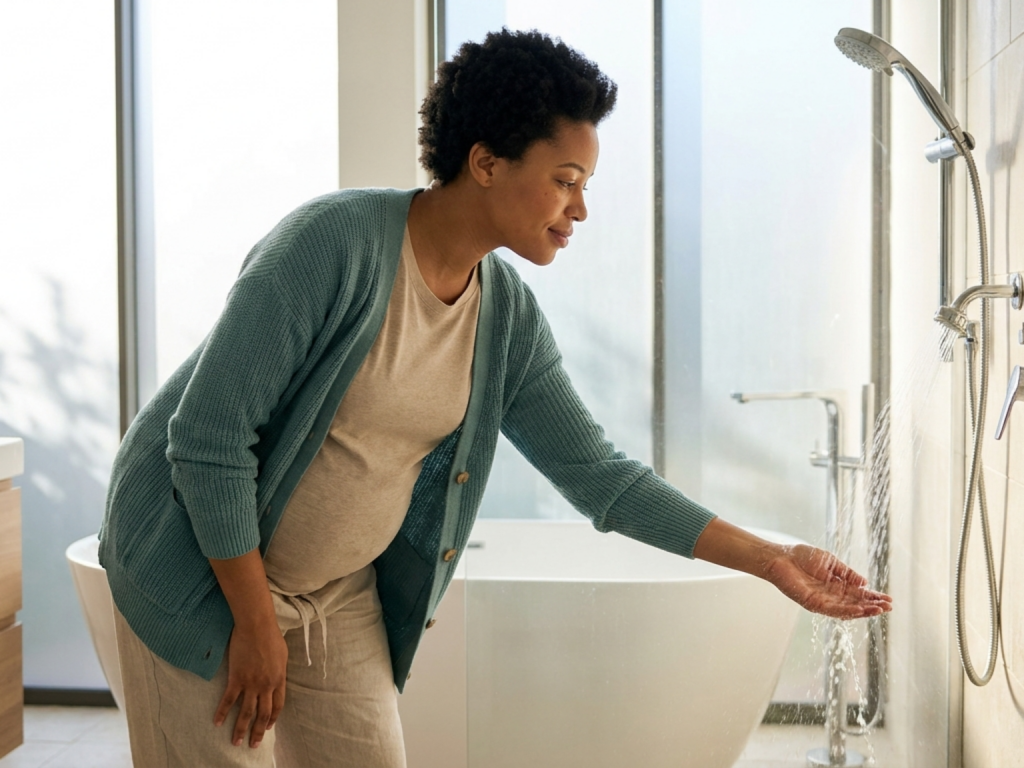
During pregnancy, a warm bathroom can feel like a small relief from nausea, aches, and stress. It is understandable to want the fastest route to comfort, whether that means stepping into a shower or sinking into a bath.
But hot water is not automatically harmless just because it is familiar. Pregnancy changes circulation, balance, and heat tolerance, so the safety question is less about “shower or bath” and more about temperature, duration, ventilation, and your own medical situation.
Highlights
A hot shower is often easier to stop and cool down from, but it can still overheat you if it is very hot or prolonged.
A hot bath holds heat around the body for longer, which can increase overheating risk and add slipping or drowning hazards.
In pregnancy, the main concern is maternal hyperthermia, which means your body temperature rises too much for too long.
Dizziness, fainting, and confusion matter because they can signal heat stress and also increase the chance of a fall.
If you have heart disease, uncontrolled blood pressure, or feel unwell, personalized advice from a clinician is the safest route.
Why the two experiences are not the same
Hot showers and hot baths both expose you to heat, but they do so in different ways. A shower delivers water over the body and usually allows faster escape and cooling. A bath surrounds much more of the body with warm water, so heat transfer continues more continuously and it is easier to stay in the heat longer than intended.
That difference matters in pregnancy because circulation is already changing. Blood vessels dilate more readily, and many pregnant people notice lower blood pressure, more lightheadedness, or a faster sense of overheating. A situation that feels merely soothing to one person can trigger presyncope, which is the “about to faint” feeling, in another.
In practical terms, the question is not whether one option is universally safe. The better question is which one gives you more control. A shower may feel safer if you need to step out quickly, while a bath may feel safer only if it is warm rather than hot, brief, and closely monitored. Comfort and safety can overlap, but they are not identical.
The main medical issue is overheating
The core concern with either option is raising your core body temperature in pregnancy too much or for too long. Hot water can promote vasodilation, meaning your blood vessels widen and you may lose blood pressure more easily. That is one reason people can feel flushed, woozy, or nauseated in a hot shower or bath.
Most healthy adults tolerate moderate warmth well, but pregnancy is not a neutral state. Heat stress can feel worse when you are dehydrated, sleep-deprived, or already dealing with nausea. It is especially important to take symptoms seriously if you start to feel headache, palpitations, chest discomfort, weakness, or confusion, because those are not simply “normal pregnancy discomforts.”
From a safety perspective, very hot water and long exposure are the combination to avoid. A warm, brief shower is not the same as standing in heavy steam for a long time or soaking until you are flushed and dizzy. If you are unsure what your body is tolerating, the safest move is to reduce the temperature and shorten the exposure rather than trying to push through.
Why hot baths carry extra risk
Baths have one clear difference from showers: immersion. The water surrounds you, and that can make overheating more likely because the body cannot shed heat as easily. Harvard Health notes that very hot baths can lead to overheating, confusion, and even drowning. In pregnancy, that combination is especially concerning if you are alone, tired, or already feeling faint.
Baths also create a fall hazard. Getting in and out of a tub asks a lot from balance, hip stability, and grip strength, all of which can be affected by pregnancy. If you slip while entering or exiting, the risk is not limited to a bruise. You may strike the tub edge, twist awkwardly, or become trapped in an awkward position if you are dizzy.
This is where bath water temperature safety becomes more than a comfort issue. It is about how long you can remain in the water, whether you can get out quickly, and whether another adult would notice if you became confused or faint. For that reason, a hot bath is generally less forgiving than a hot shower when it comes to rapid cooling and emergency response.
Shower safety is better, not automatic
Many pregnant people prefer showers because they feel easier to control. You can lower the temperature, step out, sit down, or rinse off quickly. That said, a hot shower can still become unsafe if the bathroom is closed off, humid, and poorly ventilated. Steam raises the overall heat load, so the shower water itself is not the only factor.
Falls are also common enough to deserve attention. Wet floors, soap residue, and turning movements can make even a familiar bathroom feel unpredictable. If you already have pelvic girdle pain, back pain, or a change in your center of gravity, the risk goes up further. For some people, non-slip surfaces and grab bars are not a luxury; they are a simple harm-reduction step.
If you use a shower chair for pregnancy, that can lower the effort required to stand for long periods and may reduce dizziness in people who become symptomatic quickly. A seated shower does not eliminate heat risk, but it can make the experience more controlled and less exhausting.
Practical ways to make either option safer
If you want the soothing effect without the same level of risk, think in terms of shortening, cooling, and supporting. Keep the water warm rather than very hot, and avoid staying in long enough to feel flushed, weak, or mentally foggy. A short shower is often easier to self-monitor than a prolonged bath because you can notice discomfort and stop sooner.
Hydration matters too. Dehydration lowers your tolerance for heat and can worsen dizziness, which is why dehydration and fainting in pregnancy are a relevant safety issue here. Drink before and after bathing, and be cautious if you have been vomiting, fasting, or spending time in a very warm environment.
Simple setup changes can help:
- Leave the bathroom door partially open or improve ventilation if possible.
- Keep a towel, water, and phone within reach before you start.
- Use a non-slip mat and avoid rushing when stepping in or out.
- Do not bathe alone if you already feel lightheaded or unsteady.
If you notice pregnancy heat illness symptoms such as marked dizziness, nausea, sweating followed by feeling unwell, or confusion, stop immediately and cool down. If symptoms do not settle promptly, seek medical help.
When individualized medical advice matters most
For many pregnant people, the safest answer is a moderate shower or bath, kept brief and comfortably warm. But some situations deserve more caution. Harvard Health notes that people with unstable angina, poorly controlled high blood pressure, or other serious heart conditions should avoid very hot bathing environments. That advice is relevant in pregnancy because cardiovascular reserve is already being tested.
If you have a history of fainting, a cardiac condition, significant anemia, or another reason you do not tolerate heat well, ask your obstetric clinician what level of warmth is reasonable for you. The same applies if you feel unusually short of breath, have palpitations, or become symptomatic in the bathroom more than once. A personalized answer is better than trying to guess based on how other people feel.
For most pregnant people, the goal is not to eliminate bathing entirely. It is to preserve comfort while avoiding unnecessary heat strain. A warm, brief shower may be the easiest compromise; a hot bath is usually the less safe option because it combines prolonged heat exposure with reduced ability to cool down quickly.
Get urgent help if you notice
- Confusion, collapse, or inability to stay awake
- Fainting, near-fainting, or severe dizziness
- Chest pain, marked shortness of breath, or strong palpitations
- You cannot cool down after leaving the water
- A fall, abdominal impact, or bleeding
Tools & Assistance
- Ask your obstetric clinician whether heat exposure limits apply to you
- Use a bathroom thermometer only as a rough guide; your symptoms matter too
- Install or check a non-slip bath mat and grab bars
- Keep drinking water nearby before and after bathing
- If you feel faint, sit or lie down and call for help if needed
FAQ
Is a hot shower safer than a hot bath in pregnancy?
Usually yes, because a shower is easier to stop and cool down from. But a very hot or long shower can still cause overheating, dizziness, or a fall.
Can I take a warm bath while pregnant?
Many pregnant people can tolerate a warm, brief bath, but the bath should not be very hot or prolonged. If you feel flushed, dizzy, or confused, get out and cool down.
Why is immersion more concerning than showering?
Immersion keeps heat around the body longer and can make it harder to shed heat. It also increases the consequences of fainting, slipping, or delayed rescue.
What symptoms mean I should stop immediately?
Stop if you feel faint, weak, confused, nauseated, or unusually short of breath. Those symptoms can reflect heat stress and should not be ignored.
Who should ask a clinician before using hot water?
Anyone with heart disease, poorly controlled blood pressure, recurrent fainting, or a pregnancy complication that affects circulation or hydration should get individualized advice.
Sources
- Harvard Health Publishing — Can hot baths protect your heart?
- Harvard Health Publishing — Hot baths and saunas: Beneficial for your heart?
- PubMed Central / NIH — Unveiling Lethal Risks Lurking in Hot Tub Baths
Disclaimer
This article is for educational purposes only and does not replace personalized medical advice. If you are pregnant or have symptoms, heart disease, blood pressure concerns, or fainting, please speak with a qualified healthcare professional.















Please log in to leave a comment.