
Intro
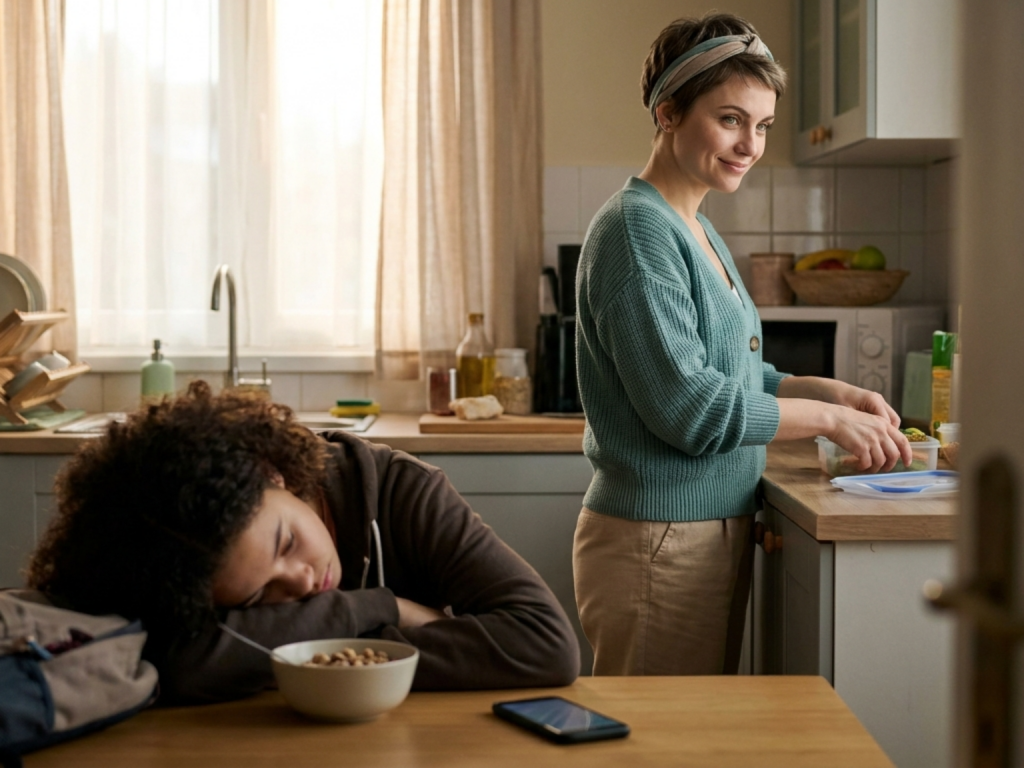
Teen sleep deprivation is not simply a matter of laziness, poor discipline, or too many late nights. Adolescence brings a real biologic shift in circadian timing, while school schedules, homework, social life, devices, sports, jobs, and stress often push sleep even later. Many families are left trying to support a teenager who is exhausted, irritable, anxious, or struggling at school, without knowing which changes are realistic.
This article explains why teens are vulnerable to chronic sleep loss, what it can do to mood and learning, and when it is wise to involve a healthcare professional. It is written for a medically literate reader but keeps the focus practical and compassionate.
Highlights
Most teenagers need about 8 to 10 hours of sleep per night, and some research suggests optimal functioning may require around 9 hours or more.
Puberty commonly shifts the circadian rhythm later, so a teen may not feel sleepy until late evening even when they must wake early for school.
Chronic sleep restriction is associated with impaired attention, emotional dysregulation, anxiety and depressive symptoms, risky behavior, and drowsy driving.
Sleep problems can be both a contributor to and a consequence of mental health concerns, so persistent changes deserve careful assessment rather than blame.
Why teenagers are biologically prone to sleep deprivation
Teen sleep deprivation begins with a mismatch between biology and schedule. Around puberty, the circadian system commonly shifts later, a pattern often called adolescent circadian delay. Melatonin secretion tends to begin later in the evening, and the homeostatic sleep drive may accumulate more slowly across the day. In practical terms, a teenager who was sleepy at 9:00 p.m. as a younger child may now feel physiologically alert at that time, even if they still need a long sleep opportunity.
This is why puberty and delayed sleep onset can look like defiance when it is partly neurobiologic. A teen may go to bed at a reasonable hour but lie awake, then become increasingly anxious about not sleeping. If the alarm still rings at 6:00 a.m., the result is chronic sleep restriction, not because the body needs less sleep but because the sleep window has been compressed.
Teenagers generally need more sleep than adults. Many adult schedules normalize 7 to 8 hours, but adolescents often need 8 to 10 hours, with some evidence suggesting optimal functioning around 9 hours. Understanding child sleep needs by age helps families see that a high school student is not simply a small adult with adult sleep requirements.
How modern schedules turn delayed sleep into chronic sleep debt
A later biologic clock becomes a problem when the external world demands early waking. Early school start times are a major driver: a teen who cannot fall asleep until 11:30 p.m. but must wake at 6:00 a.m. receives only 6.5 hours in bed, before accounting for time to fall asleep, nighttime awakenings, or early-morning stress. Over a school week, that gap becomes a substantial sleep debt.
Academic pressure, extracurricular activities, evening sports, part-time work, commuting, caregiving responsibilities, and social communication all compete with sleep. Digital devices may add several mechanisms: light exposure can delay circadian timing, interactive content can increase cognitive arousal, and notifications can fragment sleep. The issue is not that every screen causes insomnia, but that late, stimulating, and unpredictable technology use can make an already narrow sleep window even narrower.
Weekend catch-up sleep can help temporarily, but sleeping very late on weekends may further delay the circadian rhythm. Families often notice a cycle: the teen is sleep-deprived Monday through Friday, sleeps until noon on Saturday, cannot fall asleep Sunday night, and starts the week exhausted again. This pattern is common, and it is more useful to treat it as a system problem than as a character flaw.
Effects on learning, attention, and physical safety
Sleep supports attention, working memory, executive function, emotional learning, and synaptic plasticity. When teens are chronically sleep restricted, they may read the same paragraph repeatedly, forget assignments, make careless errors, or appear unmotivated. In the classroom, sleep loss can resemble inattention or poor effort; in some adolescents, it may worsen symptoms associated with ADHD or make existing attentional vulnerabilities more visible.
Sleep deprivation also affects metabolic, immune, and autonomic regulation. Teens may report headaches, gastrointestinal discomfort, frequent minor illnesses, dizziness, or nonspecific fatigue. These symptoms are not diagnostic by themselves, and many medical conditions can cause them, but insufficient sleep is a common and modifiable contributor.
Safety is a major concern. Drowsy driving is particularly dangerous because adolescents are newer drivers and may underestimate impairment. Sleep restriction slows reaction time, reduces vigilance, and increases microsleeps, brief episodes of unintended sleep that can occur without warning. A teen who drives early in the morning, late after practice, or after several short nights may be at increased risk even if they insist they feel “fine.”
Mood, impulse control, and mental health connections
The relationship between sleep and mental health is bidirectional. Anxiety can make it harder to fall asleep; insufficient sleep can amplify threat sensitivity, rumination, irritability, and panic-like sensations. Depression can change sleep timing and quality; chronic short sleep can increase vulnerability to depressive symptoms. Longitudinal research has linked very short sleep, particularly less than 6 hours per night, with later anxiety and depression symptoms in adolescents.
Sleep loss also impairs prefrontal regulation of limbic reactivity. Clinically, this may look like emotional volatility, impulsive decisions, conflict at home, or sudden tearfulness. Families navigating teen behavior challenges and independence may misinterpret exhaustion-driven dysregulation as deliberate disrespect. Boundaries still matter, but the intervention may need to include sleep recovery, not only consequences.
Suicide risk deserves special caution. Research cited in the medical literature associates sleep problems with suicidal ideation and behavior, and one analysis described a dose-response relationship in which suicide plan risk rose as sleep duration decreased. Sleep loss is not the sole cause of suicidality, but persistent insomnia, extreme sleep restriction, or abrupt sleep changes alongside hopelessness, withdrawal, self-harm, or talk of death should be treated urgently.
Common signs a teen may not be getting enough sleep
Some teenagers are obviously sleepy: they nap unintentionally, fall asleep in class, or sleep for very long periods on weekends. Others show subtler patterns, especially if they use caffeine, adrenaline, or constant activity to push through the day.
- Difficulty waking most school mornings, despite adequate alarms or parental help.
- Large differences between school-night and weekend sleep schedules.
- Frequent irritability, tearfulness, low frustration tolerance, or emotional “shutdowns.”
- Declining grades, missed assignments, reduced concentration, or slower processing speed.
- Regular caffeine use to function, especially in the afternoon or evening.
- Unplanned naps after school that make bedtime later.
- Morning headaches, persistent fatigue, or feeling unrefreshed after sleep.
It is also important to consider sleep quality, not only sleep duration. Loud snoring, witnessed pauses in breathing, restless legs, repeated awakenings, nightmares, nocturnal panic, medication effects, pain, and substance use can all reduce restorative sleep. A sleep diary for one to two weeks can help clarify bedtime, sleep onset, awakenings, wake time, naps, caffeine, exercise, and mood patterns.
Practical ways families can support healthier teen sleep
The goal is not to control every minute of a teenager’s evening. Sustainable sleep improvement usually works best when the teen is involved in problem-solving and understands the rationale. Start with a calm conversation at a neutral time: “You seem exhausted, and I want us to make mornings less painful,” is often more effective than “You need to go to bed earlier.”
A consistent wake time is a powerful circadian cue. If possible, keep weekend wake time within about one to two hours of the school-day wake time, while still allowing some recovery sleep. Morning bright light, breakfast, and movement can help anchor the body clock earlier. Evening routines should reduce stimulation: dimmer lights, predictable wind-down time, and a device plan that the teen helps design.
Because many teens cannot simply fall asleep at an earlier clock time, shifting sleep earlier may need gradual steps. For example, moving wake time and bedtime by 15 to 30 minutes every few days can be more realistic than demanding an immediate two-hour change. Caffeine should generally be avoided later in the day, and long late-afternoon naps may need to be shortened or moved earlier.
Parents can also advocate at the systems level. Later school start times align better with adolescent biology and are supported by sleep science. Not every family can change the school schedule, but recognizing the mismatch can reduce shame and guide safer planning around transportation, homework, sports, and technology.
When to seek medical or mental health support
Professional input is appropriate when sleep problems are persistent, severe, worsening, or associated with functional impairment. A pediatrician, adolescent medicine clinician, sleep specialist, or mental health professional can help assess for insomnia disorder, delayed sleep-wake phase disorder, obstructive sleep apnea, restless legs syndrome, depression, anxiety, trauma-related symptoms, medication effects, substance use, and other contributors.
Seek prompt help if a teen sleeps less than 6 hours most nights, cannot stay awake during the day, has dangerous drowsy-driving episodes, snores loudly with breathing pauses, has significant weight change or medical symptoms, or shows marked mood deterioration. Any suicidal thoughts, self-harm, talk of wanting to die, or inability to stay safe requires urgent evaluation through local emergency services, a crisis line, or an emergency department.
Medication and supplements should not be started casually. Melatonin, antihistamines, sedatives, stimulants, and antidepressants can all affect sleep architecture, circadian timing, alertness, and mood. The safest approach is individualized assessment, especially for teens with neurodevelopmental conditions, psychiatric symptoms, chronic illness, or multiple medications.
Seek urgent help if safety is a concern
- A teen who expresses suicidal thoughts, self-harm, or intent to die needs immediate professional support.
- Do not allow a severely sleepy teen to drive; arrange alternative transportation.
- Loud snoring with pauses in breathing, gasping, or severe morning headaches should be medically assessed.
- Persistent sleep under 6 hours per night with mood decline, panic, or school failure warrants prompt evaluation.
- Avoid starting sleep medicines or supplements without discussing risks and dosing with a qualified clinician.
Tools & Assistance
- Keep a 1 to 2 week sleep diary with bedtimes, wake times, naps, caffeine, screens, and mood.
- Schedule a visit with a pediatrician or adolescent medicine clinician if sleep loss is persistent or impairing.
- Ask the school about workload, start-time policies, counseling support, and transportation safety.
- Create a collaborative family device plan for the final hour before sleep.
- Use emergency services or a crisis line immediately if there is suicidal thinking or inability to stay safe.
FAQ
How much sleep do most teenagers need?
Most teens need about 8 to 10 hours per night, and many function best near 9 hours. Individual needs vary, but regular 5 to 6 hour nights are generally not enough.
Is my teen staying up late by choice?
Sometimes choices matter, but puberty often shifts the circadian rhythm later. A supportive plan works better than assuming laziness or defiance.
Can sleep deprivation mimic ADHD or depression?
It can worsen attention, motivation, emotional regulation, and mood. It does not prove or rule out ADHD or depression, so persistent concerns should be assessed professionally.
Are weekend sleep-ins helpful?
Some catch-up sleep may reduce acute sleepiness, but very late weekend wake times can delay the body clock and make Sunday night insomnia worse.
Should teens take melatonin?
Melatonin may be appropriate in selected cases, but timing, dose, diagnosis, and interactions matter. Discuss it with a clinician before use.
Sources
- National Institutes of Health / PubMed Central — Sleep Deprivation and Insomnia in Adolescence
- American Psychological Association — Sleep deprivation may be undermining teen health
- Stanford Medicine — Among teens, sleep deprivation an epidemic
Disclaimer
This article is for informational purposes only and does not replace medical, mental health, or emergency care. Consult a qualified healthcare professional for concerns about a teenager’s sleep, mood, safety, or medications.
















Please log in to leave a comment.