
Intro
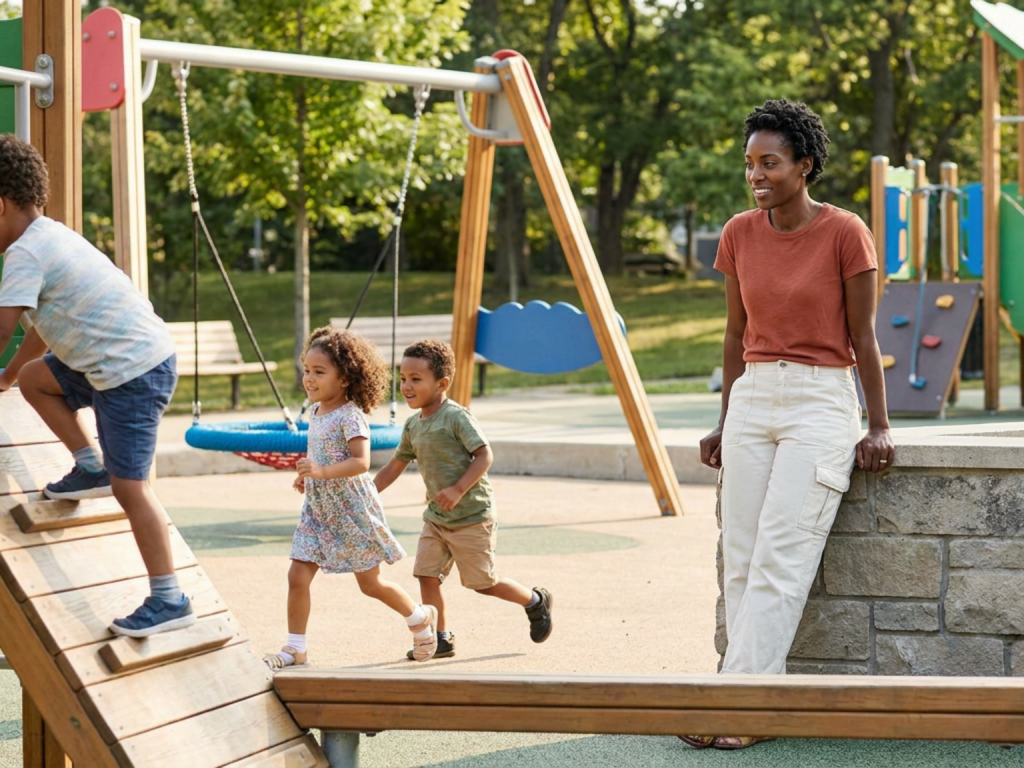
Physical play is much more than “burning off energy.” For children, movement-based play is a biologically meaningful way to build motor control, cardiorespiratory fitness, muscular strength, confidence, social judgment, and emotional regulation. It may look spontaneous, noisy, repetitive, or messy, but it often reflects the nervous system practicing skills that matter for daily life.
Parents and caregivers do not need to turn play into a formal exercise program. The goal is to create safe, inviting conditions where children can move, explore, test limits, rest, and try again. When a child has pain, unexplained fatigue, developmental concerns, chronic illness, disability, or recent injury, a pediatric healthcare professional can help tailor activity safely.
Highlights
Physical play includes different patterns across childhood, from infant rhythmic movements to running games and rough-and-tumble play.
Active play supports motor coordination, bone strength, muscular fitness, brain health, mood, and social learning.
Children are more likely to move when play feels enjoyable, safe, socially welcoming, and available in accessible spaces.
Risk is not the same as danger: developmentally appropriate challenge helps children learn body awareness and problem-solving.
Medical or developmental concerns should prompt individualized advice rather than avoidance of movement altogether.
What physical play means
Physical play is child-led or partly child-led movement that is done for enjoyment, exploration, mastery, or social connection. It includes rolling, crawling, climbing, jumping, chasing, dancing, balancing, throwing, wrestling games, obstacle courses, bike riding, playground play, and many forms of outdoor active play. Unlike structured sport, it does not always have rules, teams, scores, or adult-defined goals.
Developmental science often describes several forms of physical activity play. In infancy, rhythmic stereotypies are repetitive movements such as kicking, rocking, waving, or bouncing. These can be part of early neuromotor exploration as the infant’s brain, vestibular system, muscles, and joints learn patterns of control. Later, exercise play becomes more obvious: running, jumping, climbing, skipping, and other vigorous movements that challenge strength, endurance, coordination, and postural control. In preschool and middle childhood, rough-and-tumble play may appear as playful chasing, tumbling, mock fighting, and body-to-body games with shared enjoyment.
These categories are not rigid stages, and children differ widely. A child may enjoy spinning at age 2, climbing at age 4, and pretend superhero chasing at age 7. Physical play should be understood as a developmental language: children are communicating curiosity, confidence, arousal level, sensory needs, and social interest through movement.
How physical play changes by age
In babies, movement play begins with repeated sensory-motor experiments. Supervised tummy time, reaching, rolling, kicking, grasping feet, and pivoting all support early motor control. The infant is learning how the head, eyes, trunk, arms, and legs work together against gravity. This is not “exercise” in the adult sense, but it is physically demanding developmental work.
In toddlers, physical play becomes more mobile and independent. Walking, running with an uneven gait, pushing toys, squatting, climbing steps, dancing, and carrying objects help refine balance, bilateral coordination, and motor planning. Safe active play for toddlers often involves close supervision because judgment and impulse control are still immature. A toddler may be physically able to climb before they can understand fall risk.
Preschoolers typically add imagination, speed, and peer interaction. They may build obstacle courses, jump from low surfaces, chase bubbles, pedal, throw balls, or act out animal movements. Play-based learning in preschoolers often blends motor skills with language, sequencing, counting, problem-solving, and emotional negotiation. A game of “floor is lava” may involve balance, inhibition, planning, turn-taking, and flexible thinking.
School-age children often seek more complex challenges: team games, cycling, skating, swimming, dance, martial arts, playground competitions, and rough-and-tumble play with friends. They can understand rules better, but they still need adults to monitor safety, inclusion, hydration, equipment, and emotional tone. Physical play remains valuable even when children begin organized sports; free play gives them autonomy and creativity that structured training may not provide.
Why physical play matters for the body and brain
Physical play supports multiple organ systems. Weight-bearing activity helps stimulate bone mineral accrual during childhood, a critical period for skeletal development. Running, jumping, climbing, and resistance-like movements improve muscular fitness and neuromuscular coordination. Vigorous play can support heart and lung health by challenging cardiorespiratory capacity in short, natural bursts.
The brain also benefits. Movement demands sensory integration, motor planning, attention shifting, inhibition, and prediction. When a child decides whether a jump is safe, adjusts balance mid-step, or changes direction during a chase game, the nervous system is integrating visual, vestibular, proprioceptive, and executive function information. Physical activity is associated with better brain health and can support academic performance, not because play is a substitute for learning, but because movement and cognition are closely connected in childhood.
Mental health benefits are also important. Active play can reduce boredom, relieve stress, improve mood, and support sleep pressure later in the day. Public health guidance recognizes that physical activity reduces risk for depression, obesity, type 2 diabetes, and other chronic disease outcomes. For many children, joyful movement is one of the most accessible ways to experience competence in their bodies.
It is helpful to avoid framing physical play only around weight. Children vary in body size, appetite, growth tempo, disability status, and medical history. A supportive message is: “Your body is made to move, explore, rest, and become stronger,” rather than “You must exercise to change your body.”
The social and emotional work of active play
Physical play is often a social laboratory. Children learn how hard is too hard, how to read facial expressions, how to pause when someone says stop, and how to repair after accidental bumps. In rough-and-tumble play, the distinction between playful and aggressive behavior depends on consent, reciprocity, relaxed facial expression, turn-taking, and the ability to stop quickly.
Caregivers can coach without taking over. Helpful phrases include: “Check if they still want to play,” “Use gentle hands,” “Make a new rule together,” or “Pause and look at your friend’s face.” These prompts build social cognition and self-regulation. Emotion regulation during preschool play often improves when adults name the problem, set a boundary, and help children re-enter play safely rather than immediately ending all movement.
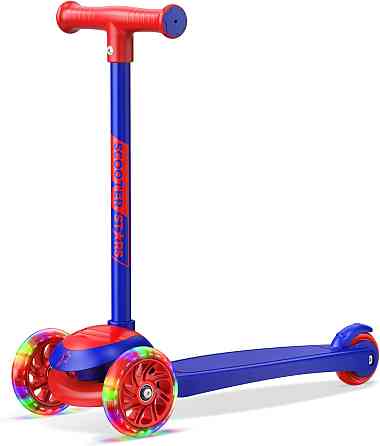
Active play also supports autonomy. Children often report that they like active play because it is fun, prevents boredom, and makes them feel good physically and mentally. This matters because intrinsic motivation predicts sustained participation better than pressure. A child who hates a competitive sport may still love hiking, scootering, dancing, swimming, playground climbing, or imaginative chase games.
Some children need extra support. Neurodivergent children, children with developmental coordination disorder, anxiety, sensory processing differences, hypermobility, asthma, congenital heart disease, or motor disability may benefit from adapted play. Adaptation can include smaller groups, predictable rules, sensory breaks, modified equipment, visual boundaries, or input from pediatric physical therapy evaluation when concerns are significant.
Creating environments that invite movement
Children’s active play is strongly shaped by environment. Accessible green spaces, safe sidewalks, cul-de-sacs, playgrounds, yards, community centers, and school recess all make movement easier. Barriers may include unsafe traffic, lack of supervision, rainy weather, excessive heat, poor lighting, bullying, fear of older children in play areas, limited equipment, or no nearby outdoor space.
Families can often improve the movement environment with small changes. Indoors, cushions, painter’s tape balance lines, soft balls, music, animal walks, yoga cards, and simple obstacle paths can create movement opportunities. Outdoors, playground visits, nature walks, water play, ball games, chalk courses, and neighborhood scavenger hunts can make physical activity feel playful rather than prescribed.
Safety matters, but over-restriction can unintentionally limit learning. Developmentally appropriate risk might include climbing a low structure, balancing on a curb, jumping from a safe height, or learning to ride a scooter with a helmet. Danger, by contrast, includes hazards the child cannot reasonably judge or survive well: traffic, unsafe water access, unstable furniture, trampolines without adequate safeguards, poorly maintained equipment, or play fighting that continues after a child says stop.
Practical safeguards include active supervision near water and heights, helmets for wheeled activities, weather-appropriate clothing, sun protection, hydration access, and checking equipment surfaces. Children with asthma, seizure disorders, diabetes, cardiac conditions, bleeding disorders, or recent concussion should follow individualized medical guidance for activity and return to play.
Balancing structure, freedom, and rest
Children benefit from both unstructured physical play and structured skill-building. Free play allows choice, creativity, pacing, and experimentation. Structured activities, such as swimming lessons, dance class, martial arts, gymnastics, or team sports, can teach technique, safety, persistence, and social routines. The healthiest mix depends on the child’s temperament, age, interests, family schedule, and medical context.
Adults can support movement by offering a rhythm rather than a rigid prescription: active outdoor time when possible, varied indoor movement during bad weather, calm transitions before meals or bedtime, and rest after intense play. Fatigue is normal after vigorous activity, but persistent exhaustion, chest pain, fainting, disproportionate breathlessness, unexplained limp, recurrent injuries, or loss of acquired motor skills should not be dismissed as laziness or clumsiness.
It is also important to protect joy. If every movement becomes performance, correction, or competition, some children withdraw. Praise effort, problem-solving, bravery, kindness, and body awareness rather than only speed or winning. For example: “You noticed that jump was too high and chose a safer one,” or “You waited for your friend before starting again.”
Screens are not the enemy, but long sedentary stretches can crowd out movement, sleep, and social play. Many families find it easier to add appealing movement before reducing screens: a walk after dinner, music while tidying, playground time after school, or a weekend nature routine. Consistency works best when adults model movement as a normal part of life, not a punishment.
When to ask for professional advice
Most variation in children’s physical play is normal. Some children are cautious observers; others are constant climbers. However, professional guidance is appropriate when movement raises safety, pain, endurance, coordination, or developmental concerns. Pediatricians, family physicians, pediatric physiotherapists, occupational therapists, and developmental specialists can help distinguish normal variation from concerns requiring evaluation.
Consider seeking advice if a child has persistent asymmetry, frequent falls beyond what seems age-typical, marked difficulty keeping up with peers, avoidance of movement due to fear or pain, delayed gross motor milestones, regression, recurrent joint swelling, chronic fatigue, exercise-triggered wheeze that is not already managed, or symptoms such as fainting or chest pain with exertion. Developmental surveillance and screening are especially important when caregivers notice a pattern over time.
Children with disabilities or chronic health conditions should still have opportunities for meaningful physical play whenever possible. The question is not whether play is allowed, but how to make it safe, accessible, and satisfying. Adaptive bikes, aquatic therapy settings, inclusive playgrounds, supportive footwear or orthotics when prescribed, modified rules, and peer education can all help children participate.
If an adult is unsure whether an activity is suitable after injury, surgery, concussion, acute illness, or a new diagnosis, it is safest to ask the child’s healthcare team. Avoid using online information as a substitute for individualized return-to-play recommendations.
Seek medical guidance promptly if
- A child has chest pain, fainting, blue lips, or severe breathlessness during activity.
- There is loss of acquired motor skills, new weakness, or persistent asymmetry.
- Pain, swelling, limping, or recurrent injuries interfere with play.
- Exercise triggers wheezing, dizziness, palpitations, or unusual fatigue.
- A child is returning to play after concussion, surgery, fracture, or serious illness.
Tools & Assistance
- Ask your pediatrician about activity safety if your child has a medical condition or recent injury.
- Use local parks, school playgrounds, community centers, and libraries for low-cost movement ideas.
- Consider a pediatric physical therapy evaluation for persistent motor coordination or strength concerns.
- Create an indoor movement kit with soft balls, tape lines, music, cushions, and simple obstacle materials.
- Keep helmets, sun protection, water, and weather-appropriate clothing available for active outings.
FAQ
Is rough-and-tumble play safe?
It can be safe when it is mutually enjoyable, supervised, and stops immediately when any child says no or looks distressed. Adults should set clear rules about heads, necks, hard surfaces, and consent.
What if my child dislikes sports?
Sports are only one form of physical activity. Dancing, hiking, swimming, playground climbing, cycling, martial arts, active pretend play, or adapted movement may be a better fit.
How much should parents direct physical play?
Children need both freedom and boundaries. Offer safe spaces, simple materials, and supervision, but allow choice and experimentation whenever possible.
Can children with chronic conditions play actively?
Often yes, with individualized guidance. Children with asthma, diabetes, heart conditions, seizure disorders, or physical disabilities may need tailored plans from their healthcare team.
When is clumsiness a concern?
Occasional falls are common, but persistent difficulty keeping up, frequent injuries, regression, pain, or major coordination concerns should be discussed with a healthcare professional.
Sources
- PubMed — Physical activity play: the nature and function of a neglected aspect of playing
- PubMed Central — Children's active play: self-reported motivators, barriers and facilitators
- Centers for Disease Control and Prevention — Health Benefits of Physical Activity for Children
Disclaimer
This article is for informational purposes only and does not replace medical evaluation, diagnosis, or treatment. Consult a qualified healthcare professional for concerns about a child’s activity, symptoms, development, or return to play.














Please log in to leave a comment.