
Intro
Bringing a baby home can make an ordinary room feel suddenly full of sharp corners, tiny objects, cords, heat sources, and unanswered questions. That reaction is not overprotective; it is an appropriate response to a baby’s rapid developmental change. A newborn who stays where placed can become an older infant who rolls, reaches, mouths objects, pulls to stand, and explores hazards long before they understand danger.
Home safety is not about creating a perfect environment or never looking away. It is about building layers of prevention: a safe sleep space, controlled access to water and stairs, reduced poisoning and choking risks, stable furniture, working alarms, and calm plans for stressful moments. If your baby was born preterm, has breathing, feeding, neurologic, cardiac, or mobility concerns, or uses medical equipment, ask your pediatric clinician which safety steps should be adapted for your baby’s needs.
Highlights
The safest home setup uses layers: supervision, physical barriers, safe equipment, and emergency readiness.
Safe sleep remains one of the most important daily safety practices: place baby on the back, on a firm, flat infant sleep surface, without loose bedding.
Choking, poisoning, burns, falls, and drowning can happen quickly, so prevention should be in place before a baby reaches the next milestone.
Caregiver fatigue and distress are real safety issues; having a plan for crying and taking breaks protects both baby and adult.
Babyproofing is not a one-time project. Recheck each room whenever your baby starts rolling, crawling, cruising, or climbing.
Start with a room-by-room safety scan
A practical way to begin is to view each room from a baby’s level. Sit or kneel on the floor and look for anything within reach: coins, batteries, medication, dangling cords, pet bowls, unstable furniture, small toy parts, plastic bags, cleaning products, and low electrical outlets. Babies explore by grasping and mouthing, so hazards that seem merely untidy to adults can become choking, poisoning, suffocation, or injury risks.
Prioritize the areas where your baby sleeps, eats, bathes, and spends floor time. Install outlet covers or safety plates, keep cords out of reach, use safety latches on cabinets containing hazardous products, and store heavy or breakable items away from edges. Anchor dressers, bookcases, televisions, and other furniture that could tip if a child pulls on them. Even before crawling, babies may kick, roll, or push in ways that change their position unexpectedly.
Think of babyproofing as a developmental checklist, not a single weekend project. Reassess when your baby begins rolling, sitting, crawling, pulling to stand, cruising, and climbing. A room that was safe for a newborn may not be safe for a mobile infant.
Create a safe sleep space every time
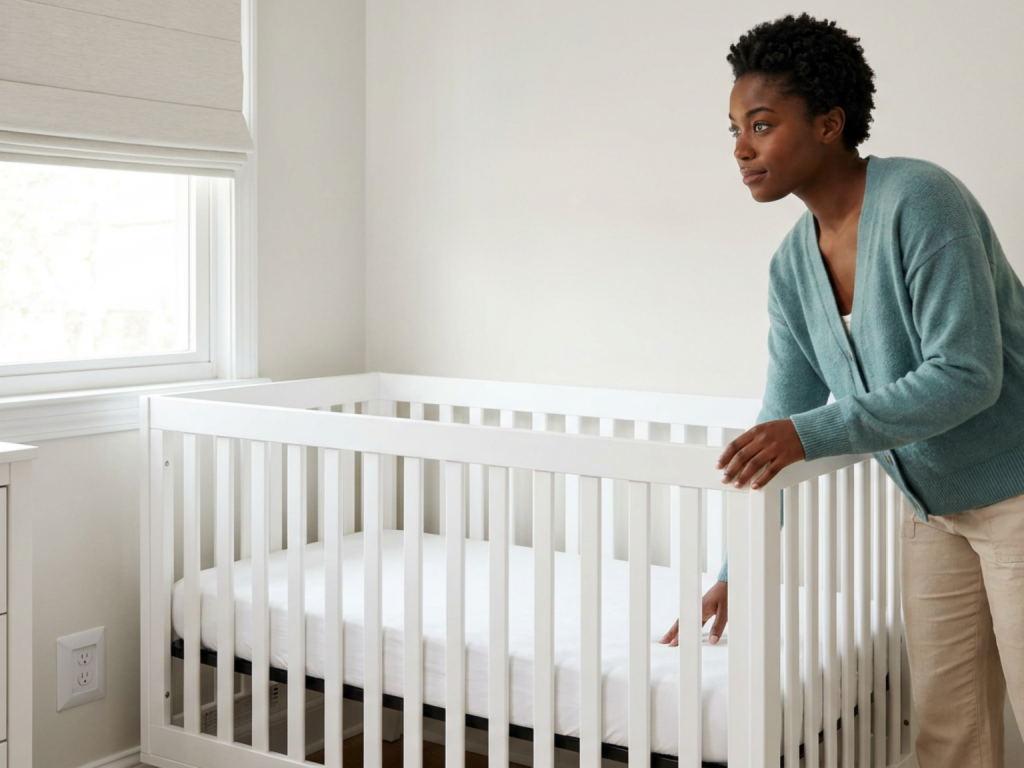
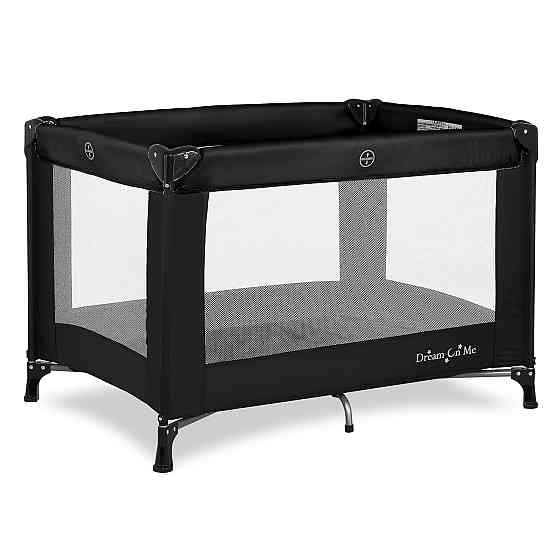
Sleep safety deserves special attention because babies sleep many times in a 24-hour period, often when caregivers are tired. Use a crib, bassinet, or play yard that meets current safety standards, with a firm, flat infant sleep surface and a fitted sheet only. Place baby on their back for sleep unless your healthcare professional gives a different instruction for a specific medical reason.
Keep pillows, quilts, comforters, bumper pads, soft toys, loose blankets, sleep positioners, and weighted items out of the sleep area. These can obstruct the airway or contribute to suffocation risk. Room-sharing without bed-sharing can make feeding and monitoring easier while keeping the baby on a separate sleep surface. Avoid letting a baby sleep unattended on sofas, adult beds, armchairs, nursing pillows, or inclined products not intended for sleep.
Temperature also matters. Dress your baby in a wearable blanket or appropriate sleep clothing rather than loose bedding, and avoid overheating during infant sleep. Signs that a baby may be too warm include sweating, flushed skin, or a chest that feels hot. If you swaddle, stop when your baby shows signs of trying to roll, and make sure the hips can flex and abduct naturally.
Prevent choking, suffocation, and airway hazards
Choking prevention starts with controlling the environment. Keep small objects out of reach, including coins, buttons, beads, pen caps, small magnets, jewelry, deflated balloons, and older siblings’ toys with small parts. Button batteries are especially dangerous because they can cause severe tissue injury if swallowed; keep them secured in devices and stored away.
Use age-appropriate toys and inspect them often for loose parts, tears, or broken pieces. Avoid plastic bags, dry-cleaning bags, and packaging materials around babies. Keep crib and blind cords far from sleeping and play areas, because cords can entangle around a baby’s neck. Choose cordless window coverings when possible, or secure cords high and out of reach.
Feeding safety is part of airway safety. Always supervise feeding, keep baby seated and supported, and follow your pediatric clinician’s guidance about readiness for solids and texture progression. If your baby has coughing, choking, color change, poor weight gain, recurrent respiratory symptoms, or known swallowing difficulty, ask for medical evaluation rather than trying to manage it alone.
Reduce fall risks from stairs, furniture, and baby gear
Falls are common as infants learn to move. Use hardware-mounted safety gates at the top of stairs and appropriate gates at the bottom. Pressure-mounted gates may be useful in some doorways, but they are not the safest choice for the top of stairs because they can dislodge. Keep stairs clear of toys, laundry, and clutter.
Never leave a baby unattended on a changing table, bed, sofa, counter, or other raised surface, even for a moment. Keep one hand on the baby during diaper changes and gather supplies first. Use safety straps on high chairs, strollers, swings, and bouncers according to the manufacturer’s instructions, but do not let straps replace supervision.
Place infant seats, car seats, and bouncers on the floor rather than on tables, counters, beds, or couches. Babies can shift their weight and cause equipment to tip or fall. When using a high chair, lock the tray and use the harness; place it away from counters, walls, or tables that a baby could push against with their feet.
Make the kitchen and bathroom safer
Kitchens combine heat, sharp objects, water, cords, and chemicals. Cook on back burners when possible, turn pot handles inward, and keep hot drinks away from table edges or your lap while holding baby. A mug of hot liquid can cause a serious scald. Keep knives, peelers, glassware, matches, alcohol, dishwasher detergent, and cleaning products locked or high out of reach.
Set your water heater to a safer maximum temperature, commonly recommended at 120°F or 49°C, to reduce scald risk. Always test bathwater with your wrist or elbow before placing baby in the tub. During bathing, keep one hand on the baby and stay within arm’s reach. If you forgot a towel, diaper, or phone, take the baby with you rather than stepping away.
Drowning can occur silently and in very shallow water. Empty tubs, buckets, basins, and wading pools immediately after use. Keep toilet lids closed and consider toilet locks if needed. Do not rely on bath seats or rings as safety devices; they can tip and do not replace direct, hands-on supervision.
Store medicines, chemicals, and risky household items securely
Poison prevention is a core part of home safety. Store all medicines, vitamins, supplements, nicotine products, cannabis products, alcohol, cleaning agents, laundry packets, pesticides, and personal care products in locked cabinets or high out of sight and reach. Child-resistant packaging helps, but it is not child-proof. Babies and toddlers can be persistent, and visitors may bring unsecured medications in bags or coat pockets.
Keep products in their original containers so labels and dosing information are not lost. Do not refer to medicine as candy. If a possible ingestion occurs, contact Poison Control or emergency services according to your local guidance; do not wait for symptoms or try home remedies unless a professional instructs you to do so.
Pay attention to less obvious hazards: essential oils, iron-containing vitamins, diaper creams, hand sanitizer, small magnets, button batteries, and plants. If you are unsure whether a product is dangerous, treat it as a potential exposure and seek expert advice promptly.
Use alarms, emergency planning, and safe routines
Install smoke alarms and carbon monoxide alarms on every level of the home and near sleeping areas, and test them regularly. Replace batteries and devices according to manufacturer instructions. Create a fire escape plan that includes who will pick up the baby, where you will meet outside, and how you will exit if the usual path is blocked.
Keep emergency numbers visible or saved in phones, including your pediatric clinic, local emergency number, and Poison Control if available in your country. Caregivers, babysitters, and relatives should know the baby’s medical conditions, allergies, medications, feeding needs, and safe sleep rules. If your baby uses oxygen, monitors, feeding tubes, or other medical equipment, ask the care team for written emergency instructions and backup power guidance.
Consider taking an infant CPR and first aid course from a reputable organization. Training does not prevent every emergency, but it can improve confidence and response time. If an injury, fall, burn, ingestion, breathing concern, seizure-like episode, or altered responsiveness occurs, seek urgent medical guidance rather than relying on observation alone.
Protect baby during stressful moments and around pets
Crying, sleep deprivation, and postpartum recovery can make even loving caregivers feel overwhelmed. This is a safety issue, not a character flaw. If you feel you might lose control, place the baby on their back in a safe sleep space, step away for a few minutes, breathe, call another adult, or contact a healthcare professional or crisis resource. Never shake, hit, throw, or roughly handle a baby; shaking can cause severe brain and retinal injury.
Plan ahead for caregiver stress during infant crying. Share night duties when possible, accept practical help, and discuss persistent crying, feeding difficulty, fever, vomiting, lethargy, or breathing changes with your pediatric clinician. Safe calming techniques for babies should be gentle and should not compromise the airway or sleep environment.
Supervise all interactions with pets, even familiar and gentle animals. Do not allow pets to sleep in the crib or bassinet. Keep pet food, water bowls, litter boxes, and small pet toys away from the baby’s play area. Introduce boundaries early so the baby has protected floor time and the pet has a safe space away from grabbing hands.
When to get urgent help
- Call emergency services if baby has trouble breathing, turns blue or gray, is unresponsive, or has a serious injury.
- Seek urgent advice after any possible poisoning, button battery ingestion, magnet ingestion, or medication exposure.
- Contact a healthcare professional after a significant fall, especially with vomiting, abnormal sleepiness, seizure-like activity, or behavior change.
- Get immediate care for burns involving the face, hands, genitals, large areas, blistering, or any burn in a very young infant.
- If you feel at risk of shaking or harming your baby, place baby safely down and call for help immediately.
Tools & Assistance
- Room-by-room baby safety checklist before each new mobility milestone
- Infant CPR and first aid class through a reputable local organization
- Poison Control number saved in every caregiver’s phone
- Smoke and carbon monoxide alarm testing schedule
- Pediatrician or child health nurse visit for individualized safety questions
FAQ
When should I start babyproofing?
Start before your baby becomes mobile, ideally during late pregnancy or the newborn period. Recheck the home at each milestone, especially rolling, crawling, pulling to stand, and climbing.
Are baby gates necessary if I supervise closely?
Supervision is essential, but barriers add protection during normal distractions. Use a hardware-mounted gate at the top of stairs and choose gates appropriate for each location.
Can my baby nap in a swing or car seat at home?
Use infant equipment according to its instructions. For routine sleep at home, move baby to a firm, flat sleep surface because inclined or seated positions may compromise airway safety.
What is the safest way to store medicines?
Keep all medicines, vitamins, and supplements in original containers, locked or high out of sight and reach. Do the same for visitors’ bags, which often contain unsecured medications.
How do I balance safety with not feeling anxious all day?
Focus on high-impact routines: safe sleep, water supervision, locked poisons, anchored furniture, alarms, and choking prevention. If worry feels persistent or intrusive, discuss it with a healthcare professional.
Sources
- Office on Women’s Health — Making your home safe for baby
- Safe Kids Worldwide — Baby
- Seattle Children’s Hospital — Safety Checklist for Home
Disclaimer
This article is for general educational purposes only and does not replace medical care. Consult your pediatrician or emergency services for concerns about your baby’s safety, injury, illness, or development.













Please log in to leave a comment.