

Intro
Combination feeding breast and formula means a baby receives both breast milk and infant formula, either regularly or occasionally. For some families it is a planned approach from early infancy; for others it becomes necessary because of low milk supply concerns, return to work, infant weight monitoring, parental health, adoption or surrogacy, medication questions, or the need for another caregiver to feed the baby.
This choice can bring relief, flexibility, and emotional complexity at the same time. Breastfeeding is a biologically dynamic process, and formula is a regulated infant food designed to support growth when breast milk is not available or not used exclusively. The goal is not perfection, but safe, responsive feeding, adequate infant growth, and a plan that protects the parent’s physical and mental health. A pediatrician, midwife, health visitor, lactation consultant, or other qualified clinician can help tailor the plan to your baby’s age, gestational history, growth pattern, and feeding behavior.
Highlights
Combination feeding can be safe and nourishing when breast milk supply, formula preparation, infant growth, and feeding cues are monitored carefully.
Introducing formula may reduce breast stimulation, so maintaining milk supply usually requires regular breastfeeding, pumping, or hand expression.
If the goal is to continue breastfeeding, gradual changes are usually easier on the breasts, the baby, and the feeding relationship.
Bottle technique matters: paced, responsive bottle feeding can reduce overfeeding and help babies move between breast and bottle more comfortably.
Medical support is important if there are concerns about weight gain, dehydration, jaundice, prematurity, allergies, pain, or feeding fatigue.
What combination feeding means
Combination feeding, sometimes called mixed feeding, is the use of both breast milk and infant formula. It may look different from one family to another. One baby may breastfeed most of the day and receive one bottle of formula at night. Another may receive expressed breast milk at daycare and formula when expressed milk is unavailable. Some families use formula temporarily while working on latch, milk transfer, or maternal recovery.
Breast milk contains human milk oligosaccharides, immune factors, enzymes, hormones, and living cells, and its composition changes across lactation and even during a feed. Infant formula does not replicate breast milk biologically, but commercial infant formulas are designed to meet nutrient requirements for babies when used as directed. Many babies grow well with breast milk, formula, or both.
The most appropriate feeding plan depends on several clinical and personal factors: infant age, birth weight, gestational age, weight trajectory, diaper output, maternal milk production, medications, breast or nipple pain, mental health, sleep, work, and family support. Combination feeding is not a single prescription; it is a flexible feeding strategy that should be adjusted as needs change.
Why families choose breast milk and formula together
Parents may use formula alongside breastfeeding for practical, medical, or emotional reasons. Some need another caregiver to feed the baby. Some are returning to work before pumping routines are established. Some have had postpartum hemorrhage, retained placental tissue, breast surgery, endocrine conditions, severe nipple trauma, or infant latch problems that complicate milk production or milk transfer. Others simply need a sustainable plan after weeks of exhaustion.
It is also common for parents to feel grief, guilt, or pressure around feeding decisions. Those emotions deserve respect, not dismissal. Feeding is closely tied to identity, recovery, cultural expectations, and the baby’s wellbeing. A supportive clinician can help separate what is medically necessary from what is socially imposed.
Evidence suggests that planned mixed feeding and formula use for practical reasons can be associated with earlier breastfeeding cessation, even after adjustment for other factors. This does not mean formula is inherently wrong or that breastfeeding cannot continue with supplementation. It means parents who want to keep breastfeeding should be told clearly that milk removal drives milk production, and every formula feed that replaces nursing without pumping may reduce stimulation to the breast.
How formula can affect milk supply
Lactation works through supply and demand. When milk is removed from the breast by a baby, pump, or hand expression, hormonal and local breast mechanisms support ongoing production. When feeds are skipped and milk remains in the breast for longer intervals, the body may interpret that as a lower need for milk.
In the early weeks, milk supply is still being established. Frequent, effective milk removal is especially important during this period. Introducing regular formula before breastfeeding is well established may make it harder for some parents to build a full supply, particularly if the baby is sleepy, latches poorly, or has ineffective milk transfer. For this reason, breastfeeding support organizations often advise avoiding non-medically indicated routine supplementation in the earliest phase when exclusive breastfeeding is the goal.
If formula is needed or chosen, supply can often be protected by planning milk removal around the bottle feed. That may mean breastfeeding first, pumping when a bottle replaces a breastfeed, or hand expressing if pumping is not available. The exact frequency depends on the baby’s age and feeding pattern, so individualized advice is helpful.
Introducing a bottle while continuing breastfeeding
If breastfeeding is going reasonably well and the baby is gaining appropriately, many families introduce bottles gradually. A calm moment is usually better than waiting until the baby is extremely hungry. Some babies accept a bottle more readily from another caregiver, while the breastfeeding parent is out of sight. Others need time, patience, and repeated low-pressure attempts.
Practical steps that may help include:
- Offer the bottle when the baby is calm, alert, and showing early hunger cues rather than crying intensely.
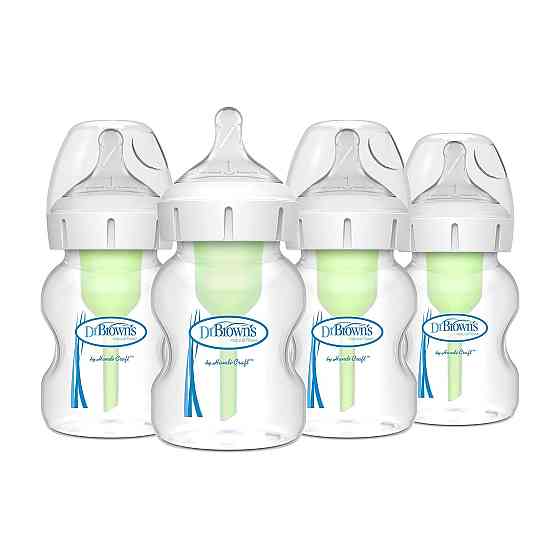
- Use paced, responsive bottle feeding: hold the baby upright, keep the bottle more horizontal, pause often, and watch for fullness cues.
- Consider breastfeeding first if the baby becomes frustrated at the breast after learning that bottles flow faster.
- Use skin-to-skin contact and relaxed positioning to support bonding and feeding regulation.
- If a bottle replaces a breastfeed and supply matters to you, express milk around that time when possible.
Some babies move easily between breast and bottle; others develop preferences based on flow rate, timing, or effort. If the baby starts refusing the breast, coughing with bottles, taking very large volumes quickly, or becoming distressed with feeds, ask for feeding assessment rather than assuming the problem is willpower or preference.
Building a practical combination feeding routine
A combination feeding routine should be simple enough to sustain. For example, some parents breastfeed overnight and in the morning, provide expressed milk or formula during work hours, and breastfeed again in the evening. Others give one planned formula bottle so a partner can feed the baby while the breastfeeding parent sleeps. The best routine is one that supports infant growth and does not exhaust the family.
Think in terms of replacement and stimulation. If a formula bottle fully replaces a breastfeed every day, milk supply may gradually decrease at that time of day. If that decrease is acceptable, no intervention may be needed. If the parent wants to maintain production, pumping or hand expression during the missed feed is often useful.
It can help to track feeding for a short period, especially during transitions. Note breastfeeding sessions, bottle volumes, wet and dirty diapers, pumping sessions, and the baby’s general behavior. Infant feeding and diaper output can provide useful clues, but they should be interpreted with weight checks and clinical context, particularly in newborns or babies with medical risk factors.
Maintaining milk supply when using formula
Maintaining supply during combination feeding usually depends on consistent milk removal and good breast drainage. Breastfeed when you are with the baby, and consider pumping or hand expression when you are separated or when formula replaces a feed. Some parents pump at work, during a longer sleep stretch, or shortly after the first morning feed, when supply may feel higher.
Milk expression does not have to be all-or-nothing. Even brief hand expression can provide stimulation and relieve fullness. If you pump, ensure the flange size is appropriate, suction is comfortable, and nipples are not being damaged. Pain, blanching, cracked nipples, or decreasing output may signal the need for lactation consultant assessment.
Parents who want to increase breastfeeding after a period of more formula can often do so gradually. This may involve offering the breast more frequently, using skin-to-skin contact, pumping after feeds, and reducing formula volumes stepwise under guidance if the baby’s growth and hydration are safe. Sudden reduction in formula without monitoring can be risky if milk transfer is not adequate.
Formula safety and responsive bottle feeding
Formula should be prepared and stored exactly according to the product label and local public health guidance. Powdered formula is not sterile, so preparation practices matter, especially for newborns, premature infants, and babies with immune or medical vulnerabilities. Use clean feeding equipment, safe water as recommended in your region, and discard formula that has been left out too long or partially consumed beyond safe limits.
Choose an iron-fortified infant formula unless a clinician has recommended a specific alternative. Specialty formulas, including extensively hydrolyzed or amino acid formulas, should generally be used for specific indications and with professional guidance. Do not dilute formula to stretch supply, concentrate it without instructions, or use homemade infant formula; these practices can cause dangerous electrolyte and nutrient imbalances.
Responsive bottle feeding means watching the baby rather than encouraging a set volume at every feed. Hunger cues include stirring, rooting, hand-to-mouth movements, and increased alertness. Fullness cues may include turning away, relaxed hands, slowing down, spilling milk, or falling asleep. Forcing a baby to finish a bottle can override self-regulation and may worsen reflux-like discomfort or feeding aversion.
Emotional wellbeing and getting support
Combination feeding can feel emotionally charged because parents often receive conflicting messages: breastfeed exclusively, protect sleep, avoid bottles, accept help, pump more, rest more. These messages can be impossible to reconcile. A humane feeding plan should consider the parent’s mental health, physical recovery, pain, sleep deprivation, and available support.
If feeding is causing intense anxiety, dread, persistent sadness, intrusive thoughts, or conflict at home, it is appropriate to seek help. Perinatal mood and anxiety disorders are common and treatable, and feeding challenges can be both a trigger and a symptom. Support may include a lactation consultant, pediatric clinician, mental health professional, peer breastfeeding group, or infant feeding specialist.
Combination feeding does not need to be hidden or defended. Your baby benefits from nutrition, safety, responsiveness, and a caregiver who is supported. Whether you continue mixed feeding for a few days or many months, the plan can evolve with your baby’s growth and your family’s needs.
When to seek medical advice promptly
- Fewer wet diapers than expected, very dark urine, lethargy, or signs of dehydration.
- Poor weight gain, excessive weight loss, persistent jaundice, or feeding sessions that are consistently exhausting.
- Prematurity, low birth weight, congenital conditions, or any medical issue requiring a monitored feeding plan.
- Blood in stool, repeated vomiting, breathing difficulty with feeds, or suspected allergy.
- Severe breast pain, fever, red painful breast areas, nipple trauma, or symptoms concerning for mastitis.
- Any plan to reduce formula significantly when milk supply or milk transfer is uncertain.
Tools & Assistance
- Schedule a weight check with your baby’s pediatrician or health visitor during feeding transitions.
- Ask for a lactation consultant assessment if latch, milk transfer, nipple pain, or pump output is a concern.
- Use a short-term feeding log for breastfeeds, bottles, pumping, wet diapers, stools, and baby behavior.
- Review safe formula preparation instructions from a trusted medical or public health source.
- Seek perinatal mental health support if feeding anxiety, guilt, or exhaustion feels unmanageable.
FAQ
Can I breastfeed and give formula every day?
Yes, many families do this safely. If you want to maintain milk supply, try to breastfeed regularly and express milk when formula replaces a breastfeed.
Will one bottle of formula ruin breastfeeding?
One bottle does not automatically ruin breastfeeding. The bigger issue is the overall pattern: repeated missed breastfeeds without milk expression can reduce supply over time.
Should I breastfeed before or after giving formula?
If the goal is to protect breastfeeding, many clinicians suggest offering the breast first, then supplementing if needed. However, babies with medical concerns may need a specific plan from their clinician.
How do I know my baby is getting enough?
Useful signs include appropriate weight gain, adequate wet and dirty diapers, alert periods, and feeding satisfaction. Newborns and medically vulnerable babies need closer professional monitoring.
Can I increase breastfeeding after starting formula?
Often, yes, but it should be gradual and guided by the baby’s growth and hydration. More frequent breastfeeding, skin-to-skin contact, and pumping can help stimulate supply.
Sources
- PubMed Central — Does planning to mixed feed undermine breastfeeding?
- NHS — How to combine breast and bottle feeding
- USDA WIC Breastfeeding Support — Combination Feeding and Maintaining Milk Supply
Disclaimer
This article is for general medical information and does not diagnose, prescribe, or replace care from a qualified healthcare professional. Seek individualized advice for feeding, growth, medication, or health concerns.
















Please log in to leave a comment.