
Intro
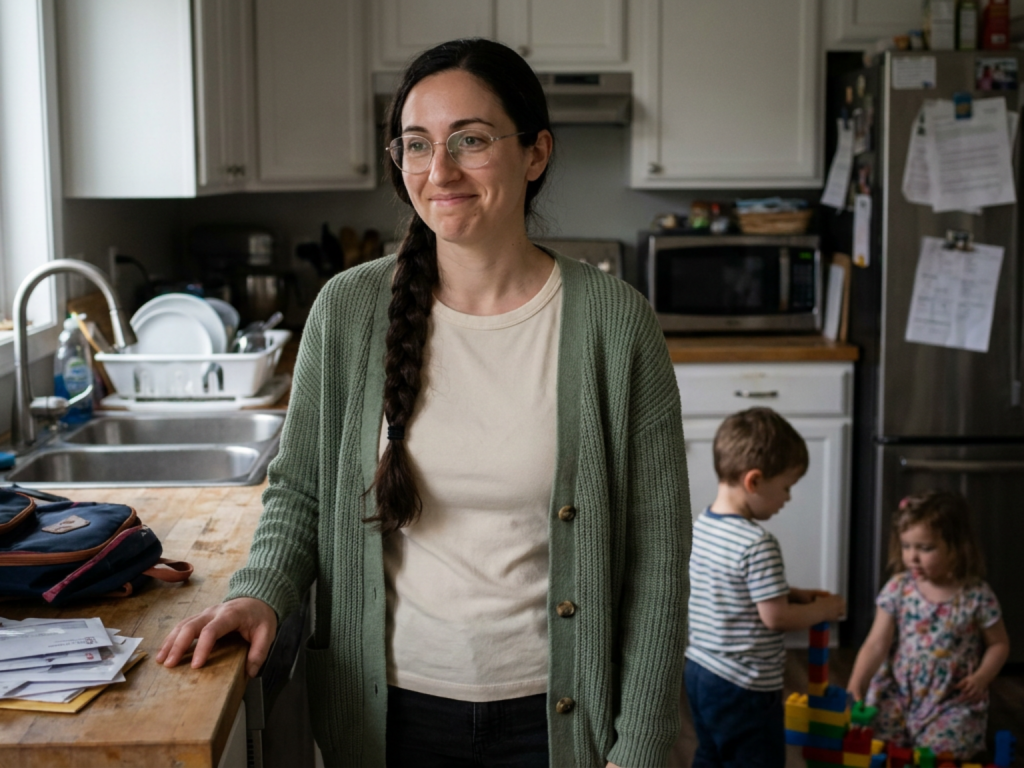
Overload parenting describes the state many caregivers enter when the demands of child-rearing exceed their immediate sensory, cognitive, emotional, and physical capacity. It may happen during a toddler’s prolonged crying, sibling conflict in a noisy kitchen, constant touch from young children, visual clutter, multitasking, or the pressure to move from one demanding activity to another without recovery time. Feeling overloaded does not mean you are an unloving or incapable parent; it means your nervous system is receiving more input than it can comfortably integrate in that moment.
Highlights
Parental overload is often a sensory and physiological response, not a character flaw. Noise, clutter, touch, conflict, and time pressure can all increase autonomic arousal.
Small environmental changes can reduce the total load. Lowering background noise, simplifying visual clutter, and scheduling quiet time can make caregiving more sustainable.
The goal is not to become endlessly calm. The goal is to notice overload earlier, reduce stimulation where possible, and repair with your child when difficult moments happen.
Persistent exhaustion, panic symptoms, depression, rage, or thoughts of harm deserve professional support. A clinician can help assess safety, sleep, anxiety, mood, trauma, neurodivergence, or medical contributors.
What overload parenting feels like
Overload parenting often feels like reaching a neurological ceiling. You may notice irritability, muscle tension, headache, jaw clenching, racing thoughts, an urge to escape, difficulty making decisions, or a sudden drop in patience. Some parents describe it as being unable to tolerate one more sound, question, touch, or demand. Others become emotionally numb, shut down, or overly focused on controlling the environment.
From a psychophysiological perspective, overload can involve heightened sympathetic nervous system activation: the body prepares for threat even when the situation is “only” a messy breakfast, a crying baby, and a child refusing shoes. The prefrontal cortex, which supports planning, inhibition, and flexible problem-solving, may become less accessible under stress. That is why a parent who understands child development can still snap, freeze, or struggle to respond calmly when overstimulated.
This is especially relevant for caregivers who are sleep-deprived, postpartum, managing chronic pain, working long hours, parenting children with high support needs, or living with anxiety, attention-deficit/hyperactivity traits, sensory processing differences, migraine, trauma histories, or other health vulnerabilities. These factors do not determine your parenting, but they can narrow your window of tolerance.
Identify your overload triggers
The first step is not to blame yourself; it is to collect data. Research-based and clinical parenting resources commonly point to triggers such as noise, children arguing, clutter, competing demands, and too many stimulating activities without downtime. When you know your triggers, you can design supports before you reach the breaking point.
- Auditory load: crying, whining, loud toys, television in the background, overlapping voices, alarms, or a child calling repeatedly from another room.
- Visual load: toys across the floor, laundry piles, open screens, bright lighting, crowded countertops, or a chaotic entryway during school departures.
- Tactile load: being climbed on, grabbed, nursed, hugged, or needed physically for long stretches without bodily autonomy.
- Cognitive load: meal planning, appointment scheduling, school messages, medication routines, forms, transportation, and remembering everyone’s needs.
- Emotional load: sibling conflict, tantrums and intense emotional reactions, guilt, decision fatigue, and the constant need to co-regulate another person.
A useful exercise is to track overload for one week. Note the time, setting, sensory inputs, your sleep, hunger, menstrual cycle if relevant, caffeine or alcohol use, pain level, and what helped. Patterns often emerge quickly: for example, the hardest point may be the transition from school pickup to dinner, not the entire day.
Lower the sensory volume before you are at capacity
Many parents wait until they are overwhelmed before making changes. A more effective approach is preventive load reduction. Think of your home and schedule as a sensory ecosystem: every sound, surface, transition, and expectation adds or subtracts from the total demand.
For auditory overload, consider reducing background noise. Turn off the television when nobody is actively watching. Use quieter toy settings or rotate loud toys out of high-stress times. Some parents find noise-reducing earplugs helpful because they soften intensity while still allowing them to hear speech and safety cues. If you use any hearing protection, make sure you can still supervise children appropriately.
For visual overload, aim for “less visible chaos,” not a perfect home. A few baskets in high-use rooms, a cleared kitchen counter zone, or a simplified toy rotation can reduce cognitive and visual burden. If cleanup is a nightly battle, create a minimum viable household plan: decide which two or three tasks truly protect health and functioning, such as dishes, trash, and safe walking paths, and let lower-priority tasks wait.
For tactile overload, build in body breaks. This may sound like, “I love being close to you. My body needs two minutes with no climbing, and then I can cuddle again.” Babies and very young children still require close supervision and care, so adjust expectations by age and safety. When possible, trade off with another adult, use a safe play space, or sit beside your child rather than under them.
Reduce scheduling pressure and protect recovery time
Overload parenting is not only about the home environment. It is also about the pace of modern family life. Back-to-back errands, lessons, social events, sports, homework, and bedtime routines can create a constant transition state. Transitions require executive function from both children and adults; too many in a row increase irritability and dysregulation.
Try auditing the week. Which activities are essential, which are meaningful, and which are maintained mainly by guilt or comparison? Children benefit from enrichment, but they also benefit from regulated caregivers, unstructured play, adequate sleep, and predictable routines. Reducing one recurring commitment can sometimes improve the emotional climate of the entire household.
Protect downtime as if it were a medical appointment. This does not have to mean hours alone. It may be 15 minutes after work before beginning dinner, a quiet snack after school before homework, or a weekend morning without scheduled activities. Avoid placing multiple overstimulating events back to back when you can. If a birthday party, supermarket trip, and family visit all fall on the same day, consider what can be shortened, delegated, delivered, or postponed.
Use in-the-moment regulation skills
Even with prevention, overload will happen. The goal in the moment is to create a small pause between your nervous system’s alarm and your behavior. Short, concrete regulation skills work best because an overloaded brain has limited bandwidth.
- Name the state: “I am getting overloaded. I need to lower the noise.” Labeling can reduce shame and help children learn emotional vocabulary.
- Change one sensory input: dim a light, turn off a device, step into the hallway, open a window, lower your voice, or move to a less cluttered room.
- Use physiological downshifting: try a longer exhale than inhale, unclench your jaw, relax your shoulders, or place both feet on the floor and orient to five things you can see.
- Create a safe pause: if your child is safe, take 60 to 120 seconds in another room. For infants, placing the baby on their back in a safe sleep space while you step away briefly can be safer than holding them while extremely distressed.
- Use fewer words: during high arousal, long lectures often escalate everyone. Try short phrases: “Safe hands.” “Shoes first.” “I will help after I breathe.”
If you yell or react harshly, repair matters. A brief, accountable repair might be: “I yelled. That was scary. I am sorry. I was overloaded, and I am working on calming my body before I speak.” Repair after yelling does not erase boundaries; it restores connection and models responsibility.
Share the load and make support concrete
A common trap is treating overload as a private self-control problem when it is often a workload-design problem. If you live with a partner or other adult, discuss the invisible labor: scheduling, forms, supplies, emotional support, night wakings, discipline decisions, and anticipating needs. Vague offers such as “Tell me how to help” can still leave one parent as the manager. More useful support is specific and owned: “I handle school lunches and the pediatrician portal,” or “I take the children outside from 5:30 to 6:00 while you reset.”
If you are solo parenting, support may require creativity rather than perfection. Consider childcare swaps, after-school programs, family help, community centers, parent groups, meal delivery when financially possible, or asking a trusted person to take one predictable task. The nervous system calms more easily when relief is scheduled rather than hypothetical.
Phone use also deserves attention. Phones can provide connection, but constant notifications add cognitive load and fragment attention. Try protected phone windows, disabling nonessential alerts, or placing the phone in another room during the most volatile daily routines. This is not about moral purity; it is about reducing competing inputs.
Know when to seek professional help
Overload is common, but it should not be ignored when it becomes persistent, frightening, or unsafe. Consult a healthcare professional if overload is accompanied by panic attacks, intrusive thoughts that distress you, persistent low mood, loss of pleasure, severe irritability, emotional distancing from children, insomnia beyond normal caregiving disruption, substance use to cope, or fear that you may harm yourself or someone else.
A primary care clinician, obstetrician-gynecologist, pediatrician, mental health professional, or occupational therapist may help identify contributing factors. These can include depression, anxiety disorders, postpartum mood and anxiety disorders, thyroid disease, anemia, migraine, chronic pain, trauma-related hyperarousal, neurodivergence, or sleep disorders. The purpose of professional assessment is not to label you as a bad parent; it is to match the right supports to the right causes.
If there is immediate danger, such as concern you might shake a baby, strike a child, or harm yourself, put the child in a safe place if possible and contact emergency services or a crisis line in your area right away. Safety is the priority, and urgent support is appropriate.
When overload needs urgent attention
- You feel at risk of harming your child, yourself, or another person.
- You are afraid you might shake, hit, or throw an infant or child.
- Overload is paired with persistent depression, panic, intrusive thoughts, or emotional numbness.
- You are using alcohol, sedatives, or other substances to get through caregiving.
- Sleep deprivation is severe enough that you feel unsafe driving, supervising, or making basic decisions.
Tools & Assistance
- A one-week overload trigger log noting noise, clutter, sleep, hunger, conflict, and recovery time
- A quiet reset plan with a safe child location, a timer, and one calming breathing practice
- A minimum viable household plan for essential tasks only during high-stress periods
- Scheduled support from a partner, trusted adult, childcare swap, therapist, pediatrician, or primary care clinician
- Reduced background stimulation through fewer notifications, quieter toys, lower visual clutter, and protected downtime
FAQ
Is overload parenting the same as parental burnout?
Not always. Overload can be an acute state of sensory or emotional saturation, while parental burnout is typically more chronic and may include exhaustion, emotional distancing, and reduced sense of efficacy. Repeated overload without recovery can contribute to burnout.
Can I use earplugs or headphones around my children?
Some parents use noise-reducing tools to soften sound intensity. Use caution: you must still be able to hear safety-relevant cues such as crying, choking, alarms, or a child calling for help.
What should I say to my child when I need a break?
Use simple, reassuring language: “I am feeling overloaded, and I am going to breathe for one minute. You are safe, and I will come back.” Adapt this to the child’s age and never leave a young child in an unsafe setting.
Why do normal child noises feel unbearable sometimes?
Your tolerance can drop when you are sleep-deprived, hungry, stressed, in pain, anxious, overstimulated, or already managing too many cognitive demands. The sound may be normal, but your nervous system may have less remaining capacity.
When should I talk to a clinician?
Seek professional guidance if overload is frequent, worsening, associated with depression or panic, affecting your bond with your child, or creating safety concerns. A clinician can help evaluate medical, psychological, and environmental contributors.
Sources
- Ann & Robert H. Lurie Children's Hospital of Chicago — The Sensory Overload of Child-Rearing
- Loop Earplugs — Parenting: Combat Sensory Overload & Stay Calm
- Harley Therapy — Sensory Overstimulation & Parenting
Disclaimer
This article is for informational purposes only and does not diagnose or treat medical or mental health conditions. If overload feels unsafe, persistent, or severe, consult a qualified healthcare professional or emergency service.














Please log in to leave a comment.