
Intro
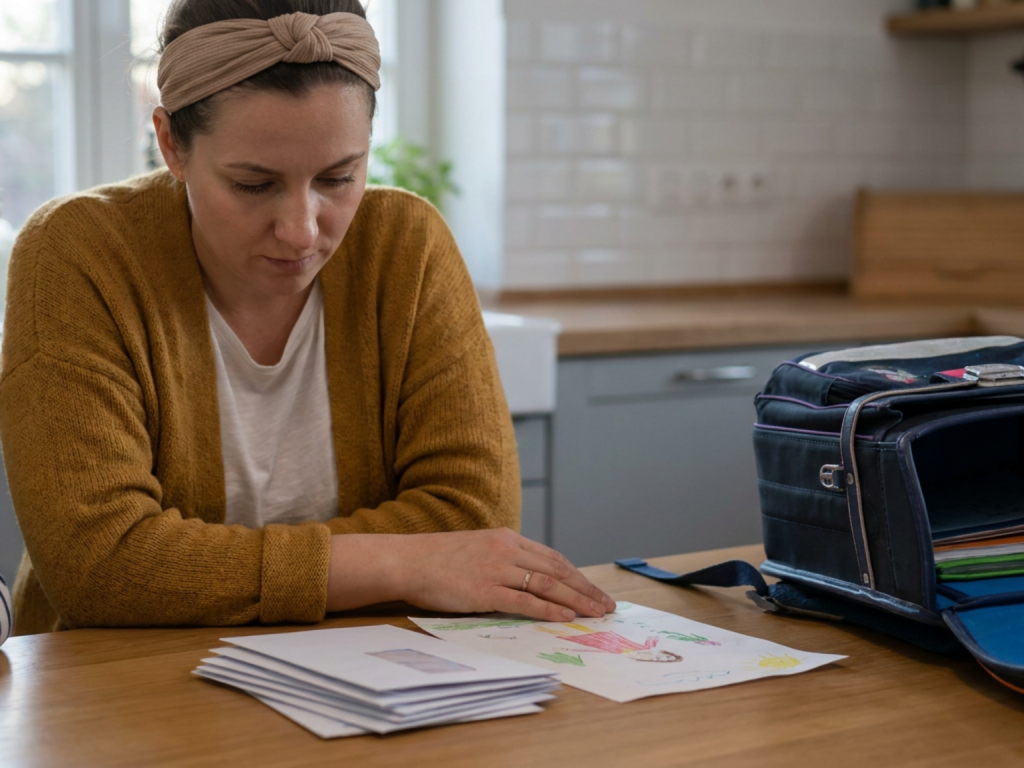
Parenting is already a high-responsibility role; when chronic stress is added, even skilled and loving caregivers can find themselves more reactive, less patient, and less emotionally available than they want to be. This does not mean a parent is weak or failing. It means the nervous system is trying to manage sustained demand, uncertainty, and limited recovery time.
Stress affects parenting through several overlapping pathways: neurobiology, sleep, emotion regulation, cognition, mental health, and the practical pressures of daily life. Understanding these pathways can reduce shame and help families identify realistic supports. If stress is severe, persistent, or associated with depression, anxiety, trauma symptoms, substance use, or safety concerns, it is important to consult qualified healthcare professionals.
Highlights
Stress can shift a parent from reflective responding toward faster, more threat-based reactions, especially during conflict or child dysregulation.
Children often notice parental stress and may respond with worry, clinginess, irritability, sleep disruption, somatic complaints, or behavioral changes.
Research links higher perceived life stress with more negative parental affect and lower structured involvement during parent-child interactions.
Supportive routines, brief pauses, social connection, and professional care when needed can protect both caregiver well-being and family functioning.
Stress is not just a feeling: it is a body-brain state
Stress begins as an adaptive physiological response. When the brain appraises a situation as demanding or threatening, the sympathetic nervous system and the hypothalamic-pituitary-adrenal axis become more active. Heart rate may increase, muscles tense, breathing becomes shallower, and cortisol and catecholamines help mobilize energy. In short bursts, this can be useful. A parent may respond quickly to a toddler running toward the street or a teenager in danger.
The problem is chronic activation. When workload, financial strain, social isolation, sleep deprivation, relationship conflict, caregiving demands, or health worries accumulate, the body may remain in a prolonged state of vigilance. In this state, the prefrontal cortex, which supports planning, inhibition, flexible thinking, and perspective-taking, can become less available. The amygdala and related threat-detection networks may become more influential. For parenting, this can mean a shorter fuse, difficulty tolerating noise or mess, and a tendency to interpret a child’s behavior as intentional defiance rather than as fatigue, fear, immaturity, or a need for support.
This physiology helps explain why a parent who deeply values calm discipline may still yell after a long day. The behavior may be regrettable, but it is understandable. Understanding the mechanism is not an excuse for harm; it is a starting point for prevention, repair, and support.
How stress changes parent-child interactions
Stress can affect both the emotional tone and structure of parenting. A 2024 study on parent stress and observed parenting during a parent-child interaction task found that higher perceived life stress was associated with more negative parental affect and lower structured involvement with the child. This matters because it shows that stress can alter observable behavior, not only internal feelings.
Negative affect may look like irritability, criticism, sarcasm, impatience, emotional withdrawal, or a tense facial expression. Lower structured involvement may look like difficulty giving clear instructions, reduced follow-through, less scaffolding, or less engagement in shared tasks. These shifts are especially likely when the parent is overloaded and the child is dysregulated, demanding, or developmentally unable to cooperate consistently.
Stress also narrows attention. A parent may focus on stopping the immediate behavior rather than understanding what is driving it. For example, a child’s refusal to get ready for school may be treated only as noncompliance, while the underlying issue may be separation anxiety, sensory discomfort, bullying, sleep debt, or a transition difficulty. When stress reduces curiosity, parenting becomes more reactive and less diagnostic in the everyday sense of trying to understand patterns.
General life stress and parenting-specific stress
Not all stress has the same source. General life stress includes pressures such as finances, housing insecurity, job demands, discrimination, medical problems, bereavement, and relationship strain. Parenting-specific stress arises from the caregiving role itself: managing tantrums, school needs, developmental concerns, sibling conflict, bedtime resistance, feeding problems, screen-time battles, or worries about being a good parent.
The distinction is useful because the solutions may differ. If general life stress is the dominant driver, practical support such as financial counseling, workplace flexibility, food assistance, respite care, or help with transportation may reduce family strain. If parenting-specific stress is central, parent coaching, child development education, behavioral strategies, or therapy may be more relevant. Many families experience both at once.
The U.S. Surgeon General has emphasized that parental mental health and well-being are public health concerns, not private shortcomings. Parents today often face high workloads, economic pressure, reduced community support, and constant caregiving demands. Seeing stress in this broader context can reduce self-blame and encourage families, communities, clinicians, schools, and policymakers to treat caregiver well-being as essential to child well-being.
How children may respond to parental stress
Children are highly sensitive to emotional climate. Even when adults try to hide stress, children may notice changes in voice tone, facial expression, routines, patience, and availability. Some children become anxious and ask repeated questions. Others become irritable, oppositional, clingy, withdrawn, or unusually compliant. Stress may also show up through sleep problems, stomachaches, headaches, appetite changes, school difficulties, or regression in younger children.
Children do not need perfect calm from parents. They need enough predictability, emotional safety, and repair. When a parent snaps and later says, “I was overwhelmed, and I should not have spoken that way. I’m sorry. Let’s try again,” the child learns accountability and emotional recovery. This repair process can be protective because it shows that conflict does not mean abandonment and that strong feelings can be managed.
However, repeated high-intensity conflict, frightening behavior, harsh discipline, emotional unavailability, or inconsistent caregiving can increase a child’s stress load. Over time, some children become hypervigilant, while others suppress their needs. If a child’s functioning changes significantly, or if a parent worries that stress is affecting safety or emotional well-being, consultation with a pediatrician, family therapist, psychologist, or other qualified professional is appropriate.
The common parenting patterns stress can intensify
Stress does not create a parent’s entire style, but it can intensify certain patterns. A normally firm parent may become harsh. A normally flexible parent may become permissive because setting limits feels too exhausting. A normally warm parent may become emotionally distant because they are depleted. A normally organized parent may become inconsistent because cognitive load is too high.
Several patterns are common:
- Reactivity: responding quickly and intensely, often with yelling, threats, or consequences that are hard to follow through on.
- Inconsistency: enforcing a rule one day and abandoning it the next because the parent is exhausted.
- Overcontrol: trying to reduce uncertainty by micromanaging the child’s behavior, schedule, emotions, or choices.
- Withdrawal: becoming quiet, disengaged, or emotionally unavailable because the parent has no remaining capacity.
- Permissiveness under fatigue: giving in to avoid conflict, even when the boundary matters.
These patterns are understandable but can become self-reinforcing. For instance, giving in after a long tantrum may stop the immediate noise, but it can teach the child that escalation works. Harshness may produce short-term compliance but increase fear, resentment, or secrecy. The goal is not perfection; it is noticing the pattern early enough to choose a safer and more effective response.
Stress, sleep, and parental mental health
Sleep disruption is one of the most powerful amplifiers of parenting stress. Insufficient sleep impairs attention, working memory, impulse control, and emotional regulation. Parents of infants, children with medical needs, neurodevelopmental differences, or anxiety-related sleep problems may experience prolonged sleep fragmentation. In these circumstances, a parent’s reduced patience is not a character flaw; it may be a predictable result of neurocognitive depletion.
Stress and mental health also interact bidirectionally. Chronic stress can worsen symptoms of anxiety, depression, post-traumatic stress, obsessive-compulsive symptoms, irritability, and substance misuse. Existing mental health conditions can also make ordinary parenting demands feel more overwhelming. Physical health conditions, pain, hormonal transitions, and medication effects may further complicate the picture.
Parents should not have to determine alone whether stress has become a clinical concern. A primary care clinician, obstetrician-gynecologist, pediatrician, psychiatrist, psychologist, licensed therapist, or social worker can help evaluate concerns and discuss appropriate supports. This article cannot diagnose or recommend treatment for an individual, but it can emphasize that seeking help is a responsible parenting action, not a failure.
Practical ways to reduce the impact of stress on parenting
Stress management for parents must be realistic. Advice that requires large amounts of time, money, or quiet may be inaccessible. Small interventions repeated consistently often matter more than an ideal routine that cannot be maintained.
- Use a physiological pause: before responding to a child’s behavior, try one slow exhale, unclench the jaw, lower the shoulders, and plant both feet on the floor. This can create enough space for the prefrontal cortex to re-engage.
- Name the state: silently saying “I am overloaded” can reduce shame and help separate the parent’s stress from the child’s behavior.
- Take a safe break during conflict: if the child is safe, stepping away briefly can prevent escalation. A parent might say, “I am getting too upset. I’m taking two minutes, then I’ll come back.”
- Build predictable routines: consistent wake times, bedtime steps, homework rhythms, and transition warnings reduce decision fatigue for parents and uncertainty for children.
- Repair after rupture: apologies, reconnection, and problem-solving teach children that relationships can recover.
- Ask for specific help: “Can you take school pickup on Tuesday?” is often more effective than “I need support.”
Families may also benefit from learning how to manage parenting stress, especially when stress is chronic rather than occasional. When child anxiety, sibling conflict, discipline struggles, or limit-setting difficulties are major triggers, targeted parenting guidance can reduce repeated flashpoints.
When stress signals the need for more support
Some stress is expected in parenting, but certain signs suggest a family needs additional help. These include persistent hopelessness, frequent loss of control, panic symptoms, intrusive thoughts that feel frightening, escalating substance use, inability to sleep even when there is opportunity, or feeling detached from the child. It is also important to seek help if a child seems persistently anxious, depressed, aggressive, withdrawn, or impaired at school or home.
Immediate support is needed if there is any risk of harm to a child, a parent, or another person. If a parent feels they might hurt their child, the safest action is to place the child in a safe location, step away, and contact emergency services, a crisis line, or a trusted adult right away. Shame often keeps parents silent, but urgent support can prevent harm and open the door to longer-term care.
Parenting under stress is not meant to be done alone. Medical professionals, mental health clinicians, school counselors, community organizations, family members, faith communities, and peer supports can all be part of a protective network. The central message is compassionate and practical: reducing parental stress is not a luxury. It is a core part of protecting family health.
When to seek urgent or professional help
- Seek immediate help if you feel at risk of harming yourself, your child, or someone else.
- Contact a healthcare professional if stress is persistent, worsening, or affecting daily functioning.
- Ask for clinical support if you notice depression, severe anxiety, trauma symptoms, substance misuse, or frightening intrusive thoughts.
- Consult a pediatrician or mental health professional if your child has major changes in sleep, mood, behavior, school functioning, or physical complaints.
- If conflict at home includes violence, threats, coercive control, or fear, prioritize safety and contact local emergency or domestic violence resources.
Tools & Assistance
- A primary care clinician, pediatrician, therapist, or psychiatrist for assessment and care planning
- Brief breathing or grounding exercises before responding during conflict
- A written family routine for mornings, meals, homework, and bedtime
- Trusted adults or community supports for respite, transportation, meals, or childcare
- Emergency services or crisis lines if there is any immediate safety risk
FAQ
Can my stress harm my child?
Occasional stress is not the same as harm. Children are resilient, especially when parents provide safety, warmth, and repair after conflict. Persistent, intense, or frightening stress reactions may affect children and deserve support.
Why do I yell even when I know it will not help?
Chronic stress can reduce access to impulse control and flexible thinking while increasing threat-based reactions. This does not excuse yelling, but it explains why prevention, pauses, sleep support, and repair are important.
Should I tell my child when I am stressed?
A brief, age-appropriate explanation can be helpful: “I’m feeling stressed, but it is not your job to fix it.” Avoid making the child responsible for adult problems.
When should I talk to a professional?
Consider professional support when stress is persistent, affects sleep or functioning, changes your parenting in ways that worry you, or is linked with anxiety, depression, trauma symptoms, substance use, or safety concerns.
What is one immediate step I can take during a difficult parenting moment?
If the child is safe, pause before responding. Slow your breathing, lower your voice, and give yourself a few seconds or minutes to choose a response rather than react automatically.
Sources
- PubMed Central — Parent Stress and Observed Parenting in a Parent-Child Interaction Task
- U.S. Department of Health and Human Services — Parental Mental Health & Well-Being
- Children's Health — Parental stress and how it affects kids
Disclaimer
This article is for general educational purposes only and does not provide a diagnosis or individualized medical advice. Consult qualified healthcare professionals for concerns about mental health, child well-being, treatment options, or safety.


















Please log in to leave a comment.