

Intro
Child products are not a single uniform group. A teether, stroller, school art kit, sleep surface, jacket, toy, and child car seat all interact with a child’s body and behavior in different ways. Understanding categories can help caregivers, clinicians, educators, and product buyers think more clearly about age suitability, injury mechanisms, chemical exposure, and regulatory expectations.
In U.S. consumer-product regulation, a children’s product is generally one designed or intended primarily for children 12 years of age or younger. That legal definition is useful, but day-to-day decisions also require a developmental lens: infants mouth objects, toddlers climb and pull, preschoolers test limits, and school-age children use more complex tools. The goal is not perfection; it is safer, more informed choice-making.
Highlights
Child product categories are often defined by intended age, use setting, and the main way a child interacts with the product.
Durable infant and toddler products include items such as cribs, high chairs, strollers, bath seats, gates, carriers, and play yards.
Categories matter because risks differ: suffocation, falls, entrapment, choking, burns, chemical exposure, and restraint misuse require different prevention strategies.
Age labels and marketing claims should not replace caregiver supervision, recall checks, product registration, and professional advice when medical or developmental needs are involved.
What counts as a child product
A practical starting point is the U.S. Consumer Product Safety Commission definition: a children’s product is designed or intended primarily for children 12 years of age or younger. Regulators consider factors such as the manufacturer’s stated intent, product presentation, age grading, marketing, and whether consumers commonly recognize the item as meant for children.
This distinction matters because child products may be subject to testing, certification, labeling, and safety standards that do not apply in the same way to general-use products. For example, a small chair sold as nursery furniture is evaluated differently from an adult chair that a child happens to use. Similarly, art materials, toys, jewelry, and sleep items may have category-specific hazards.
From a caregiving perspective, classification is not only legal. It is clinical and developmental. A product may be technically permitted for a broad age group but still inappropriate for a specific child with prematurity history, hypotonia, dysphagia, sensory seeking, pica, seizure risk, or delayed motor control. When a product interacts with breathing, feeding, sleep position, mobility, or skin integrity, families should be especially cautious and discuss concerns with a pediatrician, occupational therapist, physical therapist, speech-language pathologist, or certified child passenger safety technician as appropriate.
Durable infant and toddler products
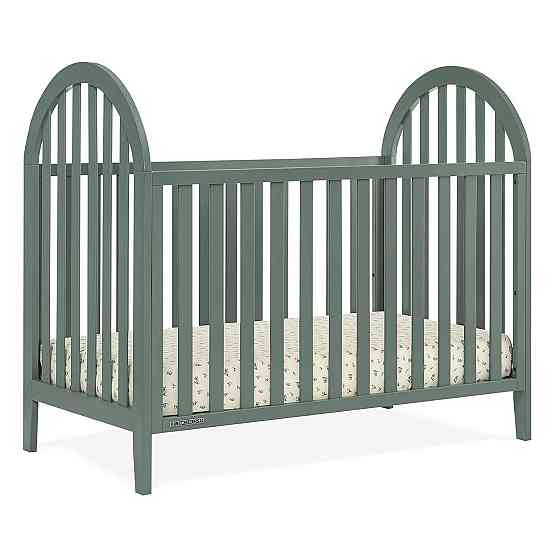
Durable infant and toddler products are longer-lasting items used for care, containment, sleep, movement, hygiene, and feeding. The CPSC lists many examples in this area, including full-size and non-full-size cribs, toddler beds, bassinets, cradles, play yards, strollers, carriages, high chairs, booster seats, infant swings, infant bouncers, baby changing products, bath seats, infant bath tubs, gates, enclosures, carriers, frame child carriers, and stationary activity centers.
These products deserve special attention because infants and toddlers cannot reliably escape a dangerous position or communicate distress. The dominant risks vary by item. Sleep products raise concerns about airway obstruction, suffocation, entrapment, and unsafe incline. Strollers and carriers involve falls, tip-overs, restraint failure, and positional airway compromise. High chairs and booster seats involve falls, strangulation hazards from straps if misused, and choking during meals. Bath products involve drowning risk even in shallow water.
Product registration cards and recall checks are especially valuable in this category because design defects or standard changes can affect many households. Secondhand child product safety needs extra scrutiny: missing parts, altered hardware, degraded straps, outdated sleep guidance, and absent manuals can make an item unsafe even when it appears sturdy. For durable products, “still usable” is not the same as “still meets current safety expectations.”
Sleep, relaxation, and containment categories
Sleep and relaxation products include cribs, bassinets, cradles, toddler beds, play yards used for sleep, nap mats, sleep sacks, infant loungers, swings, bouncers, and other soothing devices. Researchers studying children’s product exposures often separate sleeping or relaxation products from toys and feeding items because the duration and type of body contact are different. A child may spend hours breathing near, touching, or lying on a sleep surface.
For infants, sleep products deserve a particularly conservative approach. Caregivers should follow current safe sleep guidance from healthcare professionals: an appropriate firm, flat sleep surface; no soft bedding, pillows, loose blankets, or plush objects in the infant sleep area; and avoidance of improvised sleep settings. Inclined or soft products marketed for comfort may still be risky if they allow chin-to-chest flexion, rolling into fabric, or airway obstruction.
Containment products such as play yards, gates, stationary activity centers, and enclosures can be helpful when used as intended, but they are not substitutes for supervision. A newly mobile child may climb, push, bite, or manipulate latches in ways the caregiver did not anticipate. Children with developmental differences may use containment equipment outside the manufacturer’s expected pattern, making individualized guidance important.
Feeding and oral-contact products
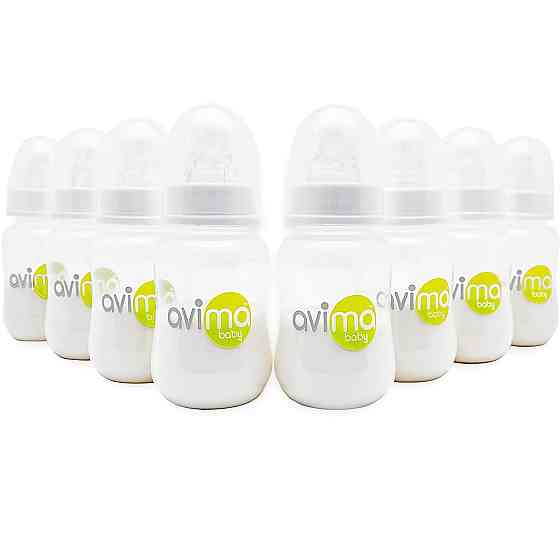
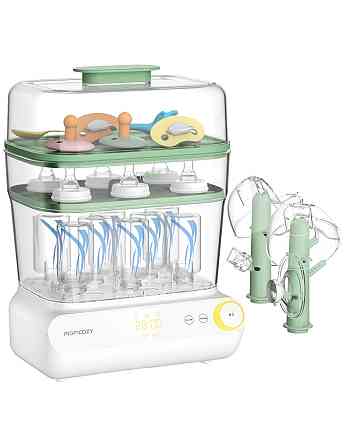
Feeding products include bottles, nipples, cups, plates, utensils, high chairs, booster seats, bibs, food storage containers, breast-milk or formula preparation accessories, and specialized feeding tools. Oral-contact products also include pacifiers, teethers, teething jewelry, toothbrushes, and some sensory chew items. These categories are clinically important because the mouth is a direct exposure route for mechanical injury, microbial contamination, and chemicals that can migrate from materials.
The main safety questions include: Can a small part detach and become a choking hazard? Can a flexible item obstruct the airway? Is the material appropriate for repeated washing, heating, freezing, or sterilizing? Are there cracks that harbor bacteria? Is the product used with hot liquids that could burn the mouth or skin? Does the child have swallowing difficulty or aspiration risk?
Families sometimes use specialized cups, spoons, or chew tools for children with neurodevelopmental or feeding challenges. These may be helpful, but they should be chosen with professional input when there is coughing with meals, poor weight gain, recurrent pneumonia, oral aversion, or suspected dysphagia. Product choice should support the child’s feeding plan rather than replacing clinical assessment.
Toys, learning materials, and creative products
Toys are one of the broadest child product categories. They include rattles, blocks, dolls, vehicles, puzzles, pretend-play items, electronic toys, balls, ride-on toys, building sets, sensory toys, musical toys, and games. Learning and creative products include crayons, markers, paints, modeling compounds, glue, scissors, science kits, school supplies, and craft materials.
Developmentally appropriate child products are matched to what a child can actually do safely, not only to what the child finds interesting. Infants and toddlers explore by mouthing, banging, dropping, and pulling. Preschoolers may use toys in imaginative but unsafe ways, such as tying strings around objects or climbing on items not meant to bear weight. School-age children may handle more complex kits but still need guidance with magnets, batteries, sharp tools, heat, projectiles, or chemicals.
Choking, aspiration, ingestion, eye injury, cuts, strangulation, burns, and button-battery or magnet ingestion are category-specific concerns. High-powered magnet ingestion can be life-threatening because magnets in separate bowel loops can attract each other and cause pressure necrosis, perforation, obstruction, or fistula. Any suspected ingestion of a button battery, high-powered magnet, or sharp object should be treated as urgent and discussed with emergency or poison-control services.
Clothing, textiles, and wearable accessories
Clothing for children includes everyday garments, sleepwear, outerwear, footwear, socks, hats, costumes, diapers or training pants, and textile accessories. Wearable accessories may include hair items, jewelry, watches, bags, bibs, and dress-up pieces. Although clothing may seem low risk, it can affect thermoregulation, skin barrier function, mobility, and entanglement risk.
Key concerns include drawstrings that can catch on playground equipment, loose buttons or decorations that detach, long cords, poor flame resistance in sleepwear, overheating, tight elastic, and irritant or allergic contact dermatitis from dyes, finishes, nickel-containing snaps, fragrance residues, or laundry products. Children with eczema, ichthyosis, epidermolysis bullosa, sensory processing differences, or medical devices may need particular attention to seams, pressure points, moisture, and friction.
Costumes and novelty accessories require the same scrutiny as daily clothing. Capes, masks, oversized shoes, and long hems can impair vision or gait. Jewelry and hair accessories can be choking hazards in younger children. For children who mouth objects or have pica, wearable accessories should be selected with exceptional caution.
Personal care, cosmetics, and skin-contact products
Personal-care products for children include shampoos, soaps, lotions, diaper creams, sunscreens, insect repellents, toothpaste, wipes, bath additives, cosmetics, face paints, nail products, fragrances, and hair products. In product-exposure research, cosmetics and personal-care items may be classified separately because they are applied directly to skin, lips, nails, hair, or mucous membranes and may be used repeatedly.
Children are not simply small adults. Their skin barrier, body-surface-area-to-weight ratio, hand-to-mouth behavior, and developing organ systems can influence exposure. A product used over a large area, under occlusion, or on inflamed skin can have different implications than one used briefly on intact skin. Caregivers should be cautious with products containing strong fragrances, essential oils, harsh solvents, adult acne medications, skin-lightening agents, or topical products not intended for children.
If a child develops a rash, wheezing, eye irritation, swelling, vomiting, lethargy, or behavioral change after product use, caregivers should stop using the suspected item and seek professional guidance. For accidental ingestion or eye exposure, poison-control or emergency services may be appropriate. Clinicians can help distinguish irritant dermatitis, allergic contact dermatitis, infection, atopic dermatitis flare, and unrelated illness.
Transportation and outdoor categories
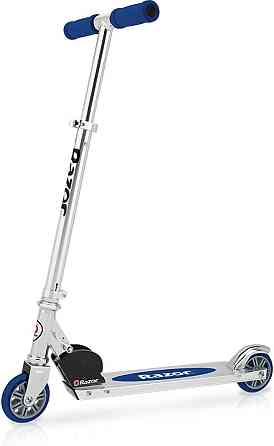
Transportation products include child restraint systems, booster seats for vehicles, strollers, carriages, bike seats, bike trailers, helmets, scooters, ride-on toys, sleds, and mobility-related accessories. Outdoor products include playground equipment, sports gear, flotation aids, sun-protection items, and seasonal equipment.
Car seats and booster seats are a distinct safety category because correct selection and installation are critical. Age, weight, height, developmental maturity, vehicle compatibility, expiration date, crash history, and harness fit all matter. A caregiver who is unsure should consult a certified child passenger safety technician rather than guessing. Medical conditions such as prematurity, casts, airway anomalies, neuromuscular disorders, or behavioral elopement may require specialized assessment.
Outdoor products add environmental variables: heat, cold, water, traffic, falls from height, and sun exposure. Helmets must be activity-appropriate and fit correctly. Flotation devices are not substitutes for close supervision around water. Sunscreen and insect repellents should be chosen according to age and medical context, particularly for infants or children with skin disease.
Why categories matter for chemical and exposure risk
Product categories help researchers and regulators identify where children may encounter chemicals of concern. A peer-reviewed analysis of children’s products describes category groupings such as toys, cosmetics, jewelry, teething items, sleeping or relaxation products, feeding products, and car seats. These categories differ in exposure route: ingestion, mouthing, dermal contact, inhalation of volatile compounds, dust transfer, or prolonged skin contact.
For example, a teething item is designed for oral use, so small-parts integrity and material migration are central. A sleep product may involve long-duration inhalation and skin contact. Jewelry may raise concerns about metal exposure and mouthing. Cosmetics may involve dermal absorption or accidental ingestion. Car seats involve foam, textiles, flame-retardant considerations, heat exposure, and prolonged contact during travel.
Caregivers do not need to become toxicologists, but they can use a simple hierarchy: choose age-appropriate products from reputable sellers, follow instructions, avoid damaged or counterfeit items, check recalls, reduce unnecessary fragranced or novelty products, and be wary of vague claims such as “chemical-free,” which is not scientifically meaningful. When a child has chronic illness, frequent mouthing, pica, eczema, or developmental differences, product selection may benefit from individualized professional guidance.
Safety cautions
- Seek urgent advice after suspected ingestion of button batteries, high-powered magnets, sharp objects, or unknown chemicals.
- Do not use inclined, soft, damaged, recalled, or improvised products for infant sleep.
- Never leave a child unattended in bath seats, tubs, high chairs, strollers, carriers, or near water.
- Avoid secondhand durable products with missing labels, missing parts, unknown recall status, or crash history.
- Consult a healthcare professional when products affect breathing, feeding, mobility, skin integrity, sleep, or medical equipment.
Tools & Assistance
- Check product recalls before buying or accepting secondhand items.
- Register durable infant and toddler products so recall notices can reach you.
- Keep manuals, model numbers, manufacture dates, and receipts when possible.
- Ask a certified child passenger safety technician to review car seat selection and installation.
- Discuss specialized feeding, sensory, mobility, or sleep products with the child’s healthcare team.
FAQ
Is every item used by a child legally a children’s product?
No. The regulatory focus is whether the item is designed or intended primarily for children 12 years of age or younger, not merely whether a child happens to use it.
Are secondhand child products safe if they look clean and sturdy?
Not always. Check recalls, missing parts, expiration dates, crash history for car seats, current safety guidance, and whether the manual and labels are available.
Which category needs the most caution for infants?
Sleep products require especially conservative choices because airway obstruction, suffocation, entrapment, and unsafe positioning can occur silently.
Do “natural” or “non-toxic” labels guarantee safety?
No. Marketing terms can be vague. Consider age suitability, exposure route, certification where relevant, ingredients or materials, recall status, and professional guidance for medically vulnerable children.
When should a clinician be involved in product choice?
Involve a clinician when the child has feeding difficulty, breathing concerns, developmental delay, seizures, skin disease, mobility limitations, sensory needs, pica, or uses medical devices.
Sources
- U.S. Consumer Product Safety Commission — Children's Products
- U.S. Consumer Product Safety Commission — Durable Infant or Toddler Products
- PubMed Central — Identifying Potential Chemicals of Concern in Children's Products
Disclaimer
This article is for informational purposes only and does not diagnose, treat, or replace medical care. Consult a qualified healthcare professional for concerns about a child’s health, development, exposure, injury, or product suitability.














Please log in to leave a comment.