
Intro
Children encounter news, health claims, product promotions, influencer opinions, artificial intelligence-generated images, rumors, and peer-shared posts long before they have fully mature executive function or source-evaluation skills. Helping them recognize misleading online content is not about shaming mistakes. It is about giving them calm, repeatable habits for pausing, checking, and asking for support.
For medically literate families, this topic also matters because misinformation can influence anxiety, sleep, body image, eating patterns, vaccine attitudes, injury risk, and willingness to seek appropriate care. A child who believes frightening or inaccurate content may need reassurance, media literacy coaching, and sometimes guidance from a pediatrician, psychologist, school counselor, or other qualified professional.
Highlights
Children can learn to question online content without becoming fearful or cynical about everything they see.
Research suggests that reflection-based thinking is more strongly linked with detecting misinformation than brief warning-style instruction alone.
The most useful family habits are slow, practical, and repetitive: identify the creator, check the evidence, compare trusted sources, and ask a safe adult.
Health-related misinformation deserves extra caution because it can affect behavior, treatment decisions, nutrition, sleep, and emotional wellbeing.
Start with development, not blame
Children are not miniature adults with fully formed judgment. Their prefrontal networks, including systems involved in inhibitory control, working memory, planning, and cognitive flexibility, continue to mature through adolescence. This means a child may understand a safety rule in the abstract but still react quickly to a sensational video, persuasive headline, or peer-shared rumor. Younger children may also have difficulty separating advertising, entertainment, satire, opinion, and evidence-based information.
A supportive approach begins by normalizing the problem. Adults are also misled online, especially when content is emotional, repeated often, or shared by someone they trust. Instead of saying a child was foolish for believing something, try saying that the internet is designed to capture attention and that everyone needs checking habits. This protects the child’s self-esteem and keeps them willing to bring concerning content to an adult.
This is also part of online safety for children. A child who learns to slow down before believing or sharing a post is practicing emotional regulation, digital citizenship, and risk recognition at the same time.
Teach a pause-and-check routine
Children need a short routine they can remember under pressure. A useful framework is pause, name, check, and ask. First, pause before liking, sharing, buying, copying, or changing behavior. Second, name what the content is trying to do: inform, persuade, entertain, sell, scare, or recruit. Third, check who made it and what evidence they give. Fourth, ask a trusted adult when the topic feels confusing, private, medical, frightening, or urgent.
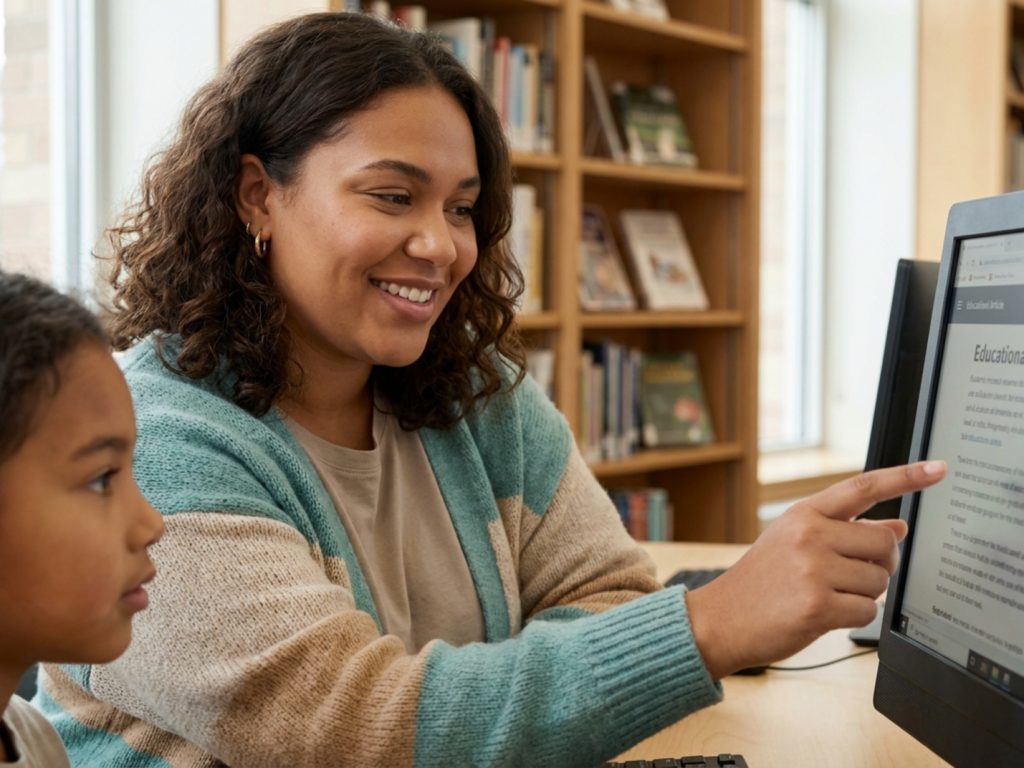
Research guidance for families often emphasizes questions such as who created this, what perspective they might have, and whether other reliable sources confirm it. These questions are more effective when practiced during ordinary moments, not only after a mistake. For example, adults can sit with a child and compare a reliable school science page, a sponsored supplement post, and a dramatic video about the same topic.
- Who made this, and do they have expertise or a reason to sell something?
- What claim is being made, and what evidence is shown?
- Do other trusted sources say the same thing?
- How does this make my body feel: calm, curious, scared, angry, or rushed?
Build reflective thinking rather than blanket skepticism
A key lesson from research on children’s detection of online misinformation is that reflective thinking matters. Children who are better able to slow down, consider alternatives, and resist first impressions tend to perform better when distinguishing real from false online news. Importantly, simple instruction may not automatically improve accuracy. It can sometimes make children more skeptical toward all news, including accurate information, which is not the same as good judgment.
The goal is calibrated trust. Children should not believe everything, but they also should not assume that every adult, journalist, scientist, physician, teacher, or institution is lying. Calibrated trust means asking whether a source has relevant expertise, transparent methods, accountability, and consistency with other credible sources. This distinction is especially important for health topics. A child who dismisses all professional advice may become more vulnerable to influencers or peer myths that feel more relatable.
Parents can strengthen reflective thinking by modeling uncertainty. Phrases such as I am not sure, let’s check, or this sounds possible but we need better evidence show children how informed adults think. Digital literacy for children improves when adults demonstrate the process rather than only announcing the answer.
Discuss health misinformation carefully
Health misinformation can be particularly powerful because it often uses fear, personal stories, dramatic before-and-after images, or claims of secret knowledge. Children and adolescents may encounter misleading content about vaccines, puberty, mental health, neurodevelopmental conditions, diet, exercise, supplements, skin care, pain, sleep, or self-diagnosis. A medically literate caregiver can explain that anecdotes can be emotionally real while still not proving that a treatment works or that a risk is common.
Use age-appropriate language. A younger child may need to know that one video does not prove something is safe or dangerous. An older child can learn the difference between correlation and causation, absolute and relative risk, placebo effects, conflicts of interest, sample size, and peer review. These concepts do not need to become a lecture. They can be introduced through questions: How many people were studied? Was this tested fairly? Is someone selling a product? Does this apply to children, or only to adults?
Avoid diagnosing a child based on their searches or posts. If online content leads to persistent distress, restrictive eating, compulsive checking, health anxiety, self-harm thoughts, medication changes, or refusal of needed care, involve a qualified healthcare professional promptly.
Help children recognize persuasive design
Misleading content is often persuasive because of its design, not because the child has poor judgment. Platforms reward speed, novelty, emotion, and engagement. A false claim may be paired with music, dramatic editing, confident narration, selective screenshots, fake comments, or a creator who seems warm and trustworthy. Children may also confuse popularity with accuracy when a post has many likes or shares.
Teach children to notice pressure signals. Red flags include urgent language, claims that everyone is hiding the truth, promises of a simple cure, requests for secrecy, heavily edited evidence, no clear source, or attacks on anyone who asks questions. Explain that strong emotion is a cue to slow down, not proof that something is true. This is particularly important during emergencies, celebrity news, school conflicts, and viral health scares.
Artificial intelligence adds another layer. Images, voices, and videos can now appear realistic even when they are fabricated or altered. Children do not need technical mastery to respond safely. They need the habit of checking context, looking for corroboration, and asking an adult before sharing or acting on content that seems shocking, humiliating, medical, sexual, violent, or too perfect.
Create a family and school response plan
Children learn best when expectations are predictable. Create a family rule that no one gets in trouble for bringing confusing or scary content to an adult. Then define which topics always require help: health advice, threats, requests for images or personal details, money, dares, hate speech, self-harm content, and anything involving children’s personal information online. This connects misinformation prevention with privacy, consent, and online stranger safety.
Schools can reinforce the same skills through media literacy lessons, source comparison, discussion of perspective, and practice identifying evidence. The current research landscape suggests that media literacy and critical thinking education are the dominant strategies for addressing children’s digital misinformation, while also leaving room for more study on which interventions work best for different ages and contexts.
For adolescents, invite collaboration. Ask them to teach you about platforms they use, then examine a few posts together. Respectful conversation works better than surveillance alone, although safety settings and supervision may still be appropriate. If a child has developmental delays, anxiety disorders, attention difficulties, trauma exposure, or social communication differences, they may need more concrete scripts, visual checklists, or professional support tailored to their needs.
When to get extra help
- A child is making health, diet, medication, or supplement decisions based on online claims.
- Online content triggers panic, sleep disruption, compulsive checking, or persistent reassurance seeking.
- The child is exposed to self-harm, eating disorder, sexual coercion, violent, or exploitative content.
- A creator or peer asks the child to keep secrets, send images, share location, or hide conversations.
- Misinformation is affecting school attendance, relationships, mood, eating, or safety behavior.
Tools & Assistance
- Create a family pause-and-check checklist for posts, videos, ads, and health claims.
- Use child account privacy settings and age-appropriate parental controls without relying on them alone.
- Save trusted health and science sources together so children know where to verify claims.
- Encourage children to ask a pediatrician, school nurse, counselor, or trusted adult about medical content.
- Practice comparing one viral post with two reliable sources before sharing it.
FAQ
Should I tell my child that most online content is fake?
No. A better message is that online content varies in quality. Teach calibrated trust: pause, check the source, compare evidence, and ask for help when the topic is important.
At what age can children learn media literacy?
Even young children can learn simple habits such as asking who made this and whether an adult can help check it. Older children can gradually learn evidence quality, bias, conflicts of interest, and scientific uncertainty.
What if my child believes a frightening health claim?
Respond calmly, validate the fear, and review reliable information together. If the fear persists or affects behavior, sleep, eating, medication use, or safety, consult a qualified healthcare professional.
Are parental controls enough to prevent misinformation?
No. Controls may reduce exposure, but they cannot replace conversation, source-checking skills, emotional regulation, and a safe pathway for children to ask adults about confusing content.
Sources
- PubMed — Children's detection of online misinformation
- SAGE Journals — Children and digital misinformation: A scoping review
- Children and Screens: Institute of Digital Media and Child Development — Online Misinformation and Disinformation
Disclaimer
This article is for informational and educational purposes only and does not provide medical diagnosis or treatment. Consult a qualified healthcare professional for concerns about a child’s health, mental wellbeing, safety, or behavior.

















Please log in to leave a comment.