
Intro
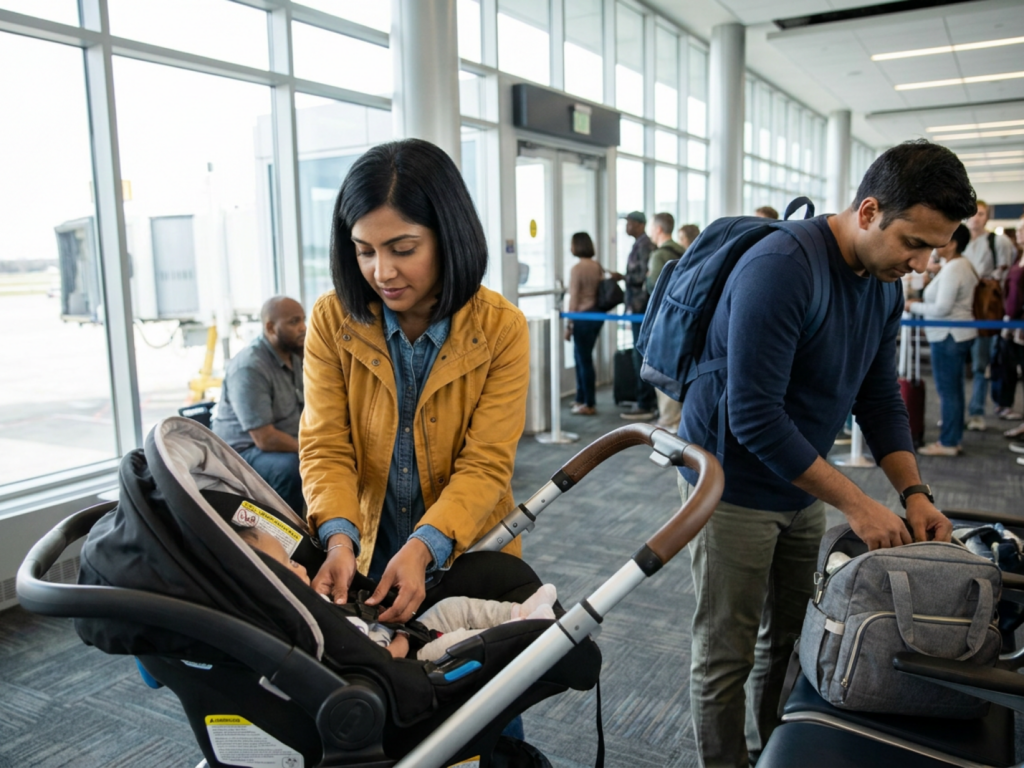
Boarding a flight with a baby can feel like a tightly timed clinical procedure carried out in a crowded, unpredictable environment. You are managing feeding, sleep, infection exposure, luggage, documentation, and safe restraint while also responding to your infant's cues. Preparation can reduce avoidable stress, but it cannot eliminate every variable.
The central principles are to assess whether air travel is appropriate for your baby's age and health, use an approved restraint whenever possible, organize essential supplies for rapid access, and ask healthcare and airline professionals about circumstances specific to your family. Boarding is one stage of the journey, not a test of parenting performance.
Highlights
Very young newborns and premature infants may need individualized medical advice before flying.
An approved child safety restraint provides more protection than lap travel during turbulence and unexpected events.
Feeding, soothing, and diaper supplies should be packed for delays as well as the scheduled flight.
Airline rules vary, so confirm infant seating, stroller, car-seat, baggage, and boarding procedures before departure.
Is boarding with a baby safe?
For many healthy infants, commercial air travel is generally feasible, but the appropriate timing depends on developmental age, medical history, route length, and the airline’s policies. A newborn’s immature immune defenses, feeding pattern, and temperature regulation can make the airport and cabin more demanding. Very young infants may also have a higher likelihood of needing assessment if they become unwell during travel.
Premature babies require particular consideration because gestational age, corrected age, respiratory history, anemia, and cardiopulmonary status can influence tolerance of cabin conditions. Commercial aircraft cabins are pressurized, but cabin oxygen partial pressure is lower than at sea level. Most healthy term infants compensate without difficulty; an infant with chronic lung disease, significant congenital heart disease, recent respiratory illness, or other complex medical needs may require a pre-travel plan from a clinician.
Ask your pediatrician or other qualified healthcare professional for individualized advice if your baby was born prematurely, has a chronic condition, recently underwent a procedure, has fever or respiratory symptoms, or has experienced feeding difficulty, dehydration, or poor weight gain. A clinician may consider the timing of travel, required medications or equipment, and whether the destination has appropriate medical access. Do not use an airline trip as an opportunity to test an uncertain medical situation.
Also check the carrier’s minimum age requirement. Airlines may require a medical or fitness-to-fly letter for very young newborns, and documentation rules may differ for domestic and international travel. The safest decision is based on both medical suitability and practical access to care, not on a single universal age threshold.
Plan before you reach the airport
Boarding becomes easier when the decisions that require time or negotiation have already been made. Confirm whether your baby will travel as a lap infant or in a purchased seat, whether the aircraft accepts your specific child restraint, and how the carrier handles a stroller, travel system, breast milk, formula, and diaper supplies. Policies can vary by airline, aircraft, route, and destination.
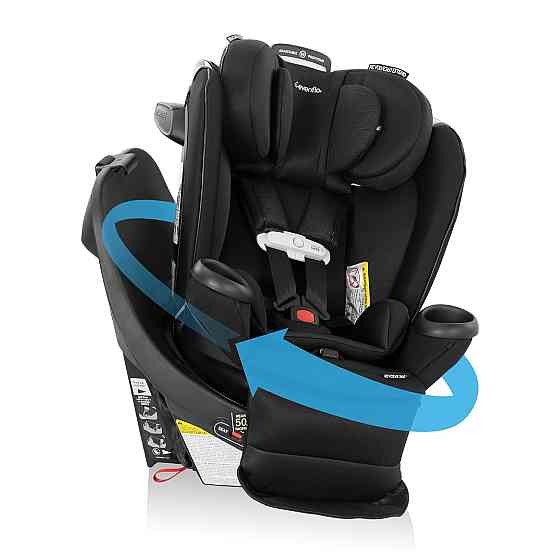
Whenever financially and logistically possible, reserve a separate seat for your baby and use an airline-approved child restraint systems that fits the seat and can be installed according to the manufacturer’s instructions. The exact approval labeling and dimensions matter. A car seat that is safe in a vehicle is not automatically accepted on every aircraft, so verify compatibility in advance and bring the restraint’s documentation if available.
Keep essential items in a small personal bag that stays under the seat rather than in an overhead compartment. A practical arrangement may include more diapers than the planned flight requires, wipes, a change of clothing for the baby and caregiver, feeding supplies, burp cloths, a small blanket, prescribed medicines in original packaging, and comfort items that are safe for your infant. Pack for delays, missed connections, and an unexpected gate hold.
Carry breast milk, formula, and baby food in a way that makes inspection straightforward. Security procedures differ by country, but medically and nutritionally necessary liquids are often handled through separate screening processes. Allow extra time, tell the security officer what you are carrying, and avoid transferring supplies into unlabeled containers when the original packaging will clarify what they are. A written feeding plan can help if multiple caregivers are involved, but feeding should remain responsive to the baby’s cues rather than rigidly tied to the timetable.
Keep identification and travel documents accessible. Depending on the itinerary, you may need proof of age, a passport, consent documentation, or health-related records. A brief list of your baby’s healthcare contacts, allergies if any, current feeding pattern, and relevant medical history can be useful during a complicated journey.
The boarding process and gate strategy
Airports often involve long walks, queues, security screening, and abrupt changes in pace. Before boarding begins, identify the nearest family restroom, changing table, water source, and quiet area. Change the diaper before entering the boarding line when possible, but do not delay a needed feed or diaper change simply to follow a schedule.
Ask the gate agent how family boarding works for your flight. Early boarding may provide time to install a restraint and organize supplies, but it also means spending longer in a confined cabin before takeoff. Some caregivers prefer to board early while one adult settles the baby and another handles bags; others board near the end to minimize cabin time. The better choice depends on your baby’s temperament, the number of caregivers, the aircraft layout, and whether the restraint requires careful installation.
If you are traveling alone, tell airline staff what practical assistance would help. Staff may be able to clarify boarding sequence or direct you to the correct queue, although you should not assume that another person can hold your baby or manage your belongings. Keep your infant physically supported whenever you are lifting luggage, walking across a jet bridge, or moving through a crowded aisle.
A stroller may be checked at the ticket counter or gate, depending on the carrier. Ask where it will be returned after landing, because procedures differ. If you use a carrier, follow its instructions carefully and keep your baby’s airway visible. The chin should not be forced onto the chest, and fabric should not cover the face. Never leave a baby unattended on a conveyor, airport seat, or luggage cart.
Boarding can be overstimulating. Lowering your voice, reducing unnecessary handling, and using familiar sensory cues can help. Crying is communication, not evidence that you have failed. You can respond to hunger, fatigue, discomfort, or the need for contact without needing to satisfy the expectations of nearby passengers.
Feeding and pressure changes in flight
Changes in cabin pressure are most noticeable during ascent and descent. Sucking and swallowing may help equalize pressure in the middle ear, particularly during descent. Many families find that feeding during takeoff and landing is useful, but it is not mandatory and should never be forced. A breastfeed, bottle, or pacifier may be offered when the baby is alert and showing interest. The goal is comfort and normal swallowing, not completion of a particular volume.
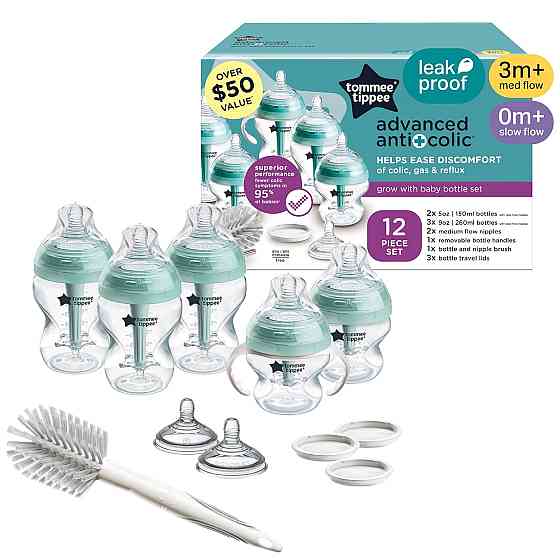
For breastfed infants, direct feeding may be simplest if privacy and positioning are comfortable. For expressed milk or formula, use the preparation and storage practices recommended by your healthcare professional and the product manufacturer. Cabin facilities are limited, so prepare only what can be used safely and carry sufficient supplies for delays. Do not dilute formula beyond its instructions or improvise feeding equipment because of inconvenience.
Watch your baby’s usual cues: rooting, hand-to-mouth movements, increased alertness, fussing, and settling after feeding. Babies may feed more frequently during a disrupted travel day. Offer fluids or feeds according to the infant’s normal developmental needs and professional guidance. Young infants should not be given plain water as a substitute for breast milk or correctly prepared formula unless a clinician has specifically advised it.
Ear discomfort may cause crying, but crying during descent does not by itself identify the cause. Congestion, infection, hunger, fatigue, or being restrained can produce similar behavior. If your baby has a current ear infection, significant nasal congestion, or a history of pressure-related problems, discuss the trip with a healthcare professional. Do not give medication solely to sedate a baby for travel or use a decongestant without explicit clinical advice.
Good hand hygiene remains useful before feeding and after diaper changes. Avoid placing feeding equipment on airport or aircraft surfaces, and follow the airline’s rules for heating or storing milk. When in doubt about a food or liquid’s safety, ask a qualified professional rather than relying on an unverified travel tip.
Restraint, positioning, and cabin safety
The most protective arrangement is usually a separate aircraft seat with an approved child restraint used exactly as directed. The restraint should face the direction required by its approval and the baby’s size, and the harness should be snug without bulky clothing interfering with fit. Installation should be checked before taxiing and again if the seat is moved.
Lap travel allows a caregiver to hold the baby during routine portions of the flight, but an adult cannot reliably restrain an infant during severe turbulence or a rapid change in aircraft movement. An infant should not be placed in an adult seat belt, and a baby carrier should not replace an approved restraint for taxi, takeoff, landing, or turbulence unless the airline and applicable regulations specifically permit it. Follow the cabin crew’s instructions at all times.
During boarding, keep small objects, loose blankets, and feeding equipment from obstructing the aisle or restraint harness. Bulky outerwear can reduce harness effectiveness, so use thin layers and add warmth over the secured harness if needed. Do not attach unapproved accessories to the restraint or allow toys with long straps to hang around the baby’s neck.
If you need to hold your baby, support the head and neck according to your baby’s developmental stage and keep the face visible. A baby may sleep during the flight, but prolonged sleep in a sitting device outside its intended use is not a substitute for a separate, safe infant sleep surface at the destination. Once you arrive, transfer the baby to a firm, flat sleep surface rather than allowing routine sleep in a car seat, stroller, or carrier.
Be prepared for a seat change or equipment problem. If the restraint cannot be safely installed or the airline’s crew identifies a compliance issue, ask for assistance before departure. A calm, early discussion is more effective than trying to resolve a safety concern after the aircraft begins moving.
When to postpone or seek medical advice
Travel plans should be reconsidered when a baby is acutely unwell or when the caregiver cannot provide adequate feeding, hydration, warmth, monitoring, and safe transport. Fever in a young infant, breathing difficulty, bluish or gray coloration, marked lethargy, repeated vomiting, persistent inability to feed, substantially fewer wet diapers, or signs of dehydration warrant prompt medical assessment. Depending on the severity and the baby’s age, urgent or emergency evaluation may be appropriate.
A mild symptom can still require individualized advice in a newborn or medically complex infant. Contact the baby’s clinician before flying if there has been a recent hospitalization, surgery, premature birth, oxygen requirement, seizure, significant allergic reaction, or change from the baby’s usual feeding and behavior. Ask what symptoms should trigger care during the journey and identify medical facilities at the destination.
Infection prevention should be proportionate and practical. Hand hygiene, avoiding close contact with visibly ill people, and postponing nonessential travel during an active contagious illness can reduce exposure. Do not place a mask on an infant unless a healthcare professional has specifically advised it and it is safe for the child’s age and condition. A caregiver who is ill should seek clinical guidance about travel and close contact.
Caregiver capacity is also a safety issue. Sleep deprivation, anxiety, and solo travel can make basic tasks harder. Divide responsibilities when possible, schedule realistic transfer time, and ask for assistance before you are overwhelmed. A flexible itinerary with access to food, fluids, rest, and medical care is often more protective than a tightly optimized schedule.
Boarding with a baby is therefore a risk-management exercise rather than a pass-or-fail event. With medical clearance when needed, an appropriate restraint, responsive care, and a plan for delays, many families can travel safely while respecting the baby’s physiology and the caregiver’s limits.
When to pause and get help
- Do not fly without professional advice when a premature or medically complex infant has respiratory or cardiac concerns.
- Seek urgent medical assessment for breathing difficulty, cyanosis, unusual unresponsiveness, or persistent inability to feed.
- Do not use adult seat belts, unapproved restraints, or medication to sedate a baby for travel.
- Treat markedly reduced wet diapers, repeated vomiting, or other dehydration concerns seriously.
- Follow airline and cabin-crew instructions about restraint use, seating, and turbulence.
Tools & Assistance
- Pediatrician or family physician pre-travel consultation
- Airline accessibility or special-assistance desk
- Airport family restroom and security information service
- Manufacturer instructions for the child restraint
- Destination medical facility and emergency contact details
FAQ
Can a newborn fly immediately after birth?
There is no single answer for every newborn. Airlines set minimum-age rules, and very young or premature babies may need medical assessment before travel. Confirm both the carrier's policy and your clinician's advice.
Should my baby sit on my lap or in a car seat?
A separate seat with an approved child restraint is generally the more protective option, especially during turbulence and unexpected aircraft movement. Confirm that the restraint is accepted by the airline and install it according to its instructions.
Should I feed my baby during takeoff and landing?
Feeding or offering a pacifier during ascent and descent may encourage swallowing and comfort, particularly during descent, but do not force a feed. Follow your baby's cues and seek advice for ear disease or significant congestion.
How much extra food and equipment should I pack?
Pack enough breast milk, correctly prepared formula, diapers, wipes, clothing, and essential medicines for the planned journey plus meaningful delays and connections. Keep critical supplies accessible rather than in checked luggage.
Is it safe for my baby to sleep in the car seat after landing?
A car seat is designed for transport, not routine sleep outside the vehicle. Once you reach your destination, move the baby to a firm, flat, separate sleep surface as soon as practical.
Sources
- Mayo Clinic — Air travel with infant: Is it safe?
- Centers for Disease Control and Prevention — Traveling Safely with Infants and Children
- MedlinePlus — Traveling with children: MedlinePlus Medical Encyclopedia
Disclaimer
This article provides general educational information and does not diagnose, treat, or replace advice from a qualified healthcare professional. Consult your baby's clinician and airline before travel, especially for newborn, premature, or medically complex infants.















Please log in to leave a comment.