
Intro
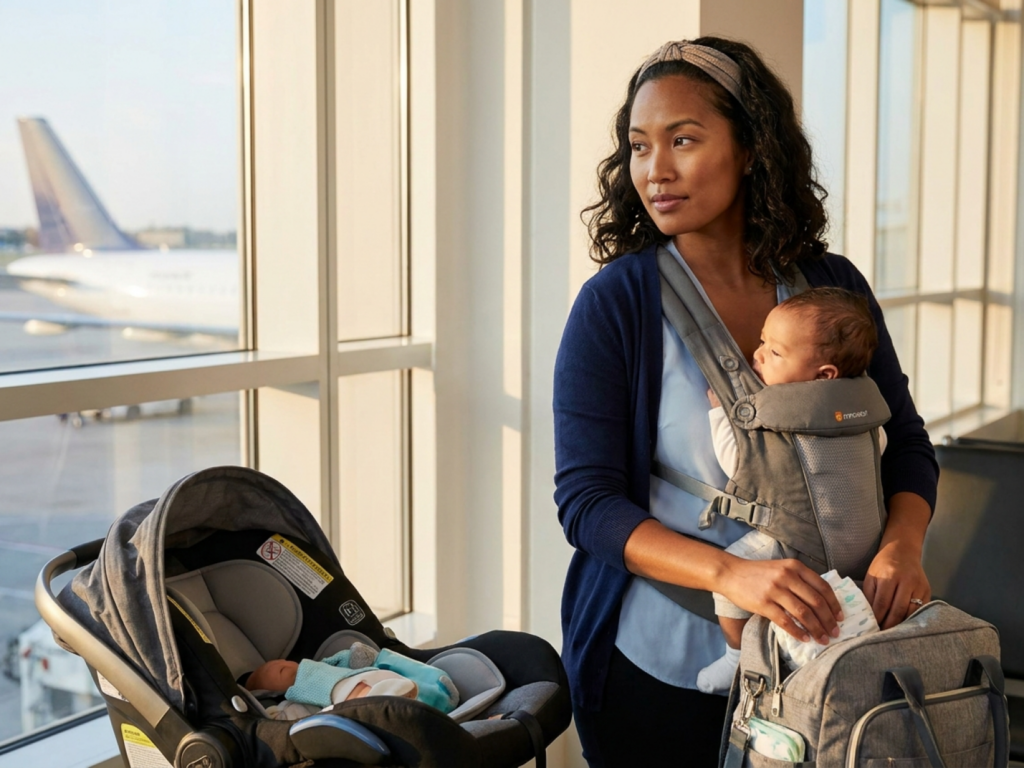
Travel with a baby is rarely one fixed skill. What feels manageable with a sleepy newborn may become more complicated when a mobile older infant wants to explore every unfamiliar surface. Each stage brings different needs related to immune maturity, feeding, sleep, movement, safety restraints, and sensory regulation.
Planning around your baby's current abilities, rather than a perfect itinerary, can make travel more realistic and less stressful. For babies born prematurely or those with chronic medical needs, individual advice from the child's healthcare team is especially important before travel.
Highlights
A baby's age affects infection exposure, feeding logistics, sleep disruption, and safe transportation needs.
Newborn travel usually centers on medical readiness, frequent feeding, and careful airway and car-seat positioning.
As mobility and curiosity increase, travel planning shifts toward injury prevention, active supervision, and maintaining routines.
International travel may require earlier vaccine planning and a pre-travel discussion with a pediatric clinician.
Start with readiness, not a calendar date
There is no universal age at which travel becomes easy or medically appropriate for every baby. Readiness depends on gestational age at birth, current growth, cardiopulmonary stability, feeding effectiveness, vaccine status, destination, travel method, and access to medical care. A healthy full-term newborn may have different needs from a baby born preterm, a baby recently discharged from neonatal care, or a baby with heart, lung, neurologic, or immune conditions.
The American Academy of Pediatrics notes that air travel is generally safe for infants from 7 days old, although delaying flying until about 2 to 3 months is ideal when possible. This later timing can reduce exposure during a period of early immune immaturity and gives families time to establish feeding and follow-up care. It is not a rule that every family can or must follow; it is a useful prompt for individualized planning.
Before a long trip, especially an international trip, ask the pediatric clinician to review whether travel is appropriate, what symptoms would change the plan, and whether the itinerary poses specific concerns. This is particularly relevant after a recent illness, hospitalization, surgery, or change in breathing, feeding, or weight gain. For preterm infants, corrected age and any history of apnea or oxygen requirement may matter more than chronological age alone.
- Confirm how to obtain urgent care at the destination.
- Carry the child’s essential medical information, medications, and supplies in hand luggage.
- Build in flexibility for feeding, naps, diaper changes, and unexpected delays.
Newborn travel: protect feeding, temperature, and infection risk
During the first 2 months, babies often feed every 2 to 3 hours, have limited head and trunk control, and have not yet completed their primary vaccine series. Travel is therefore more about meeting basic physiologic needs than sightseeing. Short, local trips may help families learn how their baby tolerates car rides, transfers, noise, and altered sleep before attempting longer journeys.
For car travel, use a properly installed, rear-facing car seat that matches the baby’s size and manufacturer instructions. The harness must be correctly positioned and snug, and the seat’s recline angle matters because newborns have limited airway control. A car seat is a transport restraint, not a routine sleep space once you arrive. Move the baby to a firm, flat, separate sleep surface as soon as practical when they are no longer traveling.
Feeding should remain responsive rather than being delayed to meet a departure schedule. Breastfeeding, expressed milk, formula, clean water where applicable, bottles, and backup supplies all require advance planning. For air travel, feeding or offering a pacifier during ascent and descent may encourage swallowing and can be comforting during pressure changes. It does not guarantee prevention of ear discomfort, and a healthcare professional should advise on any medication questions.
Because young infants can become unwell quickly, avoid crowded indoor exposures when feasible, encourage careful hand hygiene among caregivers, and limit close contact with people who are ill. Fever in a young infant warrants prompt medical assessment; do not assume it is only a consequence of travel.
Two to six months: more predictable rhythms, continued close support
Between 2 and 6 months, many babies develop longer stretches of sleep and more predictable feeding patterns, which can make travel feel more manageable. They still require close physical support, frequent diaper care, and careful protection from infection and overheating. Their routines remain vulnerable to disruption, so a lighter itinerary is usually more sustainable than trying to preserve an adult pace.
This age can be well suited to carrier-based travel when the carrier is used according to its instructions and keeps the baby’s airway visible and unobstructed. The baby’s face should not be pressed against an adult’s body or covered by fabric. A stroller can reduce caregiver fatigue, but it should not replace attentive supervision, particularly when the baby falls asleep outside a safe sleep environment.
Babies at this age may begin to roll unexpectedly. Never rely on a travel bed setup that assumes the baby will remain in one position, and do not use improvised padding, loose blankets, or soft items to make an unfamiliar sleep surface seem more comfortable. Check the accommodation before bedtime: identify a firm infant sleep surface, remove loose objects, and decide where night feeds and diaper supplies will be kept.
Travel also changes the practical meaning of vaccination. Routine immunizations should be kept on schedule when possible. For international destinations, a clinician or travel medicine service can review whether the baby’s age permits any destination-specific protection and whether travel should be postponed because some vaccines cannot yet be given or may be less effective at very young ages.
Six to twelve months: mobility changes the safety plan
From about 6 months onward, many babies sit, roll, crawl, pull to stand, and bring objects to their mouths. Travel may become more interactive and enjoyable, but it also demands developmental anticipation in infancy. A room that looked harmless on arrival can become unsafe once a baby discovers cords, low furniture, unsecured drawers, balcony doors, medications, or small objects on the floor.
Feeding logistics become more complex as complementary foods are introduced. Keep breast milk or formula as a major nutrition source during the first year, while offering familiar age-appropriate foods when possible. Abruptly introducing many unfamiliar foods during travel can make it harder to interpret vomiting, diarrhea, rash, or feeding refusal. Food and water safety may require extra caution depending on the destination; discuss destination-specific risks with a qualified clinician.
At this stage, schedule stops on road trips for feeding, diaper changes, movement, and caregiver rest. Never unbuckle a baby while a vehicle is moving. On flights, a separate purchased seat with an approved child restraint system may offer a more secure option than holding a baby, particularly during turbulence. Follow airline and seat-manufacturer requirements.
Expect sleep to be less portable than it was earlier. A crawling baby may resist settling in an unfamiliar space, and overtiredness can amplify distress. Preserve a few familiar cues, such as the usual sleep clothing, bedtime order, and calming routine, while keeping safe sleep practices in infancy consistent wherever you stay.
Twelve to twenty-four months: autonomy, boundaries, and active supervision
In the second year, a baby may walk, climb, protest restraints, seek independence, and have strong opinions about food and sleep. Travel shifts from carrying a baby through the day to managing a newly mobile child in environments not designed for them. The goal is not perfect behavior; it is reliable supervision, predictable limits, and enough pauses to meet a young child’s needs.
Transportation safety remains non-negotiable. Continue rear-facing car seat safety until the child reaches the seat’s rear-facing height or weight limit, following the manufacturer instructions and applicable local laws. Bulky outerwear beneath the harness can interfere with fit. Plan time for safe loading and unloading, especially near traffic, parking lots, hotel driveways, and unfamiliar rental vehicles.
Toddlers may be more exposed to falls, burns, water hazards, choking hazards, and accidental ingestion. On arrival, scan the space at their level: secure or move medications and cleaning products, check window and balcony safety, locate stairs and pools, and remove small items. Around water, close adult supervision must be continuous and within arm’s reach; flotation devices do not substitute for supervision.
Behavioral stress is common when naps are missed, schedules change, and communication demands exceed a child’s language skills. Offer simple choices, familiar snacks, movement breaks, and quiet transitions. Keeping plans shorter is often more successful than pushing through escalating fatigue. A sudden change in alertness, breathing, hydration, or ability to be consoled should be treated as a health concern rather than simply travel-related fussiness.
Prepare for delays and know when to seek help
A practical travel kit reduces stress because it supports the problems most likely to occur: delayed transport, spills, hunger, disrupted sleep, and minor injuries. Pack more diapers, wipes, feeding supplies, and a full change of clothes than the ideal schedule suggests. Keep prescribed medicines in their original labeled containers, and bring any devices or supplies the child routinely needs. Ask a pharmacist or clinician about storage requirements before travel.
For international travel, arrange a pre-travel consultation well ahead of departure. The CDC advises that children may need vaccine planning tailored to the destination and itinerary. Discuss the destination’s infectious disease risks, safe food and water practices, insect exposure, road safety, altitude, and how to access pediatric care. Do not use leftover antibiotics, sedating medications, or over-the-counter products to manage travel symptoms without professional guidance.
Seek urgent medical evaluation for warning signs such as difficulty breathing, blue or gray color, unusual limpness or unresponsiveness, seizure activity, signs of dehydration, a serious injury, or fever in a young infant. The threshold for contacting a clinician should be lower for babies with complex medical histories. Trust the observation that your child is not acting like themselves, especially when you are far from home.
Travel changes by age because babies change by age. A flexible plan, reliable restraint and sleep arrangements, realistic expectations, and timely medical advice provide a steadier foundation than any single packing list.
Travel safety warnings
- Do not place a baby to sleep routinely in a car seat, stroller, swing, or other seated device after arrival.
- Never hold a baby unrestrained in a moving vehicle or unbuckle them during a flight or car journey.
- Fever in a young infant, breathing difficulty, dehydration, or marked lethargy needs prompt medical assessment.
- Avoid giving sedating medicines or leftover prescriptions for travel without advice from a healthcare professional.
- For preterm babies or babies with chronic conditions, obtain individualized medical clearance before significant travel.
Tools & Assistance
- Schedule a pediatric or travel medicine appointment before international travel
- Confirm child restraint rules with the airline and destination transport provider
- Locate pediatric urgent care and emergency services near the destination
- Use a written packing and medication checklist
- Review vaccine records before booking travel
FAQ
When can a newborn fly?
The American Academy of Pediatrics states that flying is generally safe from 7 days old, but delaying until 2 to 3 months is ideal when possible. A clinician should advise for preterm infants or babies with health conditions.
Should I wake my baby for car breaks?
Plan regular stops for feeding, diaper care, movement, and caregiver rest on long drives. The appropriate frequency depends on your baby's age, feeding needs, and medical circumstances.
Can a baby sleep in a car seat at the hotel?
No. A car seat is designed for travel restraint. Transfer the baby to a firm, flat, separate sleep surface when practical after reaching your destination.
Do babies need a travel medicine visit?
It is particularly useful before international travel, travel to areas with limited medical access, or travel involving a preterm baby or a child with chronic health needs.
Sources
- Centers for Disease Control and Prevention — Traveling Safely with Infants and Children
- American Academy of Pediatrics — Flying With Baby: Parent FAQs & Tips for Safer, Easier Air Travel
- MedlinePlus — Traveling with children: MedlinePlus Medical Encyclopedia
Disclaimer
This article provides general educational information and is not a substitute for individualized medical advice. Consult a pediatric healthcare professional for travel decisions, especially for premature babies or children with medical conditions.















Please log in to leave a comment.