

Intro
Feeding a baby during the first year is often less predictable than caregivers expect. A baby may begin a feed eagerly, then turn toward a sound, pause to watch a moving object, pull away when someone enters the room, or become absorbed by newly developing motor and social skills. These episodes can be tiring and may raise understandable concerns about intake, milk supply, growth, or whether feeding is becoming unusually difficult.
Distractibility is common, but it should be understood within the broader context of responsive infant feeding. The goal is not to force sustained attention or make every feed silent. It is to create conditions that help the baby notice internal hunger and satiety cues while allowing the caregiver to observe patterns, respond calmly, and seek professional guidance when feeding or growth appears affected.
Highlights
Babies commonly become more distractible as vision, hearing, mobility, and social awareness mature during the first year.
A quieter, less visually stimulating feeding environment may help some babies remain engaged without pressure or force.
Responsive feeding means following the baby’s hunger and satiety cues rather than using distraction to control intake.
Frequent feeding refusal, choking, respiratory symptoms, dehydration, or poor growth warrants prompt discussion with a healthcare professional.
What Distracted Feeding Can Look Like
Distracted feeding refers to a baby shifting attention away from feeding toward environmental or internal stimuli. During breastfeeding, a baby may latch, suck briefly, then unlatch to look at a voice, door, screen, pet, or movement nearby. During bottle-feeding, the baby may stop sucking, turn the head, push the bottle away, or repeatedly attempt to look around. With complementary foods, an infant may accept several spoonfuls and then focus on grasping the spoon, dropping food, or watching other people eat.
Attention is not a single clinical variable. A baby’s feeding behavior is shaped by arousal, fatigue, hunger intensity, gastrointestinal comfort, sensory input, oral-motor skill, and the flow rate of milk or food. A distracted pause may simply be a normal break. It may also be a satiety cue, especially when it occurs with relaxed hands, slower sucking, closing the mouth, or turning away consistently.
Caregivers often notice distractibility most clearly once a baby becomes more socially alert. The infant is no longer focused only on immediate feeding and may be eager to practice looking, vocalizing, reaching, rolling, or interacting. This can feel like a sudden disruption even when it reflects ordinary neurologic and developmental maturation.
Why Distractibility Increases During the First Year
Infant attention develops rapidly across the first year. Young babies often feed with relatively few competing interests, although they can still be affected by noise, discomfort, or excessive fatigue. Over subsequent months, improved visual tracking, stronger head and trunk control, reaching, babbling, and recognition of familiar people make the surrounding environment increasingly compelling. A baby may be physically capable of feeding but neurologically motivated to investigate something else.
Feeding routines can also become associated with competing activities. Research examining what mothers do while feeding their infants illustrates that multitasking and television exposure may occur during feeds. Caregivers may understandably use a phone, watch television, talk with another adult, manage household tasks, or attend to another child. These realities do not indicate inadequate caregiving. They do, however, show why attention during feeding can be distributed between the infant and the environment.
For some families, media or toys become part of the feeding routine because they appear to keep a baby seated or accepting food. The short-term result may seem helpful, but distraction can make it harder to observe satiety, oral-motor stress, or a baby’s attempts to pause. In responsive feeding, the emphasis is on interaction and cue recognition rather than achieving a predetermined volume through sustained external stimulation.
Responsive Feeding and the Role of Attention
Responsive feeding is a reciprocal process. The caregiver offers developmentally appropriate milk or food in a safe setting, while the baby communicates hunger, interest, comfort, and fullness through behavior. The caregiver’s role is to notice and respond; the baby’s role is to decide whether and how much to consume within the limits of safe, appropriate options.
This approach does not require uninterrupted eye contact or complete silence. Babies may look away while still hungry, and a brief distraction does not automatically mean the feed should end. The useful question is whether the baby can return to feeding when given time and a calm opportunity. Pressuring, repeatedly repositioning, chasing the mouth with a bottle or spoon, or using a screen to override refusal can interfere with that communication.
Minimizing distraction is therefore different from demanding attention. It means reducing unnecessary competition so the caregiver can interpret cues and the baby can participate in the feed. Evidence-based educational guidance on positive mealtimes emphasizes the importance of responsive interactions and cautions against relying on distraction to influence intake. A calm voice, predictable routine, and patient pauses are usually more supportive than entertainment designed to keep the baby consuming.
Practical Strategies for Milk Feeds
Start by observing when distractibility is most pronounced. Some babies feed more effectively immediately after waking, before they become overtired or extremely hungry. Others need a brief period of quiet engagement before they can settle. A consistent but flexible routine can help the caregiver identify patterns without turning feeding into a rigid schedule.
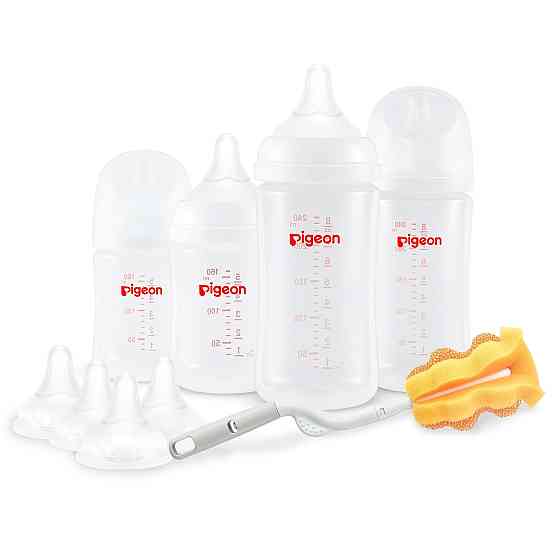
Environmental adjustments may be useful. Try a quieter room, softer lighting, fewer people moving nearby, and reduced visual clutter. Turning the baby’s body away from a television or busy doorway may decrease competing stimuli. During breastfeeding, a private or less stimulating location can help an older infant maintain latch. During bottle-feeding, hold the baby in a stable, supported position and allow pauses rather than repeatedly presenting the nipple after the baby has turned away.
Keep the caregiver’s attention available when possible. A phone or television does not make a feed unsafe in every circumstance, and caregivers should not be shamed for needing practical support. However, setting aside screens for part of the feed may make it easier to notice subtle cues, changes in breathing, coughing, fatigue, or signs that the baby has finished. If the baby looks away, pause and wait briefly. Reoffer only if the baby shows renewed interest, and stop when refusal persists.
Starting Solids Without Pressure
Complementary foods are introduced during a period when distractibility and curiosity are both increasing. At first, the objective is familiarization with tastes, textures, smells, and the mechanics of eating, not replacing all milk feeds immediately. Breast milk or infant formula generally remains an important source of nutrition during the transition, while the timing and progression of foods should follow guidance from the baby’s healthcare professional.
Offer meals when the infant is alert and reasonably calm, using an upright, well-supported position and close supervision. A simple eating area with limited background media can make it easier to see whether the baby opens the mouth, leans forward, reaches for food, turns away, closes the lips, or becomes tired. Allow the baby to touch and explore age-appropriate foods where consistent with individualized safety advice. Mess and short meals are expected parts of learning.
Avoid using toys, videos, or exaggerated performance to obtain additional bites after the baby signals fullness. Distraction can obscure satiety and may teach the infant to continue eating without attending to internal cues. It can also make it harder to identify difficulty managing a texture. If the baby repeatedly refuses, becomes distressed, coughs, gags persistently, or appears unable to coordinate eating, pause the meal and discuss the pattern with a pediatric clinician or feeding specialist.
When Distracted Feeding Needs Medical Attention
Distractibility alone is usually not a diagnosis. Clinical significance depends on the full feeding picture, including growth trajectory, hydration, elimination, respiratory status, feeding duration, and the baby’s general behavior. A baby who briefly looks away but feeds adequately and continues to grow may need only environmental adjustments and reassurance. A baby who consistently cannot sustain feeding may need an assessment of several possible contributors, such as milk transfer, nipple or teat flow, reflux-related discomfort, nasal obstruction, oral-motor coordination, sensory response, or developmental factors.
Contact a healthcare professional promptly if feeding is accompanied by choking, recurrent coughing, color change, labored breathing, sweating, marked fatigue, persistent vomiting, or prolonged distress. Seek urgent medical care for breathing difficulty, blue or gray coloration, inability to keep fluids down, or signs of significant dehydration. Concerning hydration signs can include substantially fewer wet diapers than expected, very dry mouth, absence of tears when developmentally expected, unusual lethargy, or other changes identified by a clinician.
Also arrange professional review when feeds are consistently very long, intake appears to be falling, weight gain is uncertain, the baby has frequent refusal, or caregivers feel they must pressure or distract the baby to obtain nearly every feed. A pediatrician, lactation consultant, registered dietitian, speech-language pathologist specializing in infant feeding, or occupational therapist may contribute depending on the concern and local care system.
Supporting the Caregiver and the Feeding Relationship
Distracted feeding can be emotionally demanding. Caregivers may interpret a baby’s turning away as rejection, worry that the baby is not receiving enough nutrition, or feel judged when feeds do not resemble idealized routines. These reactions are understandable, particularly when sleep deprivation and competing responsibilities are present. Feeding does not need to be visually perfect to be attentive or nurturing.
Use practical goals: create one calmer feed when feasible, observe a few specific cues, and record patterns rather than isolated episodes. A brief feeding log can include time, type of feed, approximate duration, notable distractions, wet diapers, and any coughing or distress. Avoid treating the log as a target or using it to pressure intake. Its purpose is to provide useful information for a professional if concerns continue.
Shared caregiving can help. Another adult may reduce household interruptions, prepare the feeding space, or care for older children while the primary caregiver feeds. If media is being used because the caregiver is overwhelmed, discuss that openly with a healthcare professional rather than responding with shame. The most sustainable feeding environment is one that supports both infant safety and caregiver capacity.
When to Seek Prompt Help
- Breathing difficulty, blue or gray coloration, or repeated choking during a feed
- Persistent coughing, sweating, marked fatigue, or abnormal breathing while feeding
- Very few wet diapers, unusual lethargy, or other possible signs of dehydration
- Poor weight gain, declining intake, or feeds that are consistently prolonged
- Repeated vomiting, severe distress, or refusal of most feeds
Tools & Assistance
- A low-stimulation feeding area with television and phone notifications reduced when practical
- A brief, nonjudgmental feeding and wet-diaper observation log
- A scheduled review with the baby’s pediatric clinician or primary healthcare professional
- A lactation consultant or infant-feeding specialist for persistent milk-transfer or coordination concerns
- Caregiver support from another adult to reduce interruptions during selected feeds
FAQ
Is distracted feeding normal for an older baby?
It is common for babies to become more interested in sounds, movement, people, and new motor skills during the first year. It is more reassuring when the baby can return to feeding, remains comfortable, has adequate output, and follows an expected growth pattern.
Should I feed my baby in a completely silent room?
Complete silence is unnecessary. A calm environment with fewer competing visual and auditory stimuli may help, but ordinary household sounds are generally compatible with responsive feeding.
Can I use a screen to help my baby finish a feed?
Screens may temporarily hold attention, but using distraction to override turning away or fullness cues can make responsive feeding more difficult. Consider reducing stimulation and pausing instead, and seek professional advice if feeding is consistently difficult.
How can I tell whether my baby is finished eating?
Possible satiety cues include slowing or stopping sucking, relaxed hands, closing the mouth, turning away repeatedly, pushing food away, or losing interest. Interpret cues in context and ask a healthcare professional about intake if growth or hydration is uncertain.
Sources
- PubMed Central / National Library of Medicine — What are mothers doing while feeding their infants? Exploring the relationship with television exposure and maternal sleep
- Department of Health, Hong Kong Special Administrative Region — Positive mealtimes with toddlers - responsive feeding and distraction
- Texas Health Resources — Feeding a Distracted Baby
Disclaimer
This article is for general educational purposes and does not diagnose or treat any medical condition. Consult your baby’s pediatrician or another qualified healthcare professional for individualized feeding advice, especially when warning signs are present.















Please log in to leave a comment.